Digital Sculptor Samuel Selami Forges Dark Fantasy Worlds, One Character at a Time

Paris, France – In the ever-evolving landscape of video game development, the creation of compelling characters is paramount. These digital avatars are the conduits through which players experience virtual worlds, and their design can make or break an immersive journey. Among the vanguard of artists shaping these experiences is Samuel Selami, a French 3D character artist whose mastery of cutting-edge software and a keen eye for dark fantasy aesthetics have positioned him as a notable talent within the industry.
Selami’s artistic prowess is evident in his adept use of industry-standard tools, including ZBrush, Maya, 3ds Max, Marmoset Toolbag, and Unreal Engine. This technical command allows him to translate intricate visions into tangible, breathtaking 3D models. His work consistently navigates the delicate balance between hyper-realistic detail and stylized, memorable forms, resulting in characters that feel both grounded and fantastical. Drawing deep inspiration from the evocative worlds of dark fantasy and the sprawling narratives of MMORPGs, Selami crafts digital beings that resonate with a sense of history, purpose, and often, a touch of the uncanny.
This article delves into Selami’s creative process, exploring three of his distinct character designs: "The Mercenary," "Follower," and "Zealot." Through his own words and an examination of his work, we gain insight into the inspirations, challenges, and meticulous techniques that define his contributions to the games industry. Furthermore, we will contextualize his artistry within the broader trends of 3D character design and highlight resources for aspiring artists looking to enter this dynamic field.
The Genesis of a Digital Artisan: Selami’s Journey and Influences
Samuel Selami’s path to becoming a professional 3D character artist is deeply intertwined with his passion for video games, particularly those originating from Korean game development studios. He cites their distinctive character art direction as a significant catalyst for his career choice. "Korean games and their character art direction played a big part in inspiring me to become a 3D character artist," Selami reveals. This early fascination with the visual storytelling inherent in these games laid the foundation for his own creative aspirations.
His artistic philosophy centers on creating characters that possess a "grounded, semi-realistic fantasy look." This approach involves meticulously crafting believable designs that are nonetheless imbued with stylized elements, ensuring they are not only visually striking but also possess a unique and memorable silhouette. This duality is crucial in game development, where characters need to be recognizable at a glance amidst dynamic gameplay while also conveying depth and personality.
Selami’s technical toolkit is comprehensive, reflecting a dedication to mastering the most powerful software available for 3D modeling, sculpting, and rendering. ZBrush, renowned for its digital sculpting capabilities, allows him to achieve an unparalleled level of detail and organic form. Maya and 3ds Max, industry-standard for 3D modeling and animation, provide the framework for constructing complex character meshes and preparing them for integration into game engines. Marmoset Toolbag is frequently employed for its exceptional real-time rendering and texture baking capabilities, bringing characters to life with stunning visual fidelity. Finally, Unreal Engine, a leading game development platform, allows Selami to see his creations within their intended environment, testing their visual impact and performance in real-time.
The thematic influences of dark fantasy and MMORPG aesthetics are not merely superficial choices for Selami. They represent a rich wellspring of inspiration that informs character archetypes, narrative potential, and visual storytelling. Dark fantasy often explores themes of struggle, corruption, and the blurred lines between good and evil, offering fertile ground for creating complex and morally ambiguous characters. MMORPGs, with their vast worlds and diverse player bases, necessitate the creation of characters that can embody a multitude of roles and backstories, fostering a sense of community and epic adventure.
Spotlight on Creation: Deconstructing Selami’s Character Portfolio
Selami’s commitment to his craft is best illustrated through the detailed examination of his character work. Each piece represents a unique challenge and a distinct artistic vision, showcasing his ability to adapt his skills to various creative briefs.
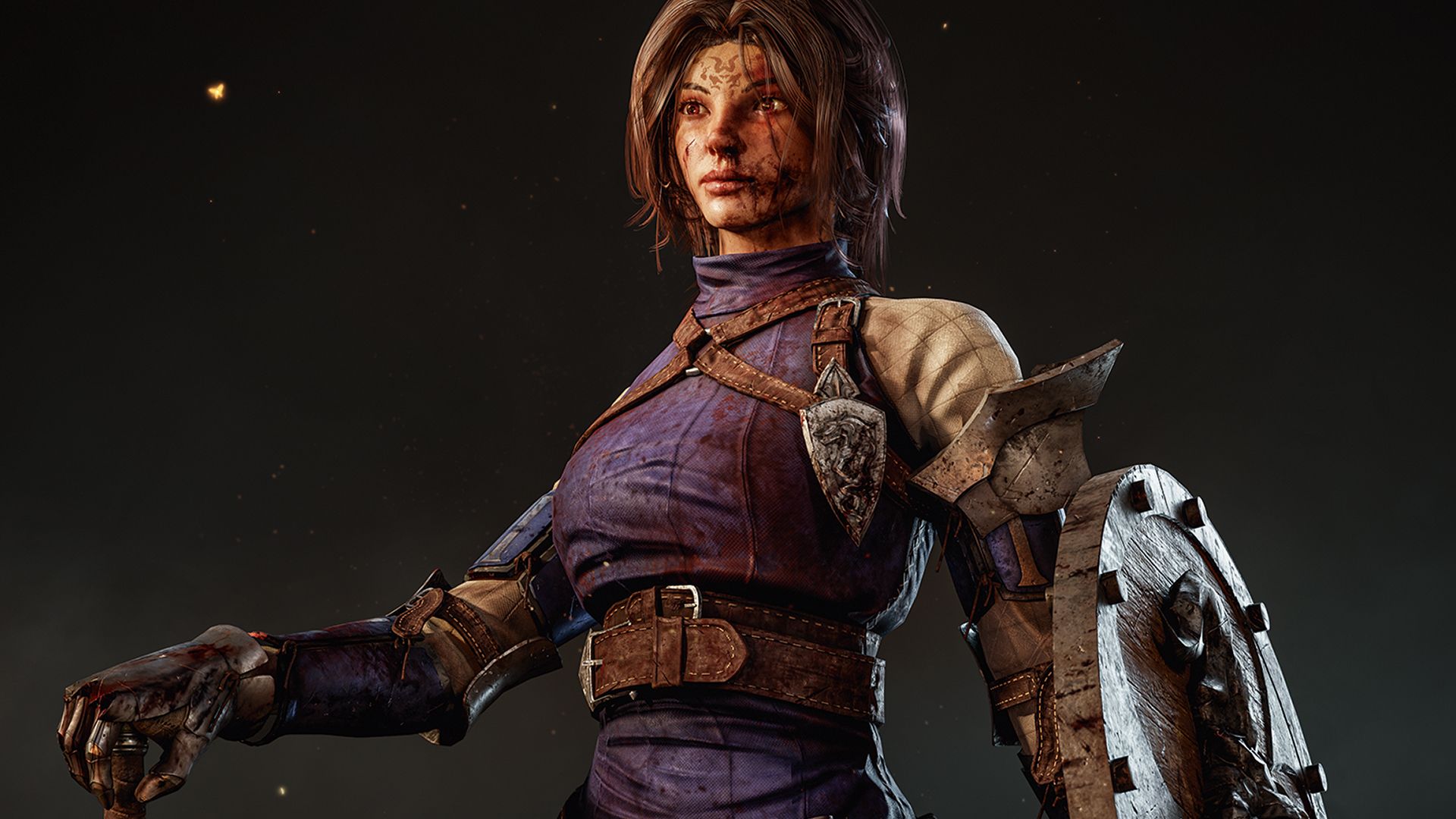
The Mercenary: A Nod to Eastern RPGs
Selami’s creation, "The Mercenary," is a direct homage to the visual language of Korean role-playing games. He explicitly states, "With this piece, I wanted to recreate that grounded semi-realistic fantasy look." This intention is realized through a design that balances the grit of a seasoned warrior with the aesthetic sensibilities often found in high-fantasy RPGs.
The character’s design likely incorporates elements such as practical, yet ornate armor, perhaps with intricate detailing that suggests a rich history or cultural origin. The semi-realistic approach means that while the character’s proportions and anatomical structure are plausible, there’s a deliberate stylization to emphasize certain features, be it a stoic expression, a distinctive hairstyle, or the overall silhouette. The "grounded" aspect implies that the character’s attire and equipment feel functional, as if they have been used in battle, rather than being purely ornamental.
The inspiration from Korean games often translates to a meticulous attention to detail in costume design, including subtle textures, well-placed accessories, and a cohesive color palette that evokes a specific mood or environment. Selami’s ability to capture this nuanced aesthetic demonstrates a deep understanding of the visual trends that have captivated global audiences. The "Mercenary" likely embodies a character who is self-reliant, perhaps morally ambiguous, and ready for any challenge – a common trope that resonates powerfully within the RPG genre.
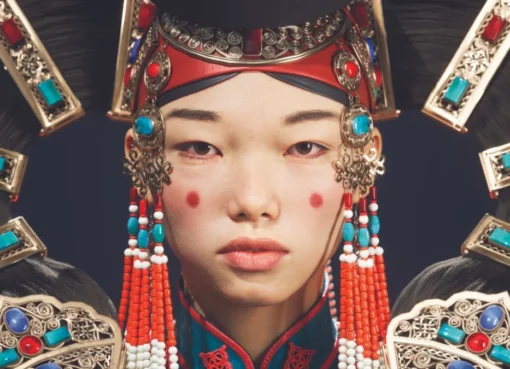
Follower: Embracing the Terrifying
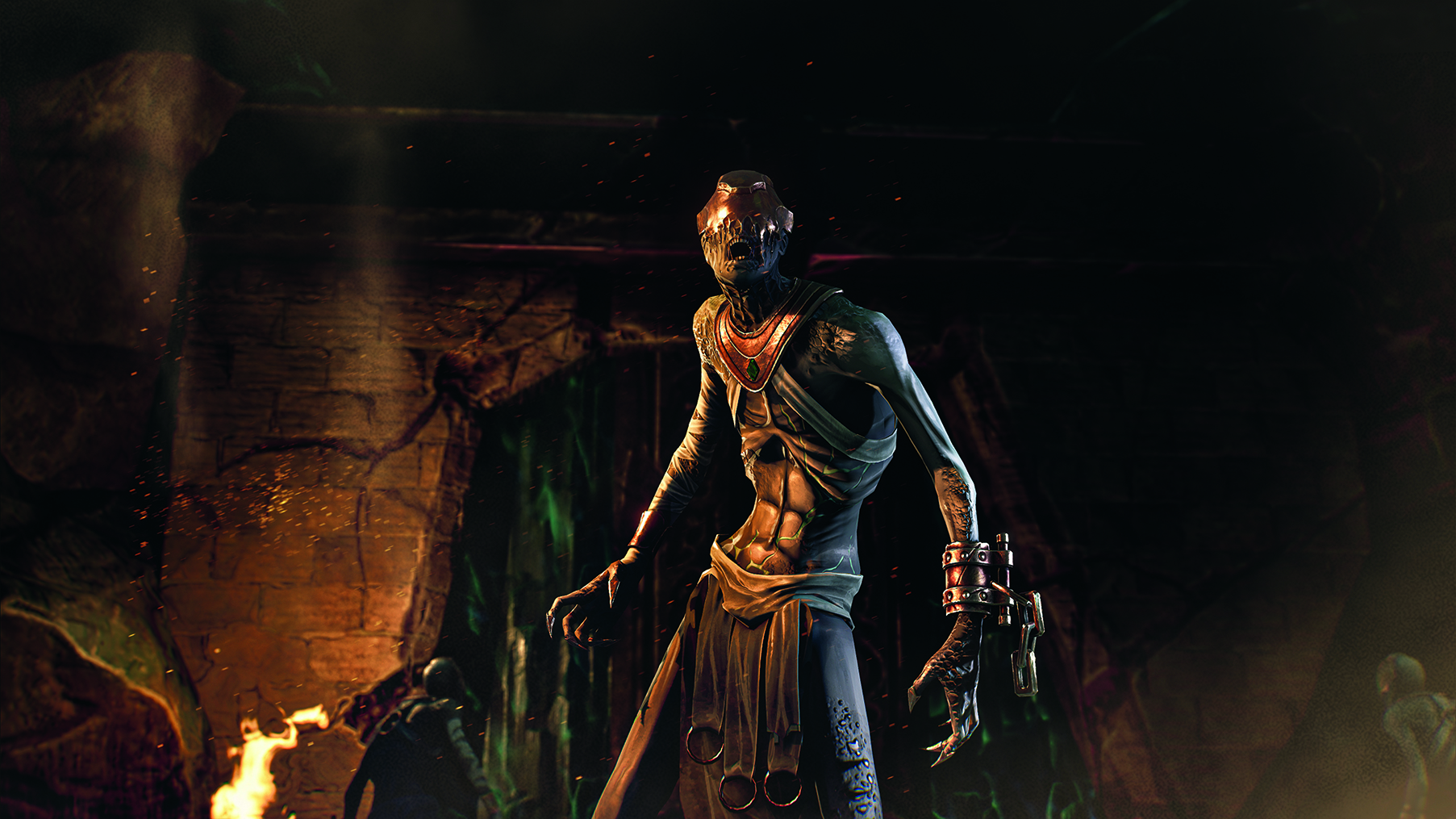
"Follower" presents a stark contrast to the more heroic or conventionally appealing "Mercenary." This piece delves into the darker, more unsettling aspects of fantasy, where the line between character and creature begins to blur. Selami articulates the core challenge of this creation: "One of the biggest challenges with this character was balancing stylisation with horror elements. I wanted the creature to feel disturbing from far away while keeping a strong, recognisable silhouette."
This statement reveals a sophisticated understanding of visual design principles, particularly in the context of horror. The "disturbing from far away" aspect suggests that the overall form and posture of the "Follower" are inherently unsettling. This could be achieved through unusual proportions, an unnatural gait, or a silhouette that hints at something menacing without revealing explicit details. The "strong, recognisable silhouette" is crucial for ensuring the character remains impactful and memorable, even when details are obscured by distance or shadow.
The "horror elements" are likely integrated through a combination of sculpted detail and stylistic choices. This might include asymmetrical features, unsettling textures, perhaps hints of decay or mutation, and an overall design that evokes a sense of primal fear. The challenge of balancing stylization with horror lies in avoiding cliché while still creating something that is undeniably frightening. Selami’s success in this endeavor suggests an ability to imbue his creations with a palpable sense of dread, making them not just visually interesting but emotionally resonant. The "Follower" might represent a corrupted entity, a monstrous minion, or a manifestation of a darker force within a game’s narrative, designed to instill unease and provide a formidable challenge to players.
Zealot: The Imposing Presence of Power
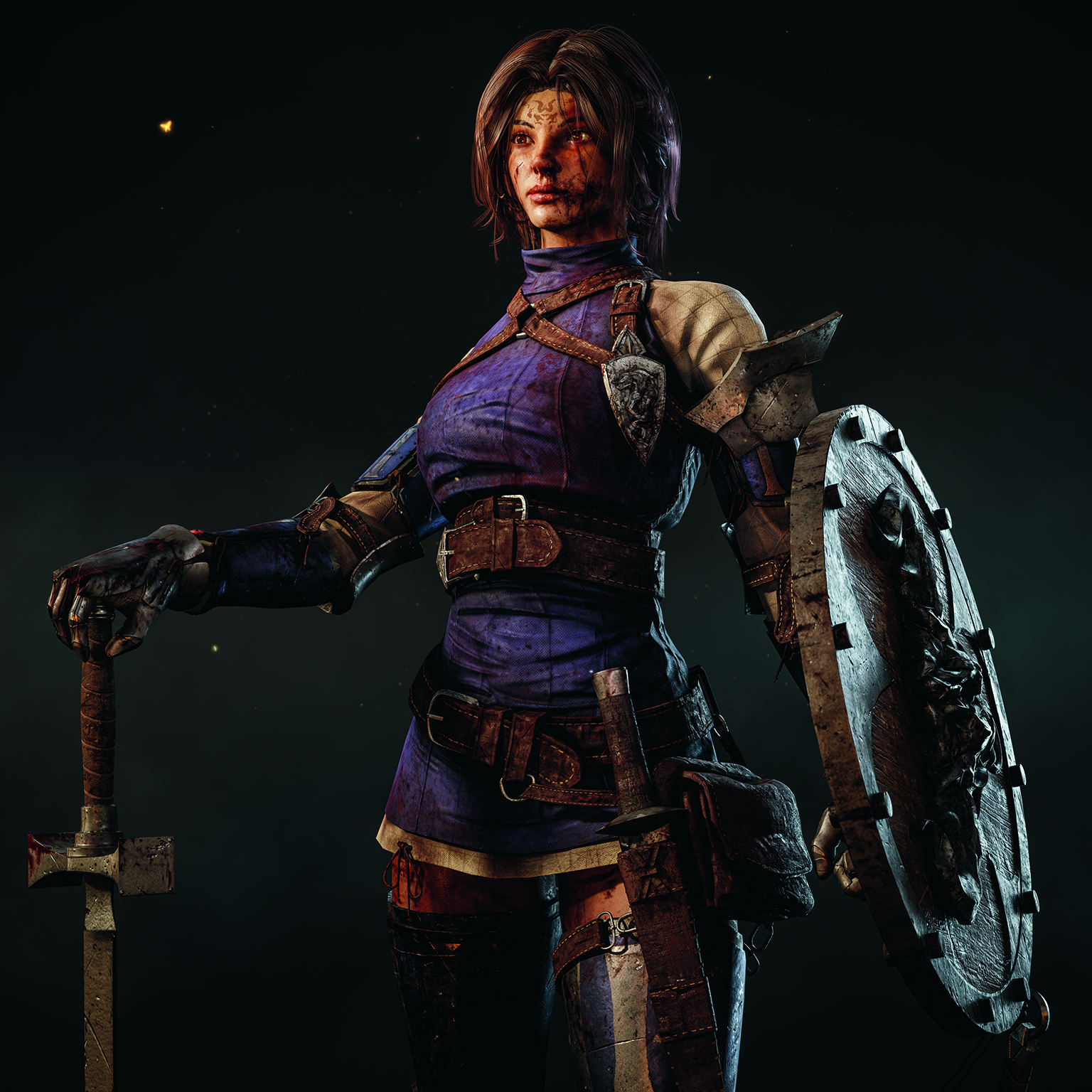
With "Zealot," Selami tackles the creation of a character that exudes immediate authority and menace. This piece focuses on conveying power and aggression through visual cues, aiming for a character that is "instantly imposing and violent." Selami elaborates on the development process: "This character went through many in-engine iterations to find the right silhouette and presence. I wanted the Zealot to feel instantly imposing and violent, marking a difficulty step in a stylised dark fantasy setting."
The emphasis on "in-engine iterations" highlights the practical considerations of game development. A character’s effectiveness is not solely judged on its static form but on how it performs within the game’s environment and interacts with gameplay mechanics. Finding the "right silhouette and presence" is paramount for a character like a Zealot, who is likely meant to be a formidable antagonist or a figure of unquestionable power. A strong silhouette ensures that the character is easily identifiable and communicates their role and threat level effectively.
The "imposing and violent" nature of the Zealot is likely conveyed through a combination of physical attributes and visual design choices. This could include broad, powerful musculature, aggressive weaponry, intimidating armor, and a facial expression or posture that communicates unwavering conviction and a readiness for conflict. The "stylised dark fantasy setting" suggests that while the character possesses a powerful presence, their design is still rooted in the artistic conventions of the genre, perhaps incorporating elements of religious fervor, fanatical devotion, or corrupted righteousness. The iterative process in Unreal Engine would have allowed Selami to refine these elements, ensuring that the Zealot’s visual impact translated directly into gameplay, making them a memorable and challenging encounter for players.
The Technical Foundation: Software and Workflow
Selami’s mastery of his software suite is not merely about knowing how to operate the tools; it’s about understanding how each program contributes to the overall creative process and the final output.
- ZBrush: This is where the magic of organic sculpting happens. Selami likely uses ZBrush to build up the base forms of his characters, adding intricate details like wrinkles, scars, musculature, and the fine textures of clothing and armor. Its dynamic topology and brush system allow for a highly intuitive and iterative sculpting experience, mirroring the process of traditional clay sculpting.
- Maya/3ds Max: These programs are essential for the foundational stages of character creation. They are used for hard-surface modeling (creating mechanical parts, armor, weapons), retopology (creating cleaner, more optimized meshes for animation and game engines from high-detail sculpts), UV mapping (unwrapping the 3D model into a 2D space for texturing), and rigging (creating a skeletal structure for animation).
- Marmoset Toolbag: This real-time rendering suite is invaluable for showcasing characters in their best light. Selami likely uses it for baking high-resolution sculpt details onto lower-polygon models (normal maps, ambient occlusion maps) and for creating high-quality renders with sophisticated lighting and material setups. This allows for a preview of how the character will look in-game with near-photorealistic fidelity.
- Unreal Engine: As a primary game development engine, Unreal Engine is where Selami can test his creations in a dynamic environment. This allows him to assess how the character moves, how lighting affects their appearance, and how they integrate with the game world. It’s also where he can implement advanced materials and visual effects to further enhance the character’s presence.
Selami’s workflow likely involves a seamless transition between these tools. He might sculpt a character’s primary forms in ZBrush, then bring it into Maya for retopology and UV mapping. Texturing would then occur using software like Substance Painter (though not explicitly mentioned, it’s a common companion to these tools), with the final assets then brought into Marmoset Toolbag for rendering and finally into Unreal Engine for integration. This iterative and layered approach ensures that each stage of development contributes to a polished and performant final character model.
Implications and Future of 3D Character Artistry
Samuel Selami’s work exemplifies the increasing demand for highly skilled 3D character artists within the global games industry. The ability to blend technical proficiency with artistic vision, as demonstrated by Selami, is crucial for creating the immersive and memorable experiences that players crave.
The trend towards more visually sophisticated and narratively rich games means that character design is more important than ever. Artists like Selami are not just creating assets; they are crafting personalities, defining lore, and contributing significantly to the emotional core of a game. His success also underscores the global nature of game development, with artists from different regions bringing unique cultural influences and artistic perspectives to the forefront.
For aspiring 3D character artists, Selami’s journey and portfolio offer valuable insights. The importance of mastering foundational software like ZBrush, Maya, and Unreal Engine cannot be overstated. Furthermore, developing a distinct artistic style and a passion for specific genres, such as dark fantasy, can help artists carve out a niche and attract attention.
The continuous advancements in real-time rendering technology, such as those found in Unreal Engine, are further blurring the lines between in-game visuals and pre-rendered cinematics. This trend means that artists are increasingly expected to deliver high-fidelity characters that look stunning in motion and within interactive environments.
Resources for Aspiring Artists
For those inspired by Samuel Selami’s work and eager to embark on their own journey in 3D character artistry, several resources are invaluable:
- Best 3D Modelling Software: A comprehensive understanding of the tools available is essential. Resources that detail the strengths and weaknesses of various 3D modeling packages can guide artists in selecting the right software for their needs.
- Best Laptops for 3D Modelling: The hardware used by artists plays a critical role in their productivity and the complexity of the projects they can undertake. Identifying powerful and reliable laptops optimized for 3D workflows is a crucial step.
- Best Drawing Tablets: While Selami’s focus is on 3D sculpting, the foundational stages of character concept art often begin with 2D drawing. High-quality drawing tablets are indispensable tools for concept artists, providing a natural and intuitive way to sketch and ideate.
- ArtStation Profiles: Platforms like ArtStation are the de facto portfolios for 3D artists. Studying the work of established artists like Samuel Selami on their ArtStation profiles offers direct insight into their techniques, styles, and the quality of their output.
- Online Tutorials and Courses: Numerous online platforms offer in-depth tutorials and structured courses on ZBrush, Maya, Unreal Engine, and character design principles. Investing in education is a key step for skill development.
Samuel Selami’s contributions to the games industry are a testament to the power of digital artistry. Through his dedication to craft, his embrace of cutting-edge technology, and his unique artistic vision, he continues to shape the virtual worlds that captivate players worldwide. His work serves as both an inspiration and a benchmark for the next generation of 3D character artists.
This article was originally published in ImagineFX magazine. For more in-depth features on digital art and design, consider subscribing to ImagineFX for print and digital editions.