The Biofeedback Revolution in Virtual Reality: FunFitLand Bridges the Gap Between Wearables and VR Fitness

The intersection of immersive technology and personal health has reached a significant milestone with the release of FunFitLand’s new smartphone companion application. By establishing a seamless data bridge between common wearables and high-end virtual reality (VR) headsets, FunFitLand is transforming the isolated "gaming" experience of VR fitness into a data-driven, holistic health ecosystem. Available now on both iOS and Android, the companion app serves as the missing link for users of the Meta Quest and Apple Vision Pro, allowing for the real-time integration of heart rate data directly into the virtual workout environment.
Main Facts: A Unified Ecosystem for Virtual Athletics
The core of FunFitLand’s latest expansion is the ability to synchronize live biometric data across a complex chain of hardware. Historically, VR fitness enthusiasts had to choose between staying immersed in their workout or pausing to check a physical smartwatch to monitor their exertion levels. FunFitLand’s new mobile app removes this friction by acting as a relay station.
Key features of the new integration include:
- Real-Time Biometric Overlay: Live heart rate readings are displayed within the VR headset (Meta Quest or Apple Vision Pro) during active workout sessions.
- Comprehensive Device Compatibility: Support for Apple Watch, Samsung Galaxy watches, and standard Bluetooth Low Energy (BLE) heart rate straps.
- In-Headset Progress Tracking: Beyond heart rate, the UI now includes circular indicators for song duration and workout progression, providing users with a "dashboard" view of their physical effort.
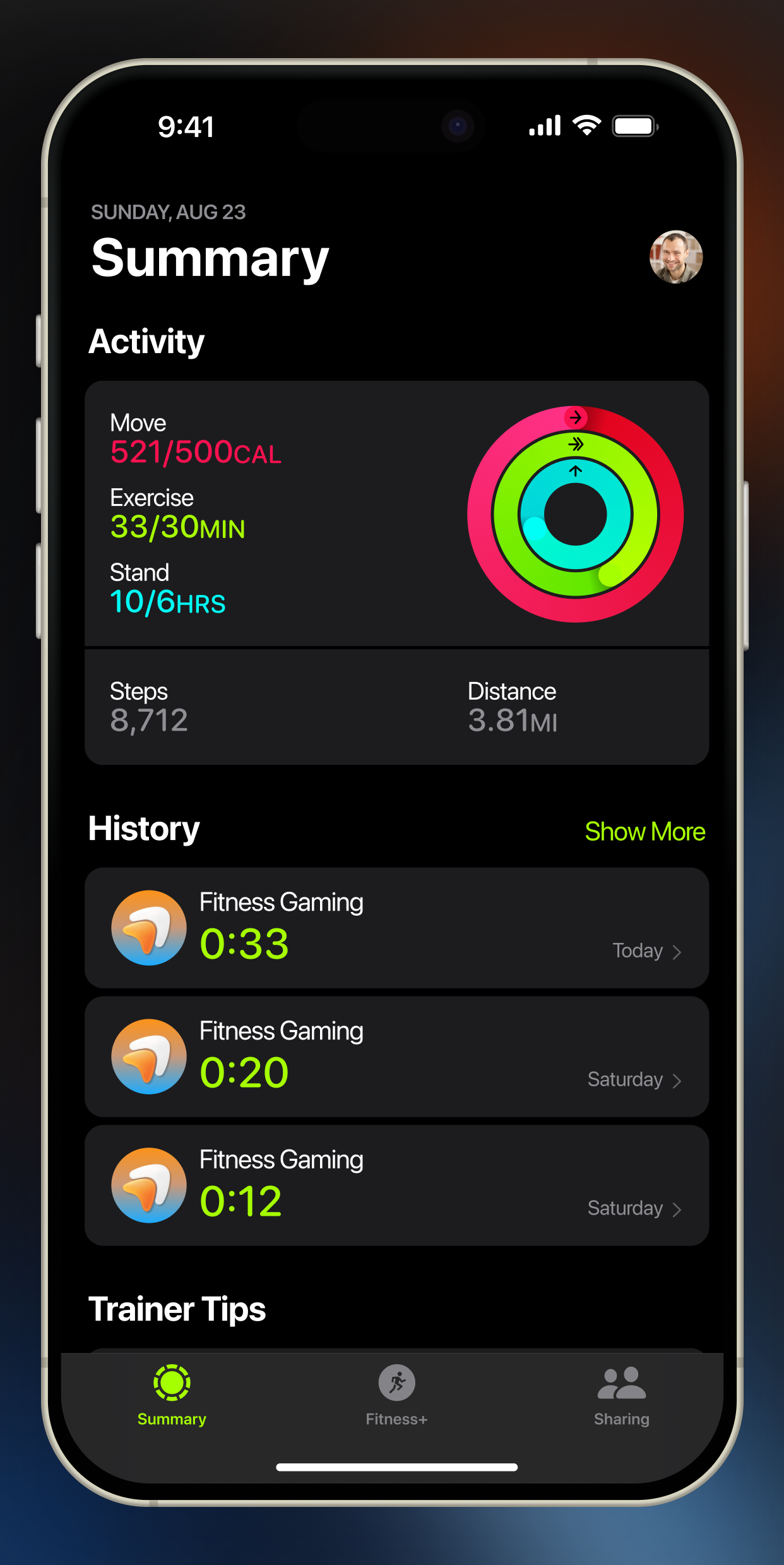
- Post-Workout Analytics: A detailed breakdown within the mobile app featuring average and maximum heart rates, session graphs, and a granular look at time spent within five specific heart rate zones.
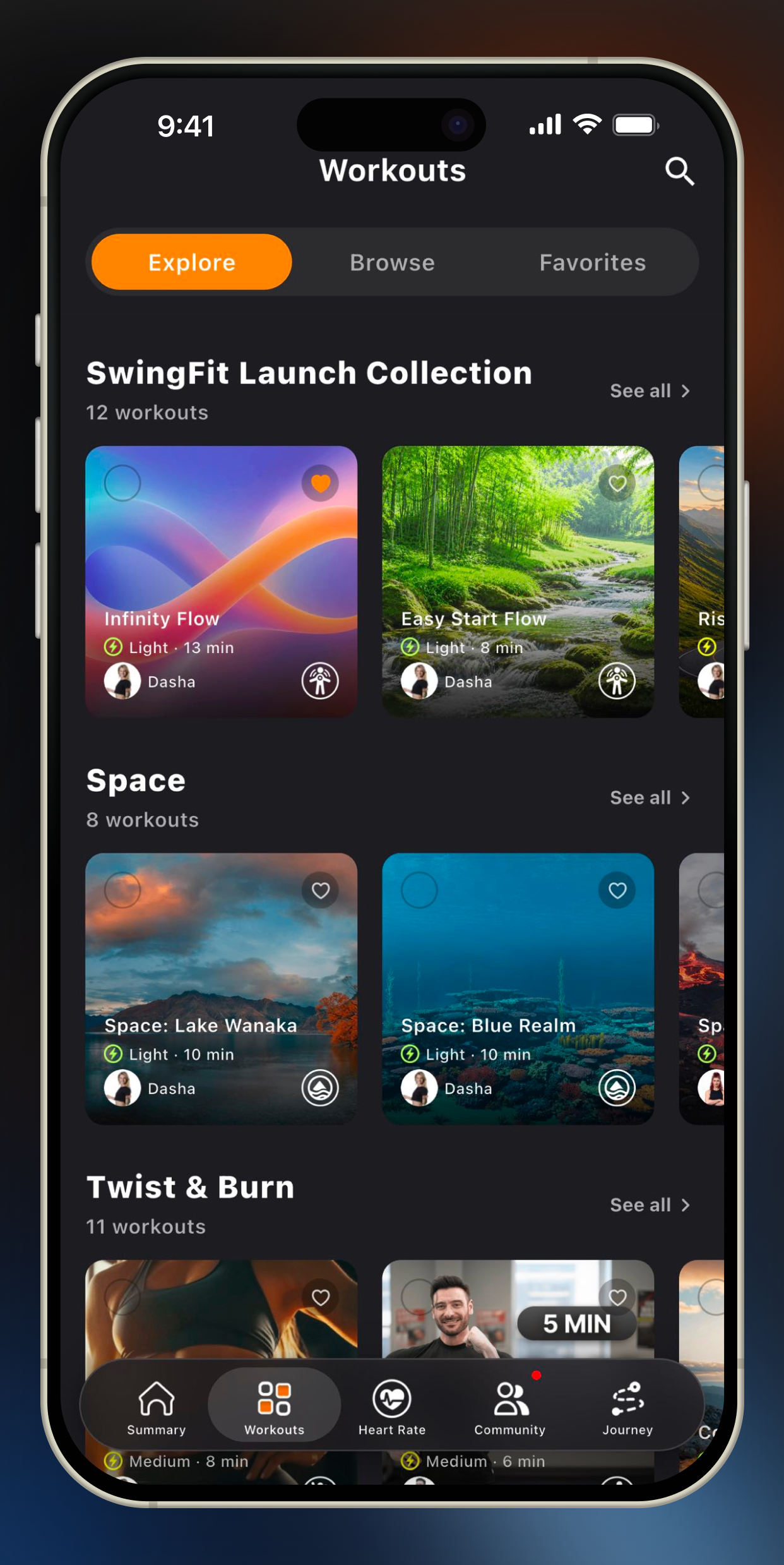
- Routine Management: Features for browsing the workout library, saving favorites, tracking streaks, and setting reminders, ensuring the fitness journey continues even when the headset is off.
Chronology: From Beta Testing to Global Launch
The development of the FunFitLand companion app followed a rigorous beta testing phase designed to solve the "last mile" problem of data synchronization. During the beta period, testers utilized various hardware configurations, with the Apple Watch serving as a primary testing ground for the iOS ecosystem.

The early stages of testing focused on the user interface (UI) placement. Early iterations placed the heart rate and progress data too close to the user’s focal point, leading to eye strain and the need for constant refocusing. Through iterative feedback, the development team refined the spatial positioning of these elements. However, the development remains an ongoing process; while many users requested a stationary "HUD" (Heads-Up Display), others preferred the data to follow their head movements.
Technical hurdles also marked the timeline. Beta testers reported occasional communication failures where the app would signal a disconnection despite the hardware being active. These reports allowed the engineering team to overhaul the error-reporting logic, ensuring that the app could distinguish between a physical sensor loss and a software-handshake failure.
At launch, the app is fully functional on Meta Quest and Apple Vision Pro, though social features—such as the "kudos" system—are currently exclusive to the Quest version. The developer has confirmed that parity for the Vision Pro version is a high-priority update scheduled for the near future.
Supporting Data: The Complexity of the Data Chain
The technical achievement of FunFitLand lies in its ability to manage a four-step data relay in near-real-time. Unlike traditional fitness apps that connect a watch directly to a phone, FunFitLand must move data through a more arduous path:
- The Wearable: Captures the pulse via optical or electrical sensors.
- The Smartphone App: Receives the data via Bluetooth.
- The Cloud Server: FunFitLand’s servers process the incoming data stream.
- The VR Headset: Receives the processed data via Wi-Fi and renders it into the 3D environment.
Founder Meng Zhang highlighted that the primary challenge wasn’t just the transmission, but the maintenance of the connection. "Making this feel seamless means getting Meta Quest, Apple, Google, and watch/strap manufacturers to cooperate in an order none of them designed for," Zhang noted. The app must navigate aggressive OS power management on smartphones, which often tries to kill background processes, and ensure that the Bluetooth connection between the watch and phone remains stable even as the user performs high-intensity movements.
The data provided to the user is also significantly more sophisticated than a simple BPM (beats per minute) counter. By categorizing effort into five heart rate zones—ranging from "Warm-up" to "Maximum"—the app provides the physiological context necessary for HIIT (High-Intensity Interval Training) and endurance training. This level of data is standard in professional cycling or running apps like Strava or Garmin Connect, but its native integration into a VR workout interface represents a new frontier for the medium.
Official Responses: Philosophy and Design Intent
Meng Zhang, the founder of FunFitLand, views the mobile app as a foundational shift in how VR fitness is perceived. He describes his design philosophy as "measure, then monitor, then motivate."
"Everything else on screen is the app’s measure of you: combo, accuracy, targets hit," Zhang explained. "Your heart rate is your body’s measure of YOU, and it doesn’t care how well you’re playing." This distinction is vital; it shifts the focus from "gaming the system" to "listening to the body."
When questioned about the lack of extensive customization options for the UI, Zhang provided a candid look at the challenges of small-team development and user experience design. "The lazy version of listening to users is a settings page with a hundred options, which just moves the design problem onto the person using the thing," he stated. Instead of overwhelming the user with toggles, the team is committed to analyzing user behavior to find the most intuitive "one or two options" that serve the majority of the community.
Furthermore, Zhang addressed the long-term vision for the app. While some competitors are using AI to dynamically adjust workout difficulty based on heart rate, FunFitLand is taking a more measured approach. The current goal is to "help people understand their own body first." The team is actively consulting with experts in rehabilitation and exercise physiology to ensure that future features—such as dynamic difficulty adjustment—are grounded in clinical science rather than marketing trends.
Implications: A New Standard for VR Fitness
The launch of the FunFitLand companion app signals a divergent strategy in the VR fitness market. To understand its impact, one must look at its primary competitors:
- FitXR: Recently expanded to smartphones by offering mobile-only workouts. Their strategy is to make fitness accessible without the headset, essentially competing with apps like Peloton or Nike Training Club.
- Supernatural: Offers a companion app with similar tracking and social features but has historically focused on the Meta ecosystem.
- FunFitLand: Is doubling down on the "Headset-Plus" model. By keeping the workouts exclusively in VR but using the phone to enrich that experience with biometrics and routine management, they are catering to the "power user" who views VR as their primary gym.
The implications for the Apple Vision Pro are particularly noteworthy. Zhang believes FunFitLand is the first native app on the Vision Pro to display live heart rate from a wearable during a workout and subsequently attach that data to the workout record. Given Apple’s focus on health and the "spatial computing" paradigm, this integration aligns perfectly with the hardware’s premium positioning.

Bridging the "Immersion Gap"
The most profound implication of this technology is the closing of the "immersion gap." For years, the biggest complaint regarding VR fitness was its isolation. Once the headset was on, the user was disconnected from their physical health data and their social circles. By allowing the phone to handle the "routine" (reminders, goals, and history) and the headset to handle the "effort," FunFitLand has created a continuous thread of engagement.
As Zhang put it, "Before this, FunFitLand was somewhere you visited… Now there’s a thread that stays open in between."
Future Prospects
Looking forward, the integration of heart rate data opens the door for VR to be used in supervised medical rehabilitation. If a therapist can monitor a patient’s heart rate in real-time while the patient performs "gamified" physical therapy in a headset, the potential for remote recovery increases significantly. While FunFitLand is currently a consumer-facing fitness app, the infrastructure they have built—linking wearables, mobile devices, and spatial computers—is a blueprint for the future of digital health.
In conclusion, FunFitLand’s expansion is more than just a software update; it is a statement of intent for the industry. It recognizes that for VR fitness to be taken seriously by the broader health community, it must move beyond simple motion tracking and embrace the complex, messy, and vital data of the human body. As the app continues to evolve, the focus remains clear: not just looking for the next "hot" feature, but finding the next thing that makes it easier for the user to keep going.