
The Sunset of a Hero Shooter: Analyzing the Shutdown of Impulse Gear’s Larcenauts
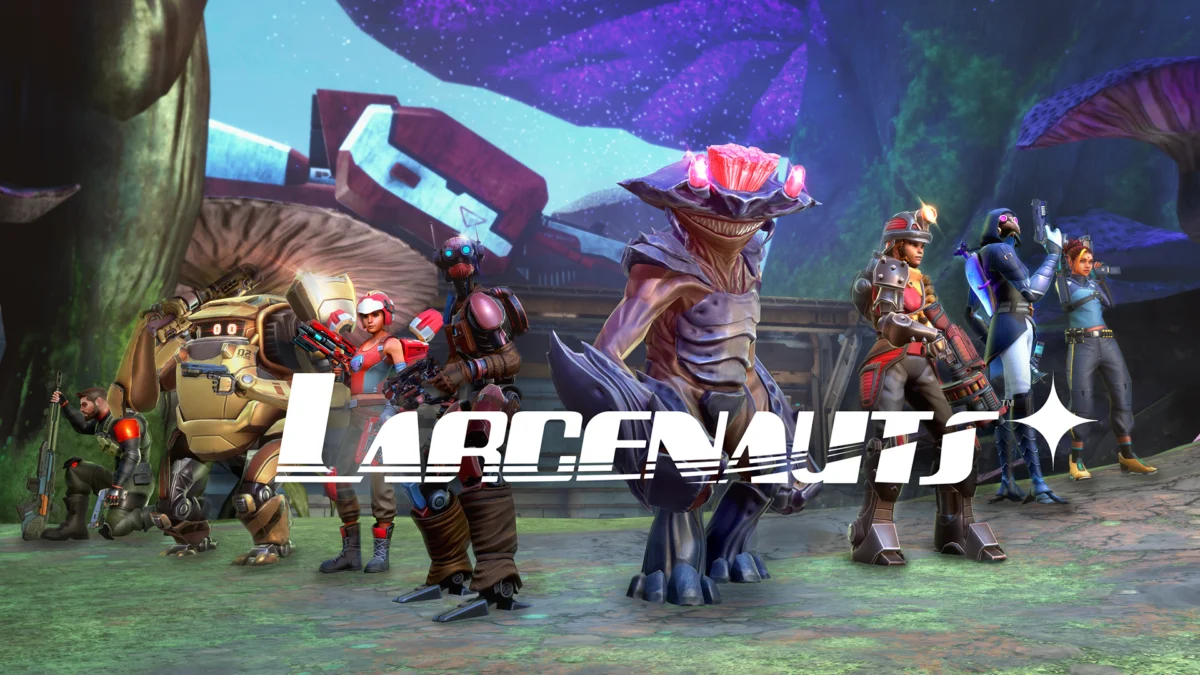
The landscape of virtual reality gaming is often described as a frontier—a space of immense potential where developers take significant risks to define new genres. However, like any frontier, it is also a place of high stakes and occasional casualties. The latest high-profile departure from this digital landscape is Larcenauts, the ambitious 6v6 hero shooter developed by Impulse Gear.
In a recent announcement that has sent ripples through the VR community, Impulse Gear confirmed that the servers for Larcenauts will be permanently deactivated on October 1, 2024. This move marks the end of a three-year journey for a title that aimed to translate the high-octane, character-driven success of "flat" games like Overwatch and Apex Legends into the immersive realm of virtual reality. As the game prepares to be delisted from the Steam and Meta Horizon stores, its story serves as a poignant case study in the challenges of live-service VR development.
Main Facts: The End of an Era
The shutdown of Larcenauts is not merely a pause in development but a total cessation of service. Because the game is built entirely around online multiplayer infrastructure, the shuttering of its servers on October 1 effectively renders the software unplayable.
Impulse Gear has indicated that the game will soon be removed from digital storefronts to prevent new players from purchasing a title with a looming expiration date. For existing owners, the window to experience the game’s unique cast of "Specialists" and its colorful, sci-fi environments is rapidly closing.
The decision follows a trend in the VR industry where multiplayer-only titles face an uphill battle to maintain a "critical mass"—the minimum number of concurrent players required to ensure quick matchmaking and balanced gameplay. Without this mass, the player experience degrades, leading to longer queue times and a subsequent exodus of the remaining community.
Chronology: From High Expectations to Final Sunset
To understand the downfall of Larcenauts, one must look back at its inception and the pedigree of its creators. Impulse Gear was no stranger to VR success; they were the team behind Farpoint, a seminal PlayStation VR title that successfully integrated the PSVR Aim Controller to create a compelling sci-fi shooter experience.
The Launch (June 2021)
When Larcenauts was first announced and subsequently released in June 2021, it arrived during a period of unprecedented growth for the VR industry. The Meta Quest 2 (then Oculus Quest 2) was flying off shelves, and the COVID-19 pandemic had created a captive audience looking for social, competitive digital outlets.
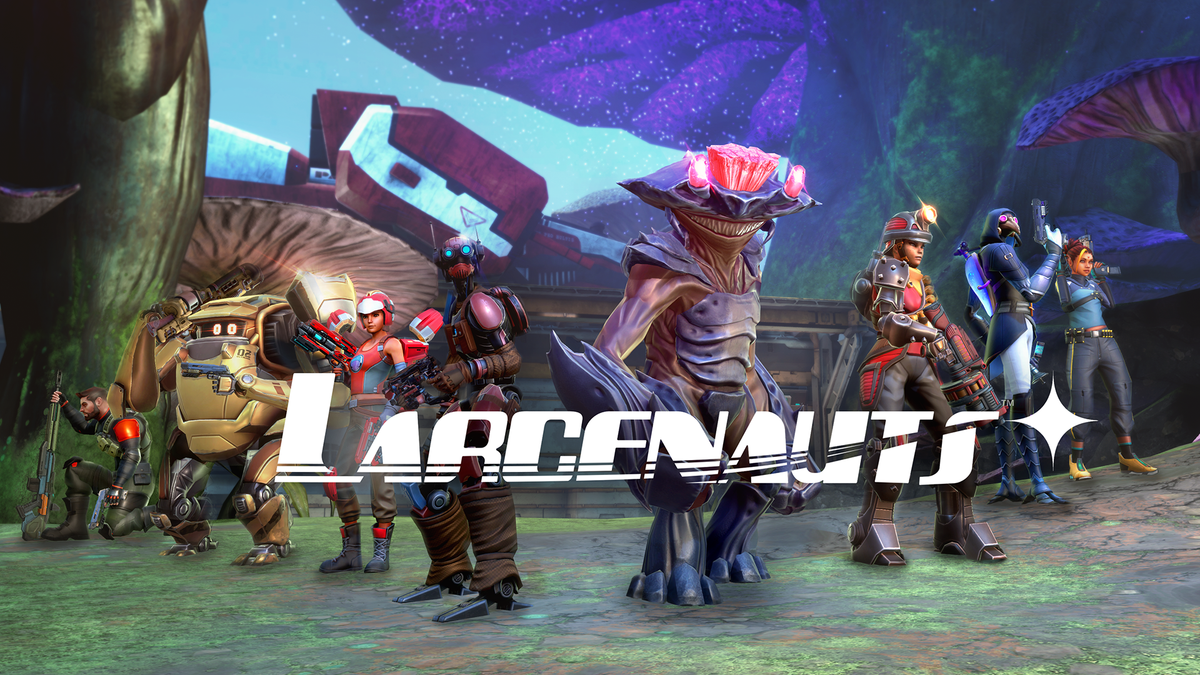
Larcenauts positioned itself as the "Overwatch of VR." It featured a diverse roster of characters, each with unique abilities, weapons, and ultimate moves. On paper, it was exactly what the VR market lacked: a polished, competitive team shooter with high production values.
The Friction of Immersion (2021-2022)
Upon release, the game received praise for its visual polish and character design but faced immediate criticism regarding its "VR-ness." Unlike competitors like Pavlov or Onward, which leaned heavily into manual weapon handling and physical interactions, Larcenauts initially opted for more "canned" animations.
Critics and players noted that reloading weapons or sprinting often took control away from the player’s physical hands, replacing them with pre-rendered animations. This design choice, intended to make the game more accessible and competitive, backfired with the core VR enthusiast crowd who felt it broke the "presence" that defines the medium.
Iteration and Pivot (2022-2023)
Impulse Gear was responsive to this feedback. In the months following the launch, they implemented "Manual Reload" updates and refined the physical interactions to better suit player expectations. They also introduced new maps, characters (such as the specialist "Salty"), and cross-play features to bridge the gap between SteamVR and Meta Quest users.
Despite these efforts, the momentum had already begun to stall. The competitive shooter market is notoriously fickle, and in VR, the barrier to entry (the headset itself) makes retaining a player base even more difficult.
The Final Announcement (2024)
By mid-2024, the writing was on the wall. While the game maintained a small, dedicated core of fans, the broader influx of new players had slowed to a trickle. The announcement of the October 1 shutdown serves as the final chapter in the game’s lifecycle.
Supporting Data: The Metrics of a Ghost Town
The most damning evidence of Larcenauts’ struggle can be found in its player statistics. In the world of online shooters, "Concurrent User" (CCU) counts are the lifeblood of the ecosystem.
According to data from Steam Charts, Larcenauts reached an all-time peak of just 42 concurrent players on the Steam platform. While this number does not account for the Meta Quest audience—which is widely considered to be significantly larger due to the Quest’s market dominance—it is a telling indicator of the game’s struggle for visibility on PCVR.
For a 6v6 shooter, a CCU of 42 is dangerously low. It implies that at any given moment on the Steam platform, there were barely enough players to fill three full matches globally. Even if the Quest numbers were ten or twenty times higher, the total player pool remained far below the thousands of concurrent users enjoyed by "flat" counterparts like Valorant or Apex Legends.
The disparity highlights a recurring issue in VR: the "Splintered Audience." Between SteamVR, the Meta Quest ecosystem, and the now-defunct Rift store, the already small VR player base is often divided, making it nearly impossible for mid-tier multiplayer titles to sustain a healthy matchmaking environment without massive marketing budgets or "viral" success.
Official Responses and Design Philosophy
While Impulse Gear has been professional in its communication regarding the shutdown, the community’s post-mortem analysis often returns to the game’s original design philosophy.
In various developer interviews during the game’s launch window, the team expressed a desire to focus on "gameplay feel" over "simulation realism." They argued that in a fast-paced hero shooter, manual reloads could be a point of frustration for casual players. However, this created a disconnect. The VR community, particularly in 2021, was composed largely of early adopters who craved the tactile complexity that only VR can provide.
Reviewers at the time, including those from UploadVR, pointed out this paradox:
"Impulse Gear seems strangely fond of taking control of a player’s hands as a means of imposing restrictions… When you reload, it’s a canned animation and not something you have any say in."
This "non-VR" feel haunted the game’s reputation. By the time the developers "fixed" these issues with manual reloading options, the "first impression" window had closed. In the modern gaming economy, a botched or divisive launch is often a terminal condition for live-service titles.
Implications: What This Means for the VR Industry
The death of Larcenauts is more than just the end of a single game; it is a cautionary tale for the future of VR development. Several key implications emerge from this event:
1. The "Hero Shooter" Curse in VR
Hero shooters require a massive amount of content to stay fresh—new heroes, seasonal events, and constant balancing. For a medium-sized studio like Impulse Gear, the "treadmill" of live-service content is incredibly demanding. The failure of Larcenauts suggests that the VR market may not yet be large enough to support multiple "Overwatch-style" clones simultaneously.
2. Immersion is Non-Negotiable
The backlash against Larcenauts’ canned animations proves that VR players value agency over "accessibility" shortcuts. Developers cannot simply port "flat" game mechanics into a headset; they must build from the ground up for the medium’s unique strengths. If a game doesn’t feel like VR, players would rather play a more polished version of that genre on a 4K monitor.
3. The Perils of Multiplayer-Only VR
We are seeing an increasing number of multiplayer VR games shut down (such as Echo VR by Ready at Dawn/Meta). This trend suggests a shift in the market toward single-player experiences, co-op adventures, or "social hubs" (like VRChat or Rec Room) where the gameplay is secondary to the social interaction. For an indie or mid-tier dev, betting everything on a competitive multiplayer loop is becoming an increasingly risky proposition.
4. The Need for "Flat-to-VR" Crossplay
As the industry moves forward, we may see more titles adopting a hybrid approach—games that are playable both on standard screens and in VR. This allows a game to tap into the massive "flat" gaming audience to maintain server populations while offering an enhanced, immersive experience for VR users.
Conclusion
Larcenauts was a game of high ambitions and undeniable polish. Its character designs were vibrant, its world-building was intriguing, and its core shooting mechanics—once refined—were competent. Yet, it fell victim to a combination of design-language mismatches and the harsh realities of the VR market’s limited scale.
As the October 1 deadline approaches, players are encouraged to jump back into the "Nox" for a few final rounds. While the servers may be going dark, the lessons learned from Larcenauts will undoubtedly influence the next generation of VR developers as they continue to figure out exactly what makes a virtual world worth staying in. For Impulse Gear, the focus will now shift to future projects, carrying with them the experience of one of VR’s most notable attempts at the hero shooter crown.



Leave a Comment