The Foldable iPhone Era Dawns: Are Our Thumbs Prepared for the Strain?

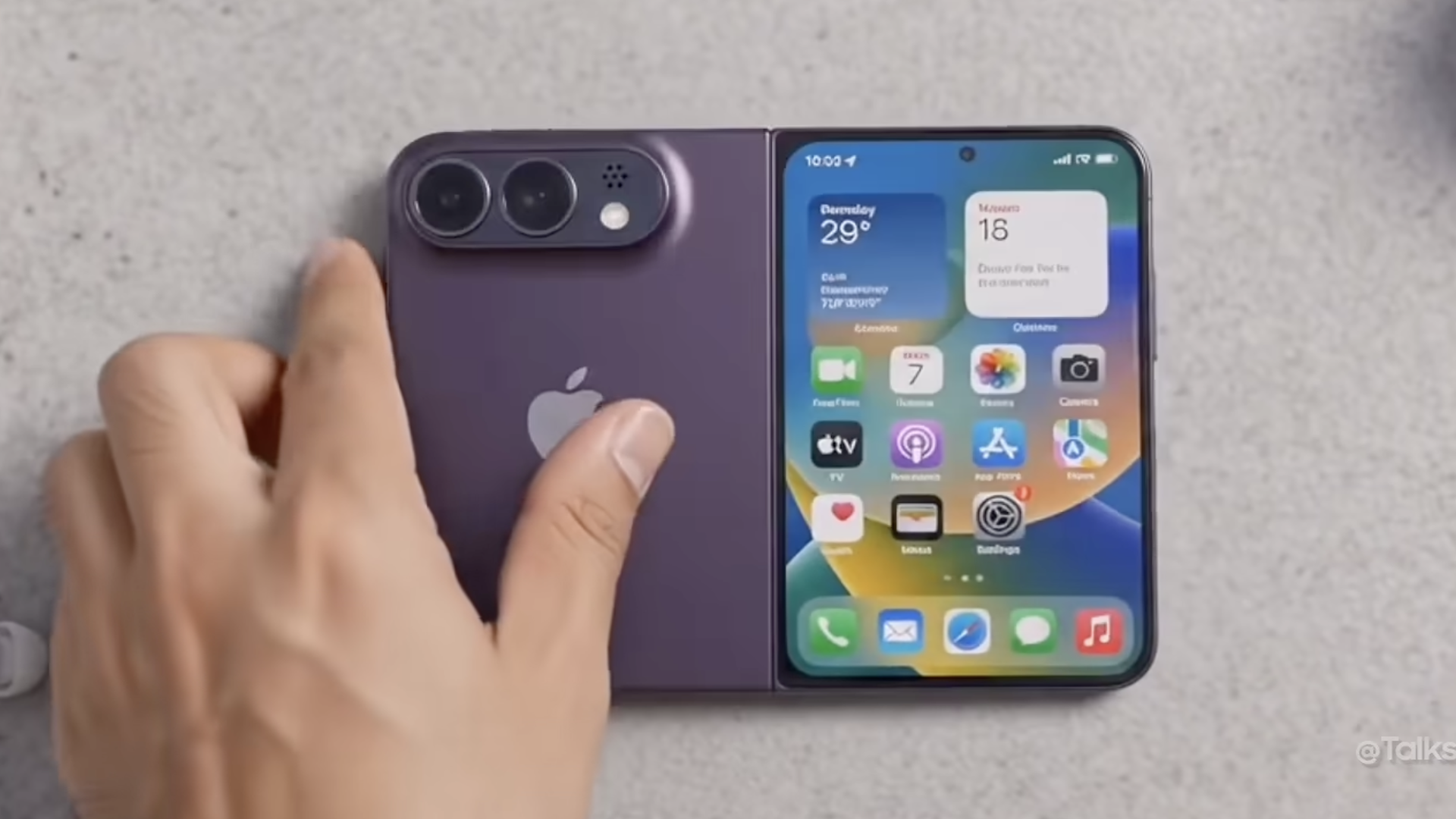
The tech world has been abuzz with anticipation for what many are calling the "iPhone Ultra," "iPhone Fold," or "iPhone Flip." After years of speculation and on-again, off-again rumors, it appears Apple is finally poised to enter the foldable smartphone arena. While the exact name and specifications remain under wraps until its potential unveiling this week, the prospect of a foldable iPhone has ignited excitement among consumers and tech enthusiasts alike. However, beyond the sleek new design and advanced features, a growing concern is emerging: the potential physical toll these devices could exact on our hands, particularly our thumbs.
The Looming Specter of "Thumb Strain"
For years, smartphone users have grappled with minor physical discomforts associated with prolonged device usage. The term "iPhone pinky" has become a colloquialism for the sore or discolored little finger that can result from supporting the weight of a standard smartphone during extended scrolling sessions. Now, as foldable phones, potentially heavier and bulkier, enter the mainstream, a new concern is taking root: the impact on our thumbs.
Musculoskeletal physical therapist Martin Ratcliffe, speaking with mobile phone recycling comparison site Compare and Recycle, has voiced concerns that the anticipated increased weight of a foldable iPhone could exacerbate existing hand strain issues and introduce new ones. Leaks suggest that the forthcoming foldable iPhone could weigh as much as 78 grams more than the standard iPhone 17 when folded. While this might seem like a negligible difference, Ratcliffe points out that the cumulative effect of this added weight, coupled with repetitive use, can lead to significant discomfort and potential injury.
A History of Hand Strain in the Foldable Market
This concern is not unfounded. Users of existing foldable smartphones, such as Samsung’s Galaxy Z Fold series, have already reported experiencing hand and thumb discomfort. Online forums and communities dedicated to these devices are replete with discussions about aching and stinging hands after prolonged use. This anecdotal evidence underscores the potential for a more widespread issue as foldable technology becomes more prevalent.
Ratcliffe elaborates on the physiological impact: "After several hours of use, the continued strain from the added weight can lead to fatigue and increase tension on the tissues, particularly the tissue around the thumb, which is the main finger used to navigate devices. Furthermore, the grip position may change because of the phone’s foldable design. Overall, although the additional weight may be small, the repetitive strain and low-grade tension may lead to further stress and injury to surrounding tissues and joints."
The unique form factor of foldable phones necessitates different gripping techniques. The act of unfolding and refolding, combined with the larger surface area and increased weight, can alter the natural posture of the hand, placing undue stress on the thumb and surrounding metacarpophalangeal (MCP) and carpometacarpal (CMC) joints. These joints are crucial for the thumb’s dexterity and strength, making them particularly vulnerable to repetitive strain injuries.
The Anatomy of Thumb Strain
The thumb, with its unique saddle joint at the base (CMC joint), is remarkably mobile, allowing for opposition and precise movements essential for interacting with touchscreens. However, this mobility also makes it susceptible to conditions like De Quervain’s tenosynovitis, an inflammation of the tendons that run along the thumb side of the wrist. Prolonged and forceful thumb movements, especially when supporting additional weight, can irritate these tendons.
The repetitive flexing and extending of the thumb, coupled with the static tension required to hold a heavier device, can lead to micro-tears in the muscle fibers and connective tissues. Over time, these micro-tears can accumulate, resulting in inflammation, pain, and reduced functionality. The "doomscrolling" phenomenon, where users spend hours passively consuming content, exacerbates this risk by prolonging the period of static strain on the hand.
Anticipating Apple’s Entry: Design Considerations and Potential Solutions
While Apple has a reputation for meticulous design and user experience, the introduction of a foldable device presents a unique set of challenges. The company is known for its focus on ergonomics, and it’s likely that significant R&D has gone into mitigating potential physical discomfort. However, the inherent physics of a larger, heavier, and foldable device cannot be entirely ignored.
One might speculate about potential design features that Apple could incorporate to alleviate thumb strain. These could include:
- Optimized Weight Distribution: While the overall weight might increase, careful distribution of that weight could make it feel more balanced and less taxing to hold.
- Ergonomic Grip Enhancements: Subtle contours or textured surfaces on the device’s frame could provide a more secure and comfortable grip, reducing the need for excessive thumb pressure.
- Software-Assisted Navigation: Apple could potentially introduce software features that minimize the need for extensive thumb movement, perhaps through enhanced voice control or gesture-based navigation that utilizes other fingers or a stylus.
- Accessory Integration: The introduction of a compatible stylus or a specially designed case could offer alternative ways to hold and interact with the device, thereby distributing the load and reducing direct thumb strain.
Expert Advice for a Healthier Digital Life
In the meantime, as we await the official reveal of Apple’s foldable offering, the advice from experts like Martin Ratcliffe remains crucial for all smartphone users, especially those considering a switch to a foldable device.
Ratcliffe strongly advocates for proactive measures to prevent digital strain: "Take breaks every 30-45 minutes to reduce the risk of tendon and muscle strains. During these breaks, I recommend people put the phone down and look away to ensure a proper rest. People should stretch their palms and shake their hands for a few seconds to promote increased blood flow. Stretching each digit supports muscle repair and reduces tension."
These simple yet effective habits can make a significant difference in preventing chronic pain and long-term injury. Incorporating micro-breaks into daily routines, consciously relaxing the grip on the device, and performing gentle stretches can help maintain hand health.
The Chronology of Foldable Technology and User Experience
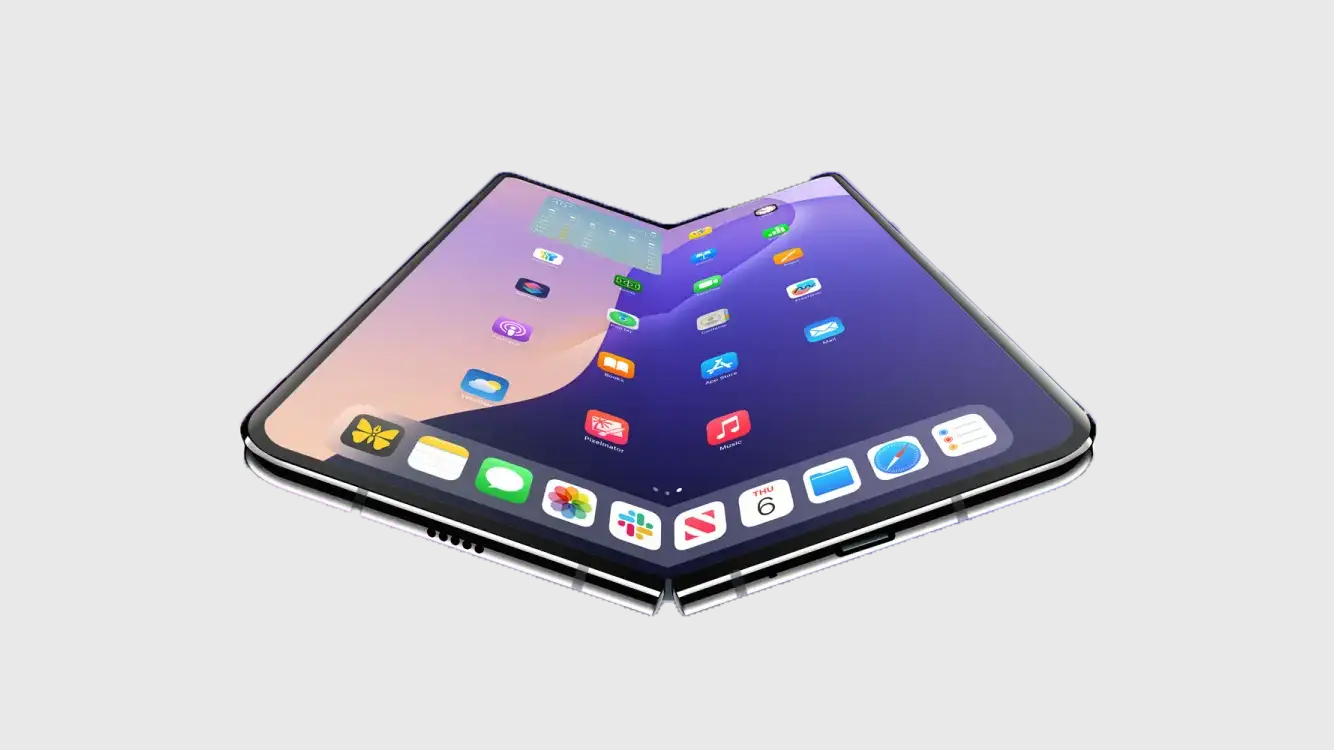
The journey towards foldable smartphones has been a long and winding one, marked by technological hurdles and evolving consumer expectations. Early attempts at foldable devices were often met with skepticism due to concerns about durability and usability. However, advancements in screen technology, hinge mechanisms, and battery life have gradually improved the foldable experience.
- Early Prototypes and Concepts: The idea of a foldable phone has been explored for decades, with early concepts appearing in science fiction and experimental designs.
- The Dawn of Commercial Foldables: Samsung emerged as a pioneer in the modern foldable era with the launch of the Galaxy Fold in 2019. This device, while groundbreaking, faced initial criticism for its durability and a high price point.
- Iterative Improvements: Subsequent generations of Samsung’s Fold and Flip devices, along with offerings from other manufacturers like Motorola and Huawei, have seen significant improvements in hinge design, screen resilience, and overall user experience.
- The Rise of User Complaints: As foldable phones gained traction, so too did reports of physical discomfort among users, particularly concerning hand strain and thumb fatigue. Online communities became a hub for sharing these experiences.
- Apple’s Imminent Entry: After years of reportedly developing its own foldable technology, Apple is now rumored to be on the verge of releasing its first foldable iPhone, potentially this week. This move is expected to legitimize the foldable market further and bring the technology to a wider audience.
Supporting Data and Market Trends
The global foldable smartphone market has been on a steady upward trajectory. While still a niche segment compared to traditional smartphones, its growth rate is impressive. Industry analysts predict continued expansion, driven by technological advancements and increasing consumer interest in innovative form factors.
- Market Growth: Reports from various market research firms consistently show year-over-year growth in foldable smartphone shipments. For instance, Counterpoint Research projected that shipments of foldable smartphones would grow by over 50% annually in the coming years.
- Consumer Interest: Surveys indicate a growing segment of consumers who are either considering purchasing a foldable phone or are intrigued by the technology. This interest is often fueled by the desire for larger screen real estate in a portable form factor.
- Technological Maturation: The continuous improvement in flexible display technology, the refinement of hinge mechanisms, and enhanced battery efficiency are making foldable phones more practical and appealing to a broader audience.
However, this market growth must be viewed in conjunction with the user experience data. The recurring theme of hand strain suggests that while the technology is advancing, the human-device interaction aspect requires further attention.
Official Responses and Industry Perspectives
As of this writing, Apple has not officially commented on the rumors surrounding its foldable iPhone or any potential ergonomic concerns. The company typically maintains a tight lid on its product development until official launch events.
However, the broader tech industry is aware of the challenges associated with foldable devices. Manufacturers are continuously working on improving the ergonomics and durability of their foldable offerings. The focus on user health and well-being is becoming increasingly important across all consumer electronics.
- Manufacturer Innovation: Companies like Samsung have introduced features like "Flex Mode" on their Galaxy Z Flip devices, which allows the phone to be used in a semi-folded state, potentially reducing the need for a tight grip. They are also investing in lighter and more durable materials.
- Ergonomic Research: It is highly probable that Apple, known for its extensive user research, has conducted significant studies on how users interact with foldable devices and has incorporated findings into their design process to mitigate physical strain.
- Health and Wellness Focus: The tech industry as a whole is increasingly prioritizing user health and wellness. This trend is likely to influence the design and marketing of future devices, including foldables.
Implications for the Future of Mobile Technology
The impending arrival of a foldable iPhone carries significant implications for the future of mobile technology.
- Mainstreaming Foldables: Apple’s entry is expected to propel the foldable market into the mainstream, making the technology more accessible and appealing to a wider demographic. This could lead to increased competition and faster innovation in the foldable space.
- Rethinking Ergonomics: The potential for widespread thumb strain could force manufacturers to prioritize ergonomic design more heavily. This might lead to a paradigm shift in how smartphones are designed, with a greater emphasis on comfortable and sustainable usage.
- The Rise of "Digital Wellness" Features: We may see a surge in software and hardware features specifically designed to promote digital wellness, helping users manage their device usage and mitigate physical strain.
- Evolving User Expectations: As consumers become more aware of the potential health implications of technology, their expectations for device design will likely evolve. Comfort and usability will become as crucial as processing power and camera quality.
The foldable iPhone era is upon us, promising innovation and a new way to interact with our digital lives. While the excitement is palpable, it is imperative to remain mindful of the potential physical repercussions. By understanding the risks, embracing expert advice, and anticipating the solutions that manufacturers will undoubtedly implement, we can navigate this exciting new chapter in mobile technology with both innovation and well-being in mind. The question is not just "what can it do?" but also, "how does it feel to hold and use?" For our thumbs, this is a question that truly matters.