Apple Unveils the iPhone Duo: A Bold Leap into the Foldable Future, But at What Cost for Creatives?

For years, the tech world buzzed with speculation, anticipation, and a healthy dose of skepticism surrounding Apple’s entry into the foldable smartphone market. Whispers of an "iPhone Fold" or "iPhone Ultra" dominated tech forums and design discussions, with virtually everyone offering their own prediction of its form and function. Today, that prolonged period of conjecture has finally come to an end. Apple has officially pulled back the curtain on its revolutionary foldable device, and in doing so, has not only redefined its own product strategy but also presented a fascinating new proposition for digital creators.
The most immediate surprise came with the device’s moniker: the iPhone Duo. Eschewing the "Ultra" or "Fold" nomenclature that had become synonymous with folding phones, Apple has deliberately chosen a name that emphasizes the device’s inherent duality. This isn’t just another iteration of the iPhone; it’s marketed as a two-in-one, a convergence of distinct functionalities designed to offer a more versatile user experience. This strategic branding hints at a deeper philosophy behind the device’s creation, moving beyond simply a larger, folding screen to a device that actively bridges two established product categories.
The Genesis of the Duo: A Tale of Two Devices
Apple’s marketing for the iPhone Duo has been notably unconventional, leaning into a playful, almost whimsical narrative to explain its conception. A recent TikTok video, titled "The making of iPhone Duo," depicted a rather anthropomorphic iPhone Air and an iPad mini engaging in a romantic candlelit dinner. The overt, and rather surprising, implication? These two beloved Apple products came together, quite literally, to conceive the iPhone Duo.
While this creative approach has been met with amusement and a touch of bewilderment from the public – with comments ranging from "I’d never thought Apple would make an advert like this" to playful exclamations of Apple’s newfound "dirty dawggg" persona – it serves a crucial purpose. It confirms Apple’s internal vision: the iPhone Duo is not merely a foldable phone, but a fusion of the ultra-portable iPhone Air and the compact, capable iPad mini. This "two-in-one" narrative is central to understanding Apple’s positioning of this ambitious new device.
Unpacking the Duo: Design, Display, and the Price of Convergence
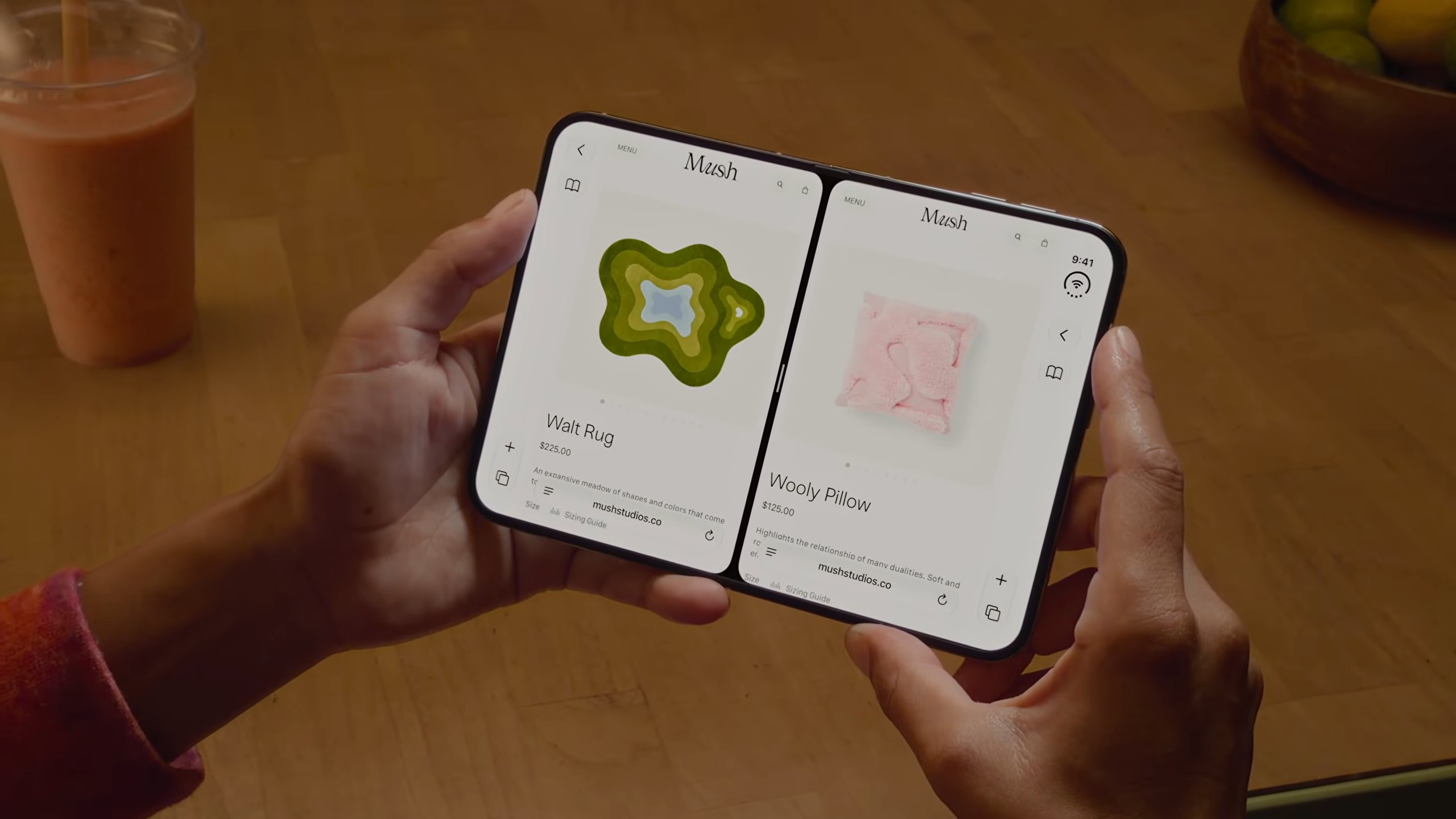
The iPhone Duo boasts a substantial 7.6-inch internal display when unfolded. This screen real estate is deliberately close to the 8.3-inch display of the iPad mini, clearly signaling Apple’s intent to bridge the gap between smartphone and small tablet functionality. This expansive canvas opens up new possibilities for multitasking, content consumption, and, crucially, creative workflows. However, the convergence comes with immediate trade-offs that warrant careful consideration, particularly for professionals who rely on the distinct strengths of both an iPhone and an iPad.
One of the most significant points of divergence lies in stylus support. While the iPhone Duo’s larger screen might tempt creatives to reach for a digital pen, Apple has stipulated that it will only support the Apple Pencil with USB-C. This means that users seeking the advanced features and precision of the Apple Pencil (2nd generation), often favored by artists and designers for its pressure sensitivity and magnetic charging capabilities, will be disappointed. This decision may inadvertently limit the Duo’s appeal to a segment of the creative market that prioritizes the most sophisticated digital drawing and note-taking tools.
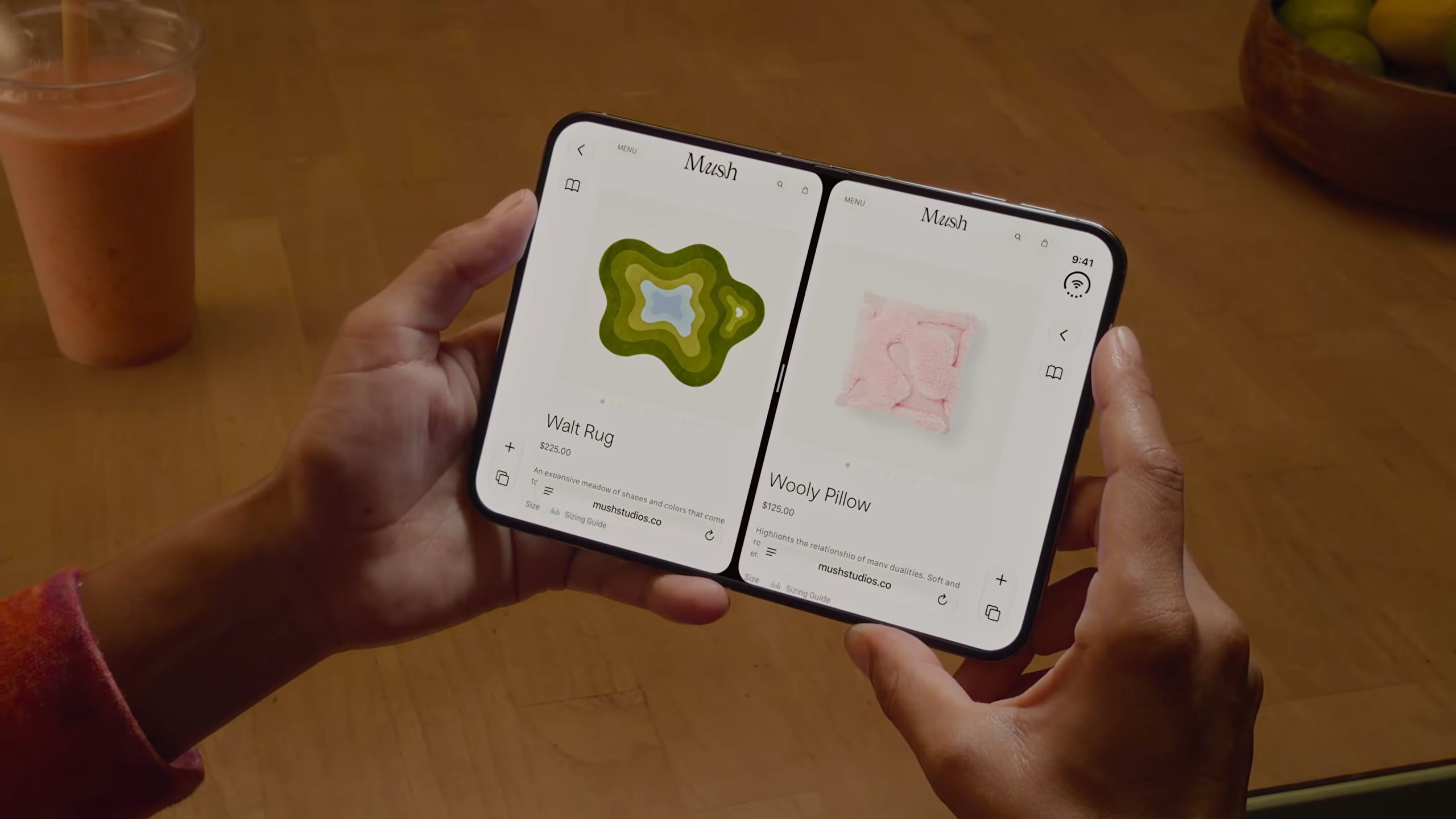
Furthermore, the economic argument for the Duo is also complex. The device enters the market with a hefty starting price of $2,000. This figure is substantial enough that one could purchase a high-end iPhone and an iPad mini separately for a combined cost potentially under $1,500. This raises a critical question for consumers and creatives alike: is the convenience of a single, foldable device worth the additional $500 premium? The answer will undoubtedly depend on individual usage patterns and the perceived value of seamless integration versus the flexibility and potentially lower cost of separate devices.
Implications for the Creative Professional: A New Paradigm or a Compromise?
The iPhone Duo presents a fascinating conundrum for creatives. On one hand, the larger, foldable display offers unprecedented versatility. Imagine editing photos on a larger canvas, sketching out ideas with more space, or reviewing complex designs with greater clarity – all within a single, pocketable device. This has the potential to streamline workflows, reducing the need to constantly switch between different devices for different tasks. The expanded screen real estate could significantly enhance productivity for mobile creatives who are often on the go.
However, the limitations imposed by the Apple Pencil support are a significant concern. For graphic designers, illustrators, and digital artists, the Apple Pencil (2nd generation) is more than just an accessory; it’s an extension of their digital toolkit. The omission of support for this more advanced stylus could render the iPhone Duo less appealing for those whose creative output relies heavily on nuanced digital input. This decision suggests that while Apple is embracing the "foldable" aspect, it may not be fully prioritizing the "pro-creative" aspect of this new form factor.
The decision to combine an "iPhone Air" and an "iPad mini" also raises questions about the compromise inherent in such a fusion. While the Duo aims to offer the best of both worlds, it’s possible that it may not excel in either category as much as its dedicated counterparts. The iPhone experience might feel slightly less streamlined due to the larger form factor when folded, and the iPad mini experience might be slightly less refined due to software optimizations geared towards a more traditional phone interface.
The success of the iPhone Duo will hinge on Apple’s ability to foster an ecosystem of apps and software that truly leverage the unique capabilities of a foldable device. Developers will need to adapt their applications to take full advantage of the larger, dynamic screen, enabling seamless transitions between folded and unfolded states, and offering intuitive multitasking features. If developers embrace this challenge, the iPhone Duo could usher in a new era of mobile productivity and creativity.
The Road Ahead: Await and Assess
Ultimately, a definitive judgment on the iPhone Duo’s place in the market, and particularly its impact on creatives, must await hands-on experience. Only by putting the device through its paces can we truly ascertain whether it lives up to Apple’s ambitious vision. Does it successfully bridge the gap between smartphone and tablet? Does it offer a compelling enough experience to justify its premium price point? And most importantly, can it truly serve the diverse and demanding needs of creative professionals, or does it represent a series of compromises that ultimately hinder rather than help?
One thing is certain: the iPhone Duo has undoubtedly complicated the landscape for creatives. It introduces a new, intriguing option that promises greater flexibility but also presents potential limitations. As the tech world gears up for the official launch and reviews begin to pour in, the true potential and pitfalls of Apple’s foldable future will become much clearer. For now, the iPhone Duo stands as a bold statement from Apple, a significant step into uncharted territory, and a device that will undoubtedly spark further debate and innovation in the ever-evolving world of personal technology.
Supporting Data and Market Context
The foldable smartphone market, while still nascent, has seen significant growth in recent years. Competitors such as Samsung with its Galaxy Z Fold series and Z Flip series, and Motorola with its Razr, have paved the way, demonstrating consumer interest in flexible displays. These devices have typically been positioned as premium offerings, catering to early adopters and those seeking cutting-edge technology.
Apple’s entry, even at a $2,000 price point, is not entirely unexpected given the trend. The reported success of these competing devices suggests a viable market exists for this form factor. However, Apple’s historical approach has often been to refine existing technologies and introduce them to the mainstream with a polished user experience and a robust ecosystem. The iPhone Duo is a clear indication that Apple believes the foldable technology has reached a point where it can deliver on that promise.
The choice of the Apple Pencil (USB-C) over the Apple Pencil (2nd generation) is particularly noteworthy. The latter offers superior functionality and is deeply integrated into Apple’s pro-level creative workflows on devices like the iPad Pro and iPad Air. By limiting support to the USB-C version, Apple might be signaling a tiered approach to its foldable device, potentially reserving full stylus integration for future, higher-end iterations or indicating that the primary use case for the Duo is not intensive digital art creation.
Official Responses and Market Analysis
While specific "official responses" from Apple regarding the nuances of creative workflows on the iPhone Duo are likely to emerge with official product reviews and marketing materials, the company’s strategic branding speaks volumes. The "two-in-one" narrative, exemplified by the playful TikTok ad, is a clear attempt to define the device’s unique value proposition. By positioning it as a fusion of the iPhone Air and iPad mini, Apple is aiming to capture users who might currently carry both devices or who desire a single, more versatile gadget.
Market analysts will be closely watching adoption rates and user feedback. Key metrics will include sales figures, app developer engagement with the foldable form factor, and the extent to which the iPhone Duo cannibalizes sales of existing iPhone and iPad models. The pricing strategy, while high, aligns with the premium positioning of foldable devices, suggesting Apple is targeting a segment of the market willing to pay for innovation and a novel user experience.
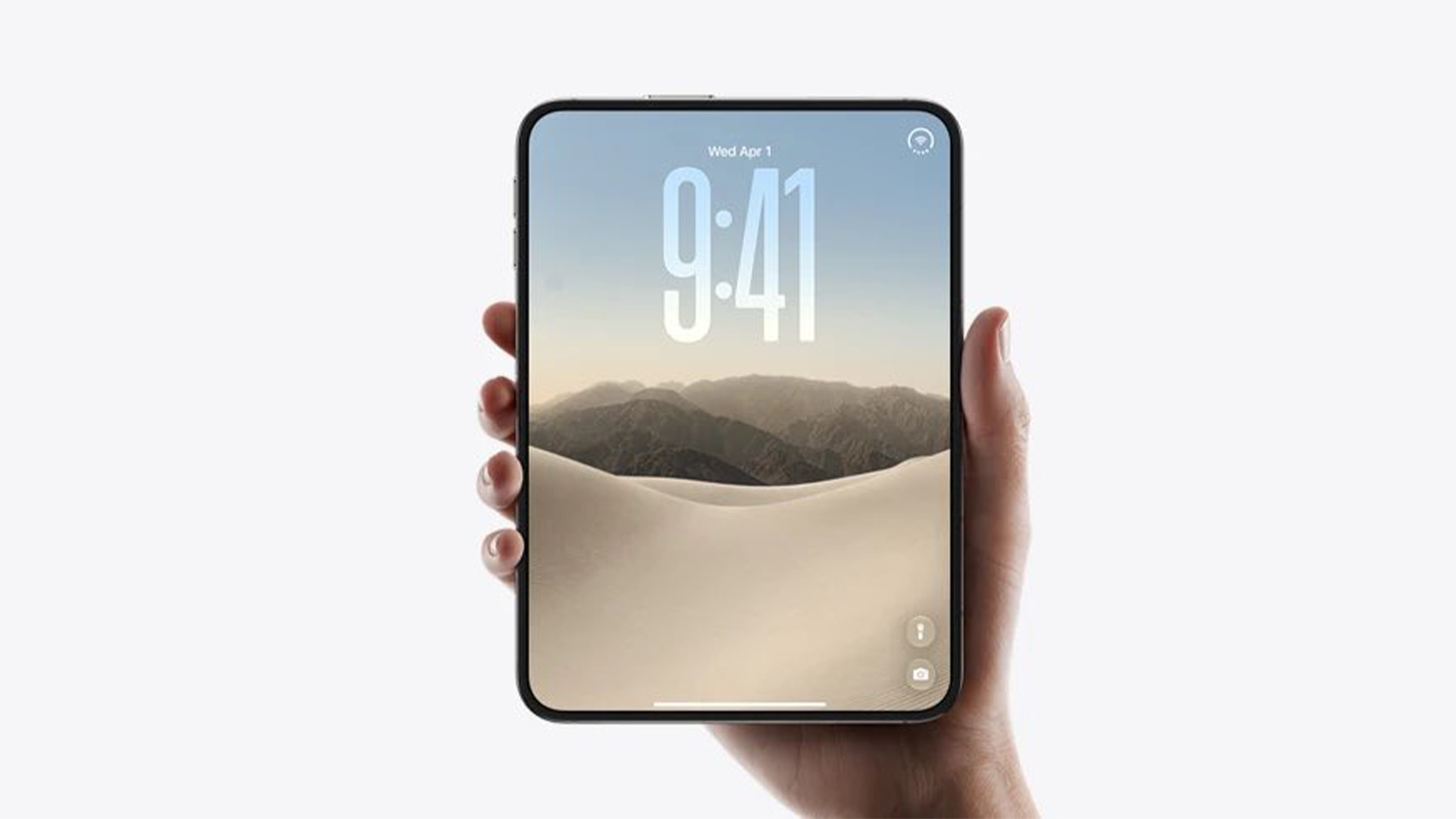
The success of the iPhone Duo could also influence the broader trajectory of smartphone design. If Apple’s approach proves successful, it could accelerate the adoption of foldable technology across the industry, potentially leading to more affordable and diverse foldable options in the future. Conversely, if the Duo faces significant challenges or fails to resonate with consumers, it could prompt a more cautious approach to foldable innovation from other manufacturers.
The Lingering Question: Is it Worth the Leap for Creatives?
For the creative professional, the iPhone Duo presents a tantalizing proposition laden with caveats. The prospect of a larger, more adaptable screen for sketching, editing, and reviewing content on the go is undeniably appealing. However, the restricted stylus support and the significant price tag introduce elements of compromise that cannot be overlooked.
The decision to invest in the iPhone Duo will ultimately depend on an individual’s workflow and priorities. For those who primarily use their devices for casual drawing, note-taking, or tasks that don’t demand the absolute pinnacle of stylus precision, the Duo might offer a compelling, integrated solution. For the professional digital artist, illustrator, or designer who relies on the Apple Pencil (2nd generation) for intricate work, the current iteration of the iPhone Duo may not be a viable replacement for their existing iPad setup.
The market will need to evolve, and so too will the software that powers these devices. Apple’s commitment to fostering an app ecosystem that truly embraces the foldable form factor will be crucial. Until then, the iPhone Duo stands as a testament to Apple’s willingness to push boundaries, offering a glimpse into the future of mobile computing, even if that future still requires some fine-tuning for the most demanding creative users. The journey of the iPhone Duo has just begun, and its true impact will unfold, much like its screen, over time.