The New Vanguard of Terror: Josh Giuliano and the Strategic Evolution of the TIFF Midnight Madness Pipeline
Main Facts: The Rise of a New Horror Auteur
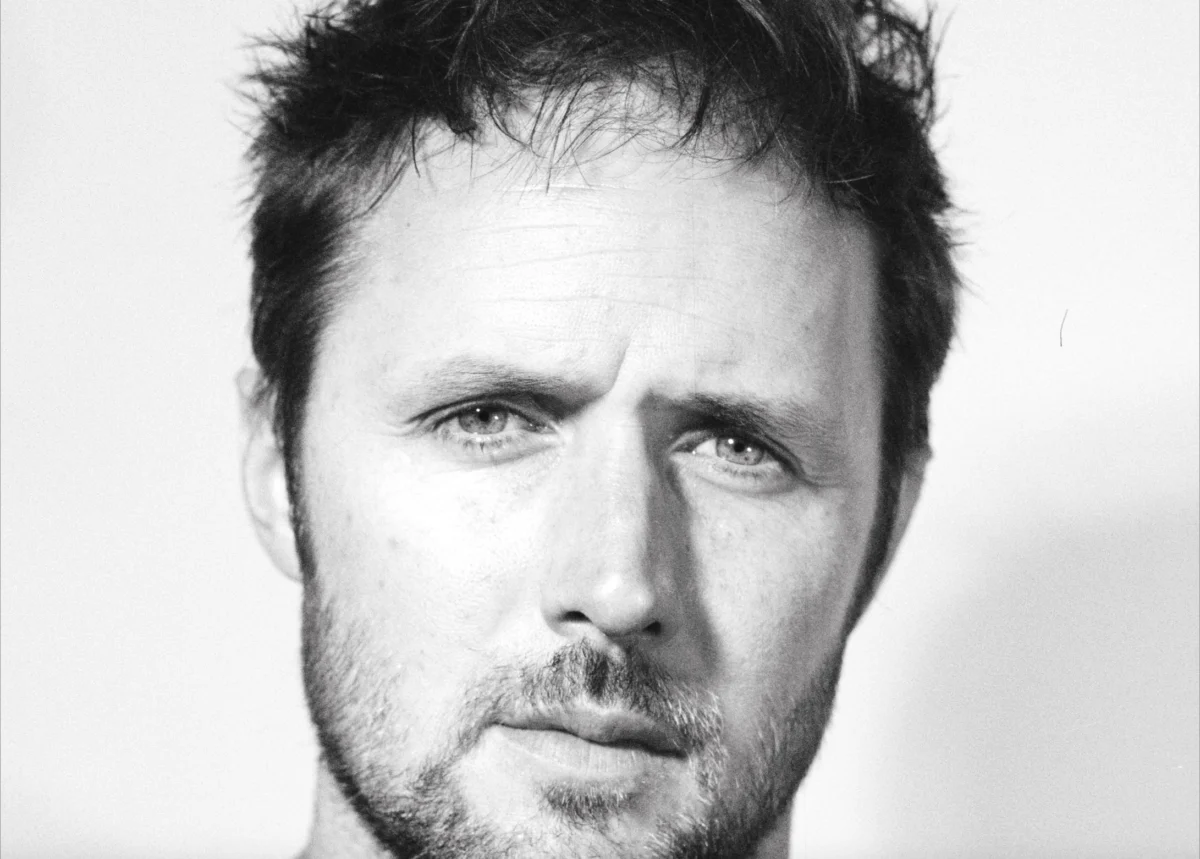
The Toronto International Film Festival (TIFF) has long served as a prestigious launching pad for Academy Award contenders, but in recent years, its "Midnight Madness" program has transformed into something arguably more lucrative: a high-stakes scouting ground for the next generation of horror maestros. This year, the industry’s collective gaze fell upon Josh Giuliano. Following the electrifying premiere of his feature directorial debut, River, a coalition of horror’s most influential power players—Blumhouse Atomic Monster, Focus Features, Divide/Conquer, and Spooky Pictures—announced they have officially signed Giuliano for his sophomore effort, titled Occupant.
The deal, struck on the heels of River’s Thursday night debut, signals more than just a vote of confidence in a single filmmaker; it represents the solidification of a new Hollywood "gold rush." Studios are no longer merely looking for completed films to distribute; they are hunting for the creative DNA that can spark the next multi-hundred-million-dollar franchise. While the specific plot details of Occupant remain strictly under wraps, the industry pedigree backing the project suggests that Giuliano is being positioned as a central figure in the next wave of elevated, commercially potent horror.
Chronology: From Viral Foundations to Festival Frenzy
To understand the speed and scale of Giuliano’s ascent, one must look at the timeline of the "Midnight Madness" scouting phenomenon, which has reached a fever pitch over the last twenty-four months.
The precedent was set at TIFF 2025, when Focus Features and the newly merged Blumhouse Atomic Monster identified Curry Barker’s Obsession as a potential sleeper hit. The film was acquired mid-festival, launched into a global marketing blitz, and eventually defied all box office projections by grossing a staggering $512.6 million worldwide. This success wasn’t an isolated incident. Shortly thereafter, Kane Parsons—a filmmaker who rose to prominence through the digital-first "analog horror" movement—saw his project The Backrooms (produced by Blumhouse Atomic Monster and distributed by A24) rake in $394.1 million.
By the time the 2026 festival season arrived, the atmosphere in Toronto was predatory. Major studios arrived with a mandate to find "the next Barker" or "the next Parsons." Josh Giuliano entered this environment with a reputation built on a series of acclaimed short films that had been circulating within the horror community.
Sam Zimmerman, the former Shudder tastemaker who transitioned to Blumhouse Atomic Monster earlier this year to oversee their emerging filmmakers’ feature slate, had been tracking Giuliano’s trajectory for some time. Zimmerman’s strategy involved identifying talent whose short-form work demonstrated a mastery of tension and visual economy. He facilitated the connection between Giuliano and the production duo of Greg Gilreath and Adam Hendricks at Divide/Conquer.
The timeline culminated this week at TIFF. As the credits rolled on River, the machinery of the studio system moved with uncharacteristic speed. Within hours of the premiere, the multi-studio deal for Occupant was finalized, effectively securing Giuliano’s future before his debut film had even secured its full theatrical footprint.

Supporting Data: The Economics of Modern Horror Scouting
The aggressive pursuit of Josh Giuliano is backed by hard data that justifies the high-risk, high-reward nature of these talent-based deals. The horror genre continues to be the most reliable ROI (Return on Investment) generator in a volatile theatrical market.
The Benchmark of Success
- Curry Barker’s Obsession: Purchased as a low-budget acquisition; global gross of $512.6 million. The success was so profound that Focus Features immediately greenlit Barker’s follow-up, Anything but Ghosts.
- Kane Parsons’ The Backrooms: A digital-to-theatrical crossover that earned $394.1 million globally. It proved that "internet-native" horror concepts could translate into massive traditional box office returns.
The Power of the Production Partners
The syndicate backing Giuliano represents a "Dream Team" of horror infrastructure:
- Blumhouse Atomic Monster: The combined might of Jason Blum’s low-budget efficiency and James Wan’s blockbuster sensibilities. Their recent track record includes hits like M3GAN and Freaky.
- Focus Features: Provides the prestige and global distribution muscle of the Universal Pictures family.
- Divide/Conquer: Led by Gilreath and Hendricks, this outfit has become the essential "bridge" between independent creators and the studio system, specializing in scaling up niche projects without losing their edge.
- Spooky Pictures: Adds further genre-specialist credibility to the development process.
The Distribution Landscape
While Occupant is the future, Giuliano’s current film, River, is already positioned for success. The Independent Film Company holds the distribution rights and has committed to a theatrical release. Furthermore, Shudder—now under the umbrella of the Independent Film Company—will serve as the film’s streaming home, ensuring a long tail of accessibility for genre enthusiasts.
Official Responses: A Strategy of Silence and Synergy
In keeping with the tradition of high-concept horror, the official messaging regarding Occupant has been one of calculated mystery. A formal release from the production partners confirmed the deal but stated explicitly that the logline is "being kept under wraps." This "mystery box" marketing strategy has proven effective in the past, generating organic internet speculation that serves as free promotion.
Behind the scenes, the rhetoric from the executives involved emphasizes a commitment to "creator-led" horror. Sources close to the deal suggest that the attraction to Giuliano was not just the specific plot of River, but his ability to execute high-concept tension on a sustainable budget.
Sam Zimmerman’s appointment to Blumhouse Atomic Monster is seen as the catalyst for this specific deal. In his previous role at Shudder, Zimmerman was credited with cultivating a "curatorial" approach to horror, and his move to a major studio indicates a desire by Blumhouse to institutionalize that indie-scouting expertise. While Zimmerman has not issued a personal statement on the Occupant deal, his actions speak to a broader corporate mandate: to turn the "Midnight Madness" section of TIFF into a de facto farm system for the studio’s primary production slate.
Implications: The Shifting Paradigm of Genre Filmmaking
The signing of Josh Giuliano at TIFF 2026 marks a definitive shift in how the film industry perceives independent horror. Several key implications emerge from this deal that will likely dictate the landscape of the genre for the remainder of the decade.

1. The Death of the "Wait and See" Acquisition
Historically, studios would watch a film at a festival, gauge the audience reaction, and then enter a bidding war for distribution. The Giuliano deal bypasses this. By signing the director for his next film before the current one has even finished its festival run, studios are engaging in "talent speculative buying." They are betting on the director as a brand, rather than the individual film as a product.
2. The Institutionalization of "Midnight Madness"
The TIFF Midnight Madness program has evolved from a cult sidebar into a primary economic engine for the festival. With the successes of Barker, Parsons, and now potentially Giuliano, the section is now viewed by agents and managers as the most direct route to a multi-picture studio deal. This will likely lead to an even higher caliber of submissions, as filmmakers tailor their projects specifically to catch the eye of scouts like Zimmerman and the Divide/Conquer team.
3. The "Concept-First" Mandate
The plot of River—estranged siblings being hunted by a masked killer while adrift on a rural waterway—combines primal fears with a contained, high-tension setting. This "concept-first" approach is exactly what the modern theatrical market demands. As studios look for "the next big thing," the emphasis is shifting away from traditional star power and toward directors who can turn a simple, terrifying premise into a visceral experience.
4. A New Lifecycle for Horror Directors
The path for a horror director is becoming increasingly accelerated. Giuliano has moved from short films to a TIFF premiere to a multi-studio deal in a remarkably short window. This acceleration places immense pressure on the filmmaker to deliver, but it also provides them with resources—VFX budgets, veteran producers, and global marketing—that were previously reserved for established veterans.
As River prepares for its theatrical rollout via the Independent Film Company and Shudder, the industry will be watching closely to see if Giuliano’s debut can match the cultural and financial impact of his predecessors. Regardless of the box office outcome for River, the message from Hollywood is clear: the search for the next icon of horror is no longer a slow burn—it is a sprint, and Josh Giuliano has just taken a commanding lead.