The Cooling of the VR Gold Rush: Triangle Factory Shelves ‘Breachers: Outbreak’
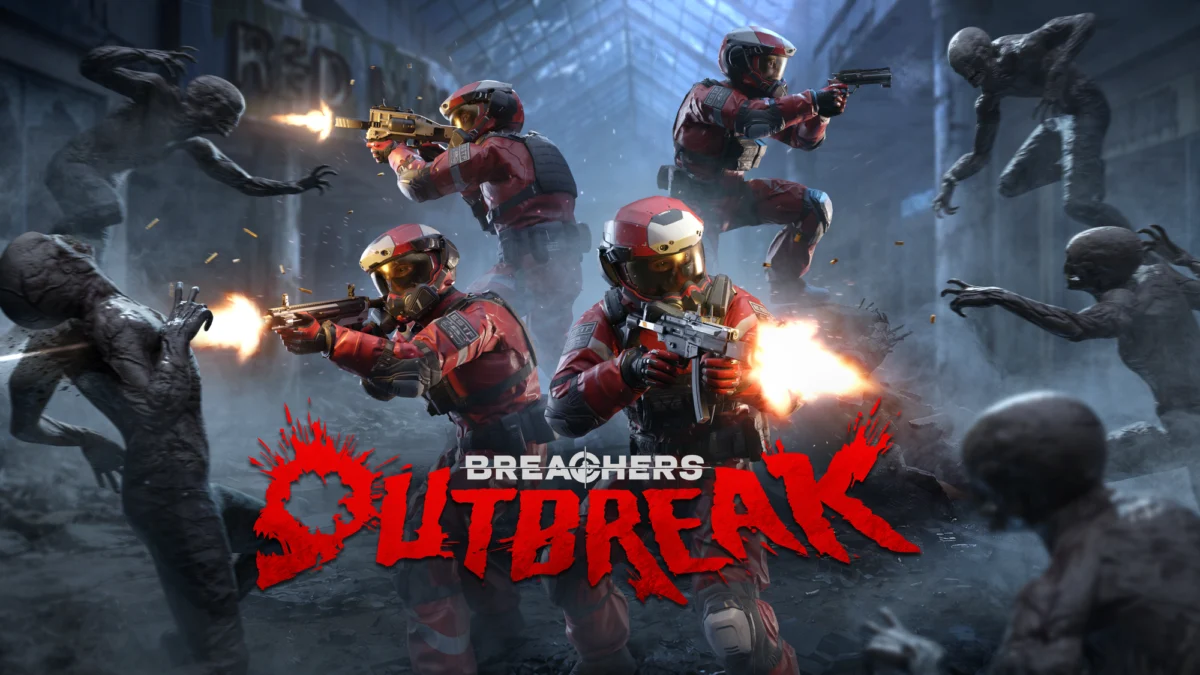
In an industry often defined by rapid expansion and the pursuit of the "next big thing," the virtual reality (VR) sector is currently navigating a period of sobering reassessment. The latest casualty of this shifting landscape is Breachers: Outbreak, a highly anticipated co-op PvE extraction shooter developed by the prominent studio Triangle Factory. Less than three months after its high-profile unveiling, the project has been placed on indefinite hold, signaling a tactical retreat that reflects broader economic and consumer trends within the VR gaming ecosystem.
Main Facts: A Sudden Halt for a Promising Spin-off
Triangle Factory, the Belgian developer behind the critically acclaimed tactical shooter Breachers and the high-speed FPS Hyper Dash, shocked its community this week by announcing the suspension of development for Breachers: Outbreak. The project was envisioned as a PvE (Player vs. Environment) expansion of the Breachers universe, pivoting from the original game’s tactical PvP (Player vs. Player) "search and destroy" mechanics toward a survival-based extraction model.
The announcement was delivered via the studio’s official Discord server, citing a combination of market conditions and insufficient consumer interest. This decision is particularly striking given the pedigree of the developer; Triangle Factory is widely regarded as one of the most successful independent VR studios, having successfully emulated the "Rainbow Six Siege" formula in VR with the original Breachers.
Key takeaways from the announcement include:
- Indefinite Hiatus: While the studio used the term "on hold," the language suggests a permanent shelving of the standalone project in its current form.
- Resource Consolidation: Assets and mechanics developed for Outbreak may eventually be integrated into the base Breachers game.
- Strategic Shift: The studio is pivoting away from large-scale projects that do not demonstrate immediate market viability.
- Broader Context: This news follows the recent announcement that Triangle Factory will be shutting down the servers for its older title, Hyper Dash, in November 2024.
Chronology: From Showcase Opener to Discord Eulogy
The lifecycle of Breachers: Outbreak—from public reveal to suspension—was remarkably brief, spanning less than ninety days. This timeline highlights the volatility of modern game development, where projects can be "greenlit" and "redlit" in the span of a single financial quarter.
June 2024: The Grand Reveal
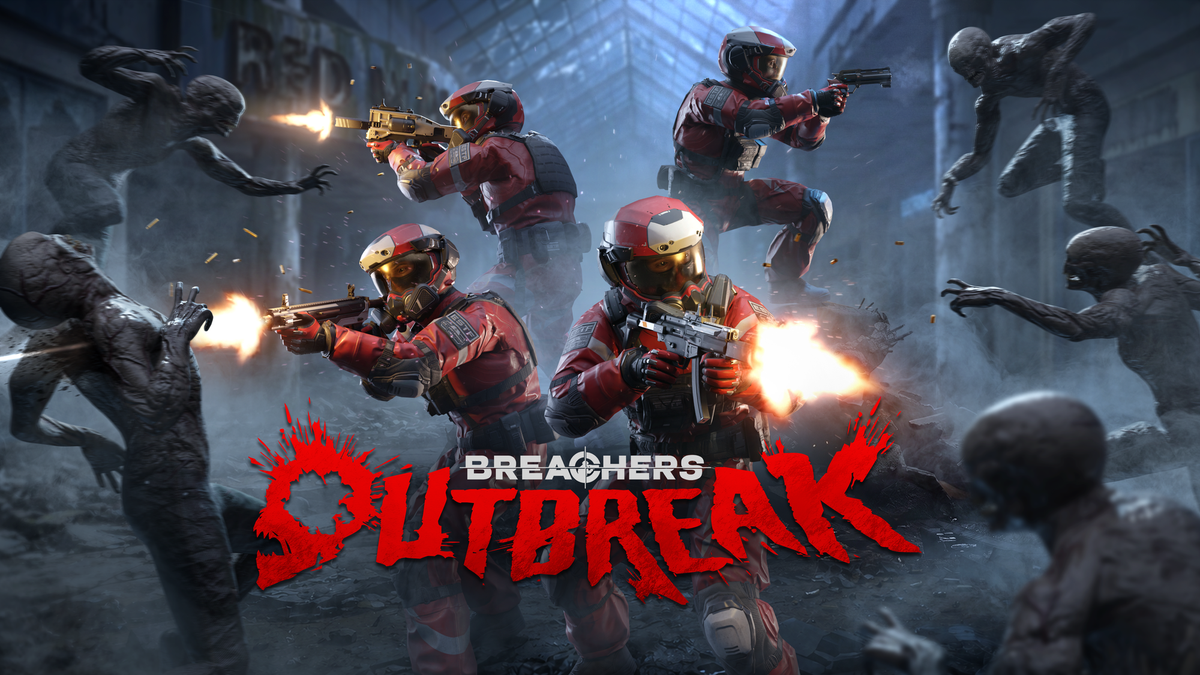
Breachers: Outbreak made its debut during the June VR Games Showcase. Positioned as the "opening act" of the event, it was treated as a major industry milestone. The trailer showcased a dark, atmospheric world where players utilized the polished gunplay mechanics of Breachers to fight off hordes of mutated enemies while attempting to extract valuable resources. The reception among hardcore VR enthusiasts was initially positive, as the community had long requested a PvE mode for the original game.
July – August 2024: The Quiet Period
Following the reveal, social media engagement and community discourse surrounding Outbreak began to plateau. While the original Breachers maintained a healthy player base, the standalone nature of Outbreak—requiring a separate purchase and a new player ecosystem—started to face scrutiny. During this time, Triangle Factory likely monitored "wishlist" data and social sentiment closely.
September 2024: The Decision
On the back of internal reviews, Triangle Factory leadership determined that the projected return on investment (ROI) did not justify the continued expenditure of high-level development resources. On September 11, the studio broke the news to its Discord community, effectively ending the project’s short-lived journey as a standalone title.
Supporting Data: The Hard Reality of the VR Market
To understand why a successful studio would cancel a project so soon after a major reveal, one must look at the data governing the current VR landscape.
1. The Extraction Shooter Fatigue
The "Extraction Shooter" genre, popularized by titles like Escape from Tarkov and Hunt: Showdown, has become a crowded market. In the VR space, Ghosts of Tabor has established a dominant position, capturing a significant portion of the audience interested in high-stakes survival. Triangle Factory likely realized that competing for this specific demographic required a level of "live service" support and marketing spend that was unsustainable given the projected player count.
2. Standalone vs. DLC Dynamics
One of the primary hurdles for Outbreak was its status as a standalone game. Market data suggests that VR players are increasingly hesitant to purchase new titles that fragment an existing community. By offering Outbreak as a separate entity rather than an expansion to Breachers, Triangle Factory faced the uphill battle of rebuilding a player base from scratch.
3. The "AA" Struggle in VR
Development costs for high-fidelity VR games have skyrocketed with the advent of the Meta Quest 3 and PlayStation VR2. Consumers now expect "PC-grade" visuals on mobile hardware. For a medium-sized studio like Triangle Factory, the cost of producing a "high-quality VR game," as mentioned in their statement, is significantly higher than it was during the Quest 1 era. If pre-release metrics (such as Discord growth and trailer views) do not hit specific KPIs, studios are increasingly prone to cutting their losses early.
Official Responses: Transparency Amidst Disappointment
Triangle Factory’s statement was notable for its candor, avoiding much of the corporate jargon often found in cancellation notices. The studio’s message focused on three pillars: market reality, quality control, and future integration.
On Market Viability:
The studio admitted, "The truth is that it’s a hard time to build and ship a high-quality VR game like this, and the interest we’ve seen so far doesn’t support a project of this scale." This admission points to a "funding gap" where the niche nature of VR cannot always support the high production values players demand.
On Quality Standards:
"We’d rather be upfront about that now than keep going and release something we’re not proud of," the statement continued. This suggests that rather than "scaling down" the game to fit a smaller budget—which often leads to poor reviews and brand damage—the studio chose to preserve its reputation for quality.
On the Future of Breachers:
Perhaps the most important part of the response for current fans was the hint of integration: "Some of what we built for Outbreak will find its way into the main Breachers game itself." This suggests a strategic pivot toward the "Game as a Service" (GaaS) model, where the existing Breachers platform is enriched with new modes rather than split into multiple SKUs.

Implications: What This Means for the VR Industry
The shelving of Breachers: Outbreak is not an isolated incident; it is a symptom of a maturing, yet struggling, VR market. Several implications can be drawn from this event that will likely shape the industry in 2025 and beyond.
The Death of the "Standalone Spin-off"
We are likely seeing the end of the era where developers create standalone spin-offs of successful VR IPs. Instead, studios will likely focus on "Mega-Apps." Much like Fortnite or Call of Duty, which house multiple modes (Battle Royale, Creative, Zombies) under one roof, VR developers are finding that keeping their community in a single application is the only way to maintain healthy matchmaking times and long-term monetization.
Risk Aversion and the "Safe" Bet
Triangle Factory’s decision to shut down Hyper Dash while simultaneously shelving Outbreak indicates a move toward extreme resource optimization. Studios are no longer willing to subsidize underperforming titles or "experimental" projects with the profits from their hits. This could lead to a period of less innovation in the VR space, as developers stick to proven formulas—tactical shooters, rhythm games, and social hubs—rather than venturing into risky new genres.
The "On Hold" Euphemism
In the world of software development, "on hold" is frequently a precursor to "canceled." However, in the context of VR, it often means the assets are being archived for a potential "Quest 4" or "Vision Pro 2" era when the install base might finally support the developer’s vision. For now, however, Outbreak is effectively dead as a commercial product.
Comparison with ‘Survive The Night’
The article notes that The Binary Mill recently took a similar path with Survive The Night. This trend of "rapid cancellation" suggests that VR studios are adopting a "fail fast" mentality. By announcing a game early and gauging the "vibe" of the community, they can decide whether to proceed before the most expensive phases of development (polishing, QA, and localization) begin.
Conclusion
The suspension of Breachers: Outbreak is a sobering reminder that even the most talented studios are not immune to the gravitational pull of market economics. While it is disappointing for fans who were eager for a high-fidelity PvE experience, the move may ultimately strengthen the original Breachers title. By folding Outbreak’s innovations into the existing game, Triangle Factory is betting on the longevity of its current community rather than the uncertainty of a new one. In the volatile world of virtual reality, sometimes the best way to move forward is to take a step back and fortify what you have already built.