The Algorithmic Paradox: Educational Institutions Grapple with AI’s Infiltration of Creative Promotion
The rapid ascent of artificial intelligence has permeated nearly every facet of modern life, from mundane tasks to complex professional endeavors. While its utility in various fields is undeniable, a growing disquiet surrounds its application in areas that demand human creativity and skill. This concern is amplified when educational institutions, tasked with nurturing and developing nascent talent, appear to be embracing AI-generated imagery for their promotional materials, sparking debate and disillusionment among aspiring artists and designers.
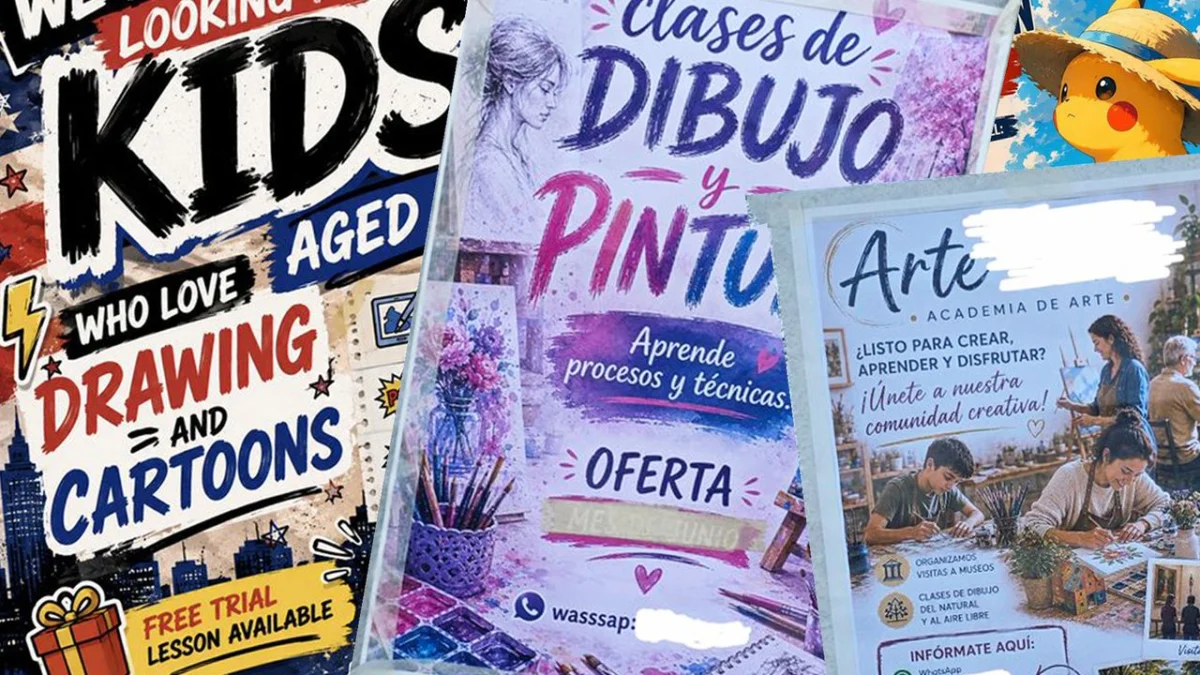
Recent observations on social media platforms, particularly X (formerly Twitter), have brought to light a perplexing trend: posters and advertisements for traditional art classes, drawing workshops, and even graphic design courses are increasingly featuring visuals that bear the hallmarks of AI generation. These promotional materials, found both online and in the physical realm as street advertising, have ignited a firestorm of criticism, questioning the very ethos of creative education when its proponents seemingly rely on artificial means to attract students.
The Unsettling Irony: AI Art Advertising Artistry
The core of the controversy lies in a profound irony. Institutions dedicated to teaching the intricate skills of drawing, painting, and graphic design are opting for AI-generated imagery to advertise their offerings. This choice immediately raises a fundamental question: would individuals seeking to hone their artistic abilities place their trust in an educator whose primary promotional tool is a product of algorithms rather than human craftsmanship?
One viral post on X succinctly captured this sentiment, questioning how an institution can expect students to believe they can learn to draw from a teacher whose advertisement is itself an AI creation. The sentiment reverberates across various platforms, with commentators expressing bewilderment at the apparent disconnect between the advertised skill and the promotional method.
"Pero cómo pretenden que alguien que quiera aprender a dibujar, tenga la más mínima esperanza en que pueda aprender algo en esas clases CON UN CARTEL HECHO CON IA!!???" (But how do they expect someone who wants to learn to draw to have the slightest hope of learning anything in those classes WITH A POSTER MADE WITH AI!!???) This rhetorical question encapsulates the frustration felt by many.
A Digital Divide in Creative Values
The backlash against AI-generated advertisements for creative courses is multifaceted, extending beyond mere aesthetic preference. A significant concern revolves around the perceived devaluation of human skill and the potential impact on creative careers, which are already facing considerable challenges in the evolving digital landscape.
Commentators on X have pointed out that employing AI for promotional art not only casts doubt on the instructor’s artistic capabilities but also sends a disheartening message to prospective students. It implicitly suggests that the skills they are eager to acquire – the dedication, practice, and nuanced understanding of artistic principles – are less valuable than the efficiency of an algorithm.
One individual lamented, "Promoting something artistic made with AI just kills any desire to actually learn the craft. Even a shitty scribbled portrait would’ve looked more pro." This sentiment highlights a preference for authenticity and human effort, even if imperfect, over a polished but soulless AI output. The underlying message, as another commenter observed, is one of distrust: "How can you trust them if they don’t even believe it themselves?" This suggests that by using AI, the institutions are undermining their own credibility and the very value proposition of their courses.
Furthermore, the discussion has delved into the nuances of creative proficiency. While generating a visually appealing poster might be achievable with AI, even with some degree of design knowledge, it doesn’t equate to the fundamental skills of drawing or painting. As one user pointed out, "The worst part is that it isn’t all that complicated to get AI to create a decent poster. But even that requires brains and design knowledge. That said, knowing how to draw isn’t the same as knowing how to put together a decent poster." This underscores the fact that while AI can mimic certain aspects of design, it cannot replicate the foundational artistic understanding that traditional education aims to instill.
Extending the Concern: AI in Institutional Communications
The issue is not confined to individual art schools or private courses. Reports indicate that even high schools and universities are increasingly incorporating AI-generated imagery into their internal communications, further fueling anxieties about the future of creative fields.
On Reddit, a user voiced their deep concern about the implications for art students: "When schools use generative AI to create their flyers, logos and art deco, they’re telling their art students that their work does not and will not matter. They are making it clear that the arts, which are already hard to make a career out of, is now even more fruitless." This perspective highlights the profound impact of such decisions on the morale and future prospects of students pursuing artistic disciplines. It suggests a systemic de-prioritization of human creativity within educational frameworks.
Acknowledging AI’s Role, But Not as a Replacement
It is crucial to acknowledge that AI does have a legitimate and increasingly vital role within the curriculum of certain creative fields. For instance, in graphic design and digital art programs, students are often expected to understand how AI tools function, explore their capabilities, and critically engage with the associated legal, ethical, and quality control considerations. Proficiency in using AI tools can be a valuable asset in the modern creative professional’s toolkit.
However, the current debate centers on the inappropriate application of AI as a promotional crutch. Using fully AI-generated assets to advertise a course, particularly one focused on developing human artistic skills, is perceived as a shortcut that prioritizes convenience over integrity. It smacks of a "laziness" that undermines the very essence of what these institutions are supposed to teach.
The analogy drawn by critics is stark and illustrative: advertising cookery classes with a picture of a KFC bucket or a Big Mac. This comparison effectively highlights the disconnect between the advertised product (skillful culinary creation) and the promotional image (mass-produced, processed food). Similarly, promoting artistic education with AI-generated art creates a cognitive dissonance that can alienate potential students and devalue the teaching of genuine artistic craft.
The Broader Implications for the Creative Economy
The trend of AI-generated promotional materials in creative education carries significant implications for the broader creative economy. If educational institutions begin to signal that human-generated art is less valuable than AI-produced visuals for promotional purposes, it can create a ripple effect. This could lead to:
- Reduced Enrollment in Traditional Arts Programs: Students may be discouraged from pursuing degrees and courses in fields where they perceive AI as a looming threat to their future career prospects.
- Erosion of Value for Human Artists: A wider acceptance of AI-generated content in professional contexts could lead to a devaluation of the work and expertise of human artists, potentially impacting their earning potential and career sustainability.
- Shifting Industry Standards: As AI tools become more sophisticated, there’s a risk that the industry might increasingly favor AI-generated content due to cost-effectiveness or perceived efficiency, further marginalizing human creatives.
- Ethical Dilemmas in Education: The use of AI in educational promotion raises questions about the ethical responsibilities of institutions to foster genuine talent and to be transparent about the tools they employ.
The Path Forward: Balancing Innovation with Integrity
The rise of AI presents both opportunities and challenges for the creative industries and educational institutions. While embracing technological advancements is necessary for progress, it is crucial to do so thoughtfully and ethically.
For educational institutions, this means carefully considering the message they send with their promotional materials. While AI can be a valuable tool within the curriculum, its use in advertising should not undermine the very skills and values that the courses aim to cultivate. Authenticity, human creativity, and the dedication to mastering a craft should remain at the forefront of their messaging.
Moving forward, a more nuanced approach is required. This could involve:
- Transparent Communication: Clearly indicating when AI has been used in promotional materials, and for what purpose.
- Highlighting Human Creativity: Emphasizing the work of instructors and students, showcasing genuine artistic endeavors rather than AI-generated facsimiles.
- Educating on AI’s Role: Integrating discussions about AI’s impact on the creative industries into the curriculum, equipping students with the knowledge to navigate this evolving landscape.
- Prioritizing Authenticity: Opting for authentic imagery that reflects the spirit and substance of the creative education offered, even if it requires more effort.
The debate surrounding AI in creative promotion is far from over. As the technology continues to evolve, so too will the discussions about its ethical and practical applications. For now, the message from many aspiring artists and designers is clear: the soul of creative education lies in human ingenuity, and promotional efforts should reflect that fundamental truth. The allure of algorithmic efficiency must not overshadow the irreplaceable value of human artistry.