The Digital Frontier: Concept Art World Solidifies Stance on Artistic Integrity and Industry Excellence
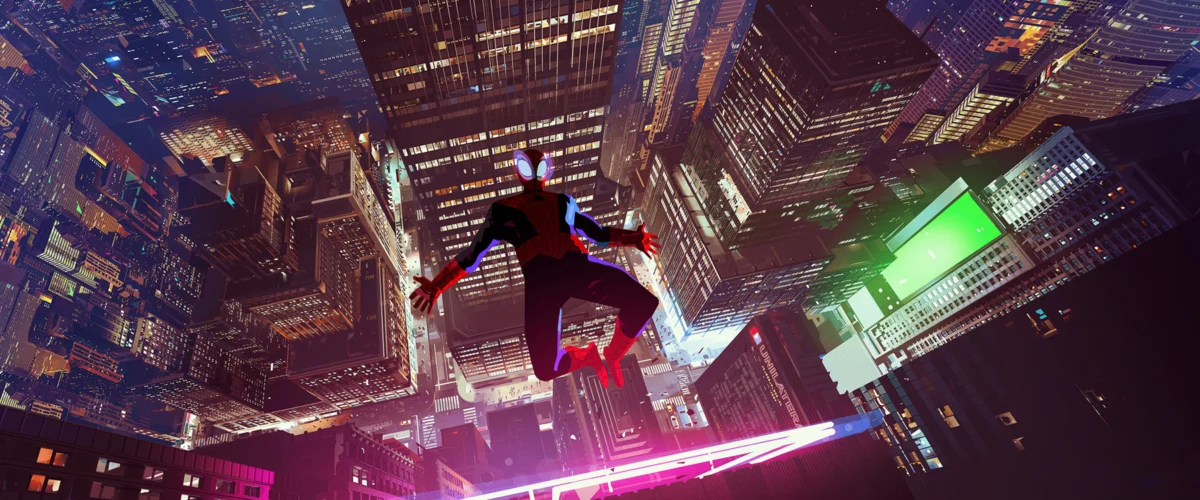
Introduction: A Hub for Visual Evolution
In the rapidly shifting landscape of the entertainment industry, where the lines between reality and digital fabrication continue to blur, Concept Art World (CAW) has emerged as more than just a gallery. It has become a pivotal institutional pillar for the visual development community. As a leading online resource, CAW recently underscored its commitment to the professionalization of the craft by highlighting a new wave of visionary artists—Asim Steckel, Daniel Graffenberger, and Christian Ronquillo—while simultaneously reinforcing a strict defensive posture against the encroachment of unauthorized Artificial Intelligence (AI) training.
This move comes at a time when the concept art industry, which serves as the blueprint for multi-billion-dollar film, gaming, and animation franchises, faces an existential crossroads. By showcasing high-caliber portfolios alongside seminal publications like BATTLE MiLK 2: Tangents and Transitions in Concept Art, Concept Art World is not merely archiving images; it is defining the standards of human-led creativity in an increasingly automated world.
Main Facts: The Pillars of Modern Visual Development
At the heart of the current industry discourse are the contributors who provide the aesthetic DNA for global media. Concept Art World’s latest updates focus on three distinct masters of the craft, each representing a different facet of visual storytelling:
- Asim Steckel: Known for his evocative world-building, Steckel’s work often explores the intersection of architecture and atmosphere. His inclusion in the CAW spotlight emphasizes the industry’s ongoing demand for "environmental storytelling"—the ability to tell a narrative through the decay of a building or the lighting of a cityscape without a single word of dialogue.
- Daniel Graffenberger: Graffenberger represents the technical vanguard. His work often leans into hard-surface design and industrial realism, providing the mechanical blueprints for the vehicles and machinery that populate modern sci-fi and action cinema.
- Christian Ronquillo: Ronquillo’s portfolio highlights the importance of character-driven visual development. His ability to blend historical costume influences with futuristic silhouettes makes him a prime example of the "visual development" (VisDev) specialist who bridges the gap between script and screen.
Parallel to these artist spotlights is the resurgence of interest in BATTLE MiLK 2: Tangents and Transitions in Concept Art. This volume is more than a book; it is a collaborative manifesto featuring top-tier artists from studios like Blizzard, Sony, and ILM. Its focus on "tangents and transitions" serves as a masterclass in how professional artists navigate the messy, iterative process of creation—a process that Concept Art World argues is uniquely human.
Chronology: From Gallery to Industry Guardian
The evolution of Concept Art World follows a timeline that mirrors the growth of the digital arts over the last two decades.
- The Early 2010s: Concept Art World established itself as a premier destination for high-quality illustration. During this era, the site functioned primarily as a discovery platform for recruiters from major studios looking for fresh talent.
- 2012–2015: The publication of the BATTLE MiLK series represented a peak in the "art book" culture. These years saw a transition where concept art moved from being "behind-the-scenes" ephemera to being recognized as a standalone fine art form.
- The 2020 Pivot: As generative AI began to proliferate, the role of CAW shifted. It began to incorporate more tutorials and industry news, focusing on the methodology of art rather than just the final product.
- 2024–2026: Concept Art World has formalized its legal and ethical stance. The most recent updates to their platform include explicit prohibitions against AI training, a direct response to the scraping of digital galleries by Large Language Models (LLMs) without artist consent.
Supporting Data: The Economic and Creative Impact of Concept Art
The importance of platforms like Concept Art World is backed by the sheer scale of the industries they serve. According to recent market reports, the global video game market is projected to exceed $300 billion by 2027, while the animation and VFX industry continues to grow at a CAGR (Compound Annual Growth Rate) of nearly 10%.
Within these sectors, the "pre-production" phase—where concept artists like Steckel and Graffenberger operate—is critical. Industry data suggests that for every dollar spent in the conceptual phase, ten dollars are saved in production by preventing design errors and streamlining the 3D modeling process.
Furthermore, the BATTLE MiLK 2 publication remains a benchmark for educational resources. In a survey of professional concept artists, over 60% cited physical art books and curated galleries as more influential to their stylistic development than social media algorithms. This data supports CAW’s decision to maintain a highly curated, human-selected gallery rather than an open-upload system.
Official Responses: The Anti-AI Mandate
Perhaps the most significant development in Concept Art World’s recent operational update is the formalization of its copyright policy. The organization issued a clear directive regarding the use of its hosted content.
"All images are © by the artist(s) or their respective copyright holders," the statement reads. "Any training of AI systems using this content is strictly prohibited."
This is not merely a preference but a legal boundary. By implementing this clause, CAW joins a growing coalition of creative platforms—including ArtStation and the Concept Art Association—that are seeking to protect the intellectual property of human creators.
Industry experts suggest that this move is a preemptive strike against "data scraping" bots. By explicitly stating that AI training is prohibited, CAW provides artists with a stronger legal footing should their work be discovered in the training sets of future generative models. This stance has been met with widespread approval from the professional community, who view the site as a safe haven for their intellectual property.
Implications: The Future of the Human Touch
The implications of Concept Art World’s current trajectory are twofold: it reinforces the value of the "professional artist" and sets a standard for ethical digital curation.
1. The Professionalization of Concept Art
By focusing on artists like Christian Ronquillo and Daniel Graffenberger, CAW is emphasizing that concept art is not just about "pretty pictures." It is about problem-solving. A generative AI can create a stunning landscape, but it cannot yet understand the mechanical requirements of a landing gear (as Graffenberger does) or the narrative necessity of a character’s worn-down boots (as Ronquillo does). CAW’s focus on the "why" behind the art reinforces the necessity of human designers in the production pipeline.
2. The Ethical Curation Model
As the internet becomes flooded with AI-generated content, curated spaces like Concept Art World will likely see a surge in value. Recruiters and art directors are increasingly seeking "human-verified" talent. CAW’s commitment to showcasing only high-quality, human-made work positions it as a premium filter in a saturated market.
3. The Legal Precedent
The "No AI Training" clause may become a standard requirement for all digital portfolios. If CAW and similar platforms can successfully enforce these terms, it may lead to a new licensing model where AI companies must pay for the right to train on professional-grade concept art, rather than taking it for free.
Conclusion: Preserving the Visual Legacy
Concept Art World remains a vital heartbeat in the chest of the entertainment industry. Through its promotion of seminal works like BATTLE MiLK 2 and its spotlighting of contemporary masters like Asim Steckel, the platform does more than just display art—it protects the culture of creativity.
As we look toward 2026 and beyond, the role of the concept artist will undoubtedly evolve, but the principles championed by CAW—integrity, technical mastery, and narrative depth—remain the gold standard. In a world of automated imagery, the "Tangents and Transitions" of the human mind remain the most valuable assets in the creative economy. Concept Art World has made its position clear: the future of art is human, and it is a future worth defending.