Feline Futurism: How Warrior Cats Animation is Redefining Character Design
The world of animation is constantly evolving, pushing the boundaries of visual storytelling and character expression. While many recent animated features have gravitated towards polished, hyper-realistic CG animals, a new contender is emerging that promises a more artistically adventurous path. The upcoming Warrior Cats animation, spearheaded by Original Force and series director Rodrigo Blaas, is generating significant buzz not for its adherence to conventional aesthetics, but for its bold, experimental approach to feline anatomy, movement, and personality. This project is poised to redefine how animated cats are perceived, offering a refreshing departure from the glossy, often predictable, portrayals seen in films like GOAT and the highly successful Zootopia 2.
A Departure from the Conventional: The Allure of the Unexpected
For many, the initial mental image of a Warrior Cats animation might have conjured the familiar, high-fidelity CG creatures that have become commonplace in modern animated blockbusters. However, the early glimpses into the project reveal a dramatically different vision. Instead of aiming for photorealism, the artists at Original Force have embraced a more stylized and expressive approach. This deliberate choice sets the Warrior Cats animation apart, aligning it with projects like Pixar’s Gatto in its willingness to explore uncharted artistic territory.
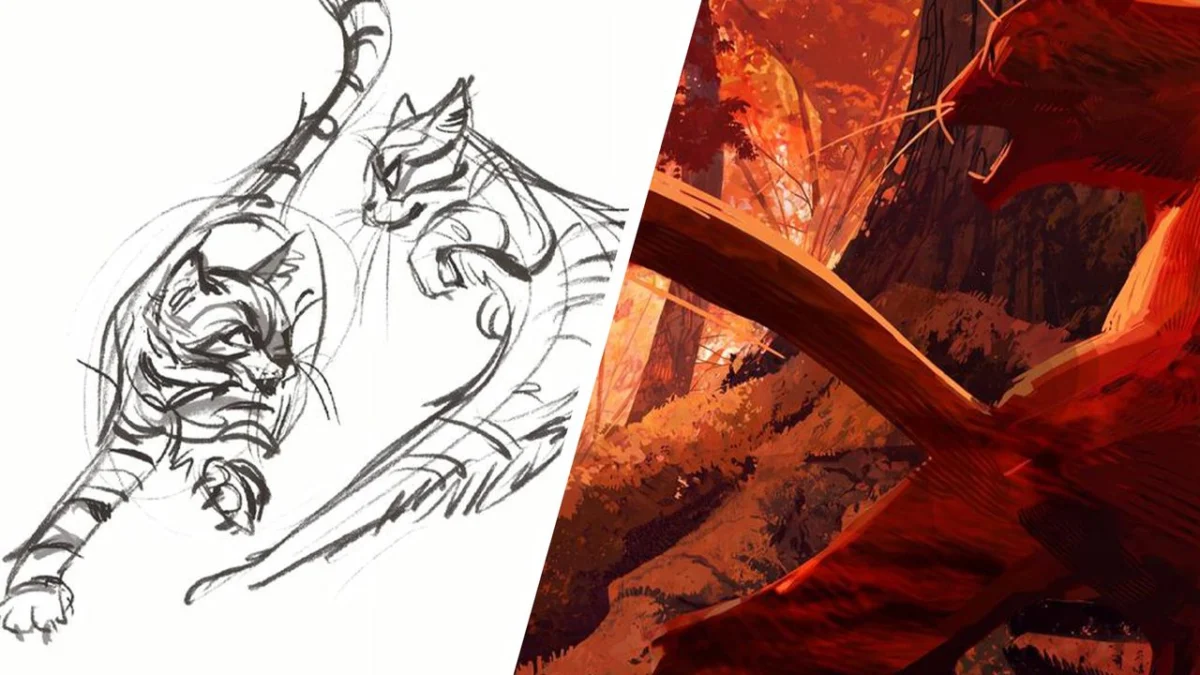
The studio has generously shared a trove of work-in-progress materials, including intricate character designs, dynamic storyboards, captivating animation tests, and even a preview film. This behind-the-scenes peek has ignited curiosity, revealing a "loose feel" that defies expectations for a large-scale CG adaptation. This artistic freedom, evident in the character sketches and animated sequences, suggests a deep understanding of the source material’s core appeal: the distinct personalities and complex relationships of its feline protagonists.
The Art of Feline Distinction: Crafting Unique Personalities Through Design
The brilliance of the Warrior Cats animation’s design philosophy is immediately apparent in the character explorations for Sandpaw, Rusty, and Graypaw. While all three share a fundamental feline anatomy, the artists have masterfully manipulated proportions, facial features, markings, and silhouettes to ensure each character possesses an instantly recognizable and unique identity. This is not merely about cosmetic differences; it’s about imbuing each cat with a distinct visual language that hints at their individual personalities and roles within the narrative.
The eyes, in particular, are a standout feature. They are rendered with an exceptional level of expressiveness, capable of conveying a wide spectrum of emotions – from fierce determination to playful curiosity. Beyond the eyes, the cats’ bodies possess a subtle, elongated, and springy quality. This deliberate design choice imbues them with a sense of inherent agility, suggesting they are perpetually poised for action rather than simply existing as static figures. This emphasis on dynamic potential is crucial for capturing the essence of the Warrior Cats universe, where survival and conflict are constant companions.
The Foundation of Feline Form: A Deep Dive into Anatomical Exploration
The creative team’s dedication to pushing feline anatomy is a cornerstone of the project’s artistic merit. They have meticulously studied the skeletal structure of cats, understanding the underlying framework that allows for their remarkable agility and grace. This knowledge serves as a springboard for artistic interpretation, enabling them to exaggerate certain features and movements without sacrificing the fundamental believability of a cat. The result is a cast of characters that feel both familiar and fantastically alive.
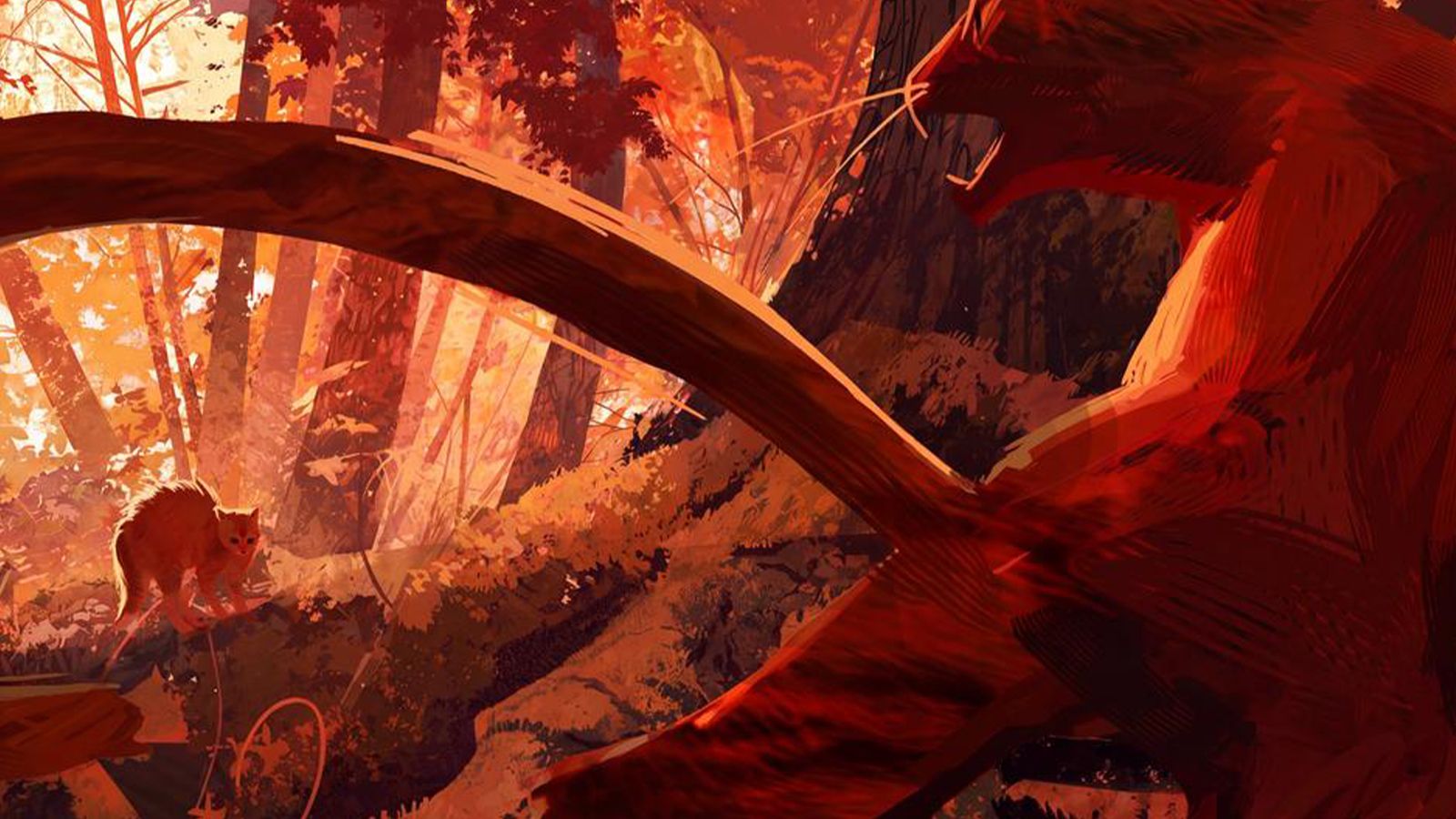
The play of fur is another area where the artists have demonstrated exceptional skill. Instead of rendering fur in a uniformly smooth or overly complex manner, they seem to be exploring how it can dynamically react to movement, wind, and even emotional states. This adds a layer of tactile realism and visual interest, enhancing the overall expressiveness of the characters.
Beyond the Static: Storyboards as a Window into Animated Action
The storyboard work, in particular, offers a compelling glimpse into the project’s dynamic potential. These pre-visualization sequences showcase the cats in dramatic, exaggerated poses – limbs stretched to their limits, tails coiling in intricate patterns, and bodies twisting in ways that defy conventional biological constraints. This deliberate exaggeration is precisely what makes the animation so exciting.
The artists understand that effective animation often requires a degree of artistic license. When characters are engaged in high-stakes activities like fighting, running, or reacting to sudden stimuli, a strict adherence to realistic anatomy can hinder the visual storytelling. The Warrior Cats team appears to have mastered the art of pushing these shapes and forms to their expressive extremes while meticulously preserving the core feline essence. This delicate balance is what will allow the characters to convey the intensity and drama of their world.
The Process of Bringing Digital Cats to Life: From Concept to Visual Language
The journey from concept to finished animation is a complex undertaking, especially for a project of this magnitude. Original Force, in collaboration with director Rodrigo Blaas, has emphasized a systematic approach to character development. This involves a holistic consideration of various elements, including:
- Skeletal Structure: A foundational understanding of feline anatomy allows for believable yet expressive movement.
- Fur Dynamics: The way fur reacts to movement and environment adds a crucial layer of visual depth and realism.
- Movement Principles: Incorporating the inherent agility, speed, and grace of cats into every action.
- Character Silhouettes: Ensuring each cat has a distinct and recognizable outline, even in motion or obscured.
- Camera Language: Strategically employing camera angles and movements to enhance the narrative and character impact.
This meticulous attention to detail ensures that the cats remain "readable" during fast-paced action sequences. When dealing with a large team of creators and a vast number of shots, establishing a clear and consistent visual language is paramount. This visual language acts as a universal guide, ensuring that every artist and animator working on the series can effectively translate the creative vision into a cohesive final product.
The Challenge of Anthropomorphism: Maintaining Feline Identity
A significant challenge in adapting the Warrior Cats series lies in balancing anthropomorphism with authentic feline representation. The books’ enduring appeal stems from the cats’ strong personalities and complex social structures, which are often conveyed through human-like emotions and motivations. However, the animation must avoid the pitfall of simply creating "furry little humans."
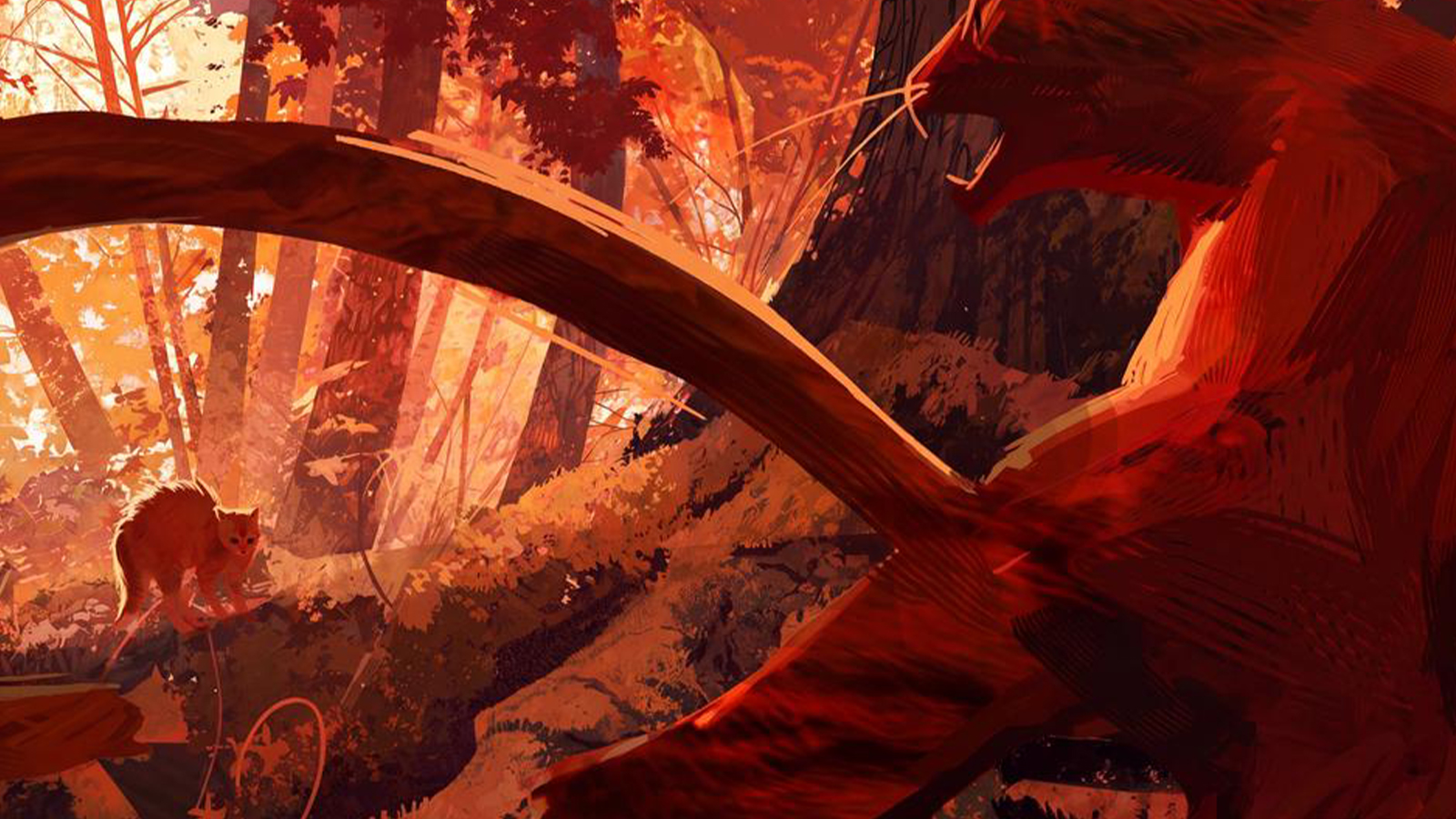
The Warrior Cats animation appears to be navigating this challenge with remarkable finesse. The artists are exploring the nuanced ways in which a cat’s natural behaviors and physical characteristics can be amplified to express personality. This might involve subtle shifts in posture, the flick of a tail, the widening of eyes, or the specific cadence of a stride. By grounding the characters in realistic feline traits and then subtly enhancing them for expressive purposes, the animation can achieve a unique blend of relatability and wildness.
The decisions made during the early stages of development – determining how far a cat can stretch before it ceases to be convincingly feline, or how much human-like expression can be incorporated before it becomes uncanny – are critical. These are not merely aesthetic choices; they are fundamental to the visual storytelling and the ultimate success of the adaptation.
The Future of Feline Animation: A Bold New Frontier
The early materials released for the Warrior Cats animation suggest a project that is not afraid to take risks. The commitment to a stylized, expressive, and character-driven visual identity sets it apart in a landscape often dominated by a pursuit of photorealism. If the finished series can maintain this artistic integrity and translate the energy of its storyboards and character designs into compelling animation, Warrior Cats has the potential to carve out a strong and enduring visual identity.
This innovative approach to character design and animation could serve as a blueprint for future adaptations, demonstrating that there is a significant audience appetite for animation that prioritizes artistic vision and emotional resonance over a slavish devotion to realism. The Warrior Cats animation is not just bringing a beloved book series to life; it is actively participating in the ongoing evolution of animated storytelling, pushing the boundaries of what is possible when creativity and technical expertise converge.
The success of this endeavor will hinge on the team’s ability to consistently apply their unique visual language across hundreds of characters and thousands of shots, ensuring that the magic captured in early concept art translates seamlessly to the screen. The anticipation for the finished series is palpable, as audiences eagerly await the chance to immerse themselves in the visually rich and emotionally charged world of the Warrior Cats, brought to life with an artistic daring that promises a truly unforgettable cinematic experience.
Further Information:
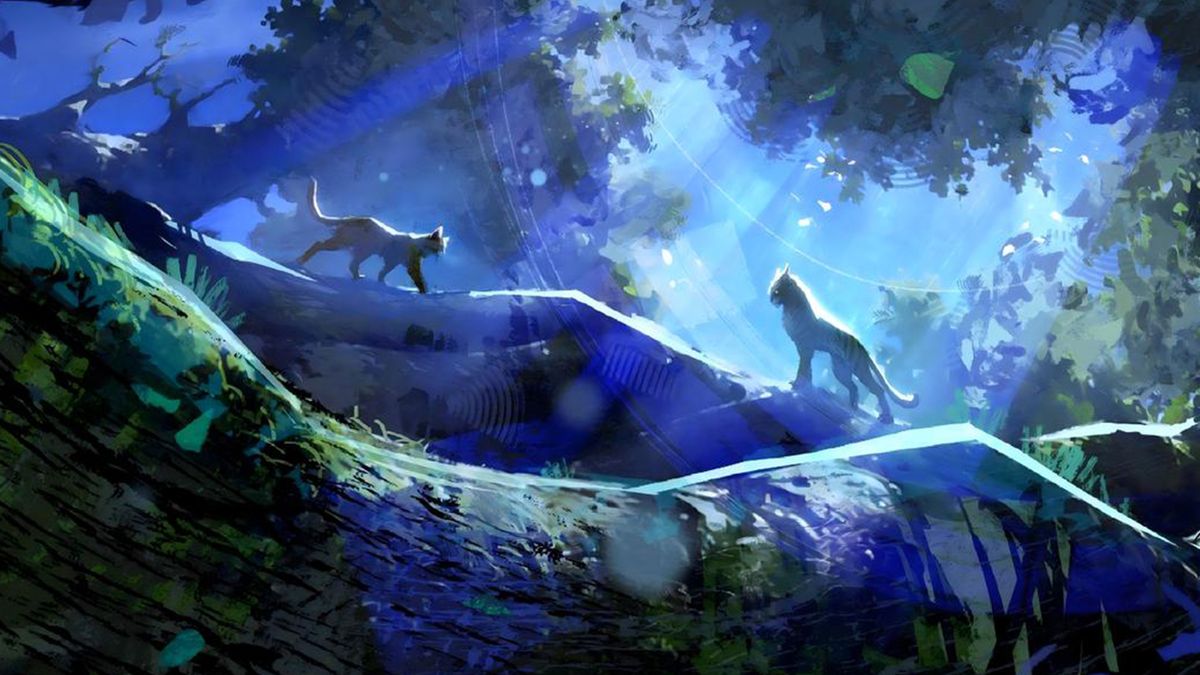
For those eager to delve deeper into the world of Warrior Cats, including details about the animation, the extensive book series, and related games, the official Warrior Cats website serves as a comprehensive resource. This site provides ongoing updates and insights into the franchise’s multifaceted presence.
About the Author:
Ian Dean, Editor of Digital Arts & 3D at Creative Bloq, brings a wealth of experience from his tenure as editor of prominent magazines such as ImagineFX, 3D World, and various video game titles like Play and Official PlayStation Magazine. He was instrumental in launching Xbox magazine X360 and helmed PlayStation World. At Creative Bloq, Ian leverages his extensive background to deliver the latest news and analyses in digital art, VFX, video games, and technology. In his personal time, he hones his digital art skills using Procreate, ArtRage, and Rebelle, while also enjoying gaming on Xbox and PS5.