The Visual Blueprint: How Concept Art World Continues to Shape the Future of Global Entertainment
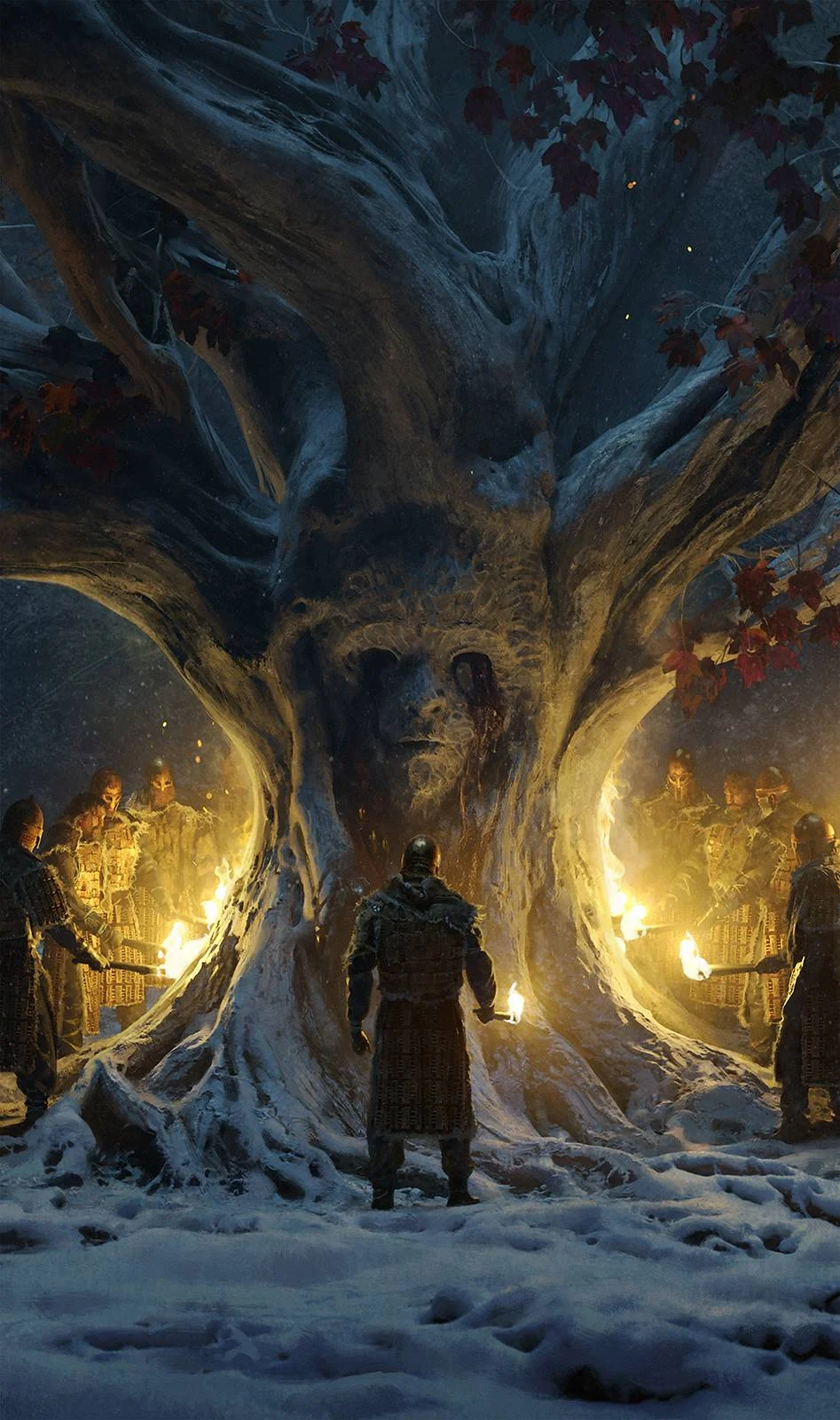
In the multi-billion-dollar machinery of Hollywood blockbusters, triple-A video games, and high-end animation, the first spark of life rarely appears on a camera lens or in a line of code. Instead, it begins on the digital canvas of a concept artist. For over a decade, Concept Art World (CAW) has served as the premier digital archive and news hub for this essential discipline.
Recent updates to the platform’s archives—featuring the work of industry titans like Raj Rihal, Alexander Mandradjiev, and Dana Guerrieri—not only highlight the historical evolution of visual storytelling but also underscore a growing industry-wide movement to protect human creativity against the encroachment of unauthorized artificial intelligence training.
Main Facts: A Digital Sanctuary for Visual Development
Concept Art World has solidified its position as a leading online resource dedicated to showcasing the pinnacle of concept art, illustration, and visual development. By bridging the gap between secretive studio productions and the public eye, the platform provides a rare look at the "visual blueprints" of the entertainment industry.
The platform’s recent focus includes a retrospective on the foundational aesthetics of the Marvel Cinematic Universe (MCU), specifically through the lens of the 2011 film Thor. By featuring the concept art of Raj Rihal, CAW provides a masterclass in how mythological "Kirby-esque" cosmic designs were translated into a grounded, cinematic reality.
Furthermore, the site continues its mission of artist advocacy. Profiles of contemporary masters such as Alexander Mandradjiev and Dana Guerrieri offer aspiring artists a roadmap for professional success. However, the most significant "fact" of CAW’s current operations is its strict legal stance: a total prohibition on the training of AI systems using its hosted content. This move signals a pivotal shift in how digital galleries manage intellectual property in the 2020s.
Chronology: From the Silver Screen to the Digital Frontier
To understand the weight of the work hosted on Concept Art World, one must look at the timeline of the industry’s visual evolution over the last fifteen years.
2010: The Intersection of Industry and Art
A hallmark moment in CAW’s archives is the 2010 LA Auto Show Design Challenge. At the time, this event represented a unique fusion of automotive engineering and entertainment concept design. It showcased how the skills used to design futuristic vehicles for films could be applied to real-world industrial concepts. This period marked the beginning of "concept art" being recognized not just as "pretty pictures," but as functional problem-solving.
2011: The Birth of a Cinematic Legend
The release of Thor in 2011 was a high-stakes gamble for Marvel Studios. The task of blending Norse mythology with science fiction fell to artists like Raj Rihal. Rihal’s work, preserved on CAW, shows the painstaking process of designing Asgard—balancing the ethereal and the architectural. This era established the visual language that would sustain the MCU for over a decade.
2015–2020: The Golden Age of Visual Development
During this window, artists like Alexander Mandradjiev became household names within the industry. Mandradjiev’s contributions to films like Doctor Strange, Black Panther, and Edge of Tomorrow redefined the "mood" of modern sci-fi and fantasy. CAW’s chronological documentation of his career allows observers to see the shift from traditional matte painting styles to highly detailed, immersive 3D-integrated concept pieces.
2024–2026: The Protective Era
As of early 2026, the focus has shifted from mere exhibition to protection. Concept Art World has updated its terms of service and footer manifests to explicitly ban AI scraping. This reflects a broader chronological trend where the "Wild West" of the digital art world is being replaced by a more regulated, artist-centric ecosystem.
Supporting Data: The Economic and Cultural Weight of Concept Art
The importance of the artists featured on CAW is backed by staggering industry figures. The global video game market, which relies heavily on visual development for world-building, is projected to exceed $300 billion by 2027. Similarly, the visual effects (VFX) and animation industry—the direct beneficiaries of concept art—contribute billions to the global GDP.
- The "Thor" Impact: The 2011 Thor film, whose early visual foundations were laid by Rihal and his team, grossed over $449 million worldwide. The visual aesthetic of Asgard became a multi-million dollar asset for Disney’s theme parks and merchandising.
- Artist Influence: Alexander Mandradjiev has worked on projects that have collectively grossed over $5 billion at the global box office. His ability to visualize complex narrative beats before a single frame is shot saves studios millions in production costs.
- The AI Threat: Recent surveys within the Concept Art Association (CAA) suggest that over 70% of professional artists fear that unauthorized AI training will lead to significant job displacement and the devaluation of original IP.
Official Responses and Ethical Mandates
Concept Art World has not been silent regarding the ethics of digital curation. In an official capacity, the platform serves as a guardian for the artists it features.
On Intellectual Property
The platform’s stance is clear: "All images are © by the artist(s) or their respective copyright holders. Any training of AI systems using this content is strictly prohibited." This statement is more than a disclaimer; it is a defensive wall. By embedding these terms into the very structure of their site, CAW is providing a legal basis for artists to protect their "style" and "labor" from being synthesized by generative models without compensation.
On Artist Spotlights
Regarding the featuring of artists like Dana Guerrieri, CAW’s editorial board emphasizes the human element of creation. Guerrieri, known for her evocative character designs and atmospheric lighting, represents a level of emotional nuance that current AI models struggle to replicate. The official response from the community is one of "curated excellence"—a belief that the best art comes from lived experience and intentionality, not algorithmic probability.
Implications: The Future of the Creative Professional
The ongoing curation of work by Raj Rihal, Alexander Mandradjiev, and others on Concept Art World has profound implications for the future of the creative industry.
1. The Professionalization of "Visual Dev"
The presence of the 2010 LA Auto Show Design Challenge alongside movie concept art proves that the skills of a concept artist are highly transferable. We are seeing a future where concept artists are hired not just by movie studios, but by urban planners, aerospace companies, and medical tech firms to visualize the future.
2. The Resistance Against Generative AI
CAW’s "No AI" policy is a bellwether for the industry. If leading galleries successfully block scraping, it will force AI developers to either license work legally or rely on lower-quality, public-domain data. This could lead to a two-tiered art market: "Certified Human" art for high-end productions and "Synthetic" art for low-budget, generic content.
3. The Preservation of Process
By showcasing the process—the rough sketches of Rihal or the lighting studies of Guerrieri—CAW ensures that the "how" of art is not lost. In an era where a finished image can be generated in seconds, understanding the iterative, thoughtful process of a human designer becomes a premium value.
4. Educational Evolution
For the next generation of artists, platforms like CAW serve as a decentralized university. The implication is that while the tools may change (from Wacom tablets to VR sculpting), the fundamental principles of composition, color theory, and storytelling remains constant.
Conclusion: Why the "World" Still Needs Concept Art
As Concept Art World looks toward the future, its role as a lighthouse for the industry remains undisputed. Whether it is through the nostalgia of seeing the original designs for Thor or the excitement of discovering a new talent like Dana Guerrieri, the platform reminds us that every great story begins with a single, hand-drawn vision.
In a digital landscape increasingly cluttered with machine-generated noise, CAW’s commitment to human-led visual development is a vital defense of the "human touch." As the industry moves forward, the blueprints laid down by these artists will continue to define the dreams we see on screen, the worlds we explore in games, and the future we imagine for ourselves.
About Concept Art World:
Concept Art World (CAW) is a leading online resource dedicated to showcasing the best in concept art, illustration, and visual development. It serves as a trusted archive for creative professionals in film, gaming, and animation, featuring high-quality artwork, tutorials, and industry news while maintaining a strict "Human-Only" content protection policy.