The Future of the Front Row: How Kacey Musgraves and Meta are Redefining the Immersive Concert Experience
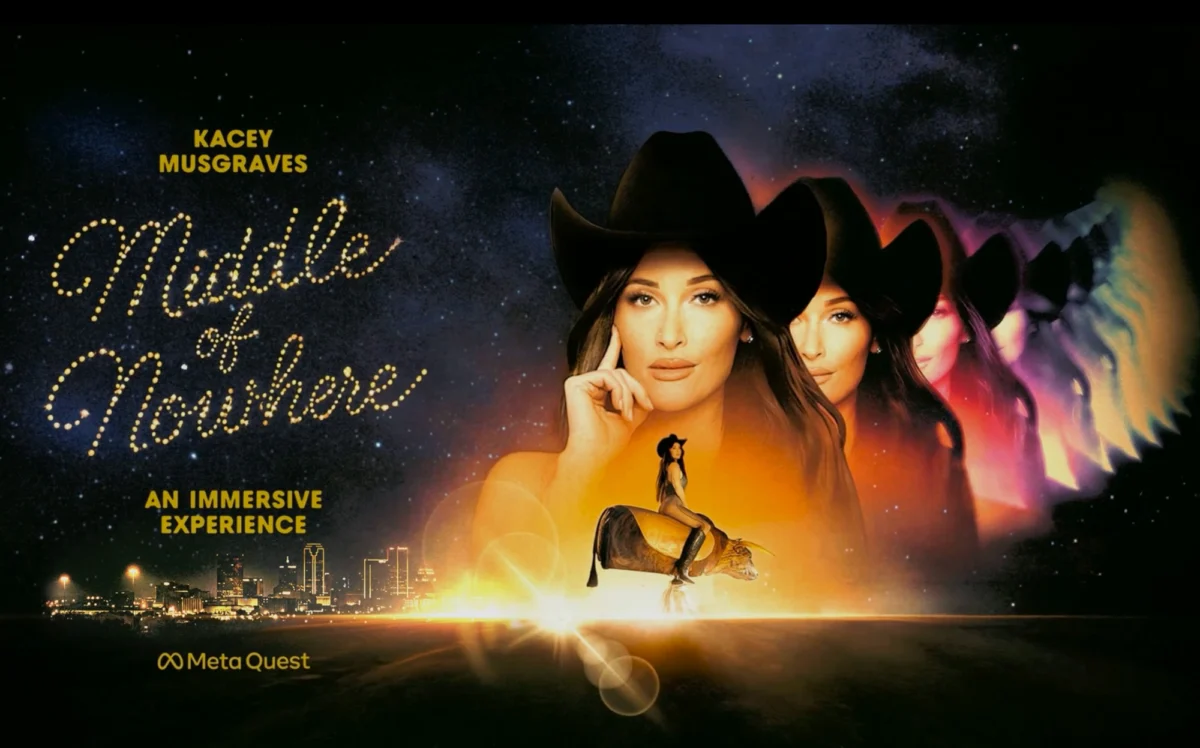
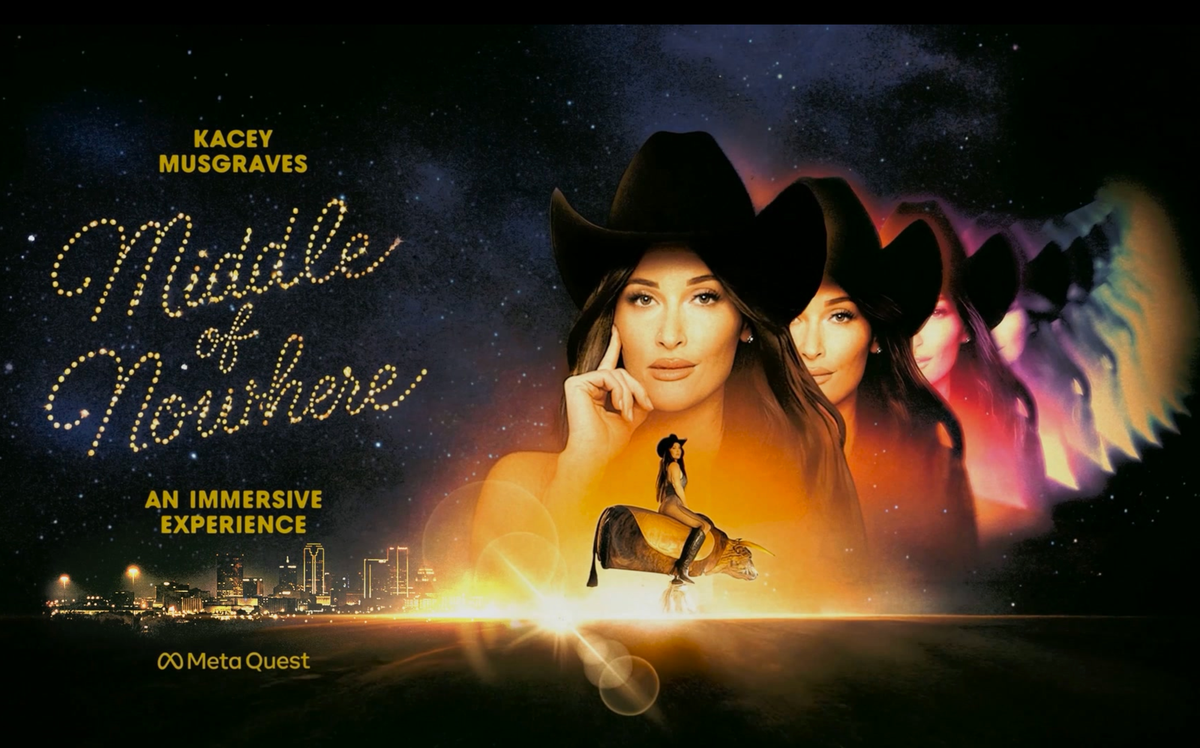
The house lights dim, the first chords of a pedal steel guitar ring out, and for a split second, the boundaries between the physical and the digital dissolve. You reach out to applaud, only to realize your hands are empty and your surroundings are a quiet living room, not a bustling Texas honky-tonk. This is the "presence" effect—the holy grail of virtual reality—and it is the driving force behind Kacey Musgraves Middle of Nowhere: An Immersive Experience.
Recently launched on the Meta Quest platform, this 49-minute concert film represents a significant leap forward in the marriage of high-fidelity cinematography and spatial computing. Filmed at the legendary Billy Bob’s Texas in Fort Worth, the production is more than just a recorded performance; it is a meticulously choreographed showcase of how VR180 technology can transform music consumption from a passive act into an intimate, telepresence event.
Main Facts: A New Frontier for Music in VR
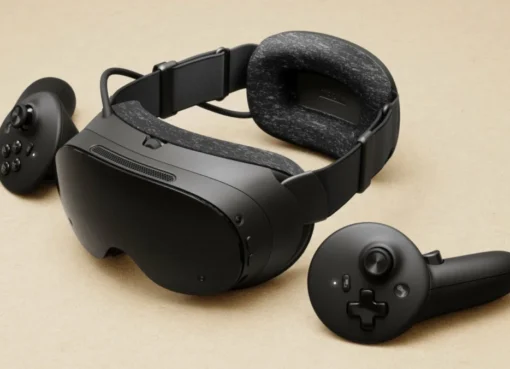
Kacey Musgraves Middle of Nowhere is a bespoke VR production designed specifically for the Meta Quest 3 and its predecessors. Unlike traditional concert films that utilize flat, two-dimensional "long shots," this experience was built from the ground up for stereoscopic 3D VR180. The distinction is critical: while 360-degree video often suffers from lower resolution and a lack of focus, VR180 concentrates the pixel density in front of the viewer, providing a crisp, lifelike image that mimics the human field of view.
Produced by Untold Studios in collaboration with MediaMonks and 7 Cinematics, the film utilizes professional-grade Blackmagic URSA digital cinema cameras. The creative direction prioritizes "intimacy over scale," placing the viewer within arm’s reach of the seven-time Grammy Award winner. The experience is currently available for free via the Meta Quest TV app, signaling Meta’s continued investment in high-quality "lean-back" content to supplement its gaming library.
Chronology: From Horseback to the Rodeo Ring
The narrative arc of the 49-minute experience is designed to take the viewer on a journey through the culture of the American West, mirroring Musgraves’ own aesthetic evolution.
The Arrival and the Honky-Tonk
The experience begins not on a stage, but in the dusty outskirts of Fort Worth. The viewer watches as Musgraves arrives at Billy Bob’s Texas on horseback, a cinematic opening that establishes the scale of the environment. As she enters the venue—famed as the "World’s Largest Honky Tonk"—the transition from the bright Texas sun to the neon-soaked interior of the 100,000-square-foot building is handled with impressive dynamic range.
The Intimate Stage Set
The first musical segment, featuring the song "Dry Spell," introduces the viewer to the production’s primary innovation: camera placement. Rather than being stuck in a "VIP seat" twenty rows back, the viewer is positioned on the floor, looking slightly upward. At other moments, the perspective shifts to a camera nestled onstage between the keyboardist and the drummer. This "fly-on-the-wall" perspective allows for a level of observation impossible in a physical venue, where one can see the subtle nods between band members and the intricate fingerwork on the fretboards.
The Crowd Integration
Midway through the set, during a cover of Brooks & Dunn’s "Neon Moon," the production breaks the "fourth wall" of the stage. Musgraves and an accordion player descend into the crowd. The camera moves backward through a sea of two-stepping fans, placing the viewer in the heart of the dance floor. The stereoscopic depth here is particularly effective; the brush of a denim jacket or the swing of a cowboy hat feels tangible, creating a sense of social presence that is often missing from VR media.
The Acoustic Rodeo Core
The emotional centerpiece of the film takes place in Billy Bob’s internal rodeo arena. This section of the building, which dates back to 1910 and was originally used for livestock auctions, provides a somber, earthy backdrop. Musgraves sits on the bleachers with two guitarists, stripped of the concert lighting and the crowd’s roar. She speaks directly to the camera, explaining the origins of her songs before launching into an acoustic set. The proximity is so close that it mimics a private rehearsal, reinforcing the "one-on-one" feeling that defines the project.
The Finale
The experience concludes with a high-energy rendition of George Strait’s "All My Ex’s Live in Texas," a performance so infectious that it has led many users to report a reflexive urge to applaud—a phenomenon known in VR circles as "breaking the lizard brain." The film ends with Musgraves departing in the bed of a pickup truck, the camera riding alongside her as the Texas landscape recedes.
Supporting Data: Technical Specifications and Venue History
The success of Middle of Nowhere relies heavily on the technical hardware and the historical weight of its location.
The Technology
Meta and Untold Studios opted for a 4K VR180 delivery. While 8K is the theoretical ceiling for current high-end VR, the 4K stream—when optimized for the Quest 3’s pancake lenses—provides a clarity that minimizes the "screen door effect." The use of Blackmagic URSA cameras allowed the production team to capture high dynamic range (HDR) data, which is essential for the high-contrast lighting of a concert venue. The audio mix, while not overtly "spatialized" in a way that tracks head movements for every instrument, provides a high-fidelity stereo field that maintains the "live" feel of the room’s acoustics.
The Venue: Billy Bob’s Texas
The choice of Billy Bob’s is not incidental. Opened in 1981 in the historic Fort Worth Stockyards, the venue is a monument to country music history. By filming in a space with such architectural character—exposed brick, dirt floors, and low-slung ceilings—the production avoids the "sterile" feeling of a soundstage. The history of the building, which once housed cattle for the Fort Worth Stock Show, adds a layer of authenticity that resonates through the VR headset.
Official Responses: Meta’s Creative Vision
Meta has positioned this release as a cornerstone of its "Music Valley" initiative, an effort to prove that the Quest is a premiere destination for entertainment, not just gaming.
In a statement regarding the launch, Meta emphasized the "made-for-VR" nature of the choreography. "The staging, lighting, and camera placement were all designed around someone watching in a headset," the company noted. This is a departure from previous VR concerts, which often felt like traditional broadcasts with a 360-camera "tacked on" as an afterthought.
Creative directors at Untold Studios highlighted the challenge of maintaining the balance between a massive production and an intimate fan experience. Their goal was to ensure that Musgraves’ eye contact with the camera felt natural, rather than performative, a feat achieved by treating the lens as a "character" within the performance rather than a static observer.
Implications: The Paradigm Shift in Artist Discovery
The broader implications of Kacey Musgraves Middle of Nowhere extend beyond the tech enthusiast community. It suggests a new model for the music industry: Immersive Artist Discovery.
As noted by early viewers, the experience has the power to convert casual listeners into fans in a way that a Spotify playlist or a YouTube video cannot. The "presence" afforded by VR creates an emotional bond; spending 49 minutes "in the room" with an artist fosters a sense of familiarity and investment. For the music industry, this represents a potent marketing tool. If a VR experience can simulate the feeling of a live show, it becomes the ultimate "try-before-you-buy" for future tour tickets and merchandise.
Furthermore, as VR hardware becomes lighter and more affordable, the "concert film" may be entirely replaced by the "immersive experience." The transition from 360-degree video to VR180 appears to be the winning formula for this medium. By acknowledging that humans rarely need to see what is directly behind them during a performance, creators can double the visual fidelity of what is in front of them, finally crossing the "uncanny valley" of digital video.
Kacey Musgraves may have been "in the middle of nowhere" for this performance, but for the future of virtual reality entertainment, she is exactly where she needs to be: front and center in a revolution of presence.