The Modular Future of XR: Arcturus Vision and the Evolution of the Valve Steam Frame
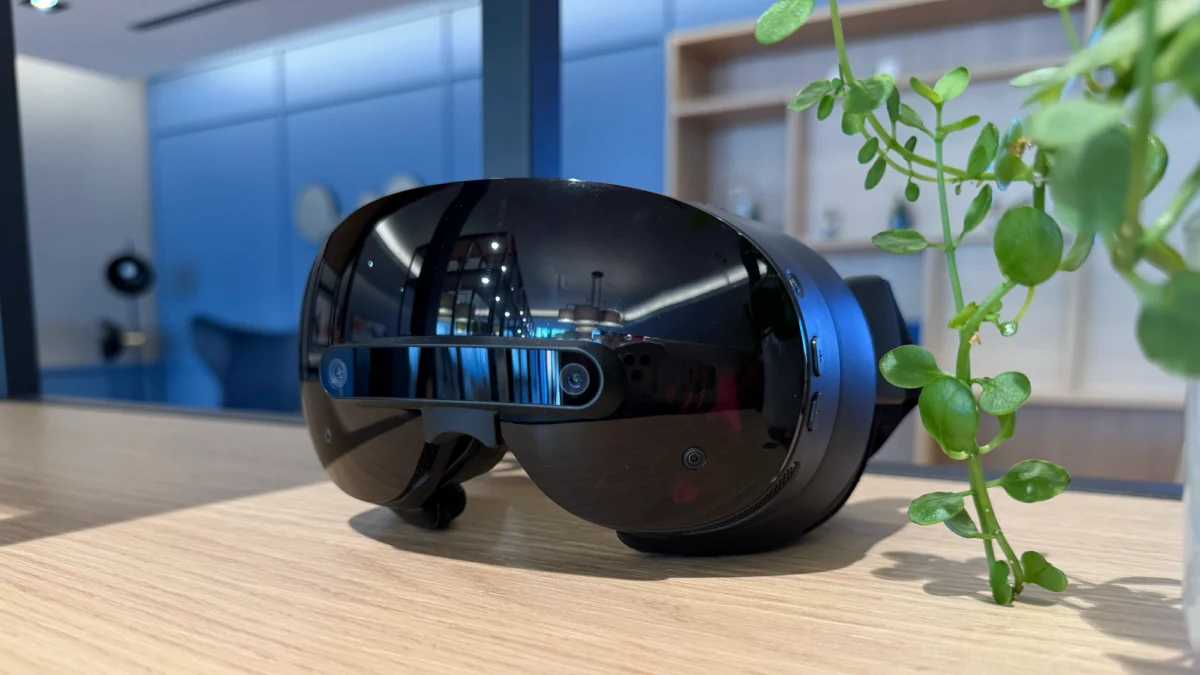
The virtual reality landscape underwent a seismic shift with Valve’s recent unveiling of the Steam Frame. Positioned as a successor to the venerable Valve Index, the Steam Frame arrived with the promise of high-fidelity standalone gaming, bolstered by the news that a standalone-capable version of Half-Life: Alyx would be bundled with the device. However, while the headset’s internal processing power and display optics have been met with acclaim, its native passthrough capabilities—a critical component for the burgeoning Mixed Reality (MR) market—were initially limited to a sharp but monochromatic grayscale.
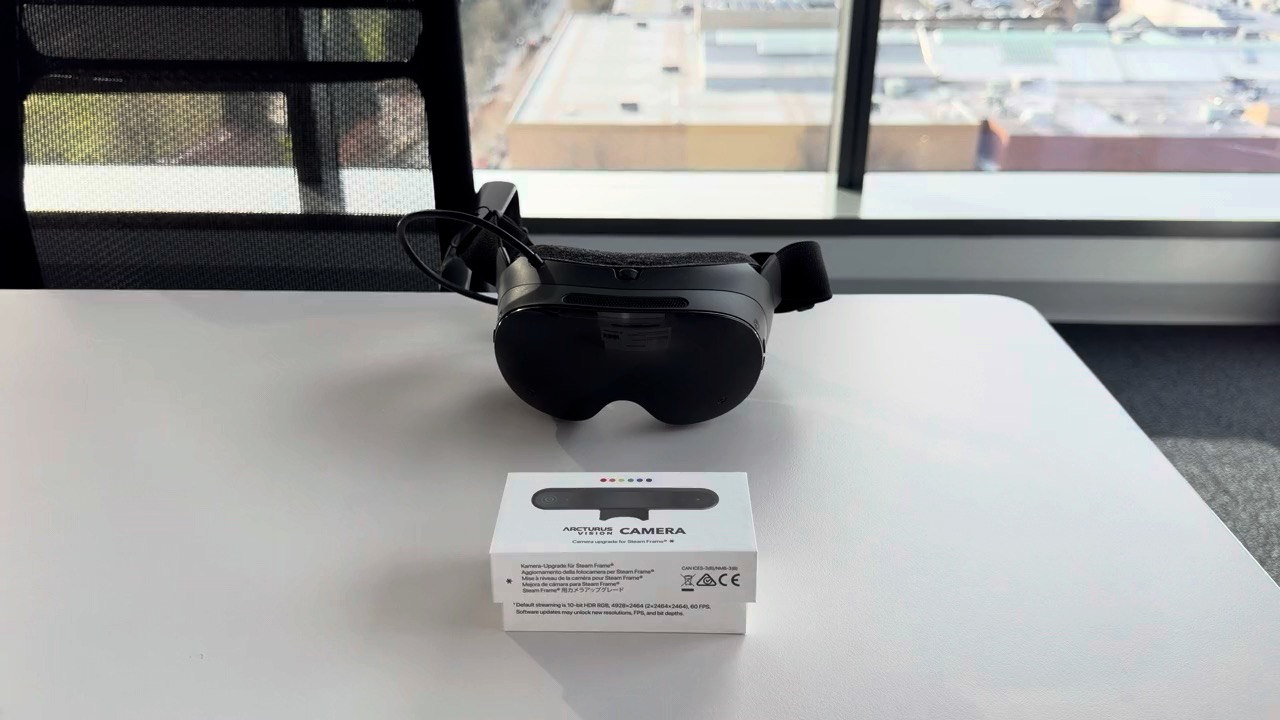
Enter Arcturus Vision. Formerly known as Arcturus Industries, the startup has announced the Arcturus Vision Camera, a $149 modular upgrade designed to transform the Steam Frame from a VR-centric powerhouse into a top-tier Mixed Reality contender. Weighing a mere 10 grams and utilizing the headset’s unique PCI-E expansion port, this peripheral adds 6-megapixel-per-eye color passthrough and sophisticated 3D HDR video capture capabilities.
Main Facts: A Modular Solution to the Passthrough Problem
The Arcturus Vision Camera is not merely an accessory; it is a fundamental hardware expansion. Out of the box, the Steam Frame utilizes a monochrome passthrough system. While this system offers an angular resolution that surpasses the Meta Quest 2, it lacks the color and clarity required for modern productivity and immersive MR gaming. Arcturus Vision addresses this by providing a dual-sensor array that integrates seamlessly with the headset’s existing architecture.
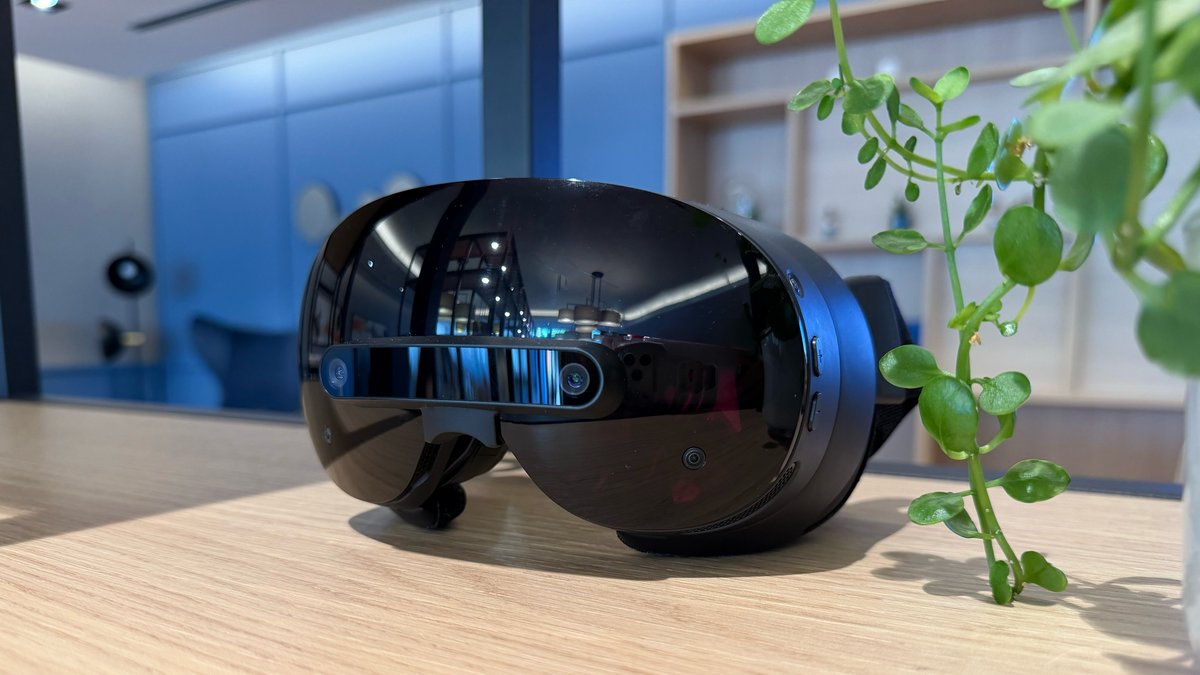
Key Hardware Specifications:
- Sensors: Dual 32-megapixel Sony RGB sensors.
- Physical Configuration: Sensors are spaced 64mm apart, approximating the average human interpupillary distance (IPD) for natural depth perception.
- Weight: 10 grams, designed to minimize impact on headset ergonomics.
- Connectivity: Plugs directly into the Steam Frame’s dedicated PCI-E expansion port.
- Resolution Output: Delivers 6.1 MP per eye for live passthrough and up to 6MP for video capture.
The device serves two primary functions. First, it upgrades the "Home" environment and MR-compatible titles—such as Cubism, Puzzling Places, and Table Space—to full, high-fidelity color. Second, it acts as a spatial recording studio, allowing users to capture 10-bit HLG HDR stereoscopic video with a unique "tracked" metadata layer.
Chronology: A Long-Standing Partnership with Valve
The collaboration between Valve and Arcturus Vision is not a recent development but rather the culmination of years of iterative engineering. To understand the significance of the Arcturus Vision Camera, one must look back at the history of the Valve Index.
- 2020: The Index "Room View 3D" Era: In 2020, Arcturus (then Arcturus Industries) worked closely with Valve to develop a depth-correct 3D passthrough mode for the Valve Index. This was a pioneering effort at the time, attempting to solve the "warping" issues common in early camera-based passthrough systems.
- 2021–2025: The Silent Years: While Valve remained quiet on the hardware front following the Steam Deck’s success, Arcturus continued to refine its computer vision algorithms, pivoting toward high-resolution sensor integration and spatial data tracking.
- September 2026: The Steam Frame Launch: Valve officially opens reservations for the Steam Frame. Almost simultaneously, Arcturus Vision announces its camera module, revealing that they have been "closely partnered" with Valve throughout the headset’s development to ensure the PCI-E expansion port was optimized for this specific use case.
This timeline suggests a strategic move by Valve: rather than inflating the base price of the Steam Frame by including expensive color sensors that not every user may want, they opted for a modular "open-spec" approach, allowing specialists like Arcturus to provide the hardware for enthusiasts.

Supporting Data: Comparative Analysis and Performance Metrics
To appreciate the leap in quality provided by the Arcturus Vision Camera, it is necessary to compare its output against the current market leaders.
Passthrough Resolution Comparison
| Device | Passthrough Type | Resolution (Per Eye) |
|---|---|---|
| Meta Quest 2 | Grayscale | 0.3 MP |
| Meta Quest Pro | Colorized Grayscale | 1.3 MP |
| Steam Frame (Base) | Grayscale (Tintable) | 1.3 MP |
| Meta Quest 3 | True Color | 4.0 MP |
| Steam Frame + Arcturus | True Color | 6.1 MP |
| Apple Vision Pro | True Color | 6.5 MP |
The data illustrates that with the Arcturus module, the Steam Frame leaps past the Meta Quest 3 and enters the same tier as the Apple Vision Pro. While the Apple Vision Pro maintains a slight edge in raw resolution (6.5 MP), the Arcturus Vision Camera offers a more flexible refresh rate profile.
Refresh Rates and Environmental Lighting
The camera defaults to 60fps for passthrough to ensure stability. However, the software allows for higher refresh rates for capture. Arcturus has issued a technical advisory regarding artificial lighting; at higher frequencies, users may experience flickering or banding due to the mismatch between the camera’s shutter speed and the frequency of household LED or fluorescent bulbs. As such, the company recommends natural lighting for the highest-fidelity 120fps captures.
Beyond Passthrough: Tracked 3D Video and Gaussian Splatting
While color passthrough is the primary selling point for the average consumer, the Arcturus Vision Camera introduces features aimed squarely at the "prosumer" and content creator markets: Tracked 3D Video Capture and Gaussian Splatting.
Stabilized Immersive Playback
Standard stereoscopic video, as seen on the Apple Vision Pro or Quest 3, captures two offset images. When played back, the video is static relative to the user’s head movement. If the original recorder moved their head quickly, the viewer often experiences motion sickness.
The Arcturus Vision Camera app solves this by saving the tracked position of the headset for every frame of video. During "Stabilized Immersive Playback," the 3D video window itself shifts in virtual space to counteract the original recorder’s head movements. This results in a "window into the past" that feels physically anchored, significantly reducing nausea and increasing immersion.
The Gaussian Splat Pipeline
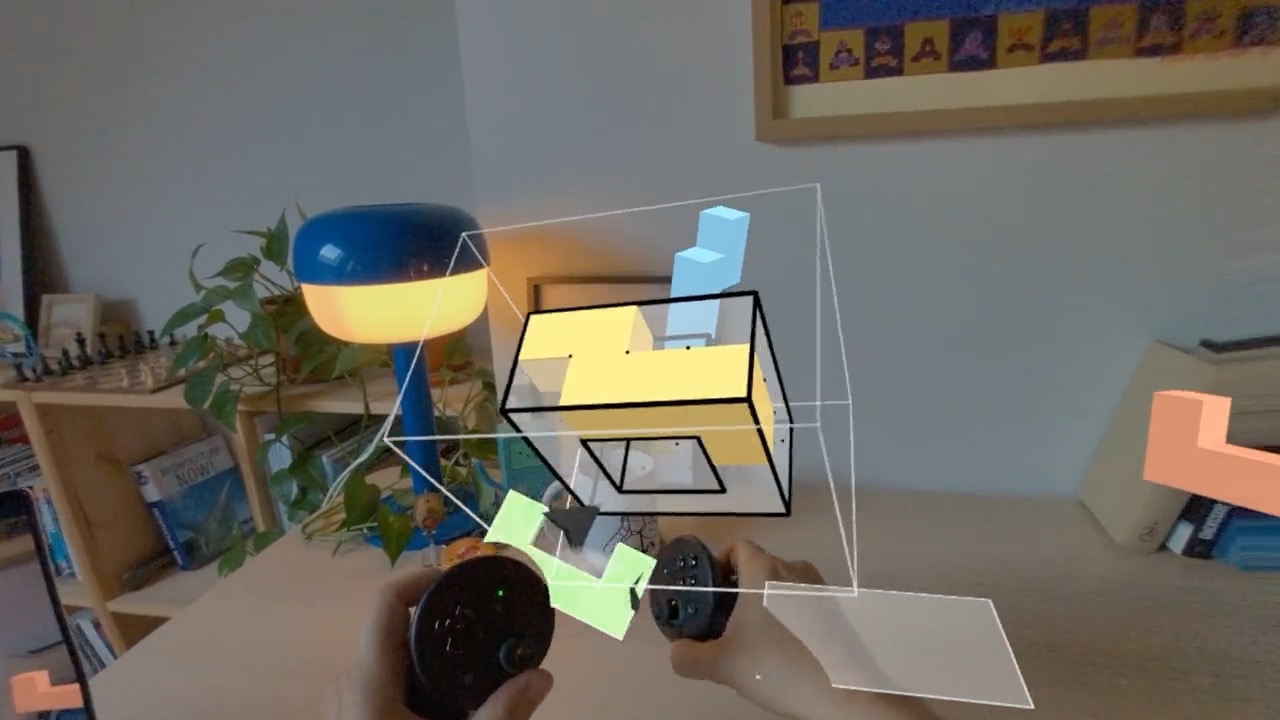
Arcturus is also positioning the camera as a tool for 3D scene reconstruction. By utilizing the tracked pose data from the 6MP recordings, users can generate Gaussian splats—highly detailed 3D models of real-world environments.
While the company does not yet offer a "one-click" consumer GUI for splat generation, they have released Arcturus Vision Gaussian XR, a high-performance viewer for the Steam Frame. This viewer is optimized to render PLY and SOG files natively, allowing users to walk through captured environments with six degrees of freedom (6DoF). For the generation phase, Arcturus recommends a workflow involving Linux-based workstations equipped with Nvidia GPUs, signaling that this feature is currently intended for advanced users and developers.
Official Responses and Market Positioning
While Valve has not released a traditional "press quote" regarding the Arcturus module, the integration level speaks for itself. The Steam Frame’s operating system recognizes the Arcturus camera at a kernel level, automatically updating the system-wide passthrough settings once the device is detected in the PCI-E slot.

Industry analysts suggest that this partnership represents Valve’s broader philosophy of "open hardware." By allowing Arcturus to handle the specialized camera hardware, Valve avoids the supply chain complexities of high-end CMOS sensors while fostering a third-party accessory ecosystem.
Early evaluations from outlets like UploadVR have been overwhelmingly positive, despite some noted trade-offs. The most significant concern raised is battery life. The Steam Frame’s standalone battery is already under significant strain when running titles like Half-Life: Alyx; adding a dual 32MP sensor array and the necessary image processing overhead further reduces playtime.
Implications: The Essential Accessory?
The release of the Arcturus Vision Camera raises a fundamental question about the future of VR hardware: Is modularity the path forward?
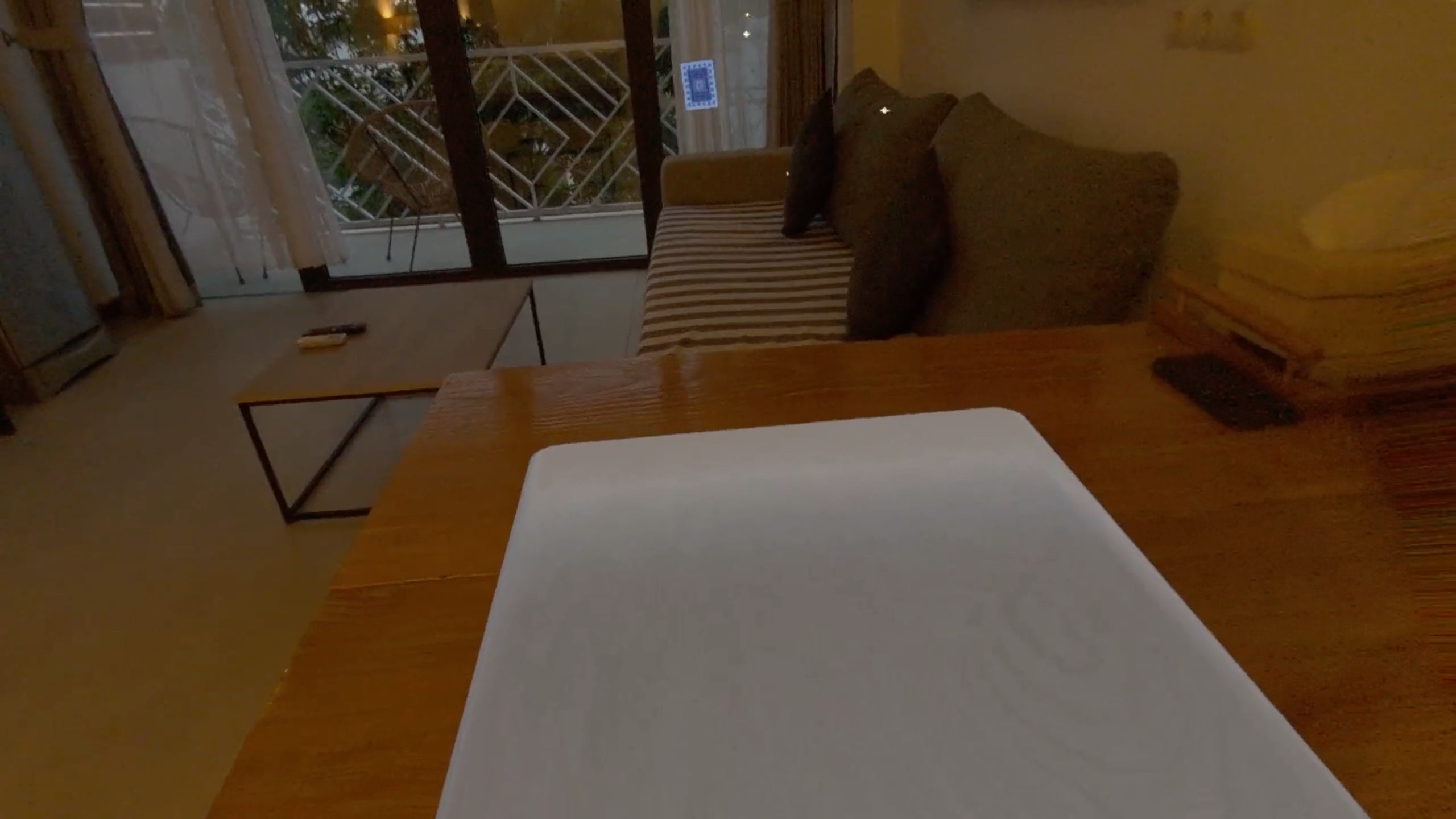
For the Steam Frame, the Arcturus camera appears to be an "essential" addition for anyone interested in more than just pure VR gaming. The ability to see one’s surroundings in high-definition color while navigating the Steam interface or playing "flatscreen" games in a virtual theater mode is a significant quality-of-life improvement.
Furthermore, the "Tracked 3D Video" feature sets a new standard for personal spatial media. As the industry moves away from static 180-degree videos toward 6DoF "volumetric" memories, the data-rich captures provided by Arcturus could become the blueprint for how we archive experiences in the 2020s.
However, the $149 price tag, combined with the base cost of the Steam Frame, pushes the total investment toward the premium end of the market. While still significantly more affordable than the Apple Vision Pro, the Steam Frame "Complete Experience" is clearly targeting the enthusiast who demands the best possible visual fidelity and the freedom to tinker with their hardware.
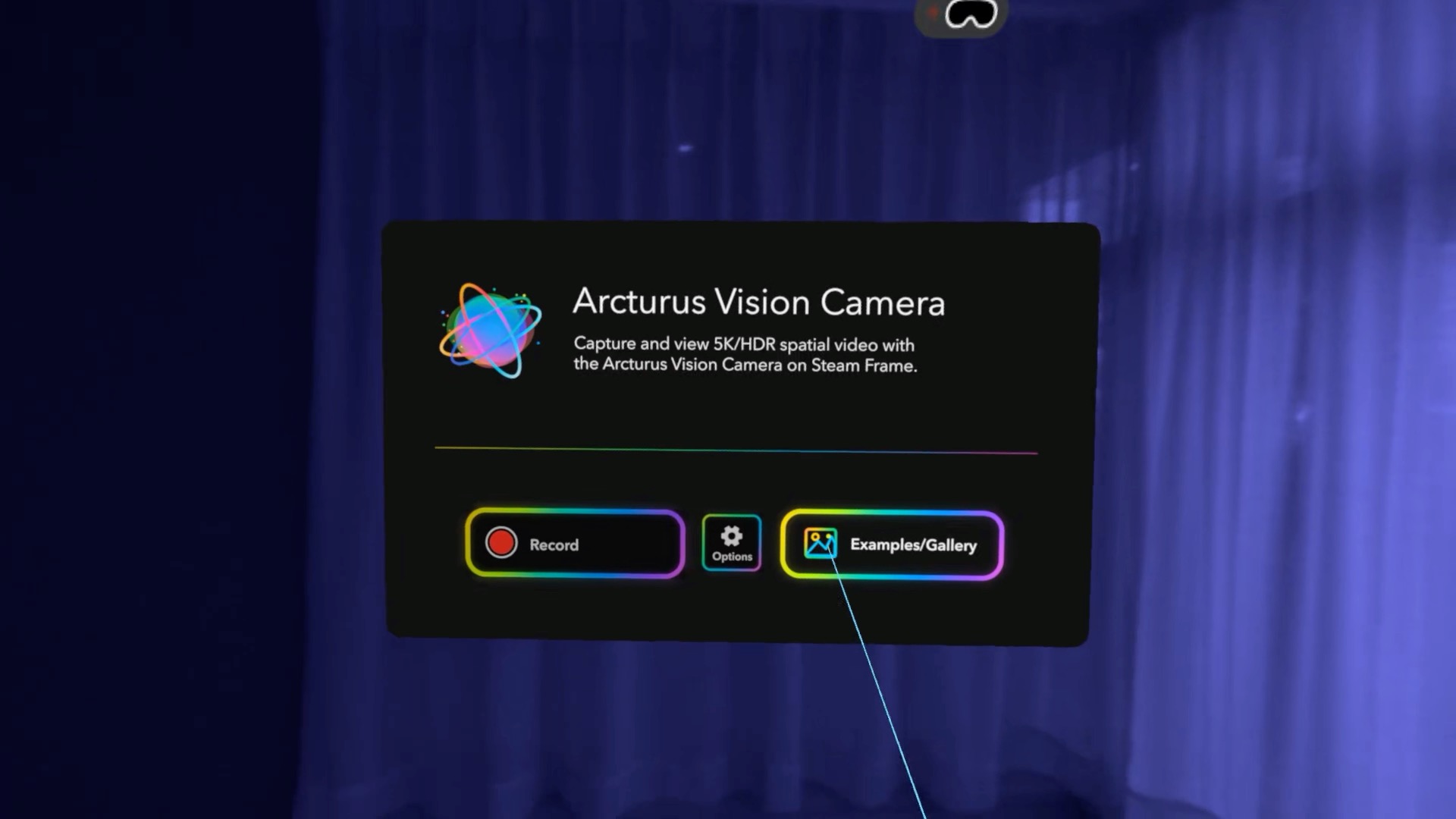
In conclusion, the Arcturus Vision Camera is more than a simple webcam for the face. It is a sophisticated piece of optical engineering that completes the Steam Frame’s mission. By bridging the gap between monochrome utility and high-fidelity reality, Arcturus Vision has ensured that Valve’s latest hardware remains at the cutting edge of the Mixed Reality revolution.