Meta Horizon+ Bolsters VR Value Proposition with Integrated Xbox Game Pass Starter Edition
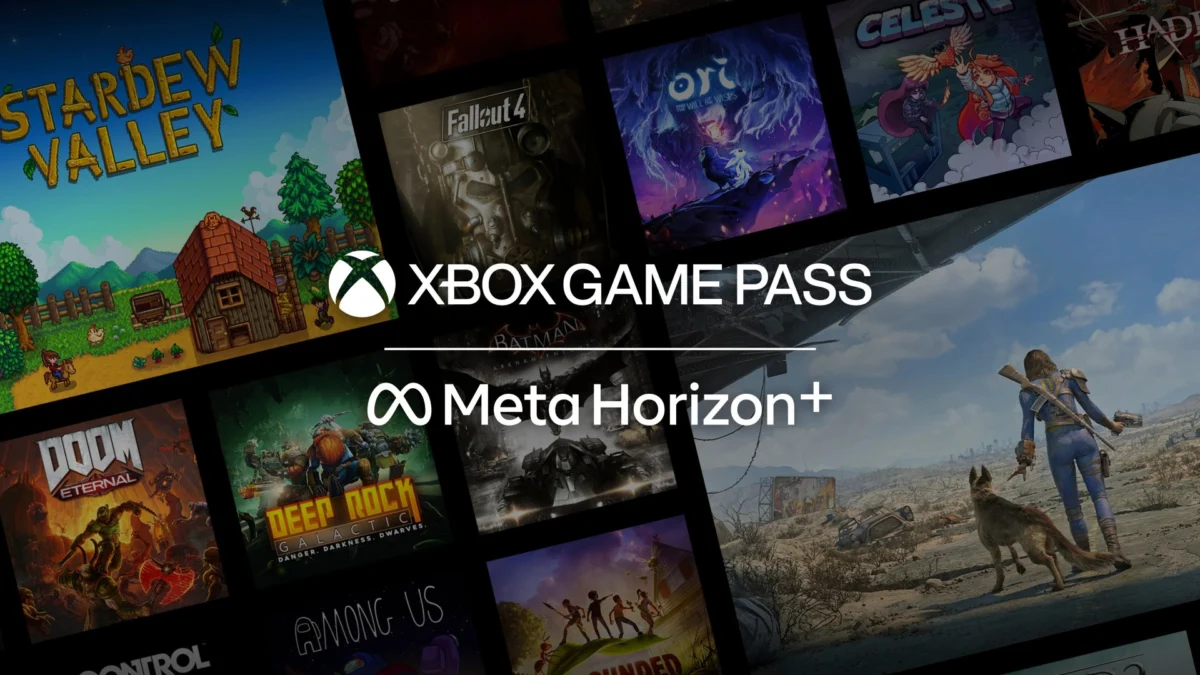
In a move that significantly reshapes the competitive landscape of virtual reality (VR) and cloud gaming, Meta has announced a landmark expansion of its premium subscription service. Meta Horizon+—the platform’s curated gaming and social membership—now includes a "Starter Edition" of Microsoft’s Xbox Game Pass at no additional cost. This integration marks a pivotal moment in the ongoing partnership between Meta and Microsoft, effectively merging the worlds of high-fidelity "flatscreen" gaming with the immersive hardware of the Meta Quest ecosystem.
The inclusion of Xbox Game Pass within Horizon+ represents a strategic offensive by Meta to consolidate its lead in the consumer VR market. By offering a hybrid library of native VR titles alongside traditional blockbuster console games, Meta is positioning the Quest headset not just as a niche peripheral for enthusiasts, but as a comprehensive entertainment hub capable of replacing traditional monitors and consoles.
Main Facts: A New Tier of Gaming Value
The core of the announcement centers on the immediate availability of the Xbox Game Pass Starter Edition for all active Meta Horizon+ subscribers. Priced at $7.99 per month or $59.99 annually, Horizon+ already offers a rotating catalog of over 100 native Quest games. The addition of Xbox Game Pass adds a secondary layer of value that is difficult for competitors to match.
Key Features of the Horizon+ Xbox Integration:
- The Library: Subscribers gain access to over 50 high-profile Xbox titles, including Fallout 4, Fallout 76, Grounded, Overcooked 2, and several entries from the Halo and Forza franchises.
- Dual-Play Capability: Users can stream these titles directly to a massive, customizable virtual screen within the Meta Quest environment via Xbox Cloud Gaming, or they can download supported titles to a local PC or Xbox console for unlimited play.
- Pricing Synergy: Given that a standalone Xbox Game Pass Essential subscription costs approximately $9.99 per month, the $7.99 Horizon+ fee essentially provides the Xbox library at a "negative" cost when considering the existing VR content included in the package.
- The "10-Hour" Caveat: To maintain the low subscription price, the Starter Edition included with Horizon+ features a 10-hour monthly limit on Xbox Cloud Gaming. However, this limit does not apply to games downloaded and played locally on a PC or Xbox console.
Meta is also addressing a long-standing friction point: hardware requirements. Previously, playing Xbox games on a Quest headset required a separate Bluetooth-enabled controller. Meta has confirmed the upcoming release of a "Gamepad Emulator," a software update that allows Quest Touch controllers to mimic the input of a standard Xbox controller, lowering the barrier to entry for casual users who do not own traditional gaming peripherals.
Chronology: From Quest+ to the Horizon Ecosystem
The road to this integration has been paved over several years of strategic rebranding and technical iteration. To understand the significance of this move, one must look at the evolution of Meta’s subscription strategy.
2023–2024: The Birth of Quest+
In mid-2023, Meta launched "Meta Quest+," a direct response to PlayStation Plus. It was a simple service: two hand-picked VR games per month for $7.99. While functional, it lacked the "prestige" library that defined its console counterparts.
2025: The Horizon Rebrand
As Meta pivoted its internal focus toward "Meta Horizon OS"—opening its operating system to third-party hardware manufacturers like ASUS and Lenovo—Meta Quest+ was rebranded to Meta Horizon+. This wasn’t merely a name change; it signified a shift from a hardware-specific service to a platform-agnostic ecosystem. The goal was to make Horizon+ the "Netflix of XR," accessible across various devices running Horizon OS.
2025–2026: Deepening the Microsoft Alliance
The partnership with Microsoft began in earnest with the integration of Microsoft 365 and Windows Cloud PC into the Quest interface. This was followed by the launch of a dedicated Xbox Cloud Gaming (Beta) app. The current announcement represents the final stage of this integration: moving from a "supported app" model to a "bundled service" model.
Supporting Data: The Economics of the Bundle
Industry analysts suggest that Meta’s aggressive pricing is a direct attempt to increase "attach rates" for its hardware. According to market data from the first half of 2026, VR headset owners often cite a "lack of consistent content" as the primary reason for device abandonment. By bridging the gap between VR and the vast Xbox library, Meta is providing a reason for users to don their headsets daily.
| Feature | Meta Horizon+ (with Xbox) | Xbox Game Pass Essential |
|---|---|---|
| Monthly Cost | $7.99 | $9.99 |
| VR Native Games | 100+ | None |
| Xbox Titles | 50+ (Starter Edition) | 25+ |
| Cloud Gaming | 10 Hours/Month | Limited |
| Hardware | Quest 2, 3, 3S, Pro | Xbox, PC |
The data indicates that Meta is willing to subsidize the cost of the Xbox licenses to keep users within the Horizon ecosystem. For Microsoft, the benefit lies in user acquisition; the 10-hour cloud limit acts as a "gateway drug," encouraging users to eventually upgrade to a full Xbox Game Pass Ultimate subscription ($16.99/mo) if they find themselves exceeding the monthly allowance.

Official Responses: A Shared Vision for "Ubiquitous Gaming"
While official press releases often utilize carefully curated language, the sentiment from leadership at both Meta and Microsoft suggests a shared vision of a "device-agnostic" future.
Meta’s Perspective:
A spokesperson for Meta’s Reality Labs division stated, "Our goal with Horizon+ has always been to deliver the highest possible value to our community. By bringing Xbox Game Pass into the fold, we are removing the walls between traditional gaming and spatial computing. We want a Quest headset to be the best screen in your house, whether you’re fighting dragons in a VR RPG or playing a match of Forza on a 200-inch virtual display."
Microsoft’s Perspective:
Phil Spencer, CEO of Microsoft Gaming, has frequently reiterated the "Xbox Everywhere" strategy. In a brief statement following the Horizon+ announcement, Microsoft noted, "We want to bring the joy of gaming to everyone, on every device. Meta’s Quest platform offers a unique, immersive way to experience the Xbox library, and this partnership is a natural extension of our commitment to cloud gaming accessibility."
Market Analyst Reaction:
"This is a masterstroke of user retention," says Sarah Chen, a lead analyst at Global Tech Insights. "Meta isn’t just selling a headset anymore; they are selling an entertainment utility. By bundling Xbox, they have effectively neutralized the argument that VR lacks ‘AAA’ content. Even if that content isn’t native VR, the experience of playing it in a virtual theater is enough of a ‘wow factor’ to drive subscription stability."
Implications: Reshaping the Future of XR
The implications of this partnership extend far beyond a simple subscription update. It signals a shift in how the industry views the "Metaverse" and "Spatial Computing."
1. Pressure on Sony and Apple
Sony’s PlayStation VR2 remains tethered to the PS5 console, and while it offers high-end VR experiences, it lacks a robust, integrated cloud gaming solution that matches the flexibility of Horizon+. Meanwhile, Apple’s Vision Pro remains focused on high-end productivity and media consumption at a $3,500 price point. Meta is carving out the "middle-market" high-value territory, making the Quest 3S and Quest 3 the most logical choice for the average consumer.
2. The Rise of "Flatscreen-to-VR"
The inclusion of a Gamepad Emulator suggests that Meta is leaning into "flatscreen" content as a bridge to VR. Many users find the transition to full 360-degree motion gaming jarring. Playing a familiar Xbox game on a giant virtual screen in a cozy "Virtual Living Room" environment provides a comfortable "on-ramp" to the medium.
3. Subscription Consolidation
We are entering an era of "Subscription Wars" in the XR space. Much like the streaming wars between Netflix, Disney+, and Max, the XR space will likely see more such bundles. It is not outside the realm of possibility to see Meta eventually partner with other services like GeForce Now or even Netflix to offer a "Horizon Premier" tier.
4. Hardware as a Loss Leader
This move confirms that Meta is doubling down on its strategy of selling hardware at or near cost while recouping losses through software and subscriptions. If Horizon+ can maintain a subscriber base in the tens of millions, the recurring revenue will provide the capital necessary to fund the development of the Quest 4 and beyond.
Conclusion
The integration of Xbox Game Pass into Meta Horizon+ is more than just a freebie for gamers; it is a calculated move to solidify the Meta Quest as the definitive consumer headset. By offering a library that spans two different dimensions of gaming—native VR and traditional console hits—Meta is addressing the "content gap" head-on. As the 10-hour cloud gaming limit and the new gamepad emulator roll out, the industry will be watching closely to see if this "all-in-one" entertainment approach is the key to finally pushing VR into the absolute mainstream. For $7.99 a month, Meta hasn’t just offered a deal; they’ve made an argument that the future of gaming is no longer confined to a physical television.