Submerged Memories: Selkies Interactive Launches ‘Echoes of Mora VR’ Following Strategic Delays
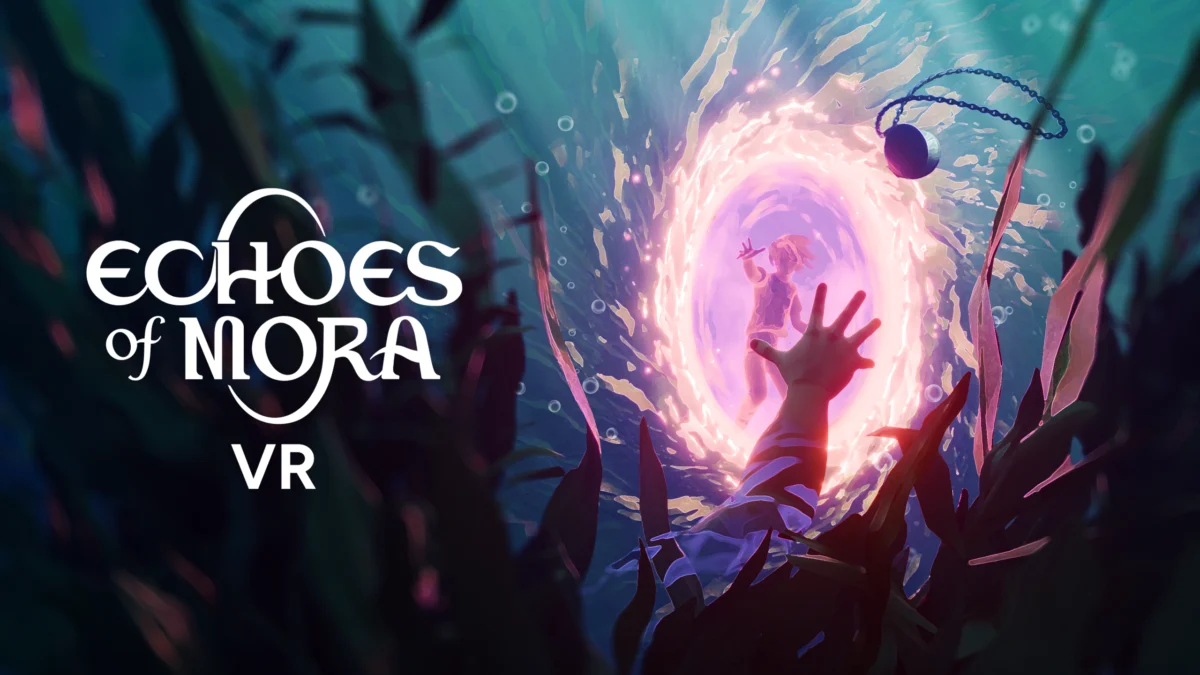
The landscape of virtual reality gaming is often dominated by high-octane shooters and rhythm-based adrenaline rushes. However, a quieter, more contemplative corner of the industry is beginning to flourish. Today marks the official release of Echoes of Mora VR on Steam, a title that prioritizes atmosphere, narrative depth, and emotional resonance over combat and high-stakes peril. Developed by Selkies Interactive—a small but ambitious team of three German master’s students—the game invites players to explore a submerged Italian village, blending historical curiosity with a poignant personal mystery.
Main Facts: A Dual-Tier Launch and Narrative Focus
Echoes of Mora VR arrives on the Steam platform with a unique, albeit potentially confusing, pricing structure that highlights the developer’s commitment to both the VR community and traditional PC gamers. Selkies Interactive has opted to release two distinct versions of the game:
- The VR Edition ($17.99): This is the comprehensive package. It includes full VR support for immersive exploration and puzzles, while also granting access to the standard "flatscreen" (non-VR) mode.
- The Standard Edition ($14.99): A budget-friendly option designed strictly for traditional monitor play. This version does not include VR functionality.
The developer has issued a caveat to prospective buyers: those seeking the immersive experience must ensure they purchase the "VR" branded version, as the lower-priced iteration lacks the necessary head-tracking and motion-control integration.
The Gameplay Experience
Clocking in at an estimated two to three hours, Echoes of Mora is described as a "gentle" experience. Set in a flooded Italian village, players take on the role of the titular character, Mora, as she navigates the ruins of her ancestral home. The primary objective is to uncover the fate of her missing brother.
The game’s central mechanic involves "portals"—temporal rifts that allow players to peer into the past. These glimpses offer a stark contrast between the current, waterlogged state of the village and the vibrant, sun-drenched life it once held. In terms of mechanics, the game eschews traditional "game over" scenarios. There is no combat, no oxygen meter to manage, and no way for the player to fail in a traditional sense. Instead, the focus is on environmental storytelling, puzzle-solving at one’s own pace, and making dialogue choices that subtly alter the flow of the narrative.
Chronology: From Academic Concept to Commercial Release
The journey of Echoes of Mora is a testament to the perseverance of indie developers in an increasingly crowded market. The project began as a master’s thesis project for three students in Germany, who eventually formed Selkies Interactive to bring their vision to a global audience.
The Original Timeline
Initially, the game was slated for an April 2026 release. Early trailers and demos showcased a polished aesthetic that belied the small size of the development team. The "cozy" nature of the game, combined with its striking underwater visuals, generated significant interest among VR enthusiasts looking for experiences similar to Abzû or The Witness.
The Publishing Hurdle and Delay
As the April deadline approached, the team announced a delay, pushing the release into the third quarter of the year. The reason for this postponement was strategic: Selkies Interactive was in deep negotiations with a potential publisher. For a student-led team, a publishing deal represents more than just funding; it offers marketing reach, QA support, and stability.
However, as is common in the volatile world of indie gaming, the deal eventually fell through. In a candid post on the game’s Steam community hub, the developers noted that the potential partnership "came and went," leaving them to return to their roots as a self-published entity. This setback, while delaying the game by several months, allowed the team to further refine the VR controls and ensure the "flatscreen" transition was seamless for the dual-mode launch.
Launch Day
On its release today, the game debuted with a VR-supported demo, allowing players to test their "VR legs" in the underwater environment before committing to the full purchase. This move is seen as a gesture of transparency, particularly given the game’s focus on atmospheric movement which can sometimes trigger motion sickness in sensitive players.
Supporting Data: The Rise of the "Short-Form" Indie VR Title
The 2-3 hour duration of Echoes of Mora places it within a growing trend of "short-form" VR experiences. Industry data suggests that while "AAA" VR titles like Half-Life: Alyx set the bar for length, a significant portion of the VR user base prefers shorter, high-impact experiences that can be completed in one or two sittings.
Pricing Analysis
The $17.99 price point for the VR version sits comfortably in the mid-range for indie VR. Comparison titles include:

- A Fisherman’s Tale (Approx. 2 hours): $14.99
- The Invisible Hours (Approx. 3 hours): $29.99
- Echoes of Mora VR (Approx. 2-3 hours): $17.99
By offering a $14.99 flatscreen-only version, Selkies Interactive is attempting to bridge the gap between the niche VR market and the broader PC gaming audience. This "hybrid" approach is increasingly common as developers seek to maximize ROI on assets that are equally beautiful on a 2D monitor as they are in a headset.
Narrative Branching
While the game is short, Selkies has integrated replayability through narrative choices. The game features two distinct endings based on a final decision made by the player. Furthermore, dialogue choices throughout the game determine the order in which certain scenes play out, providing a customized experience that encourages at least a second playthrough for completionists.
Official Responses: Insights from Selkies Interactive
In the wake of the launch, the developers have been vocal about their philosophy regarding "stress-free" gaming. In official statements and community interactions, the team emphasized that Echoes of Mora was never intended to be a survival game.
"We wanted to create a space where the player feels the weight of the history around them without the constant pressure of a ticking clock or a health bar," the team shared in a recent developer log. "The flooded village is a character in itself. We want players to look at the architecture, listen to the soundscape, and truly feel the ‘echoes’ of what was lost."
Regarding the failed publishing deal, the developers remained professional yet transparent. They acknowledged that while a publisher could have provided a larger platform, self-publishing allowed them to maintain total creative control over the game’s "gentle" pacing—a quality that some publishers might have pressured them to change in favor of more "marketable" action elements.
Implications: The Future of Atmospheric VR and Student Initiatives
The release of Echoes of Mora VR carries several implications for the VR industry and the indie development scene at large.
1. The Validation of the "Cozy VR" Genre
For years, VR was marketed as a tool for intensity—horror games, flight simulators, and combat trainers. Echoes of Mora joins a growing list of titles proving that there is a massive appetite for "Cozy VR." This genre prioritizes mental well-being, relaxation, and narrative immersion. As VR hardware becomes lighter and more comfortable, the demand for experiences that allow users to "unplug" and explore a beautiful, non-threatening world is expected to rise.
2. The Hybrid Release Model
Selkies Interactive’s decision to split the VR and flatscreen versions into two different price points is a bold experiment. Typically, VR-supported games include both modes in a single purchase. By decoupling them, Selkies is testing whether non-VR players are willing to pay a lower entry price for a game originally built for immersion, and whether VR players feel the $3 premium is justified for the added hardware support. If successful, this could become a blueprint for other small teams looking to capture two different market segments without alienating either.
3. Academic Projects as Industry Disrupters
The fact that a team of three students could produce a title with this level of visual and narrative polish highlights the democratization of game development tools like Unreal Engine and Unity. Echoes of Mora serves as a case study for how academic projects can transition into commercial products, provided the team is willing to navigate the complexities of the market, including the pitfalls of publishing negotiations.
4. Environmental and Cultural Storytelling
By choosing a flooded Italian village as the setting, the game taps into contemporary anxieties about climate change and rising sea levels, albeit through a historical and fantastical lens. The use of VR to explore "lost" heritage sites—real or fictional—is a powerful application of the technology. It suggests a future where VR is used not just for entertainment, but as a digital archive for cultural memory.
Conclusion
Echoes of Mora VR is more than just a puzzle game; it is an atmospheric tone poem that challenges the notion that VR must be high-stakes to be engaging. While its short length may deter those seeking a 40-hour epic, its focus on quality, emotional depth, and player agency makes it a significant addition to the Steam VR library. As Selkies Interactive moves from the classroom to the commercial storefront, the industry will undoubtedly be watching to see how this small German team’s vision resonates with a global audience of digital explorers.
For now, players can dive into the waters of Mora, seeking answers in the silence of the deep, and perhaps finding a bit of peace in the process. A full review of the title is expected in the coming days as critics spend more time with the branching paths and hidden secrets of this submerged world.