Noble Vanguard: A $325 Sonic Disappointment That Misses the Mark
In the competitive and often discerning world of audiophile in-ear monitors (IEMs), brands strive to carve out a niche through innovative design and exceptional sound. Noble Audio, a company with a reputation for producing visually stunning and sonically pleasing products, has recently released its Vanguard model. However, this latest offering has unfortunately fallen short of expectations, presenting a perplexing and ultimately disappointing listening experience that raises serious questions about its tuning and value proposition at its $325 price point.
Noble Audio has a pedigree that commands respect. Known for acclaimed products like the flagship Kronos IEMs, the wireless Osprey earbuds, and the innovative FoKus Artemis ANC headphones, the brand has consistently delivered on both aesthetics and audio fidelity. This established track record makes the missteps of the Vanguard all the more surprising and, frankly, disheartening. The Vanguard, instead of continuing this legacy of excellence, feels like a significant departure, a sonic outlier that struggles to justify its premium cost.
The Core Issue: A Fundamentally Flawed Sound Profile
The most significant criticism leveled against the Noble Vanguard is its profoundly imbalanced and jarring sound signature. Rather than exhibiting subtle tuning preferences or a unique, albeit niche, sound profile, the Vanguard’s tuning appears to be a confluence of misjudged decisions across the entire frequency spectrum. The result is an audio experience that can only be described as "fried" – brittle, overly sharp, and lacking the essential coherence that defines a well-tuned IEM.
The reviewer’s initial impression is visceral: "The Noble Vanguard is the sound of something that’s been sitting out in the sun for too long. The audio version of a desiccated foodstuff, I feel it trying to suck out the moisture from my ears, such is its crispy tuning. Can audio sound fried?! Apparently so." This vivid metaphor encapsulates the fundamental problem: the Vanguard’s sound is not merely unappealing; it actively detracts from the listening experience, creating an unnatural and fatiguing sensation.
This is not a matter of personal preference for a particular tuning style. Even IEMs with aggressively bass-heavy or exceptionally bright signatures can be lauded if they achieve balance within their chosen sonic philosophy. The Vanguard, however, fails to achieve this basic equilibrium. The bass, midrange, and treble seem to operate in isolation, failing to harmonize into a cohesive whole. The overall impression is one of a sound that is simultaneously boxy, excessively bright, lean, dry, crispy, sharp, and piercing. The timbre, or the perceived quality of a sound, is particularly unrealistic, leading to instruments and vocals sounding artificial and dislocated.
A Deep Dive into the Sonic Disarray
To understand the extent of the Vanguard’s sonic shortcomings, a detailed examination of its frequency response is necessary. While official frequency response graphs were not provided in the source material, the reviewer’s subjective analysis offers a clear picture of the inherent imbalances.
Bass: Lifeless and Lacking Foundation
The bass performance of the Vanguard is perhaps its most glaring weakness. Described as "weak sauce" and lacking weight and body, the bass notes fail to provide the necessary foundation for the music. When listening to tracks that typically feature prominent basslines, such as Erykah Badu’s "Other Side of the Game," the bass notes are not reproduced with their characteristic depth and impact. Instead, they are characterized as sounding like a "trumpet," an analogy that highlights a lack of natural resonance and fullness.
The reviewer hypothesizes that the issue isn’t necessarily a lack of bass quantity but rather a severe deficiency in its quality and integration with the rest of the sound. The bass frequencies are described as being "strangled of all its life," suggesting that they are overwhelmed or poorly presented within the overall mix. This absence of a solid bass response leaves the music sounding hollow and incomplete, lacking the rhythmic drive and emotional resonance that well-executed bass provides.
Midrange: A Tale of Two Extremes
The midrange is identified as the "culprit" behind many of the Vanguard’s sonic problems. A tonal sweep analysis reveals a significant dip in the 300-800Hz range, which is crucial for the body and warmth of vocals and instruments. This dip results in a "thin lower midrange," making these elements sound hollow and lacking substance.
Compounding this issue is a pronounced peak around 2-4kHz, which aggressively pushes the upper midrange forward. This creates a "sharp, thin edge" to everything, contributing to the overall piercing and fatiguing nature of the sound. While this characteristic could be generously interpreted as "attack and clarity," the overwhelming nature of this peak suggests it is a detrimental imbalance rather than a desirable sonic trait. The reviewer’s attempt to "get it" and find redeeming qualities in the tuning repeatedly leads back to the conclusion that the tuning is "fundamentally misjudged."
Treble: An Overexposed Peak
The treble performance of the Vanguard is difficult to assess in isolation due to the dominance of the upper midrange. While there are no overtly sharp peaks identified in the treble region itself, the context in which it is presented exacerbates its harshness. With a shy bass and an overwhelming upper midrange, even a modest amount of treble can become piercing and unbearable.
Test tracks with prominent treble elements, such as the tambourine and cymbal crashes in Lucinda Williams’ "Sweet Old World," become "close to unlistenable." The reviewer questions whether this is due to an excess of treble or the sharp context created by the upper midrange. The "air" in the treble, which typically adds dimension and spaciousness, instead serves to further highlight the already overbaked upper midrange, akin to shining a spotlight directly at the sun. This creates an uncomfortable listening experience where fine details in the treble are lost in a barrage of harshness.
Build and Design: Mixed Fortunes
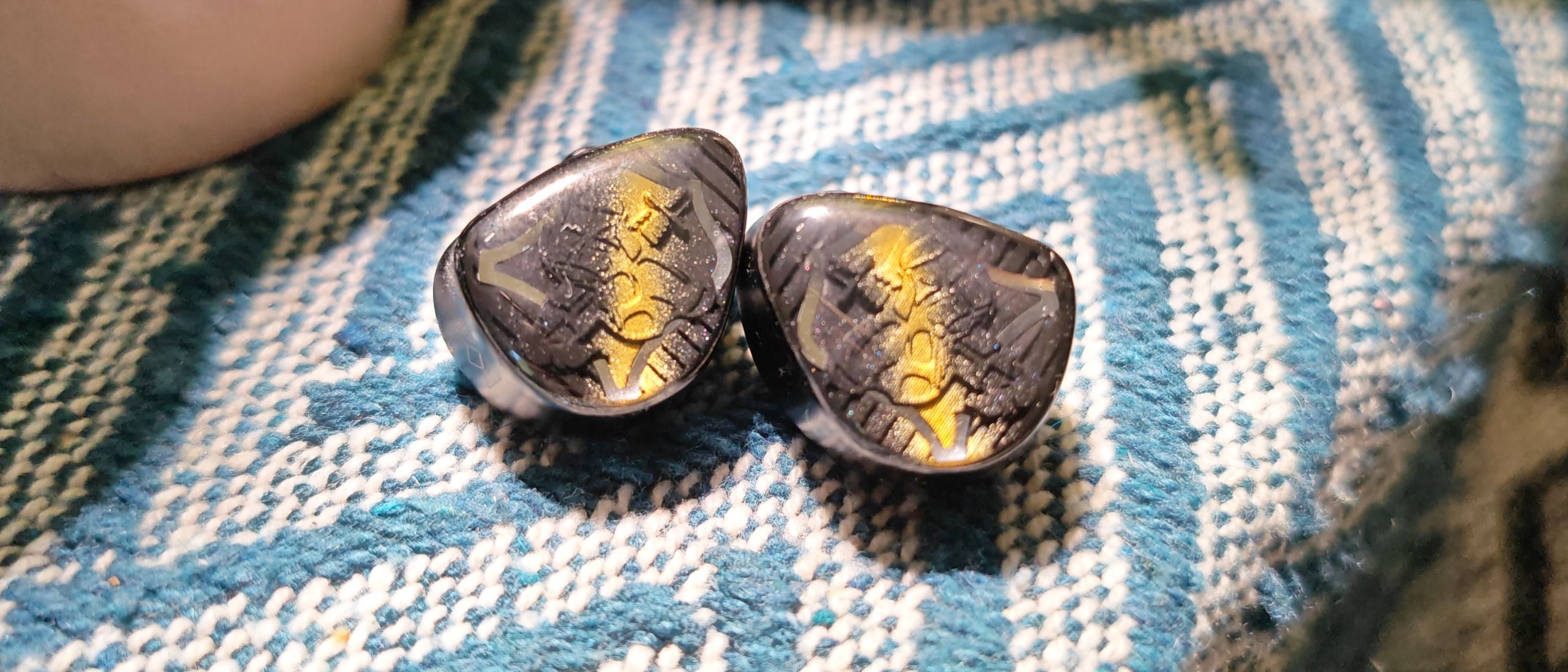
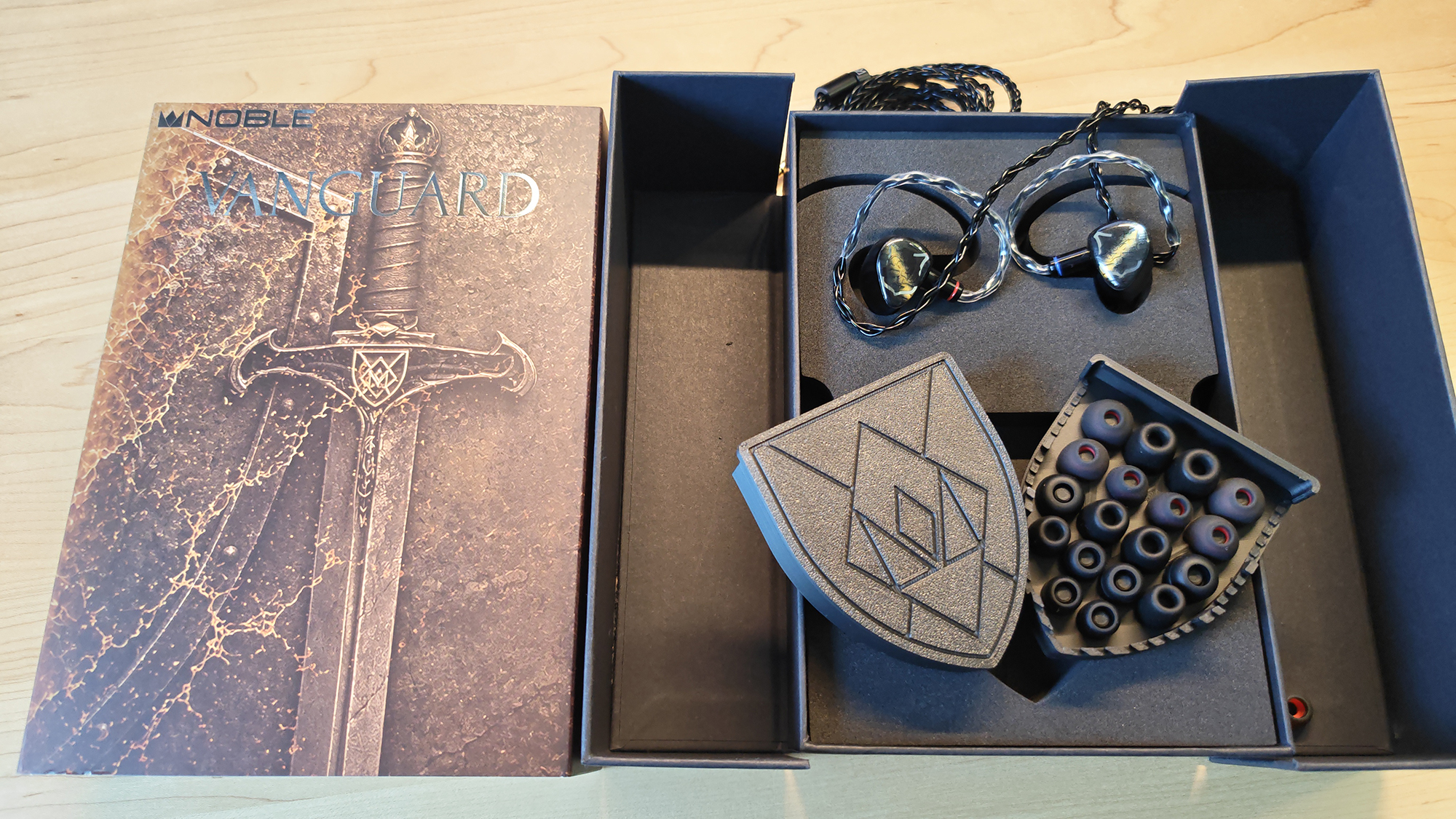
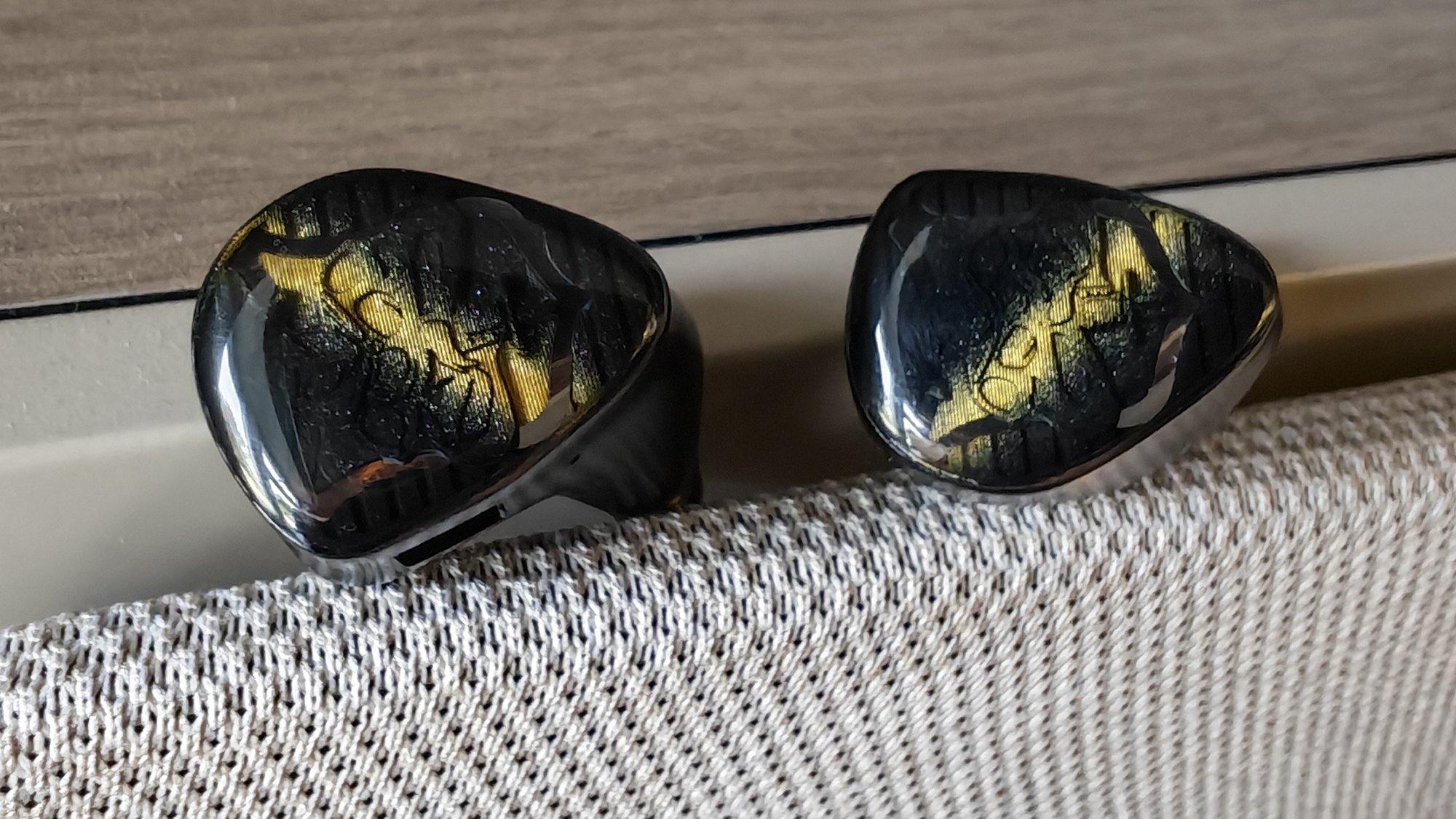
While the sound profile of the Noble Vanguard is undeniably problematic, the physical aspects of the IEM present a more nuanced picture. The build quality is generally considered to be good. The faceplates are constructed from CNC-machined aluminum alloy, and the shells are made from DLP 3D-printed resin, materials that suggest a premium feel and durability.
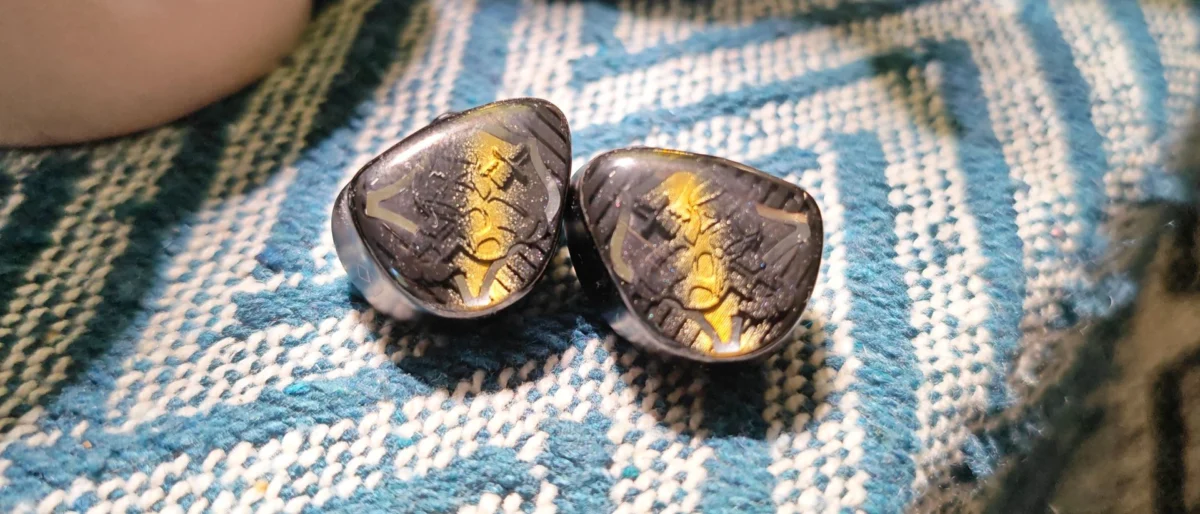
However, even here, there are criticisms. The faceplate design, featuring a "cool-ass medieval sword-wielding warrior," is described as "basically unreadable," diminishing its aesthetic appeal. Furthermore, while the included cable is a "nice thin, black number that doesn’t tangle," it notably lacks modularity. In a market where detachable cables are increasingly standard, even at lower price points, the absence of this feature is a notable drawback and a point deducted from the overall value.
The form factor of the Vanguard is also a point of contention. It is described as a "deep, long-style of IEM," which the reviewer personally finds uncomfortable. While acknowledging that comfort is subjective and some users may prefer this style, it detracts from the overall user experience for a portion of the potential audience.
Price and Value: A Steep Uphill Battle
At $325, the Noble Vanguard enters a highly competitive segment of the IEM market. This price point demands a high level of performance across the board, and unfortunately, the Vanguard fails to deliver. The reviewer directly contrasts the Vanguard with significantly cheaper alternatives that offer superior sound quality.
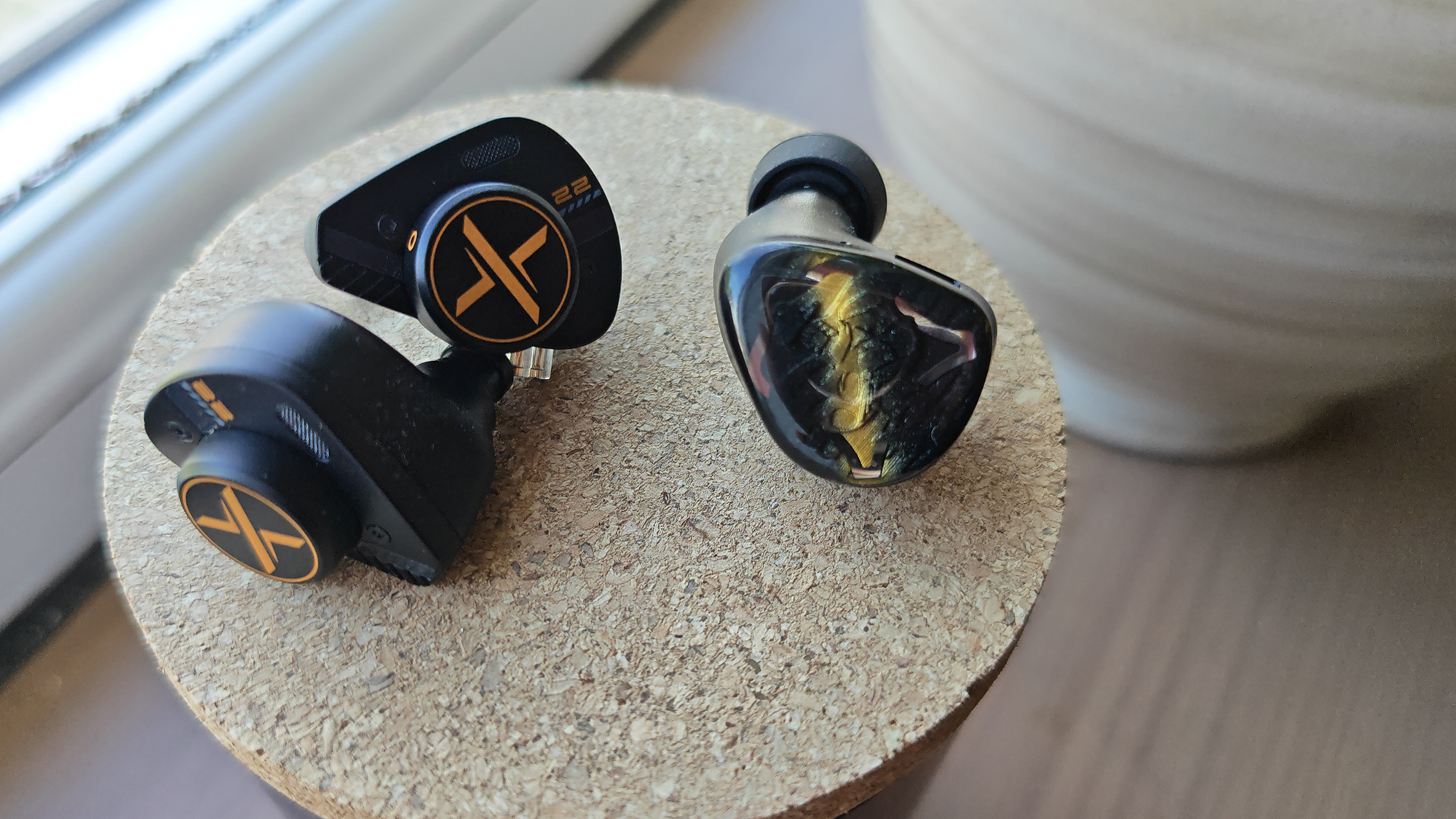
For context, the reviewer points to the $35 Ooopus Op.22, a budget IEM that, despite its less premium build quality, is deemed to be a "better-sounding IEM" than the Vanguard. The Op.22’s standard tuning, which offers a more balanced presentation with a fuller bass-to-midrange and a less aggressive upper midrange, is considered a superior rendition of a bright-leaning sound profile compared to the Vanguard’s imbalanced approach. This comparison is particularly damning, as it highlights that the core issue with the Vanguard is not its price, but its fundamental sonic misexecution.
Other competitors in a similar price bracket, such as the ZiiGaat Horizon ($330) and the Binary EP321 ($310), are cited as offering excellent bright-leaning sound signatures. The Moondrop Blessing 3 ($360) is also mentioned as a strong contender, offering a balanced approach with a more refined presentation. These alternatives demonstrate that achieving a desirable sound profile at this price point is not only possible but is actively being done by other manufacturers.
The Verdict: A Missed Opportunity
The Noble Vanguard represents a significant misstep for a brand that has a proven track record of delivering exceptional audio products. The core of the issue lies in its fundamentally flawed tuning, which results in a sound signature that is brittle, piercing, and fatiguing. While the build quality is decent, it is undermined by a poorly executed design and the absence of a modular cable.
The $325 price tag, when juxtaposed with the sonic performance, offers a profoundly poor value proposition. The reviewer’s strong recommendation is to "Save your ears, save your money, buy something else." This sentiment is echoed throughout the review, underscoring the fact that despite Noble Audio’s established reputation, the Vanguard stands as an anomaly – a product that fails to meet even basic audiophile standards for coherence and balance.
While acknowledging that some individuals might find appeal in the Vanguard’s unique, albeit imbalanced, tuning, the overwhelming consensus from this review is one of profound disappointment. For consumers seeking a well-tuned, enjoyable listening experience at this price point, there are numerous superior alternatives available that do not suffer from the same fundamental sonic deficiencies. The Noble Vanguard, in its current iteration, is a testament to the fact that even established brands can falter, and in this instance, the misstep is significant enough to warrant a firm recommendation against purchase.