The Invisible Architect of the Frame: Paula González-Nasser’s ‘The Scout’ and the Quiet Reality of Indie Filmmaking
The cinematic image is often a carefully constructed illusion, a fragment of reality curated by directors and cinematographers to tell a specific story. Yet, behind every brownstone interior in a Brooklyn drama or every gritty alleyway in a Manhattan thriller lies a professional whose labor is designed to be forgotten the moment the cameras roll. In her directorial debut, The Scout, Paula González-Nasser turns the lens toward this invisible architect: the location scout.
Through the eyes of Sofia (played with a weary, observational grace by Mimi Davila), the film explores a singular thesis: that humans are strangely comfortable baring their souls to someone they perceive as a ghost in the room. As a location scout, Sofia occupies a liminal space in the entertainment industry—an essential cog in the machine who remains a total stranger to the very environments she catalogs.
Main Facts: The Labor Behind the Location
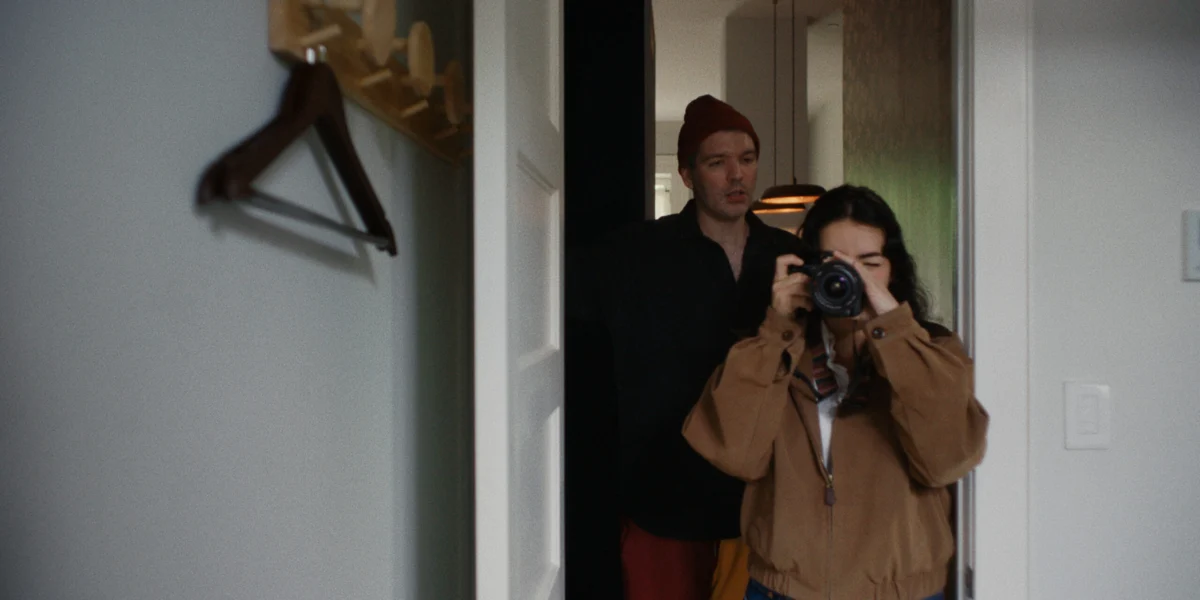
The Scout, released by Greenwich Entertainment, serves as both a narrative character study and a meta-commentary on the logistics of the film industry. The story follows Sofia, a young professional traversing the labyrinthine streets of New York City. Her task is repetitive yet high-stakes: enter the private sanctuaries of strangers, photograph their living rooms, kitchens, and bedrooms, and present these options to a department head. From a hundred potential sites, only one will be chosen; the rest of the residents will return to their lives, likely never knowing how close their home came to being immortalized on screen.
The film is deeply rooted in the lived experience of its creator. Paula González-Nasser transitioned to directing after a prolific career as a location scout on acclaimed New York-centric productions such as High Maintenance and Russian Doll. This background lends the film an undeniable authenticity, capturing the specific "thankless" nature of a job that requires one to be a photographer, a negotiator, and a quasi-therapist all at once.
Produced and edited by Ryan Martin Brown—who recently explored similar themes of urban drift in the film Free Time—The Scout is a quiet, episodic journey. It eschews the high-octane drama typically associated with "movies about movies," opting instead for a dry, observational realism that reflects the mundane stresses of the gig economy.
Chronology: A Day in the Life of a Cinematic Nomad
The narrative structure of The Scout mirrors the disjointed, frantic schedule of its protagonist. The film unfolds through a series of encounters, each serving as a window into the diverse tapestry of New York’s inhabitants.

The Initial Approach
Sofia’s days begin with the digital tether of her smartphone. She answers to four different bosses, each with conflicting demands and shifting priorities. The "musical chairs" of location scouting means that a perfect apartment found on Tuesday might be pulled from the market by Wednesday, forcing Sofia back into the streets. The film captures the early-morning anxiety of the New York commuter, underscored by the constant pressure of a production schedule that waits for no one.
The Intimate Intrusion
As Sofia enters various homes, the film shifts from a procedural to a psychological study. She encounters a wide spectrum of the human condition. There are the elderly residents, such as grandmothers who proudly display family photographs, using Sofia as a captive audience for their stories of loneliness and nostalgia. There are the more sinister encounters, including online scammers who inadvertently share incriminating details of their lives, and the "light" sexual harassment that Sofia must navigate with the practiced neutrality of a service worker.
The Breaking Point
The film’s tension doesn’t come from a singular explosive event, but from the cumulative weight of being a "vessel." Sofia is the person everyone talks to, but no one listens to. The chronology leads toward a quiet realization: Sofia is spending her youth finding spaces for other people’s dreams to live in, while her own aspirations remain stalled. The film concludes not with a grand success, but with the continuation of the grind—another shift in the shooting schedule, another sprint through Brooklyn.
Supporting Data: The Economics and Psychology of the "Scout"
To understand The Scout, one must understand the unique position of the location scout in the modern film hierarchy. Unlike the director or the actors, the scout’s work is completed before the "glamor" begins.
- The Industry Context: Location scouting is a "below-the-line" role that bridges the gap between the creative vision of the production designer and the legal realities of city permits. In a city like New York, where space is at a premium, scouts are the front line of diplomacy between "Hollywood" and the tax-paying public.
- The Economic Exchange: The film highlights a cynical reality of the New York housing market. For many residents, their home is not just a sanctuary but a potential revenue stream. The "easy paycheck" offered by a film crew is often the only reason they allow Sofia inside. This creates a transactional intimacy where the resident feels they have "bought" Sofia’s ear for the duration of her visit.
- The Pacing Contrast: Editor Ryan Martin Brown utilizes a leisurely, "mumblecore-adjacent" pacing. This creates a deliberate juxtaposition: while Sofia is internally screaming with stress, the film remains calm, forcing the audience to experience the world as the strangers see her—as a quiet, efficient, and largely invisible presence.
Official Responses and Critical Reception
The Scout has garnered attention for its refusal to adhere to traditional "growth arc" tropes. Critics have noted that while the film is "episodic in the classic tradition of New York indies," it manages to avoid the aimlessness that often plagues the genre.
Grade: B-
Critical consensus suggests that while the film is a masterful atmospheric piece, its sparse dialogue and lack of an internal monologue for Sofia may leave some viewers feeling like "outsiders." However, this is precisely the point González-Nasser seems to be making. By denying the audience access to Sofia’s inner thoughts, the film forces us to participate in the same dismissive patterns as the apartment owners. We, too, begin to see her as a vessel until small, poignant breaks from her work reveal the complexity beneath the surface.

Industry insiders have praised the film for its "humbling perspective." For those who have worked in independent film, The Scout is a mirror. It captures the specific exhaustion of the "small-time" hustle, where the stakes feel world-ending to the crew, but are entirely irrelevant to the person living in 4B.
Implications: The High Cost of Proximity to the Dream
The most profound implication of The Scout lies in its exploration of "proximity to the dream." Sofia’s life is a paradox that many young creatives in urban centers will recognize. She has a job that her corporate-ladder friends envy—she "makes TV shows"—yet she is further from her own creative goals than they are from theirs.
The "Therapist" Burden
The film suggests that the "invisibility" of service and logistical workers leads to a unique form of emotional labor. When people see someone as a "non-person" or a transient figure, they use them as a confessional. This "quasi-therapy" is a hidden tax on the working class of the film industry, who must absorb the trauma and eccentricities of the public to keep the production moving.
The Stagnation of the Scout
There is a haunting quality to the way Sofia explores other people’s most intimate spaces while she "feels behind schedule in creating her own." This speaks to a broader generational anxiety: the fear that we are merely witnesses to life rather than participants. By spending 12 hours a day in other people’s homes, Sofia has no time or energy to cultivate her own "home," both literally and metaphorically.
The Future of the NYC Indie
The Scout marks a continuation of a specific lineage of New York filmmaking—one that focuses on the "spaces between." Following in the footsteps of directors like Jim Jarmusch or the Safdie Brothers (in their earlier, more observational work), González-Nasser proves that there are still new ways to look at the most photographed city in the world. The implication for the industry is clear: the most compelling stories aren’t always the ones being filmed on the set; sometimes, they are the stories of the people who found the set in the first place.
As The Scout moves from its residency at New York’s Film Forum to the Alamo Drafthouse in Los Angeles and eventually a nationwide release, it stands as a tribute to the invisible workers of the world. It is a reminder that behind every frame of our favorite media, there is a "Sofia"—stressed, invisible, and listening to a stranger’s life story while she waits for the next train to Brooklyn.