A Season of Speculative Wonders: Charting the Latest in Science Fiction and Fantasy Realms
The speculative fiction landscape is poised for a vibrant and diverse surge of new releases in mid-2026, promising readers an eclectic mix of enthralling narratives spanning hard science fiction, dark fantasy, cosmic horror, and satirical space opera. From ambitious debut novels that tackle pressing societal issues to masterfully curated anthologies showcasing the genre’s finest short stories, and the grand finales of beloved series, the upcoming months herald a period of profound literary exploration. This season underscores a commitment to expanding genre boundaries, championing diverse voices, and reinterpreting classic themes through a contemporary lens, offering both escapism and a keen reflection on the human condition.
Readers can anticipate a rich tapestry of stories that delve into everything from the ethical complexities of AI-dominated futures and the intricate politics of galactic empires to the magical allure of 19th-century Parisian circuses and the comforting embrace of timeless queer sanctuaries. The collective output represents a robust and evolving genre, one that continues to challenge, entertain, and provoke thought in equal measure.

Forthcoming Realms: A Detailed Look at 2026’s Speculative Fiction Offerings
The publishing calendar for mid-2026 is brimming with titles that promise to captivate and challenge audiences. This curated selection highlights some of the most anticipated books, categorizing them by their primary release windows and thematic resonance.
June 2026: Debuts, Dystopias, and Dark Magic Unleashed
S.C. Bandreddi’s The Game of Oaths (Candlewick, June 2026) marks a significant debut in the young-adult historical dark fantasy genre. Set against the richly atmospheric backdrop of 1896 Paris, the novel plunges readers into a world where a magical circus serves as both a spectacle and a prison. Performers, bound by intricate and unforgiving contracts, are forced into a deadly tournament designed to entertain the elite. The promise of freedom for the victor dangles tantalizingly, yet for one particular competitor, the stakes transcend mere liberty; a burning desire for revenge fuels their every perilous act. Bandreddi masterfully weaves together threads of brutal action and intricate magic, creating a narrative that is as thrilling as it is thought-provoking. The diverse cast navigates not only the immediate dangers of the tournament but also grapples with profound issues of colonialism, lending a serious and resonant depth to the fantastical premise. This debut signals an exciting new voice in YA literature, unafraid to blend historical detail with grim magical realism and social commentary.

Concluding a highly acclaimed saga, Maurice Broaddus’s A City Dreaming (Tor, June 2026) is the third and final volume in the Astra Black trilogy. This installment promises a complex and action-packed culmination of political intrigue, expanding the narrative to cosmic proportions. The plot hinges on a mysterious signal emanating from a wormhole, portending the arrival of new entities that immediately trigger widespread conflicts across the solar system. The fragile peace and intricate power dynamics of the mighty Muungano Empire are threatened, forcing characters and readers alike to confront the implications of interstellar diplomacy and warfare. Broaddus is known for his intricate world-building and nuanced character development, and A City Dreaming is expected to deliver a powerful resolution to a sprawling narrative that has captivated science fiction fans since its inception.
For enthusiasts of rigorous, scientifically grounded storytelling, Allan Kaster, ed., The Year’s Top Hard Science Fiction Stories 10 (Infinivox, June 2026) arrives as the latest installment in a popular and respected anthology series. This volume presents 11 meticulously crafted stories from 2025, featuring an impressive roster of celebrated writers. Contributors include luminaries such as Vera Brook, Isabel J. Kim, Nancy Kress, Allen M. Steele, the collaborative duo of Bruce Sterling & Paul Di Filippo, and Peter Watts. The anthology is a testament to the enduring appeal of hard science fiction, where imaginative speculation is tethered by scientific plausibility, offering narratives that are both intellectually stimulating and viscerally engaging. Kaster’s selections consistently highlight the cutting edge of the subgenre, showcasing authors who not only dream of possible futures but also carefully engineer the pathways to get there.

A monumental collection from one of contemporary speculative fiction’s most prolific and lauded authors, Adrian Tchaikovsky’s The Best of Adrian Tchaikovsky (Subterranean, June 2026) offers a comprehensive journey through his expansive career. Handpicked by the author himself, this hefty volume gathers 37 stories, accompanied by an insightful introduction from fellow acclaimed author John Scalzi. Tchaikovsky made the deliberate choice to omit some previously collected works, particularly those from his Shadows of the Apt series and his Lovecraftian Mythos stories, to present a fresh and diverse retrospective. What remains is a plentiful and entertaining mix of science fiction, fantasy, and sheer "weirdness" that spans the majority of Tchaikovsky’s creative output, from his early tales to his most recent, showcasing his remarkable versatility and imaginative prowess.
In the realm of young-adult fantasy, Jen St. Jude’s Where You’ll Find Us (Bloomsbury US, June 2026) emerges as a poignant and imaginative narrative. The story follows a disowned queer teen who stumbles upon a mysterious farmhouse existing outside the conventional flow of time. This unique sanctuary serves as a refuge for queer kids from different decades, providing a space where they can share their experiences, find community, and heal. The idyllic existence, however, is threatened when the clock within the farmhouse begins to tick again, signaling an impending change or perhaps a return to a world that may not be ready for them. St. Jude’s novel explores themes of identity, belonging, and the search for safe havens, promising an emotionally resonant tale that speaks to the power of shared stories and chosen families.

July 2026: Cosmic Horrors and Satirical Journeys
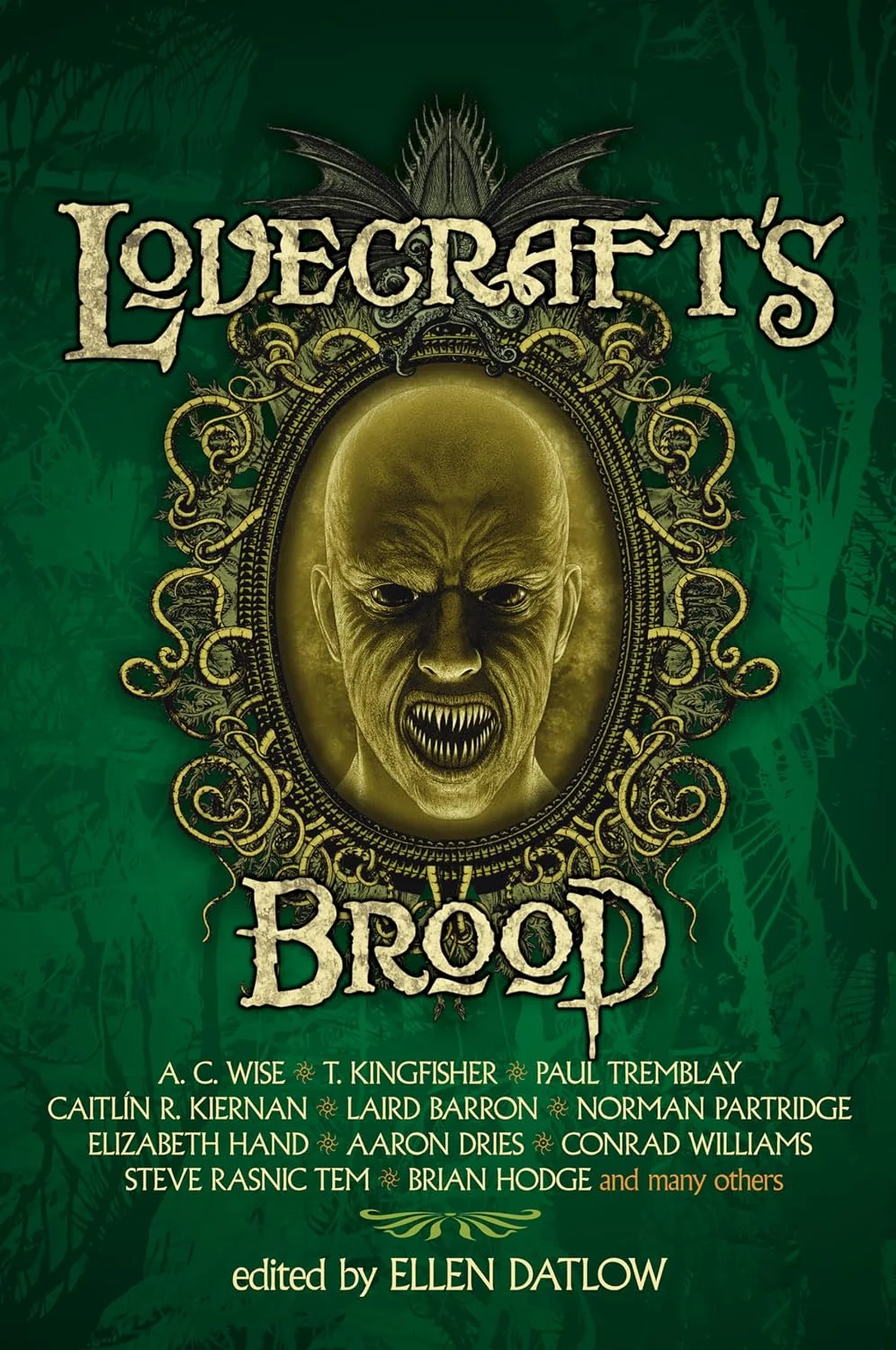
The master of horror anthologies, Ellen Datlow, ed., Lovecraft’s Brood (Tachyon, July 2026) presents a chilling new collection of cosmic dread. Comprising 19 stories from the last two decades, the anthology offers fresh and unsettling takes on Lovecraftian themes, moving beyond mere imitation to explore the vast, uncaring cosmos through contemporary sensibilities. Datlow’s unparalleled editorial eye brings together a formidable roster of authors, including Laird Barron, Elizabeth Hand, Caitlín R. Kiernan, T. Kingfisher, Steve Rasnic Tem, Paul Tremblay, and L. Marie Wood. This collection is a testament to the enduring influence of H.P. Lovecraft while demonstrating how modern writers are evolving his legacy, addressing the inherent anxieties of the 21st century with tales of existential terror and the unknowable.
A compelling debut collection, Haralambi Markov’s The Language of Knives (Mythic Delirium, July 2026) offers 13 dark fantasy and horror stories, four of which are entirely new. Markov’s work is characterized by its evocative blend of Slavic myth, sharp dark humor, and insightful explorations of queer identity. With an introduction by the esteemed Ann VanderMeer, this collection promises to introduce readers to a distinctive and powerful new voice. Markov’s narratives delve into the eerie and the uncanny, often using folkloric elements to explore contemporary anxieties and the complexities of selfhood in a world both magical and mundane. The collection is anticipated to be a significant entry in the dark fantasy genre, pushing boundaries with its thematic depth and unique stylistic approach.

Injecting much-needed humor into the vastness of space, Alex Shvartsman’s The Best of All Possible Planets (UFO Publishing, July 2026) is a satirical science fiction space opera novel. Drawing primary inspiration from Voltaire’s classic Candide and liberally seasoned with the comedic genius of Douglas Adams, Shvartsman’s work is a veritable Easter egg hunt of genre and pop culture references. Reviewer Adrienne Martini notes, "an exhaustive hunt for every Easter Egg would go against the spirit of this breezy read. Just relax and let the ride take you away from the actual world for a bit." The narrative follows a small, seemingly ill-equipped group on a mission to acquire a new protective force shield for Earth, affectionately dubbed "Planet Dirt." As expected in such a delightfully chaotic universe, pandemonium ensues, providing both laugh-out-loud moments and shrewd commentary on the absurdities of existence.
Other Notable Releases: February, May, and Beyond
Justin C. Key’s The Hospital at the End of the World (Harper, February 2026) is a thought-provoking near-future science fiction novel that imagines a society where healthcare has undergone a radical transformation. In this world, hospitals are run entirely by advanced AI, reducing human doctors to little more than "glorified software engineers," as noted by Ian Mond. The protagonist, Pok, a medical student, finds himself in a unique predicament: he is forced to work in the last remaining hospital not governed by algorithms. This challenging environment compels him to relearn how to interact with patients in a genuinely human way, all while simultaneously striving to uncover a mysterious secret harbored by his father. Key’s novel promises a timely exploration of the ethical implications of AI in critical sectors, the erosion of human connection, and the enduring value of empathy in an increasingly automated world.

Offering a unique twist on a literary classic, Kate Heartfield’s Mercutio (Harper Voyager UK, May 2026) is a "prequel" to Shakespeare’s iconic Romeo and Juliet. This fantasy novel finally gives Romeo’s witty and flamboyant friend, Mercutio, his own story. In an unexpected pairing, Mercutio teams up with the legendary poet Dante Alighieri to thwart a burgeoning Faerie invasion threatening to spill into the human world. Heartfield ingeniously blends historical fiction, Shakespearean drama, and high fantasy, crafting a narrative that enriches the familiar world of Verona with magical intrigue and epic stakes. This novel promises a fresh perspective on beloved characters and a compelling adventure that delves into the hidden magic lurking beneath the surface of history.
Beyond the Blurbs: Themes and Trends Shaping the Genre
The upcoming releases are not merely individual stories but collectively represent significant trends within speculative fiction. They highlight a genre that is increasingly self-aware, diverse, and willing to engage with complex contemporary issues.

The Evolving Face of YA Speculative Fiction
The young adult category, exemplified by Bandreddi’s The Game of Oaths and St. Jude’s Where You’ll Find Us, continues to evolve beyond simple coming-of-age narratives. These novels demonstrate a powerful capacity to address mature themes such as colonialism, social injustice, and the search for identity and belonging for marginalized youth. Bandreddi’s exploration of colonialism within a fantastical circus setting provides a compelling metaphor for historical oppression, while St. Jude’s timeless farmhouse offers a poignant vision of a safe space for queer teens. This trend signals a growing sophistication in YA literature, where fantasy elements serve not just as escapism but as tools for critical engagement with the real world.
Reimagining Classics and Expanding Universes
A notable trend is the creative reinterpretation of literary classics and established mythologies. Kate Heartfield’s Mercutio breathes new life into Shakespearean lore by weaving in Faerie mythology, demonstrating how beloved narratives can be expanded and re-contextualized for modern audiences. Similarly, Alex Shvartsman’s The Best of All Possible Planets draws directly from Voltaire’s Candide, proving that the satirical power of foundational texts remains potent when applied to contemporary genre tropes. Ellen Datlow’s Lovecraft’s Brood is another prime example, showcasing how contemporary authors are engaging with and evolving the themes of cosmic horror beyond its problematic origins, transforming it into something fresh and terrifyingly relevant. This trend speaks to the genre’s recursive nature, where foundational stories continue to inspire new generations of writers.

The Enduring Power of the Anthology
Anthologies, as seen with Allan Kaster’s The Year’s Top Hard Science Fiction Stories 10 and Ellen Datlow’s Lovecraft’s Brood, remain crucial pillars of speculative fiction. They serve as vital platforms for showcasing the breadth and depth of short fiction, introducing readers to both established masters and emerging talents. These collections are invaluable for identifying new voices, tracking thematic trends, and providing snapshots of the genre’s health and direction. They offer a concentrated dose of imaginative storytelling, allowing readers to sample diverse styles and ideas within a single volume.
Social Commentary Through Speculative Lenses
Perhaps one of the most compelling aspects of these upcoming releases is their adept use of speculative elements to dissect and comment on pressing societal issues. Justin C. Key’s The Hospital at the End of the World delves into the ethical quagmire of AI in healthcare and the diminishing role of human connection. Maurice Broaddus’s A City Dreaming explores the complexities of imperial power and interstellar politics, reflecting on themes of conflict and diplomacy. Haralambi Markov’s The Language of Knives uses Slavic myth and dark humor to explore queer identity, offering cultural insights through a fantastical lens. These works demonstrate speculative fiction’s unique ability to examine difficult truths and project societal anxieties into imaginative futures or alternate realities, making complex issues more accessible and thought-provoking.

Critical Reception and Authorial Intentions
The buzz surrounding these releases indicates a vibrant and engaged critical landscape within speculative fiction. Editors like Ellen Datlow are celebrated for their discerning taste and ability to curate collections that define subgenres. Authors like Adrian Tchaikovsky are lauded for their prolific output and genre-bending innovation, with The Best of Adrian Tchaikovsky serving as a definitive statement of his artistic range. The enthusiasm for debut authors like S.C. Bandreddi and Haralambi Markov highlights the genre’s continuous search for fresh perspectives and compelling new narratives.
Reviewers and readers alike are increasingly seeking stories that offer both compelling plots and meaningful thematic depth. The positive reception for narratives that tackle colonialism, queer identity, AI ethics, and political intrigue through fantastical or scientific frameworks underscores a collective desire for literature that entertains while also engaging with the world’s complexities. The "breezy read" quality noted for Shvartsman’s satire, for example, doesn’t diminish its intellectual underpinnings but rather makes its commentary more palatable and widely appealing.

Implications for the Future of Speculative Fiction
This diverse slate of upcoming releases reaffirms the robust health and dynamic evolution of speculative fiction. The genre continues to expand its reach, attracting new readers with its blend of imaginative world-building, compelling characters, and resonant themes. The continued emphasis on diverse narratives and creators, as seen in the works of Bandreddi, Broaddus, Markov, and St. Jude, suggests a future where speculative fiction increasingly reflects the multifaceted tapestry of human experience.
The blurring of genre lines, with elements of historical fiction, social commentary, and literary ambition seamlessly integrated into fantasy and science fiction frameworks, signals a maturing genre that defies rigid categorization. Speculative fiction is proving itself not just as a source of escapism but as a powerful medium for cultural critique, philosophical inquiry, and emotional resonance. As these stories hit the shelves, they will undoubtedly contribute to ongoing conversations, inspire new writers, and further solidify speculative fiction’s place at the forefront of contemporary literature, inviting readers to explore countless possibilities and ponder profound questions about humanity’s past, present, and future.