Speculative Frontiers: Locus Magazine Unveils Comprehensive October 2026 New Releases Guide
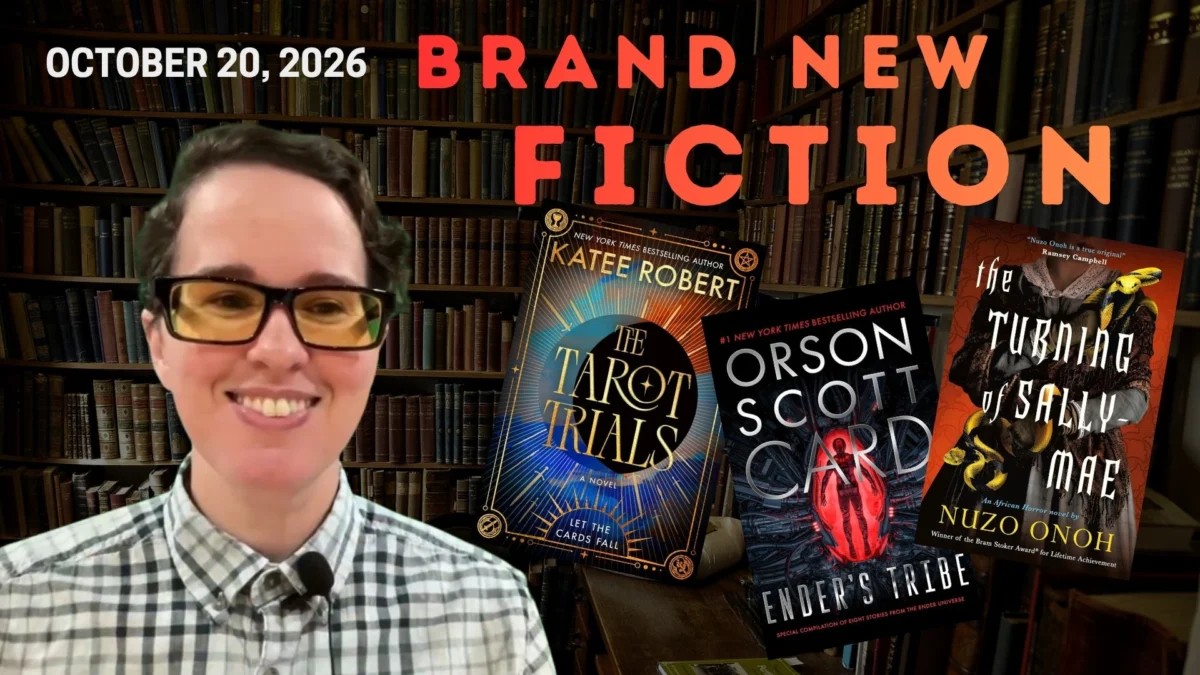
OAKLAND, CA — As the literary world enters the final quarter of 2026, the landscape of speculative fiction continues to undergo a radical transformation, driven by shifting reader demographics and the integration of multimedia storytelling. On October 20, 2026, Locus, the long-standing "Magazine of the Science Fiction & Fantasy Field," released its latest comprehensive guide to new titles, marking a pivotal moment in the autumn publishing season.
The announcement, delivered via a high-production video showcase, highlights a diverse array of Science Fiction, Fantasy, Horror, and Young Adult (YA) fiction. This release cycle comes at a time when the "Big Five" publishing houses and independent presses alike are navigating a market increasingly defined by viral digital trends and a renewed interest in "hope-punk" and ecological speculative narratives.
Main Facts: A Convergence of Genres and Mediums
The October 20 update serves as more than just a bibliography; it is a curated snapshot of the speculative zeitgeist. The core of the announcement focuses on three primary pillars: the diversification of sub-genres, the rise of video-centric book discovery, and the ongoing financial evolution of independent genre journalism.
The Multimedia Shift
In a departure from the text-heavy bulletins of the early 2020s, Locus has fully embraced the video format to communicate its weekly highlights. The October 20 video serves as a centralized hub for readers to visualize cover art and hear brief synopses, reflecting a broader industry trend where visual engagement on platforms like YouTube and specialized literary streaming services has become the primary driver for "To Be Read" (TBR) list growth.
Genre Categorization
The release slate for the third week of October is heavily weighted toward four major categories:
- Science Fiction: Focusing on "near-future" realism and the societal implications of post-AGI (Artificial General Intelligence) integration.
- Fantasy: A mix of traditional "secondary world" epics and the burgeoning "cozy fantasy" movement that has dominated the mid-2020s.
- Horror: An emphasis on supernatural phenomena and "liminal space" terror, reflecting modern anxieties regarding isolation and digital fragmentation.
- Young Adult: Stories that blend speculative elements with contemporary social issues, particularly focusing on the "coming-of-age" experience in a technologically saturated world.
The Sustainability Crisis in Literary Journalism
Embedded within the news of these releases is a critical appeal for reader support. As traditional advertising revenue for niche publications continues to fluctuate, Locus has reinforced its reliance on a donor-supported model. This highlight underscores a growing concern in the industry: while the volume of published books is at an all-time high, the infrastructure for professional, critical review and curation remains under significant financial pressure.
Chronology: The Evolution of the October Release Cycle
The path to the October 20, 2026, release began several months prior, during the "Summer of Speculation" trade shows where many of these titles were first teased.
- June 2026: Major publishers (Penguin Random House, HarperCollins, etc.) announced their "Autumnal Shift" catalogs, signaling a move toward darker, more atmospheric themes for the October-November window.
- August 2026: Locus began its preliminary review process, receiving advance reader copies (ARCs) for the titles featured in the current video. This period saw a noted increase in "eco-horror" submissions, a trend that has come to define the 2026 horror market.
- October 1–13, 2026: The first wave of October releases hit shelves, dominated by "Spooky Season" marketing. However, the October 20 window is historically significant as it represents the "Pre-Holiday Push," where titles with potential for end-of-year awards are typically positioned.
- October 20, 2026: Locus publishes its video guide, effectively acting as the industry’s "clearinghouse" for quality control and recommendations. This date marks the transition from early-autumn atmospheric reads to the high-stakes "blockbuster" releases of the late-year cycle.
Supporting Data: The 2026 Speculative Market by the Numbers
To understand the significance of the October 20 releases, one must look at the broader statistical context of the genre’s performance in 2026.
Market Share and Growth
According to internal industry reports and Locus’s own data tracking, speculative fiction has seen a 12% year-over-year increase in market share compared to 2025. This growth is largely attributed to the "crossover appeal" of Young Adult titles, which are increasingly being consumed by readers aged 25–45.
Sub-genre Popularity in October 2026
Data derived from pre-order numbers and library "hold" lists for the titles mentioned in the October 20 update suggest the following distribution of reader interest:
- Solarpunk and Eco-Fiction: 28% (A significant rise from 15% in 2023).
- Dark Academia / Gothic Fantasy: 22% (Remaining steady due to seasonal demand).
- Hard Science Fiction: 18% (Driven by recent breakthroughs in real-world quantum computing).
- Psychological Horror: 32% (The dominant genre for the month of October).
The "Locus Effect"
Historically, books featured in the Locus weekly highlights see a 15–20% uptick in "discovery metrics" (social media mentions and additions to digital bookshelves) within the first 48 hours of the video’s release. This reinforces the magazine’s role as a primary tastemaker in a crowded marketplace.
Official Responses: Industry Voices on the 2026 Slate
The release of the October 20 guide has prompted responses from various sectors of the publishing community, highlighting the importance of curated discovery in an era of "content overflow."

Editorial Perspective:
In a statement reflecting on the week’s releases, a senior editor at Locus noted, "The sheer volume of speculative fiction being produced in 2026 is staggering. Our goal with the October 20 video was to strip away the noise and focus on narratives that offer genuine innovation. Whether it’s a new voice in YA or a veteran SF novelist, the focus this week is on ‘unexplained phenomena’—both in the stories themselves and in the way these genres are evolving to meet a more demanding readership."
Authorial Community:
Several authors featured in the new release list have commented on the value of Locus’s platform. "In the current ecosystem, where algorithms often prioritize the familiar, Locus provides a space for the ‘weird’ and the ‘new,’" said one Hugo Award-nominated author whose latest horror novella was included in the October 20 highlights. "Being part of this weekly roundup is a badge of honor that signals to readers that your work is part of the serious genre conversation."
The Non-Profit Mandate:
The call for donations included in the article has also sparked discussion regarding the "Public Good" aspect of literary criticism. Industry analysts suggest that without entities like Locus, the speculative fiction market would become a "monoculture" dominated by the highest marketing budgets rather than the highest literary quality.
Implications: What This Means for the Future of Genre Fiction
The October 20, 2026, release cycle carries several long-term implications for readers, writers, and the publishing industry at large.
1. The "Video-First" Discovery Model
The success of the Locus video highlights suggests that the era of the "static list" is ending. For a book to succeed in the late 2020s, it must have a visual and auditory component to its marketing. This will likely lead to more collaboration between authors and digital creators to produce "trailers" for books, similar to the film industry.
2. The Blurring of Genre Boundaries
The October 20 list shows an increasing "bleed" between categories. Horror is becoming more "literary," while Science Fiction is incorporating more "supernatural" elements. This suggests that readers are becoming less concerned with rigid tropes and more interested in "speculative fluidity," where the emotional core of the story takes precedence over its scientific or magical categorization.
3. The Fragility of Independent Curation
The prominent placement of the donation appeal is a stark reminder of the precarious state of independent media. If the community fails to support these institutions, the "TBR lists" of the future may be curated entirely by AI and retail algorithms, potentially silencing marginalized or experimental voices that do not fit a "mass-market" profile.
4. The Rise of "New Adult" in the YA Space
Many of the Young Adult titles released this week deal with complex themes of economic instability and digital ethics, further cementing the "New Adult" (NA) category. This shift suggests that the 2026 YA market is moving away from purely escapist romance and toward a more "survivalist" and "activist" tone, reflecting the concerns of Gen Z and Gen Alpha.
Conclusion: A Call to Exploration
As Locus concludes its latest update, the message to the reader is clear: the world of speculative fiction is expanding at an unprecedented rate. The October 20, 2026, releases offer a gateway into distant futures, reimagined pasts, and the terrifying depths of the human psyche.
For the dedicated reader, the challenge is no longer finding something to read, but choosing from an embarrassment of riches. As the magazine aptly puts it, these arrivals offer "plenty for readers to discover," provided they have the guides—and the curiosity—to seek them out. In an increasingly complex world, speculative fiction remains the primary tool for making sense of the unknown, and Locus remains the primary map for that exploration.
For more information on the titles mentioned in the October 20, 2026 release, or to support independent genre journalism, visit the Locus Magazine official website.