Locomochi: Redefining the Cozy Puzzle Genre Through Locomotion and Wholesome Design

The indie gaming landscape has seen a significant shift over the last five years, moving away from high-stress, twitch-reflex challenges toward "cozy" experiences that prioritize relaxation, aesthetic pleasure, and tactile satisfaction. Standing at the intersection of this movement and the classic logic-puzzle genre is Locomochi, a train-based puzzle game that recently garnered significant attention during its showcase at Pocket Gamer Connects (PGC) Barcelona. While the market for rail-based puzzles is increasingly crowded, Locomochi distinguishes itself by subverting traditional mechanical constraints, offering a fluid, emoji-driven world that emphasizes experimentation over rigid solutions.
Main Facts: A New Engine in the Cozy Gaming Space
Locomochi is an upcoming indie title that tasks players with navigating a series of whimsical landscapes, operating a modular train to deliver goods and connect various carriages. At its core, the game is a spatial reasoning puzzle, but it strips away the "fail-states" typically associated with the genre. Developed with a focus on "wholesome" interactions, the game replaces traditional dialogue with a universal emoji-based communication system, ensuring accessibility across linguistic barriers.
The game’s standout feature, noted by attendees at PGC Barcelona, is its physics-defying approach to train movement. Unlike traditional simulators or even most logic-based rail games, Locomochi allows for seamless forward and backward movement, enabling players to treat the train more like a living organism that can "sniff out" solutions rather than a rigid vehicle bound by one-way tracks. Currently available for wishlisting on Steam, the game represents a growing trend of "low-friction" puzzle design where the joy of interaction is as important as the solution itself.
Chronology: From Concept to the Barcelona Spotlight
The development of Locomochi follows a trajectory familiar to many successful indie "passion projects," though its specific path to public recognition reached a milestone in late 2024.
- Conceptualization and Prototyping: The project began with a focus on "tactile train movement." The developers sought to move away from the "dead-end" logic of games like Pipe Mania or more modern rail-layers, focusing instead on the physical sensation of connecting wagons.
- The Rise of the "Wholesome" Aesthetic: Early in development, the visual identity was solidified. By adopting a "Mochi-like" aesthetic—characterized by soft edges, pastel palettes, and squishy animations—the team aligned the game with the burgeoning "Wholesome Games" community.
- PGC Barcelona Showcase: In the summer of 2024, Locomochi was presented at Pocket Gamer Connects Barcelona. This event served as the game’s primary "stress test" for public reception. Observers noted that the game’s intuitive controls allowed players to jump in without tutorials, a rarity in the puzzle genre.
- Official Trailer Reveal: Following the success at PGC, the developers released a reveal trailer via Gamflix, showcasing the diverse biomes—ranging from lush countrysides to autumnal forests—and the emoji-based quest system.
- Wishlist Phase: As of August 2024, the game has entered its primary marketing phase on Steam. While a definitive release date remains unannounced, the developers are utilizing player feedback from the Barcelona showcase to polish the late-game level design.
Supporting Data: Mechanics, Visuals, and the "Anti-Logic" Logic
To understand why Locomochi has resonated with the indie community, one must look at the specific data points of its design philosophy.
1. The Fluidity of Movement
Most train puzzles (such as Railbound or Train Valley) operate on a "place and play" mechanic where the player builds the track and then watches the train move. Locomochi reverses this. The player is the train.
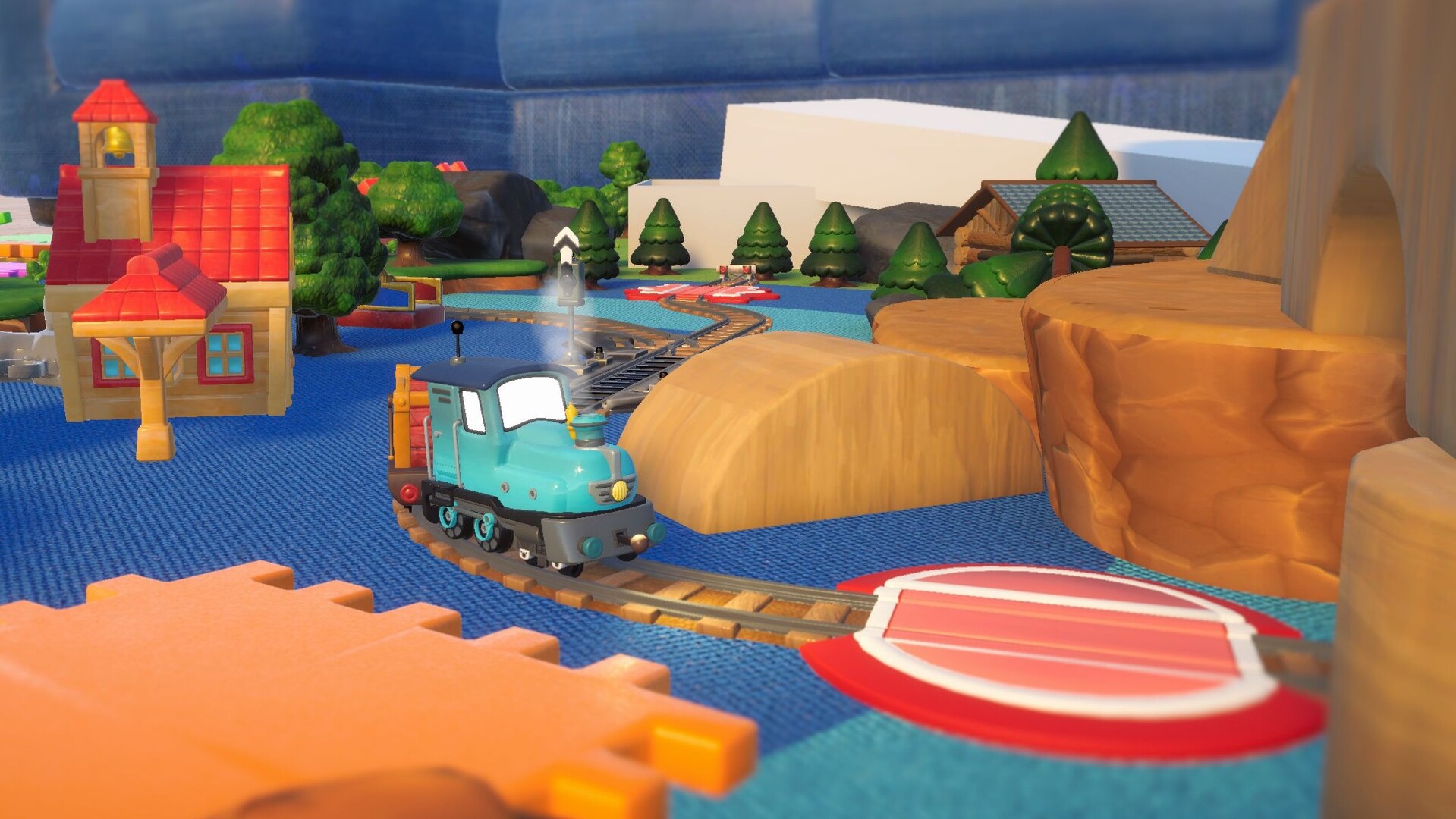
- Bi-directional Navigation: Players can reverse the engine at any time. This allows for a "trial and error" approach that doesn’t require restarting the level.
- Modular Coupling: The train can connect to wagons from both the front and rear. This adds a layer of spatial complexity: "Do I need to push this wagon into a siding, or pull it to the station?"
2. Environmental Interaction
The levels in Locomochi are not static grids. They are interactive dioramas.
- Interactive Levers: Players must often drive to remote sections of the map to toggle switches that change the track layout in real-time.
- Non-Linear Progression: Many levels offer multiple paths to the same goal. This "sandbox" approach to puzzle-solving reduces player frustration and encourages exploration of the beautifully rendered backgrounds.
3. The Emoji Communication System
The decision to use emojis instead of text is a calculated design choice.
- Universal Design: By removing text, the game is natively localized for every market globally.
- Emotional Resonance: Emojis convey the "mood" of the stations and passengers, reinforcing the "cozy" vibe. When a station-master displays a "Cake" and a "Question Mark" emoji, the objective is immediately clear without the need for a quest log.
Official Responses: Developer Insights and Critic Reception
During the Pocket Gamer Connects event, the atmosphere surrounding the Locomochi booth was one of "relief." In a hall often filled with high-intensity mobile RPGs and competitive shooters, Locomochi offered a literal and figurative change of pace.
Developer Perspective:
While the developers have maintained a modest profile, their messaging through Steam updates and event panels emphasizes "player agency." They have stated that the goal was to create a game where "there is no ‘incorrect’ way to drive." This philosophy is a direct response to the "perfectionist" nature of many modern puzzle games, where a single wrong move can force a complete level reset.
Critical Reception:
Early previews from PGC Barcelona highlighted the game’s "tactile satisfaction." Critics noted that the way the train segments "clink" together and the way the engine leans into corners provides a sensory reward that is often missing from digital puzzles. The consensus among indie analysts is that Locomochi succeeds by focusing on the feeling of the puzzle rather than just the logic of it.
Implications: The Future of the "Cozy-Logic" Hybrid
The emergence of Locomochi carries broader implications for the gaming industry and the indie market specifically.
The Evolution of "Cozy"
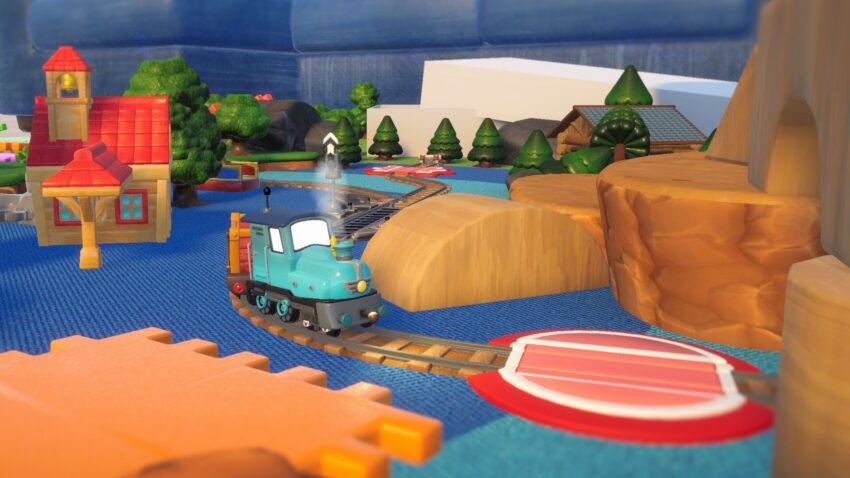
The "Cozy" genre was once synonymous with farming simulators like Stardew Valley or Animal Crossing. However, Locomochi represents the "second wave" of cozy games, where the "wholesome" aesthetic is being applied to more traditional genres like logic puzzles, platformers, and even city builders. This suggests that "cozy" is no longer just a genre, but a design philosophy that can be applied to any set of mechanics.
Accessibility and Mental Health
By removing timers and fail-states, Locomochi aligns itself with a growing movement of "mindful gaming." These games are increasingly being used as tools for anxiety reduction. The lack of pressure to perform "optimally" allows the player to engage with the game as a form of digital play therapy.
The Steam "Wishlist" Economy
For an indie developer, the "Release Date: TBA" strategy combined with a strong festival presence (like PGC Barcelona) is a vital survival tactic. By building a wishlist base through "vibes" and mechanical uniqueness, Locomochi is positioning itself to bypass the traditional marketing budgets of larger studios. The success of this game will be a bellwether for how much "charm" and "mechanical innovation" can carry a title in the crowded Steam storefront.
Conclusion
Locomochi is more than just another train game; it is a testament to the power of subverting expectations within a well-worn genre. By focusing on the joy of movement, the simplicity of emoji-based storytelling, and a stress-free environment, it offers a compelling argument for the "less is more" approach to game design. As the title moves toward its eventual release, it stands as a prime example of how indie developers can find success by looking not just at what we play, but how the act of playing makes us feel.
For those looking to escape the high-velocity demands of modern life, Locomochi promises a slow, scenic route through a world where the only thing that matters is the next connection.