The Dawn of the Spatial Desktop: OpenXR Standardizes Volumetric Multitasking
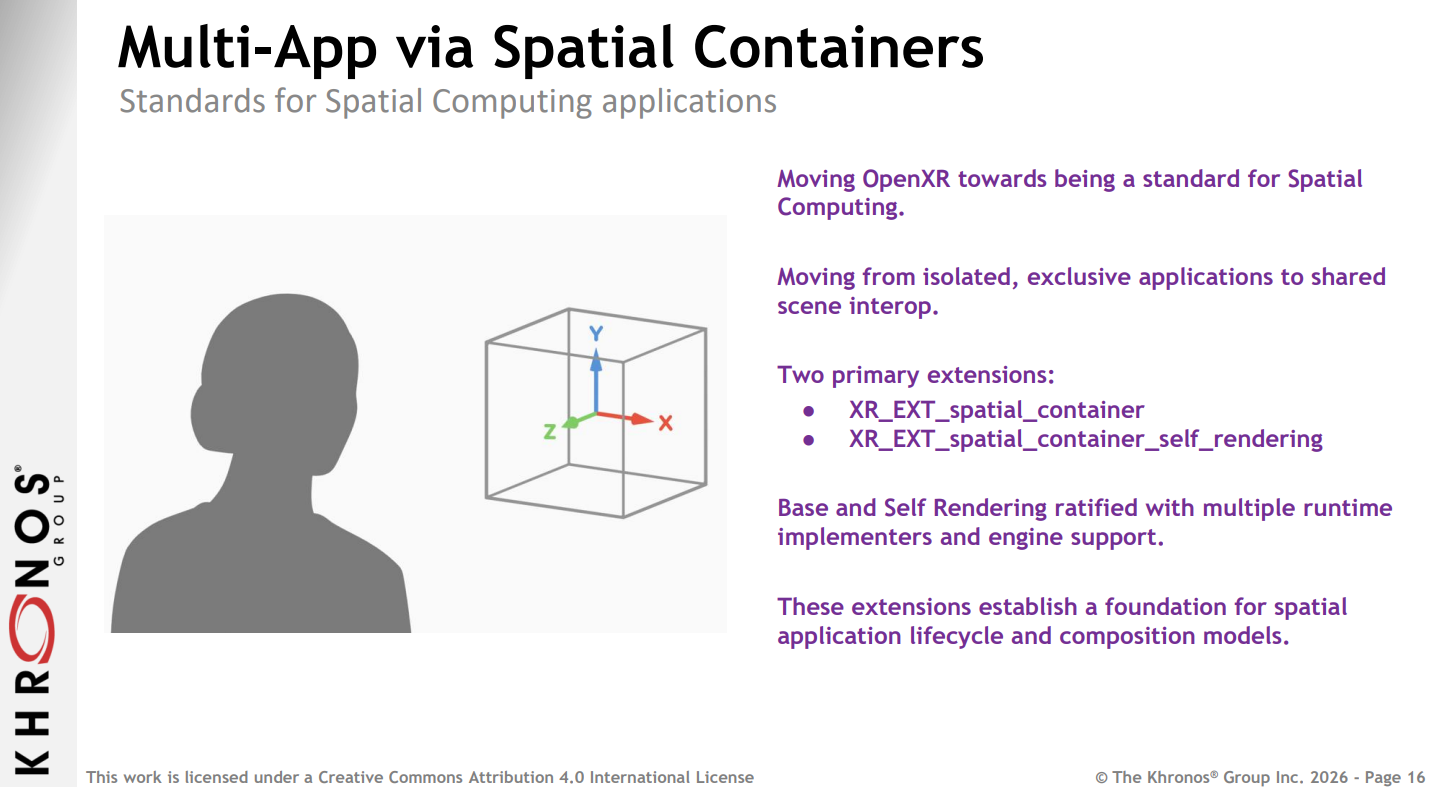
The landscape of extended reality (XR) is undergoing its most significant architectural shift since the inception of consumer headsets. The Khronos Group, the industry consortium responsible for foundational graphics standards like OpenGL and Vulkan, has officially ratified and published the OpenXR Spatial Container extensions. This move marks a pivotal moment in the evolution of spatial computing, effectively standardizing the way augmented, virtual, and mixed reality applications coexist in a shared digital environment.
By introducing a unified framework for "Spatial Containers," OpenXR is moving the industry away from the "single-app silo" model toward a sophisticated, multi-app ecosystem. This development promises to do for 3D spatial computing what the windowing system did for 2D desktop computing in the 1980s.
Main Facts: Standardizing the 3D Interface
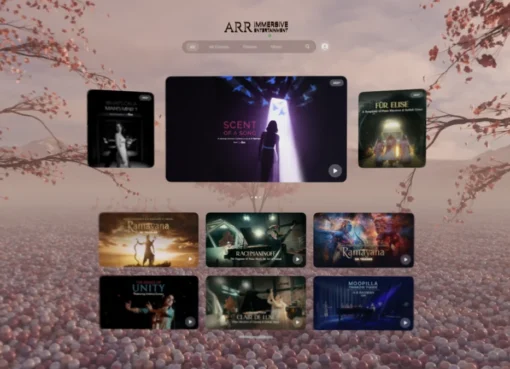
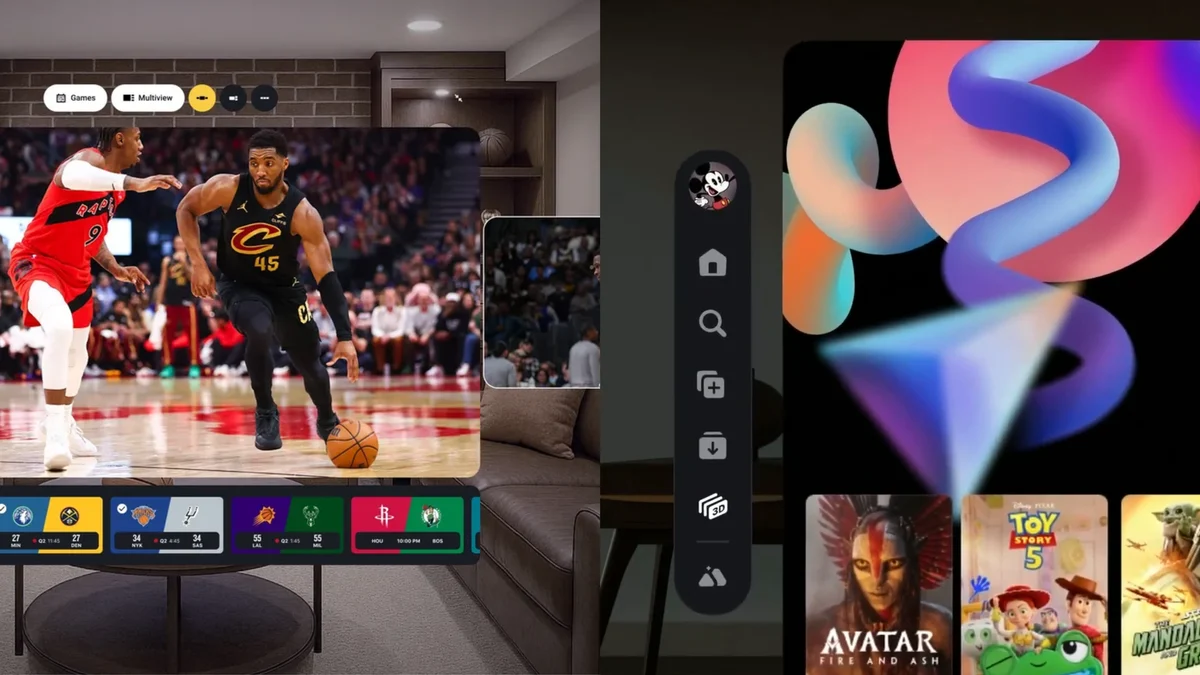
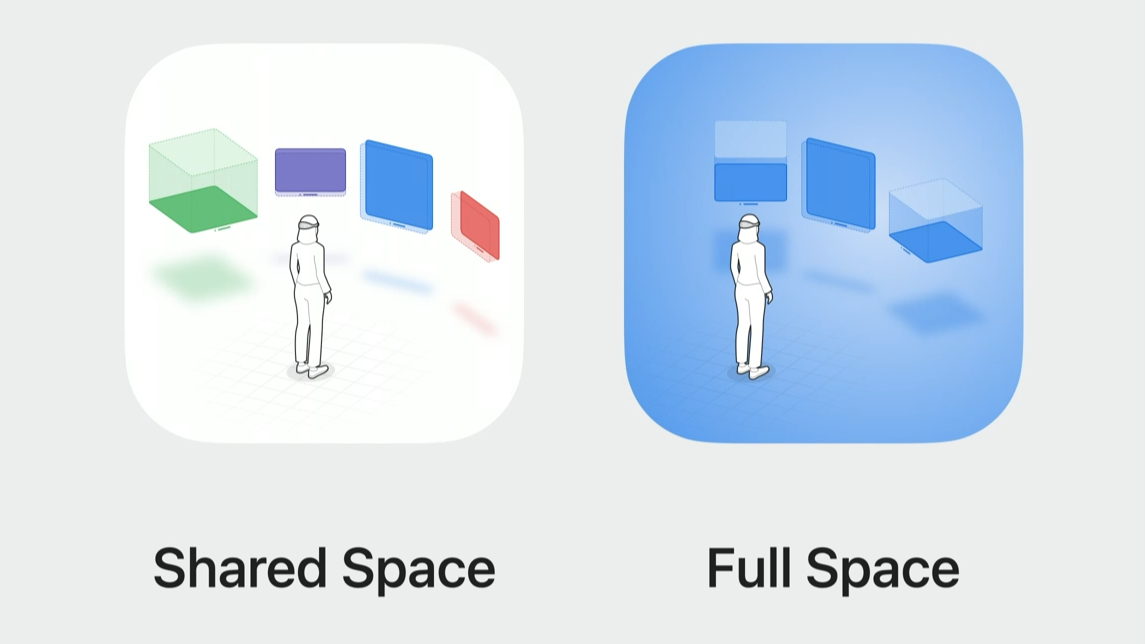
At its core, the OpenXR Spatial Container extension provides a standardized set of APIs that allow system-managed spaces to host volumetric 3D content. Historically, VR and AR applications have operated in a "winner-takes-all" environment; when a user opens a fully immersive app, the system closes or hides all other active processes. Spatial Containers break this barrier, allowing multiple 3D applications to run simultaneously within a "Shared Space."
The Core Concept of Spatial Containers
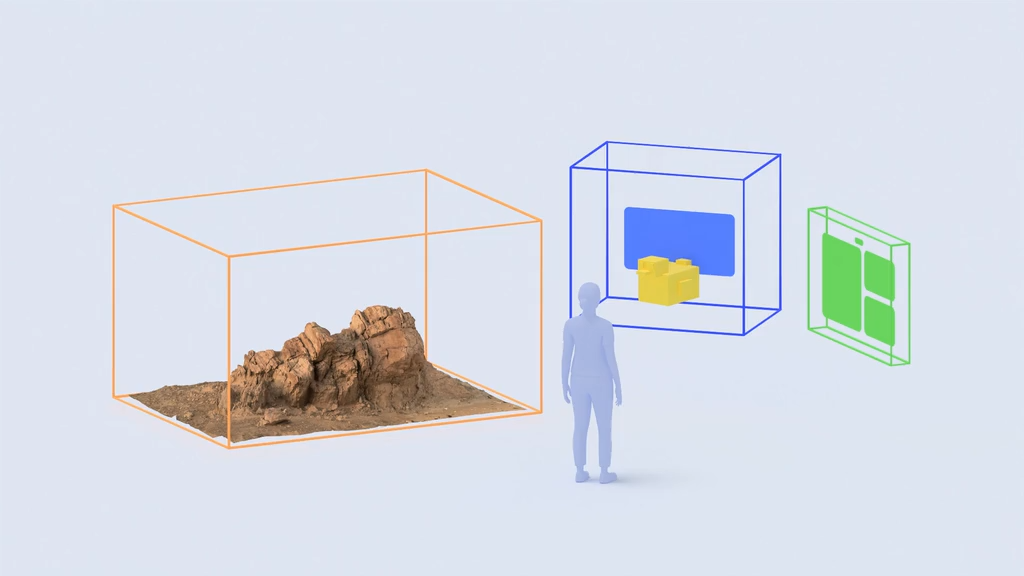
Much like a window on a Windows or macOS desktop, a Spatial Container is a bounded volume in which an application can render 3D objects, interfaces, and animations. However, unlike a 2D window, these containers exist within the user’s physical or virtual room.
Key features of the new extensions include:
- System-Managed Positioning: The operating system (OS), rather than the individual application, determines the container’s placement. This ensures that apps do not overlap awkwardly and allows the system to implement "follow" modes, where a container moves with the user.
- Dynamic Transitions: Applications can now fluidly transition between "Shared Space" (multitasking with other apps) and "Full Space" (total immersion).
- Volumetric Boundaries: Developers can define the 3D bounds of their content, ensuring that a virtual pet, a 3D data visualization, or a floating workstation remains contained within its designated area.
- Hardware-Optimized Rendering: The extensions include hooks for system-provided renderers. This allows the OS to optimize performance based on the specific hardware—whether it is a high-power tethered PC VR headset or a battery-conscious mobile XR device.
The Role of Khronos and OpenXR
OpenXR is the open-standard, royalty-free API designed to eliminate the fragmentation of the XR market. Before OpenXR, developers had to write separate code for Oculus, SteamVR, and Windows Mixed Reality. Today, almost every major player—including Meta, HTC, Valve, and Pico—uses OpenXR as their core runtime. The addition of Spatial Containers to this registry means that "spatial multitasking" is no longer a proprietary feature of high-end headsets like the Apple Vision Pro; it is now a standard tool available to all developers.
Chronology: From Walled Gardens to Shared Spaces
The journey toward standardized spatial multitasking has been a decade-long endeavor, shaped by shifting consumer expectations and competitive pressure.
2016–2021: The Era of Total Immersion
During the early years of consumer VR (the Oculus Rift and HTC Vive era), the focus was almost entirely on "Full Space" experiences. The hardware and software were designed for one thing: gaming. There was no concept of multitasking because the compute power was dedicated entirely to rendering a single high-fidelity world.
2022: The Shift Toward Productivity
With the release of the Quest Pro and the rise of "Mixed Reality" (MR), the industry began to envision headsets as productivity tools. However, the software remained limited. Users could open 2D Android apps in windows, but they could only run one 3D immersive app at a time.

2023: The Apple Catalyst
The announcement of the Apple Vision Pro and its operating system, visionOS, changed the conversation. Apple introduced the "Shared Space" concept, where multiple volumetric "Volumes" and "Windows" could coexist. Because Apple does not use OpenXR (relying instead on its proprietary ARKit and RealityKit), the rest of the industry faced a choice: develop competing proprietary multitasking systems or collaborate on an open standard.
2024–2025: The Development of the Standard
Recognizing the threat of a fragmented ecosystem, the Khronos OpenXR Working Group—comprising engineers from Meta, Google, Qualcomm, and others—began drafting the Spatial Container extensions. During this period, Meta attempted to launch "Augments" (persistent 3D objects), but the project was plagued by technical hurdles and was eventually sent back to the "drawing board" in late 2024.
2026: Ratification and Public Launch
At SIGGRAPH 2026, the Khronos Group showcased the finalized Spatial Container extensions. This release provided the technical foundation that companies like Google and Pico needed to finalize their next-generation operating systems.
Supporting Data: The Competitive Landscape
The adoption of Spatial Containers is not uniform across the industry, creating a clear divide between "legacy" XR platforms and the new "Spatial OS" wave.
| Platform | OS | 3D Multitasking Support | Architecture |
|---|---|---|---|
| Apple Vision Pro | visionOS | Yes | Proprietary (RealityKit) |
| Pico Space Pro | Pico OS 6 | Yes | OpenXR + Pico Spatial Engine |
| Android XR | Android XR | Upcoming | OpenXR Spatial Containers |
| Meta Quest | Horizon OS | Limited (2D only) | Transitioning to OpenXR Containers |
| PSVR 2 | PlayStation | No | Proprietary |
The Pico Advantage
Notably, ByteDance’s Pico has taken an early lead in implementing these concepts. The upcoming Pico Space Pro runs Pico OS 6, which utilizes a "unified rendering architecture." This system allows 2D and 3D apps to run side-by-side using a system-level compositor called the Pico Spatial Engine. This architecture closely mirrors the functionality now standardized by OpenXR.
The Android XR Factor
Google’s entry into the space with Android XR is perhaps the most significant tailwind for the OpenXR standard. By committing to Spatial Containers, Google ensures that the vast ecosystem of Android developers will have a standardized way to build 3D apps that can run on any hardware powered by Google’s XR platform.
Official Responses: Commitment and Caution
The industry’s reaction to the Khronos announcement has been largely positive, though some players remain more committed than others.
Google:
Jared Finder, the lead for Google’s XR platform and SDK, expressed strong enthusiasm for the standard. "We are excited to bring Spatial Container support to Android XR," Finder stated. He emphasized that standardization is the only way to scale the developer ecosystem, allowing creators to "build once and reach users across a variety of devices."
Meta:
Meta’s response has been more nuanced. While Meta is a key member of the Khronos Group, it has not yet issued a formal date for when Horizon OS will fully support the Spatial Container extensions. However, Andrew Bosworth, Meta’s CTO, has been vocal about the company’s struggles with "Augments." In August 2025, Bosworth noted that Meta was "rebuilding the system from the ground up" because the original approach—built on the now-defunct Spark AR platform—was insufficient. Industry analysts believe Meta will use the OpenXR Spatial Container standard as the "reset button" for its spatial multitasking ambitions.

The Khronos Group:
The Working Group stated that the release of the sample code and specs is just the beginning. They expect implementations to start rolling out in consumer firmware updates before the end of the year. "Spatial Containers allow for apps broadly similar to those enabled by visionOS, but in an open, cross-vendor way," the group noted in their official blog.
Implications: What This Means for the Future of XR
The ratification of OpenXR Spatial Containers is more than a technical footnote; it is the "Big Bang" moment for the spatial software market.
1. The Death of the Single-App Silo
The primary friction point of current VR headsets is the "loading screen." Switching from a work app to a fitness app feels like rebooting a computer. Spatial Containers allow for a persistent environment. You could have a 3D weather widget from one developer, a floating Discord-style 3D avatar from another, and a virtual movie screen from a third—all running simultaneously.
2. Democratization of Spatial Development
Until now, creating a "Shared Space" experience required deep integration with a specific manufacturer’s OS. With OpenXR, a small indie developer can create a 3D "Augment"—such as a virtual clock or a desktop pet—and know that it will work on a Pico headset, a Quest headset, and future Android XR glasses without needing to rewrite the core spatial logic.
3. The Enterprise and Productivity Leap
For enterprise users, the ability to have multiple 3D data visualizations open at once is a game-changer. An engineer could have a 3D CAD model of a jet engine in one container and a real-time telemetry dashboard in another, moving between them as if they were physical objects on a workbench.
4. Pressure on Apple and Sony
Apple and Sony remain the two major holdouts from the OpenXR ecosystem. While Apple’s proprietary stack is currently the gold standard for performance, the rapid standardization of the rest of the industry may create a "gravity well" that forces Apple to at least provide compatibility layers. For Sony, the lack of OpenXR support on PSVR2 continues to alienate it from the broader non-gaming XR conversation.

Conclusion
The release of the OpenXR Spatial Container extensions marks the end of the "experimental" phase of spatial multitasking. By providing a blueprint for how 3D apps should behave, move, and coexist, the Khronos Group has laid the tracks for the next decade of computing. As implementations begin to roll out across Android XR and Pico OS, the vision of a "Spatial Desktop"—where our digital and physical worlds are seamlessly and multi-taskingly intertwined—is finally becoming a standardized reality.