Apple Redefines the Laptop Experience: The MacBook Pro with PROLED XDR Display and Touch Enters the Arena
The tech giant’s latest innovation challenges long-held beliefs about laptop usability, offering a nuanced approach to touch integration.
Introduction: A Paradigm Shift for the Mac
In a move that has sent ripples through the technology world, Apple has unveiled its most ambitious MacBook Pro to date, featuring the stunning PROLED XDR Display and, notably, integrated touch capabilities. This launch marks a significant departure for the venerable MacBook line, a platform that has historically eschewed touchscreen functionality. The decision to finally embrace touch on a laptop comes after years of steadfast opposition from the company, most famously articulated by none other than Steve Jobs himself in 2010. His prescient, albeit seemingly dismissive, statement that "touch surfaces don’t want to be vertical… it doesn’t work, it’s ergonomically terrible" has become a touchstone for the debate surrounding touch-enabled laptops. However, Apple’s latest offering suggests a profound re-evaluation of this stance, presenting a carefully considered integration that aims to enhance, rather than redefine, the core Mac experience.
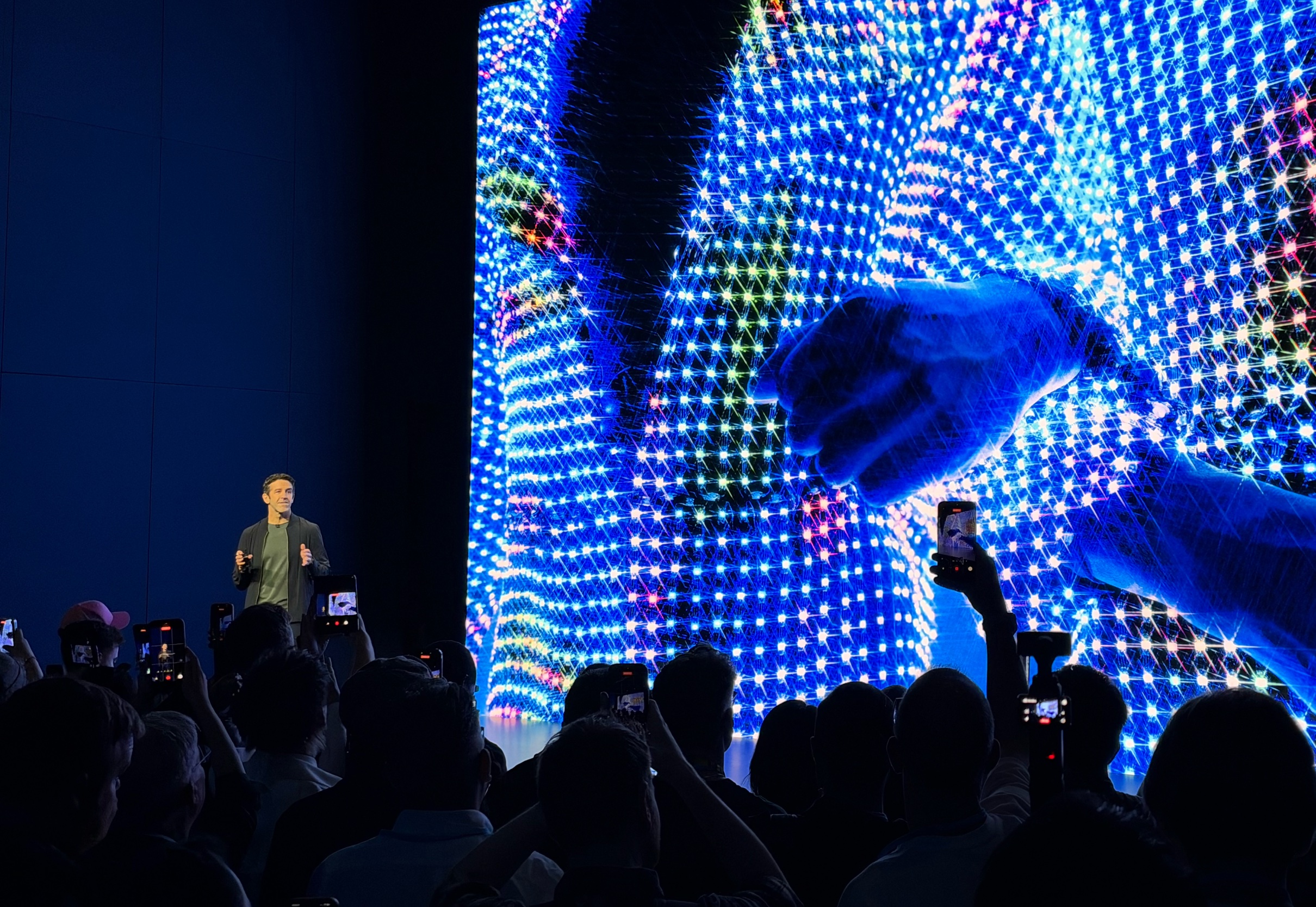
The unveiling of the MacBook Pro with PROLED XDR Display and Touch at a recent event in Los Angeles has ignited widespread discussion. While the headline-grabbing PROLED XDR display is undoubtedly a technical marvel, it’s the inclusion of touch that has captured the industry’s attention, drawing immediate comparisons to past pronouncements and sparking debates about user interface evolution. Initial impressions from those who have had hands-on experience suggest that Apple may have found a compelling way to bridge the gap between traditional laptop interaction and the intuitive nature of touch.
The Ghosts of Steve Jobs’s Past: A Strategic Reconsideration
Steve Jobs’s 2010 comments about the impracticality of touchscreens on laptops have been resurrected and widely circulated across the internet in light of this new release. At the time, Jobs was adamant that the physical ergonomics of using a touchscreen on a vertically oriented laptop were inherently flawed, leading to user fatigue and an uncomfortable experience. He envisioned a distinct separation between the tablet experience, optimized for touch, and the laptop experience, best suited for keyboard and trackpad input. This philosophy largely guided Apple’s product development for over a decade, with the iPad emerging as the company’s dedicated touch-first device.
The introduction of touch functionality to the MacBook Pro, therefore, represents a significant pivot. It’s not a wholesale embrace of a touch-centric laptop paradigm, but rather a strategic integration designed to complement existing workflows. Apple’s marketing for the new MacBook Pro, notably omitting "touch" from its official designation, subtly signals this nuanced approach. Instead, the emphasis is placed on the "PROLED XDR Display," suggesting that the touch element is intended as an enhancement, a supplementary input method rather than the primary mode of interaction. This careful branding strategy appears to acknowledge Jobs’s concerns while still capitalizing on the potential benefits of touch in specific contexts.
A New Dawn for MacBook Pro: Features and First Impressions
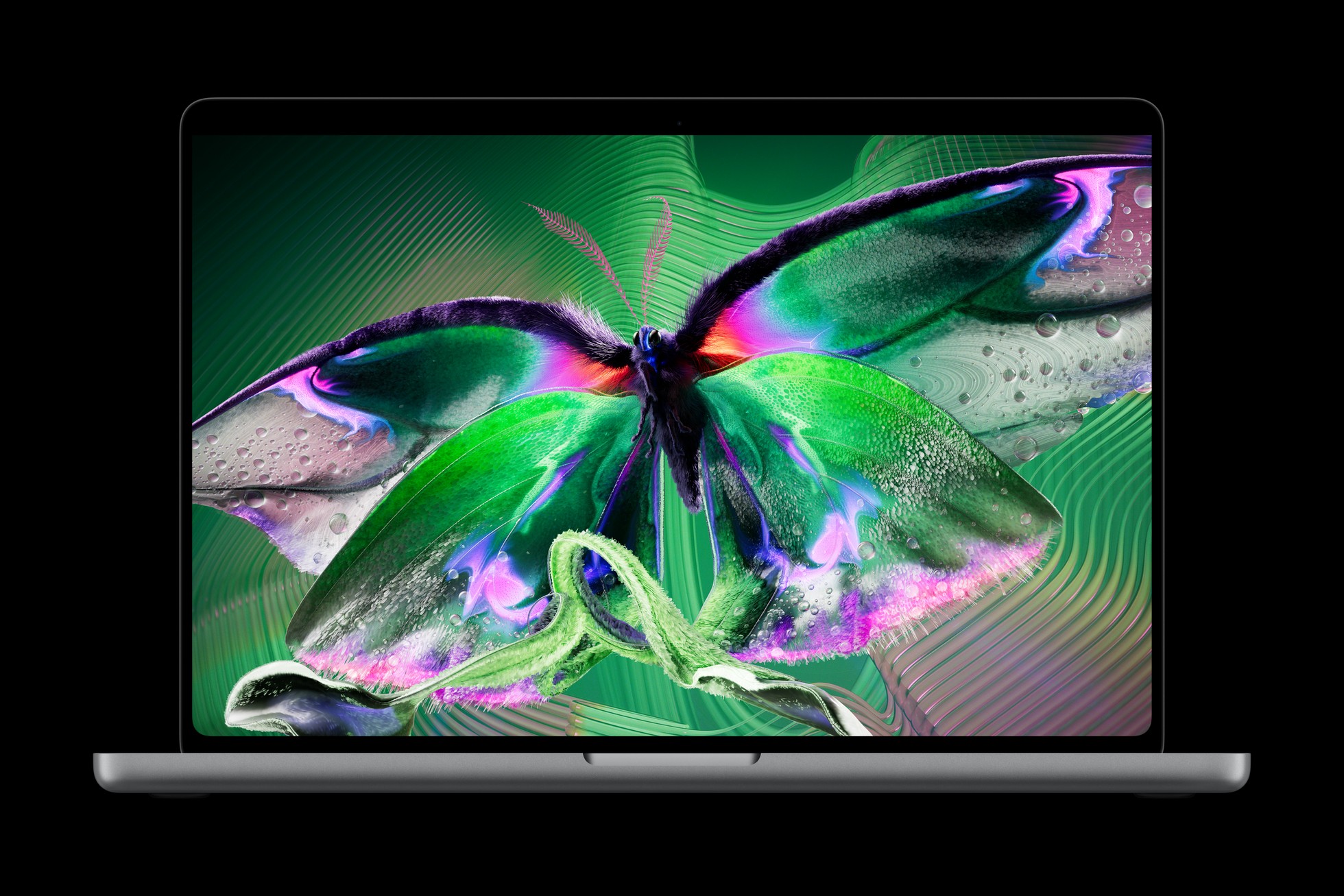
The MacBook Pro with PROLED XDR Display and Touch is not merely a cosmetic update; it’s a significant technological leap. The PROLED XDR display itself is a testament to Apple’s display engineering prowess, promising unparalleled brightness, contrast, and color accuracy. For creative professionals who rely on precise visual fidelity for tasks like photo editing, video production, and graphic design, this display is a game-changer. The sheer quality of the screen is, for many, the most anticipated feature, and the cheers that erupted at its reveal at the LA event underscore its significance.
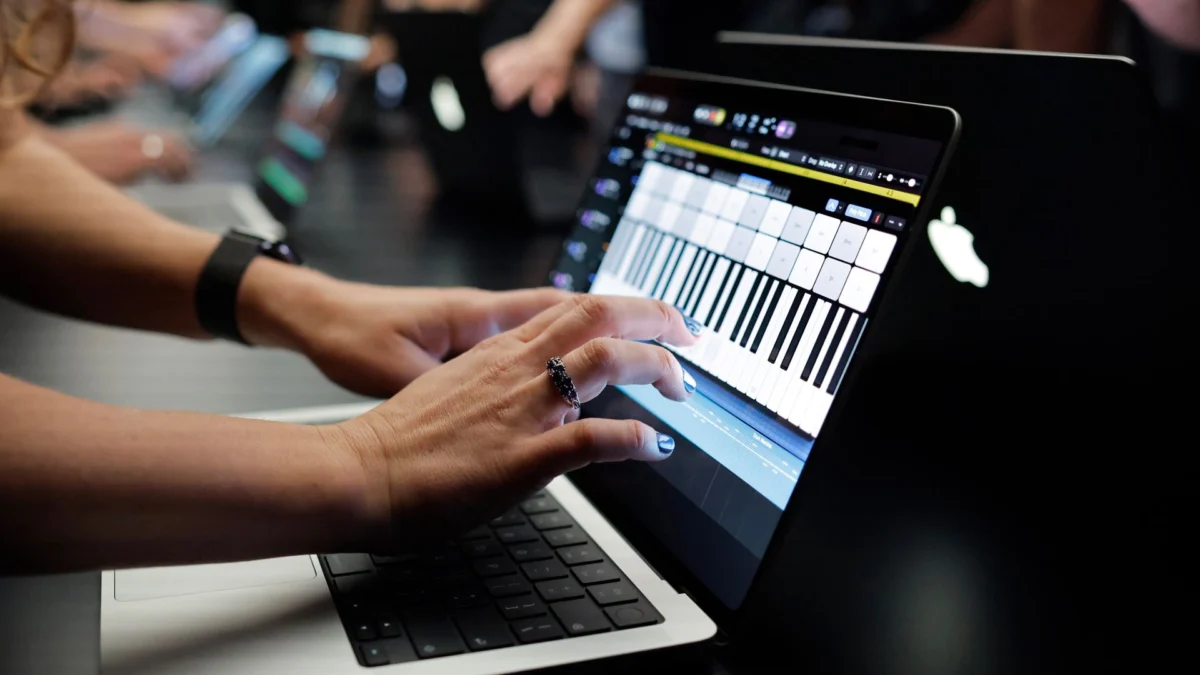
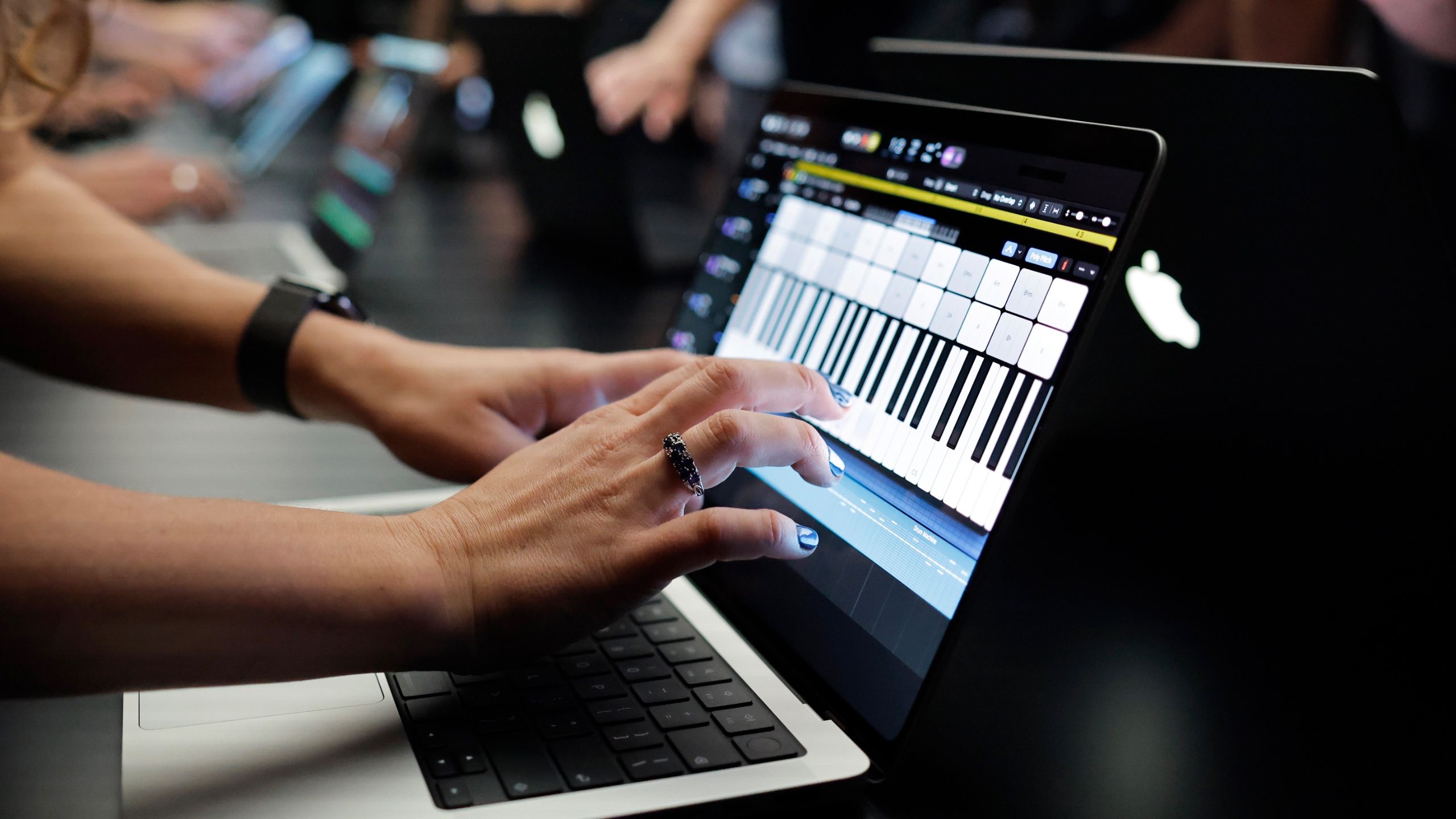
However, it’s the touch functionality that warrants closer examination. The author’s experience at the launch event suggests that Apple has managed to overcome the ergonomic challenges previously highlighted. By positioning touch as an additional input option, rather than the sole interface, the company appears to have found a sweet spot. This approach allows users to leverage touch for specific, intuitive actions that can streamline workflows. Examples cited include the ability to quickly scrub through timelines in video editing software like Final Cut Pro, interact with virtual instruments in music production applications like Logic Pro, or simply pinch to zoom on images and maps with greater ease.
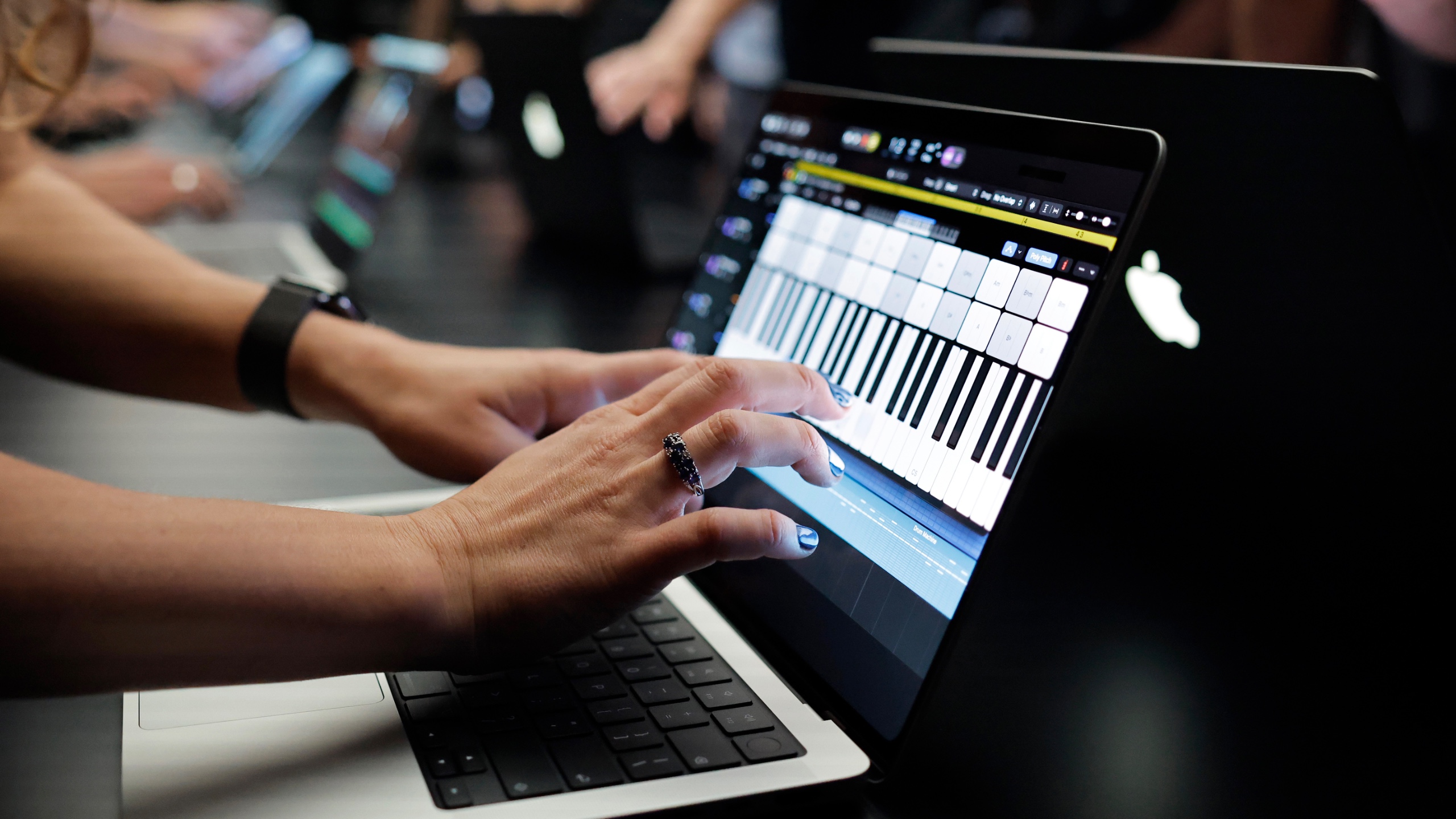
The responsiveness of the touch interface is also a key factor. Initial reports indicate a seamless and lag-free experience, particularly when interacting with elements like the virtual keyboard in Logic Pro. Furthermore, subtle but effective software adjustments, such as the enlargement of window control buttons when touched, demonstrate Apple’s attention to detail in making the touch experience less fiddly and more user-friendly on a laptop form factor. This thoughtful integration suggests that Apple has invested heavily in optimizing macOS for touch input, ensuring that it feels like a natural extension of the existing user experience.
Beyond the Hype: A Pragmatic Approach to Touch
The prevailing sentiment surrounding the new MacBook Pro is that touch is being introduced as a "nice-to-have" feature, a valuable bonus rather than a fundamental redesign. This perspective aligns with the historical evolution of computing, where new input methods have often been integrated to augment existing ones. For instance, the introduction of the scroll wheel on mice, or the multi-touch gestures on trackpads, were not intended to replace clicking but to enhance navigation and interaction.
Apple’s strategy with the touch-enabled MacBook Pro appears to follow a similar evolutionary path. It acknowledges that the Mac is not inherently a touch-first device in the same way that an iPad is. Instead, it recognizes the utility of touch for specific tasks that can benefit from direct manipulation. For creatives, who often work with complex software and demanding workflows, having an additional, intuitive input method can be a significant advantage. It offers a more direct and tactile way to interact with digital content, potentially leading to increased efficiency and a more engaging user experience.
The decision to market the device without prominently featuring "touch" in its name also suggests a maturity in Apple’s approach. It avoids over-promising or creating unrealistic expectations. Instead, the focus remains on the core strengths of the MacBook Pro – its performance, its display, and its ecosystem – with touch as a welcome, well-executed addition. This pragmatic approach is likely to resonate with users who are looking for enhancements that genuinely improve their productivity and creative output, rather than a radical overhaul of the familiar Mac interface.
Addressing the Ergonomic Hurdles: Hinge Reinforcement and Software Adaptations
One of the primary concerns regarding touchscreens on laptops has always been screen wobble and the resulting user discomfort. Apple claims to have addressed this by reinforcing the hinge mechanism of the new MacBook Pro. While this has demonstrably reduced the amount of rebound when interacting with the upright screen, it’s worth noting that some degree of wobble may still be present for particularly vigorous interactions. This is an area where further real-world usage and long-term testing will be crucial in assessing the overall success of Apple’s hardware solutions.
Furthermore, while the touch interface is generally responsive and well-integrated, there might be instances where traditional input methods, such as the trackpad, prove to be more accurate or efficient for certain tasks. For example, during detailed editing in Final Cut Pro, the precision offered by the trackpad might still be preferred by some users over direct touch input. This highlights the inherent trade-offs in interface design and the importance of offering users choice and flexibility.
The success of any new input method on a computing device is heavily reliant on the seamless integration between hardware and software. Apple’s long-standing expertise in both these domains is evident in the new MacBook Pro. The PROLED XDR display’s visual brilliance, combined with the responsive touch layer and thoughtful macOS adjustments, creates an experience that is largely cohesive and intuitive. The subtle software enhancements, like the enlarged touch targets for window controls, demonstrate a deep understanding of how users interact with laptops and a commitment to making the touch experience as fluid as possible.
Implications for the Future of Laptops and Apple’s Ecosystem
The introduction of touch on the MacBook Pro has profound implications for the future of laptops, particularly within Apple’s own ecosystem. It signals a potential shift in how Apple perceives the convergence of its product lines. While the iPad will likely remain the dedicated touch-first tablet, the MacBook Pro now offers a bridge, allowing users to benefit from touch interactions without compromising the core laptop experience. This could lead to further integration and shared functionalities between macOS and iPadOS in the future.
For the broader PC industry, Apple’s move could embolden other manufacturers to further explore and refine touch integration on their laptop offerings. While Windows laptops have experimented with touchscreens for years, often in 2-in-1 convertible form factors, Apple’s approach, focusing on a premium, traditional laptop design with an added touch layer, could set a new standard. The success of this integration will undoubtedly influence future design decisions and user interface development across the industry.
The pricing of the new MacBook Pro with PROLED XDR Display and Touch, starting at $2899, places it firmly in the premium segment of the market. This positioning suggests that Apple is targeting professionals and prosumers who are willing to invest in cutting-edge technology that offers tangible benefits to their creative and productive endeavors. The availability for pre-order now indicates that Apple is confident in its offering and eager to get this new iteration into the hands of its discerning customer base.
Conclusion: A Calculated Evolution, Not a Revolution
In essence, Apple’s decision to integrate touch into the MacBook Pro with PROLED XDR Display is a calculated evolution rather than a radical revolution. It represents a pragmatic response to user needs and technological advancements, carefully balancing the legacy of its iconic laptop with the evolving demands of the digital landscape. While the ghost of Steve Jobs’s past pronouncements may linger, Apple’s latest offering suggests that the future of the laptop experience is not about choosing between touch and traditional input, but about intelligently combining them to create a more versatile, intuitive, and ultimately, more powerful tool for creators and professionals alike. The PROLED XDR Display is a marvel, and the touch functionality, when viewed as a well-executed bonus, proves to be a delightfully positive addition to an already exceptional machine.