Unveiling the Visual Genesis of Arrakis: A Deep Dive into the Concept Art of Dune: Part One
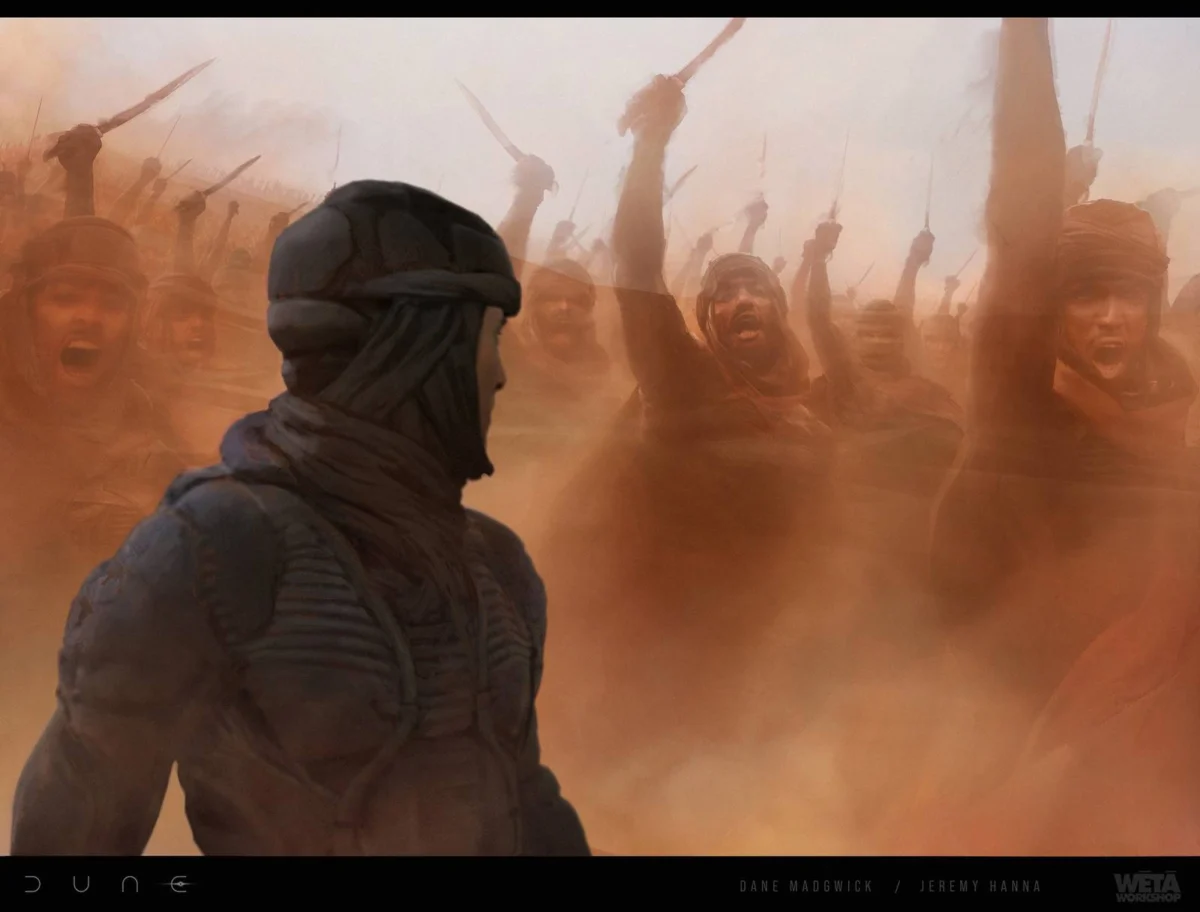
The sprawling, sand-swept landscapes and intricate societies of Denis Villeneuve’s critically acclaimed Dune: Part One are brought to life through a breathtaking array of concept art. This collection, featuring the foundational work of visionary artists, offers an unprecedented glimpse into the meticulous world-building that translated Frank Herbert’s epic novel into a cinematic masterpiece. From the stark brutalism of Harkonnen architecture to the functional elegance of Fremen survival gear, these designs illuminate the creative process behind the film’s unique and immersive aesthetic.

The Architects of Arrakis: Crafting a Cinematic Vision
The journey to Arrakis was paved with countless hours of artistic exploration. The concept art for Dune: Part One is more than just preliminary sketches; it represents the distillation of complex themes, cultural nuances, and technological concepts into tangible visual blueprints. This visual repository showcases the evolution of the film’s distinctive style, a harmonious blend of brutalist architecture, grounded in functional design, and the raw, untamed beauty of natural environments. The artists, through their early sketches and foundational key art, were instrumental in establishing a cohesive visual language that captured the novel’s immense scope and translated it into a believable and awe-inspiring cinematic reality.

The significance of this collection lies not only in its artistic merit but also in its comprehensive exploration of the film’s core elements. It provides an in-depth look at the distinct identities of the three primary power structures that drive the narrative: the noble House Atreides, the resilient Fremen, and the oppressive House Harkonnen. Through detailed technical explorations of faction-specific technology, ceremonial attire, and the specialized survival gear essential for the desert inhabitants, the concept art offers a profound understanding of the world-building process. This visual documentation serves as a testament to the collaborative effort and creative genius that underpinned the production of Dune: Part One.

A Chronological Tapestry of Design Evolution
The creation of Dune: Part One‘s visual identity can be traced through the development of its concept art, a process that likely began long before principal photography. While a precise chronological unveiling of every single piece isn’t publicly detailed, the nature of concept art production suggests a progression from broad ideation to specific detail.

Early Stages: Establishing the Foundation

In the initial phases, the focus would have been on defining the overarching mood and aesthetic of Arrakis and its surrounding worlds. Artists would have explored various interpretations of the novel’s iconic imagery, experimenting with color palettes, architectural styles, and the overall atmosphere. This would have involved generating "mood boards" and broad concept paintings to convey the desired visual tone. For instance, the stark, brutalist aesthetic that would come to define much of the film’s design likely emerged during these early explorations, contrasting sharply with the more organic and functional designs for the Fremen.

Defining the Factions: Houses and Their Heralds

As the production team honed in on the specific visual identities of the key factions, the concept art would have become more focused. This period would have seen dedicated explorations into:

- House Atreides: The art would likely reflect their noble lineage, perhaps incorporating elements of classicism or a more refined, yet still functional, military design. The transition from their lush home world of Caladan to the harsh environment of Arrakis would also be a key thematic element explored visually.
- House Harkonnen: In stark contrast, the concept art for the Harkonnens would have aimed to convey their ruthlessness and industrial might. The exploration of their oppressive architecture, their formidable war machines, and the grotesque physicality of characters like Baron Harkonnen would have been central to this stage. The use of dark, oppressive color palettes and imposing geometric shapes would have been paramount.
- The Fremen: This would have been a critical area of development, requiring a deep understanding of survival in an extreme environment. Concept artists would have delved into the practicalities of their stillsuits, their weaponry (like the iconic crysknife), their transportation, and the design of their hidden sietches. The art would emphasize their resourcefulness, their connection to the desert, and their spiritual depth.
Technological and Environmental Deep Dives

Beyond character and faction design, significant effort would have been dedicated to visualizing the unique technology and environments of Dune. This would have included:

- Ornithopters: The iconic flying machines of Dune would have undergone extensive design iterations, balancing their aerodynamic principles with their alien appearance.
- Spice Harvesters and Industrial Machinery: The colossal scale and functionality of these vital machines, as well as the perilous operations surrounding them, would have been meticulously conceptualized.
- Sandworms: Depicting these colossal creatures in a way that conveyed their terrifying power and their integral role in the ecosystem of Arrakis would have been a monumental task.
- The Planet Arrakis: From the vastness of the desert to the details of rock formations and the subtle nuances of sand textures, the environmental concept art would have been crucial in establishing the film’s immersive setting.
Refinement and Finalization

As production progressed, the concept art would have served as a constant reference point, undergoing refinements based on directorial feedback, script changes, and the practicalities of filmmaking. The key art, often the most polished pieces, would have been used to communicate the film’s overall vision to the wider crew and, eventually, the public. The collection showcased highlights from these various stages, offering a comprehensive view of the visual journey from initial idea to screen.

Supporting Data: The Artists Behind the Vision
The power of Dune: Part One‘s visual world is a testament to the talent of its concept art department. The provided content highlights the contributions of several key artists, each bringing their unique skills and perspectives to the project.

-
Dane Madgwick: His contributions, including pieces like "Jessica in Meditation" and "Paul’s Vision IMAX," suggest a focus on character-driven moments and the psychological landscapes of the film. His work often imbues characters with a sense of gravitas and internal struggle, perfectly suited for the nuanced performances in Dune.

-
Deak Ferrand: Ferrand’s pieces, such as those depicting Caladan, Arrakeen, and Geidi Prime, demonstrate a mastery of architectural and environmental design. His work clearly articulates the distinct visual languages of different locations, from the oceanic grandeur of Caladan to the imposing, oppressive structures of Harkonnen strongholds.

-
Ed Natividad: Natividad’s contributions, including "Atreides Swords Blades," "Fremen Compass," and various pieces of Fremen survival gear like the "Sand Compactor" and "Thumper," showcase a keen eye for functional design and detail. His work emphasizes the practicality and cultural specificity of the elements he designs, making the world of Dune feel lived-in and authentic.

-
George Hull: Hull’s portfolio, featuring the "Harkonnen Harvester," "Bene Gesserit Ramp Set," and "Ornithopter," highlights his strength in designing imposing vehicles and large-scale structures. His designs for the Harkonnen harvester and the ornithopter, in particular, convey a sense of immense power and alien engineering.

-
Jeffrey Read: Read’s concept art, including "Caladan Graveyard Location," "Caladan Forest Soldiers," and "Arrakeen Balcony," reveals a talent for environmental storytelling and atmospheric scene-setting. His work often captures a sense of history and place, imbuing the landscapes with a palpable mood.

-
Jerad S. Marantz: Marantz’s contributions, such as the "Stillsuit Ortho" and various explorations of "Baron Armor," demonstrate a deep understanding of character design and costume. His work on the Baron’s armor, in particular, suggests a focus on capturing the character’s imposing and grotesque presence.

-
Jeremy Hanna: Hanna’s dynamic pieces, including "Duncan Idaho Arrakis," "Sinking Harvester," "Worm Attack," and "Crashed Ornithopter," convey a sense of action and drama. His work effectively captures the visceral and often perilous nature of the events unfolding on Arrakis.

-
Joseph Cross: Cross’s designs for the "Fremen Suit" and "Crysknife Blade" highlight his ability to create iconic and functional elements of Fremen culture. His approach to the crysknife, in particular, likely focused on capturing its deadly elegance and its ritualistic significance.

-
Kamen Anev: Anev’s concept art, featuring "Arakeen Courtyard," "Residency Meeting Room," "Spotter Ship," and "Worm," showcases a versatility in designing both intimate interior spaces and grand exterior vistas, as well as crucial elements of the Dune universe like the iconic sandworms.

-
Keith Christensen: Christensen’s contributions, including "Fremen Stillsuit Fabrication," "Soldier Side-by-Side," "Baron Alternative Body," and "Bene Gesserit Group," demonstrate a detailed approach to costume and character design, exploring variations and functional aspects of their attire.

-
Nivanh Chanthara: Chanthara’s work on "Vladimir Harkonnen Armor" emphasizes the imposing and brutal aesthetic associated with the Harkonnen antagonist, focusing on the visual language of power and intimidation.

-
Peter Popken: Popken’s depictions of the "Arrakeen Palace" and a "Crashed Ornithopter" highlight his skill in architectural rendering and capturing the impact of dramatic events within the film’s environments.

-
Seungjin Woo: Woo’s striking images of "Duncan Chase," and the awe-inspiring "Sandworm" designs, convey a powerful sense of movement and the sheer scale of the creatures that inhabit Arrakis.

-
Steve Burg: Burg’s concept art for the "Heighliner," "Harvester Carryall," and "Harvester" showcases his expertise in designing massive, industrial vehicles that are central to the film’s narrative and world-building.

-
Carlos Huante: Huante’s evocative "Sandworm" designs suggest a focus on capturing the primal power and alien nature of these iconic creatures, likely exploring various interpretations of their form and presence.

Official Responses and Critical Acclaim
The concept art for Dune: Part One has been met with widespread critical acclaim, mirroring the film’s own success. Reviewers and audiences alike have praised the film’s visual design for its originality, its faithfulness to the spirit of Frank Herbert’s novel, and its ability to create a truly immersive and believable world. The concept art serves as tangible proof of the meticulous planning and artistic vision that went into achieving this.

Denis Villeneuve himself has often spoken about the importance of concept art in his directorial process. The visual language established by the concept artists is crucial for conveying the film’s tone, atmosphere, and thematic depth. The success of Dune: Part One is, in no small part, a direct result of the seamless integration of this visual foundation into the final cinematic product. The "Art and Soul of Dune" book, which compiles much of this artwork, serves as an official testament to the creative team’s dedication and the profound impact of their work.

Implications for Future Productions and the Genre
The concept art for Dune: Part One has significant implications not only for the continuation of the Dune saga but also for the broader landscape of science fiction filmmaking.

Setting a New Standard for World-Building: The intricate and cohesive world-building achieved through this concept art has set a high bar for future science fiction productions. The way the art seamlessly blends brutalist aesthetics with naturalistic environments, and how it meticulously details the cultures and technologies of different factions, provides a compelling blueprint for creating believable and captivating fictional universes.

The Power of Visual Storytelling: This collection underscores the critical role of concept art in visual storytelling. It demonstrates how early artistic explorations can shape the narrative, inform character development, and ultimately dictate the emotional resonance of a film. The ability to visualize complex ideas and abstract concepts in a compelling manner is invaluable.

Inspiring a New Generation of Artists: The accessibility of this concept art, particularly through resources like "The Art and Soul of Dune," serves as an inspiration for aspiring concept artists and designers. It offers a window into the professional workflow and the creative challenges involved in bringing a beloved literary work to the screen.

The Enduring Legacy of Dune: As the Dune saga continues with Dune: Part Two, the visual foundations laid by this concept art will undoubtedly influence its direction. The established aesthetic, the character designs, and the environmental treatments will form the bedrock upon which further narrative and visual exploration will be built. This continuity ensures a cohesive and recognizable cinematic universe, further cementing Dune‘s place as a landmark achievement in science fiction cinema. The meticulous detail and imaginative scope of this concept art are not merely decorative; they are integral to the very fabric of the Dune universe, enriching the viewer’s experience and leaving an indelible mark on the genre.