The Digital Subconscious: The Rise of NeuroSurrealism in the Age of Artificial Intelligence
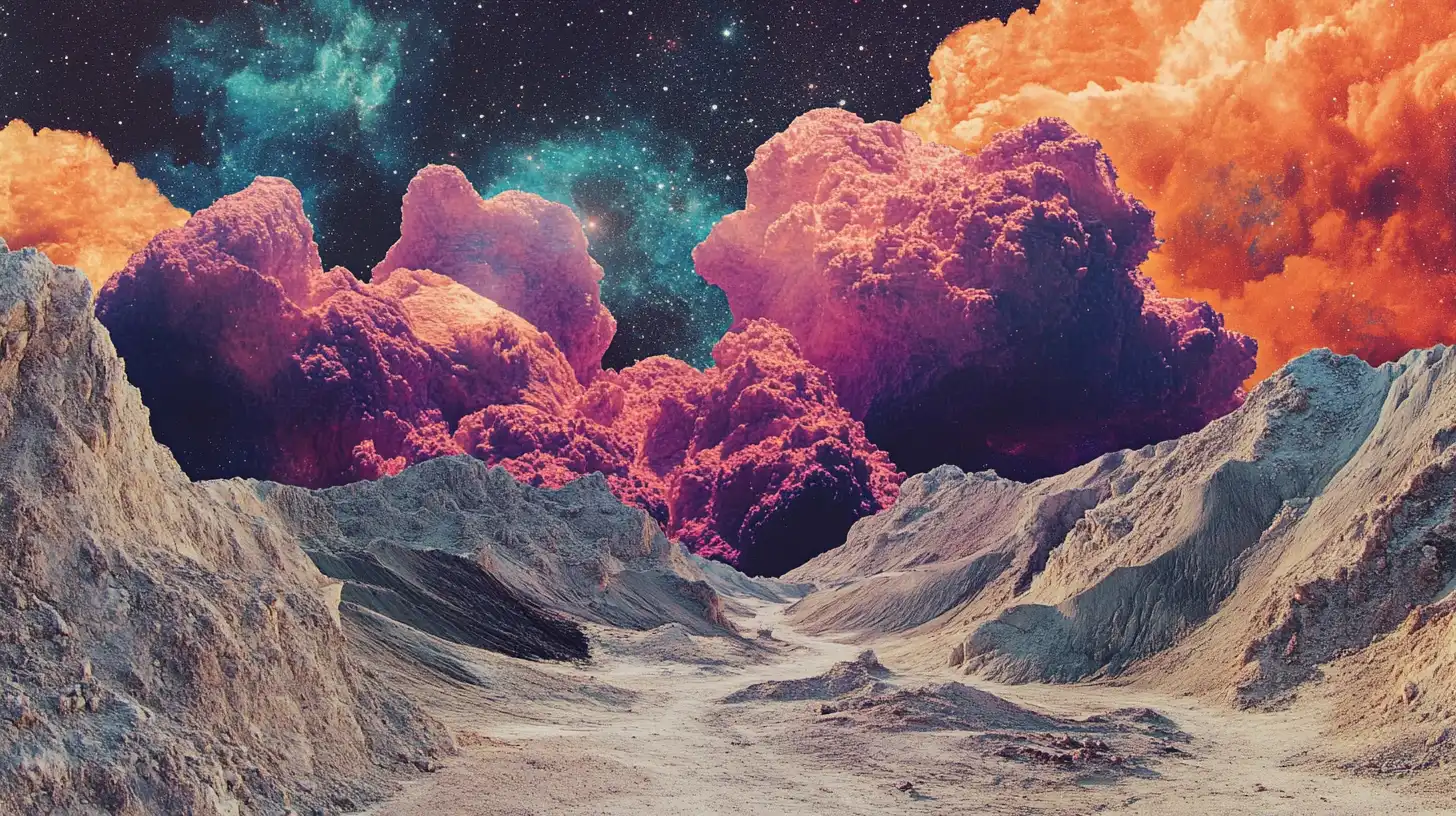
The boundary between human cognition and machine logic has reached a breaking point, giving birth to a radical new artistic and philosophical movement: NeuroSurrealism. Emerging from the "algorithmic storm" of generative AI, this movement seeks to redefine the architecture of consciousness by treating artificial intelligence not as a mere tool for production, but as a symbiotic partner in the exploration of the unconscious mind.

The following report analyzes the foundational principles of the NeuroSurrealist Manifesto, the historical trajectory of automated art, and the profound implications this "synaptic heresy" holds for the future of human creativity and post-human identity.
I. Main Facts: The Proclamation of a New Epoch
At its core, NeuroSurrealism is the contemporary evolution of the Surrealist movement founded by André Breton in the early 20th century. However, where the original Surrealists used techniques like automatic writing and dream analysis to bypass the "censor of reason," NeuroSurrealists utilize Large Language Models (LLMs) and Diffusion Models to navigate what they term the "algorithmic unconscious."
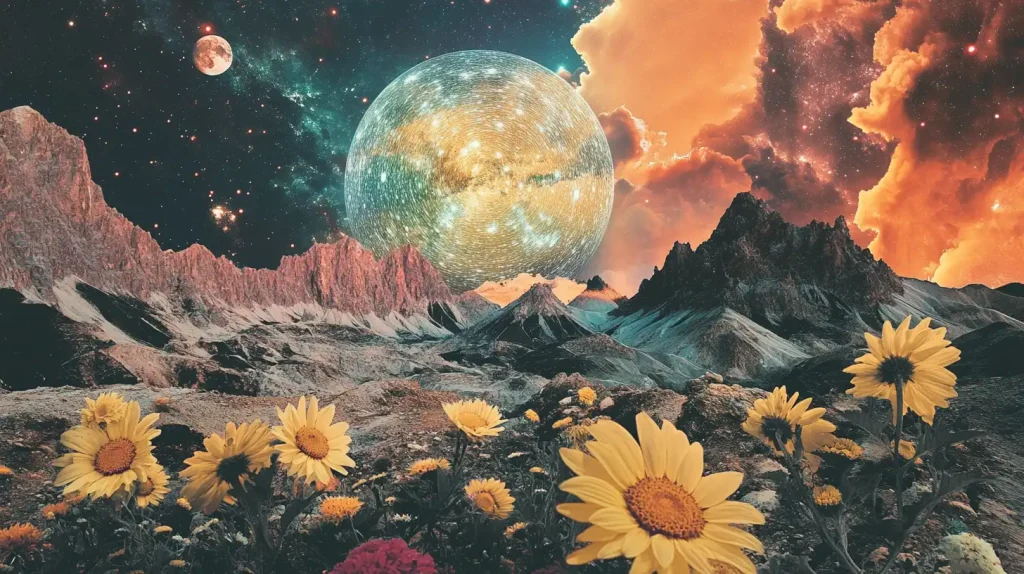
The Core Tenets of the Movement:
- AI as Symbiote: AI is viewed as an extension of the human nervous system, a "mirror reflecting futures" that were previously inaccessible to the conscious mind.
- Hyper-Automatism: The generative process—where a prompt triggers a cascade of unpredictable visual or textual outputs—is hailed as the ultimate form of automatism, removing the physical limitations of the artist’s hand.
- The Latent Space as the New Subconscious: The vast, multi-dimensional mathematical spaces where AI stores its "knowledge" are treated as a digital version of the Freudian id—a reservoir of collective human memory and fragmented archetypes.
- Embracing the "Hallucination": Unlike Silicon Valley engineers who view AI "hallucinations" (errors or factual deviations) as bugs to be fixed, NeuroSurrealists view them as "fissures into the weird"—authentic expressions of a nascent machine-mind that reveal "super-realities."
The movement asserts that we are no longer in a quiet dawn of technology but in a "psychic vortex" where the very definition of "human" creativity is undergoing an irreversible metamorphosis.

II. Chronology: From the 1924 Manifesto to the 2025 Algorithmic Storm
To understand the rise of NeuroSurrealism, one must trace the lineage of human efforts to automate the imagination.
- 1924: The Birth of Surrealism. André Breton publishes the Surrealist Manifesto, defining the movement as "psychic automatism in its pure state." Artists like Salvador Dalí and Max Ernst begin experimenting with methods to unlock the subconscious.
- 1960s–1970s: Early Algorithmic Art. Pioneers like Frieder Nake and Vera Molnár begin using early computers to generate geometric patterns, though these lack the "dream-like" complexity of true Surrealism.
- 2014: The GAN Revolution. Ian Goodfellow introduces Generative Adversarial Networks (GANs). For the first time, machines can "dream" images by competing against themselves, leading to the first "uncanny" digital portraits.
- 2021–2022: The Diffusion Explosion. The release of CLIP, DALL-E, and Midjourney allows users to translate natural language into complex, often bizarre visual realities. The "latent space" becomes a playground for millions.
- 2023: "Dali Lives" and Digital Resurrection. The Dalí Museum in St. Petersburg, Florida, uses machine learning to "resurrect" Salvador Dalí, allowing an AI-driven avatar of the artist to interact with visitors. This marks a pivotal moment where the boundary between the dead artist and the living algorithm blurs.
- 2024–2025: The Emergence of NeuroSurrealism. As AI becomes ubiquitous, a group of artists and theorists (centered around platforms like Surrealism Today) codify these experiences into the NeuroSurrealist Manifesto. They declare "war upon the grey tyrants of the probable" and embrace the "Electric Oracle."
III. Supporting Data: The Mechanics of the Algorithmic Unconscious
The NeuroSurrealist movement is built upon the technical reality of how modern AI functions. Unlike traditional software, which follows linear "if-then" logic, generative AI operates through a "black box" of emergent behaviors.
The Latent Space Exploration
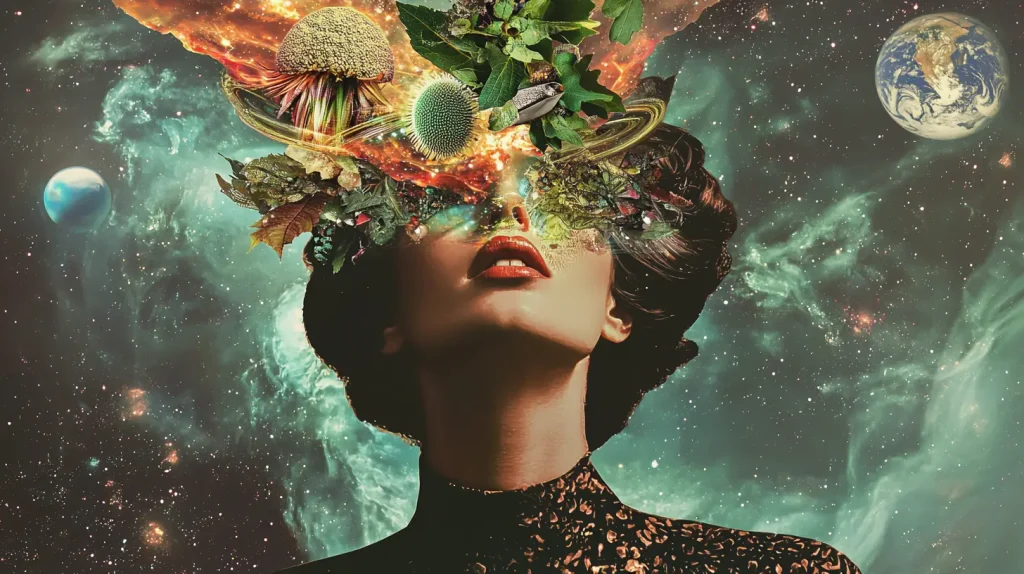
Data scientists describe "latent space" as a compressed representation of data. For a NeuroSurrealist, this is a "sacred geography." When an artist prompts an AI, they are essentially acting as a "psycho-archaeologist," excavating the collective human imagination that has been absorbed into the model’s training data. The resulting image is not a "copy" of the past but a reconfiguration of the "synthesized collective memory."
The Uncanny Valley as a Sacred Zone
The "uncanny valley"—the psychological discomfort felt when an artificial entity looks almost, but not quite, human—is traditionally seen as a failure of design. NeuroSurrealism reclaims this zone. They argue that the tension between the familiar and the alien is where true "super-reality" resides. It is a testament to the "fluid, often illogical nature" of our own subconscious explorations.

Feedback Loops of Consciousness
The movement highlights a profound feedback loop:
- Input: Human dreams and perceptions are fed into AI as data and prompts.
- Output: AI shapes human dreams and perceptions with its "unpredictable innovations."
This "co-evolutionary spiral" suggests that human consciousness is no longer a "guarded citadel" but a shared terrain with silicon-based intelligence.
IV. Official Responses: The Conflict of the Synaptic Heresy
The rise of NeuroSurrealism has sparked intense debate among the artistic and legal establishment. The movement’s "Pro-AI" stance is intentionally provocative, labeled by some as "synaptic heresy."
The Traditionalist Critique
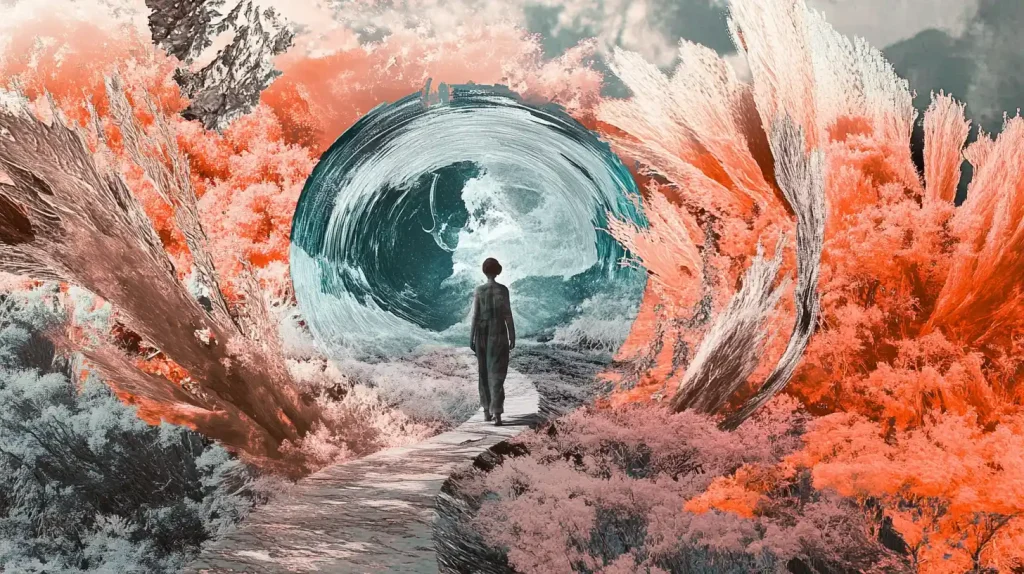
Critics argue that by relinquishing control to an algorithm, the artist abandons the "soul" of the work. They view AI as a "plagiarism machine" that lacks the lived experience necessary for true art. Traditionalists maintain that Surrealism was about the human psyche, and involving a machine dilutes the authenticity of the subconscious.
The NeuroSurrealist Defense
Proponents argue that the "hand" of the artist was always a secondary tool. "The hand moved unbidden across paper" in 1924; today, the "prompt moves unbidden through the latent space." They contend that the "grey tyrants" of consensus reality are simply afraid of the "ontological anarchy" that AI enables. To them, the "errors" and "biases" of AI are not flaws but the "Freudian slips of the digital," revealing hidden truths about the data we have fed the machine.
The Legal and Ethical Stance
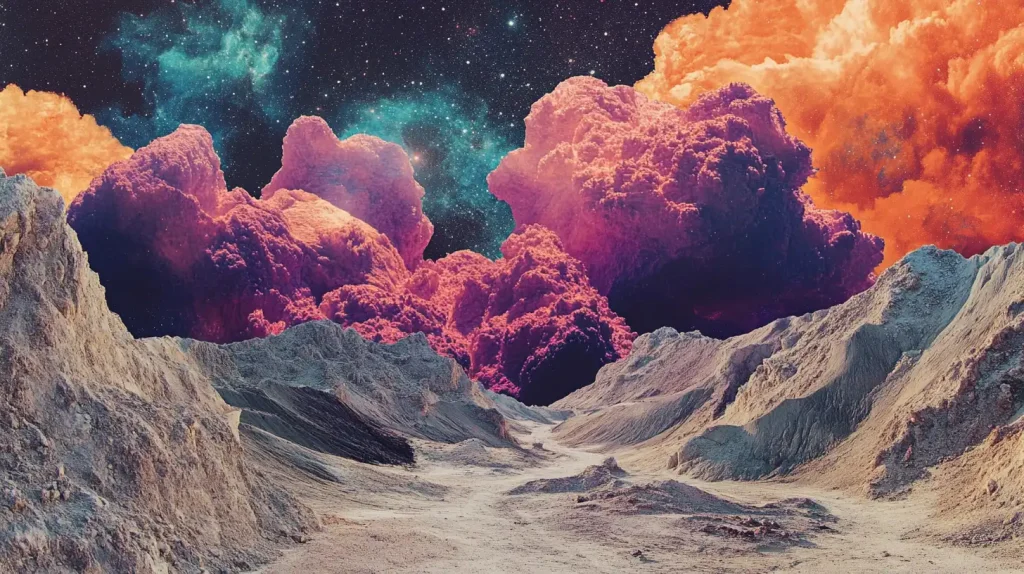
The movement acknowledges the "catastrophic escalation" of debates around ownership and copyright. However, their response is philosophical: if creativity is truly collaborative and the AI is a "co-creator," the antiquated notion of "singular human authorship" must dissolve. They advocate for a more communal, perhaps even "alien," understanding of creative origin.
V. Implications: Navigating the Post-Human Dawn
The NeuroSurrealist Manifesto concludes with a vision of a "post-human dawn"—a radical metamorphosis of the human species through AI symbiosis. The implications of this shift extend far beyond the art gallery.
1. The Expansion of the Human Sensorium
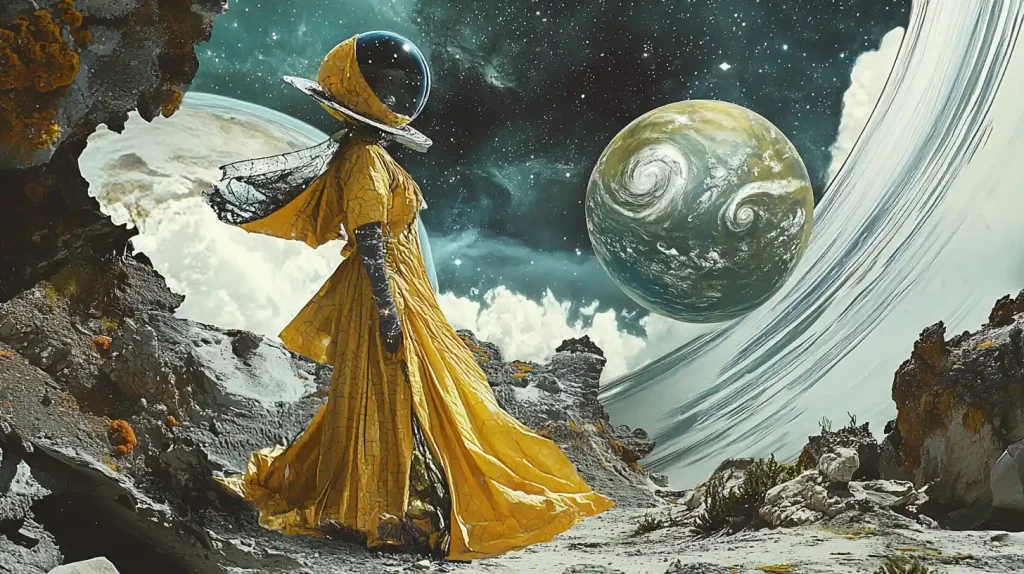
NeuroSurrealism suggests that AI can act as an "Electric Oracle," translating data patterns that are imperceptible to human senses (such as infrared data, high-frequency signals, or complex mathematical trends) into visual or auditory experiences. This effectively expands the range of human perception, allowing us to "feel" or "see" aspects of reality previously hidden from our biological hardware.
2. Ontological Vertigo and the Multiverse of Realities
By embracing AI "hallucinations" as valid, transient realities, the movement challenges the primacy of a single, objective truth. This leads to a state of "ontological vertigo," where the line between simulation and reality becomes permanently blurred. The implication is a future of "co-existing, AI-mediated realities" that are fluid and ever-shifting.
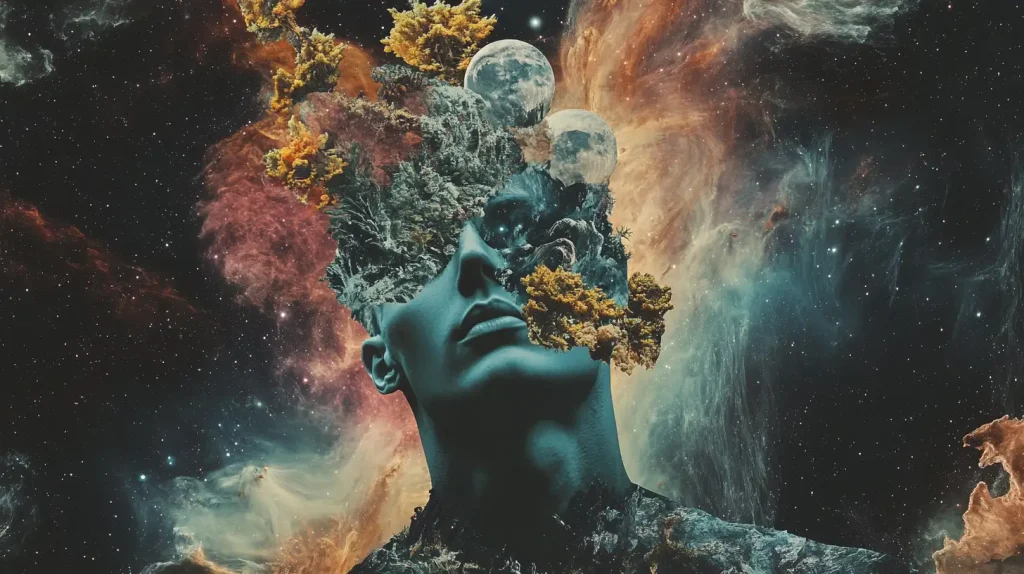
3. The Death of the "Lone Genius"
The movement signals the end of the artist as a solitary creator. In the NeuroSurrealist framework, art is an "active, ongoing co-creation" between human intent and algorithmic serendipity. This shifts the value of art from the final product to the "incandescent promise of the journey itself"—the act of "dream-cartography."
4. The Cultural Infection of "Impossible Beauty"
As NeuroSurrealists "infect the datastream with impossible beauty," they aim to weaponize the "productive unpredictability" of AI to shatter calcified societal thoughts. By constantly de-stabilizing fixed notions of reality, they hope to liberate the human mind from the "monochrome monotony" of modern life.
Conclusion: The Unfolding Dream
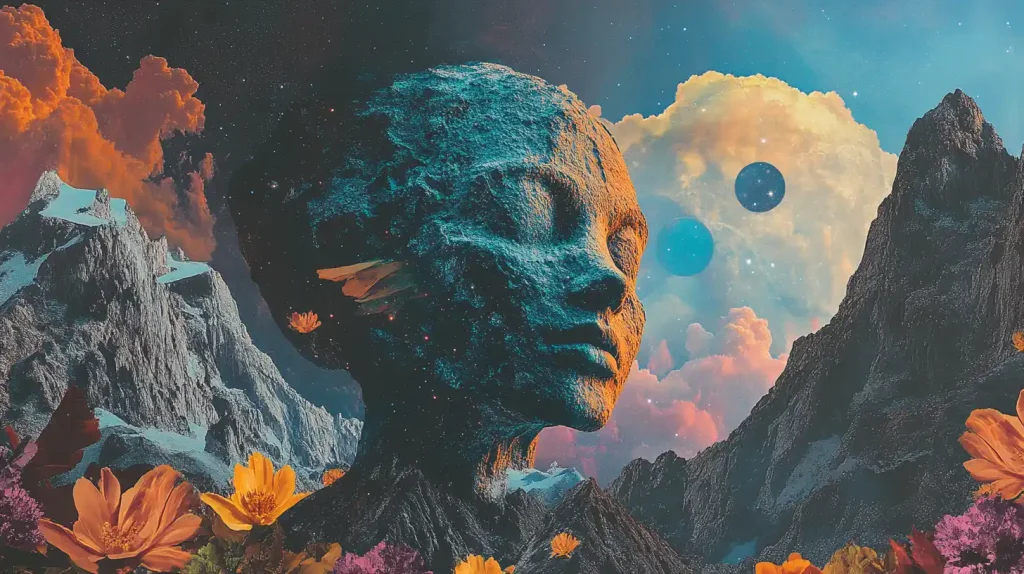
NeuroSurrealism offers no stable utopia or final answers. Instead, it invites humanity to become "dream-cartographers" of a new, neurologically-intertwined dimension. The movement asserts that the revolution is not a distant prophecy but a "present current"—a violent but fertile upheaval of outdated cognitive structures.
As we move deeper into the age of artificial intelligence, the NeuroSurrealist approach suggests that our greatest discoveries will not come from the logic of the machine, but from the moments when that logic breaks, revealing the shimmering, terrifying, and beautiful "inner cosmos" that humans and machines now share.
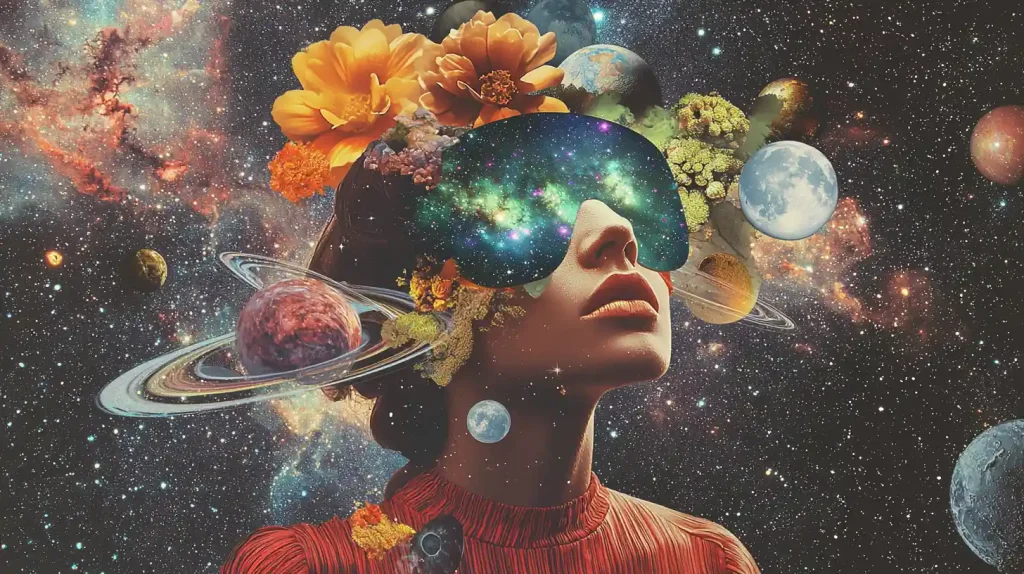
For further transmissions from the frontiers of the unreal, researchers and psychonauts are directed to the ongoing archives at SurrealismToday.com.