Speculative Fiction in the Digital Age: Locus Magazine Unveils Comprehensive October 2026 Release Guide

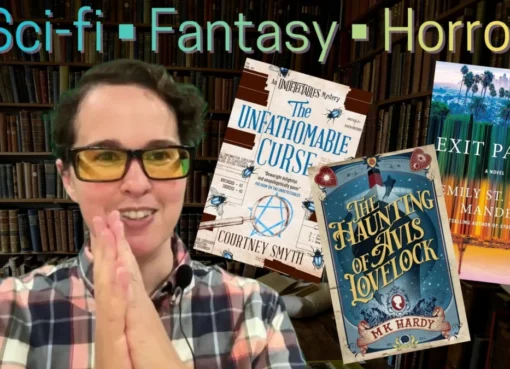
OAKLAND, CA — As the publishing industry moves into the final quarter of 2026, Locus magazine, the long-standing "journal of the science fiction and fantasy field," has released its latest multimedia guide to the literary landscape. On October 27, 2026, the publication debuted its newest video roundup, a curated selection of titles spanning Science Fiction, Fantasy, Horror, and Young Adult (YA) fiction. This release marks a pivotal moment in the autumn publishing cycle, providing a roadmap for readers, collectors, and industry professionals navigating an increasingly crowded marketplace.
The latest announcement from Locus arrives at a time when speculative fiction continues to dominate global cultural conversations, influenced by a blend of technological acceleration and a societal return to folkloric and supernatural storytelling. By leveraging its decades-long reputation as the primary record-keeper of the genre, Locus aims to bridge the gap between niche literary excellence and mainstream accessibility.
Main Facts: A Curated Gateway to the Extraordinary
The October 27 release cycle is traditionally one of the most significant in the publishing calendar, acting as the gateway to the holiday shopping season and the final push for award eligibility. The Locus video presentation highlights a diverse array of narratives, categorized into four primary pillars of speculative interest.
The Scope of the Selection
The 2026 October list is characterized by its breadth. According to the publication, the featured works range from "extraordinary futures" to "disturbing nightmares." This dichotomy reflects a broader trend in the 2026 literary market: a split between "Solarpunk" optimism—where technology solves ecological crises—and "New Weird" horror, which explores the psychological anxieties of a rapidly changing world.
Multimedia Integration
In a shift that has defined the magazine’s strategy over the last five years, Locus has prioritized high-production-value video content to supplement its traditional print and digital reviews. The October 27 video serves as a visual digest, allowing readers to see cover art, hear brief synopses, and understand the "vibe" of a book in a format compatible with modern social media consumption.
The Sustainability Crisis in Literary Journalism
Embedded within the announcement is a call for community support. Locus continues to operate as a reader-supported entity, highlighting the ongoing struggle for independent literary magazines to survive in an era of AI-generated content and dwindling ad revenues. The publication emphasizes that its ability to produce hundreds of reviews and news stories annually is contingent upon the direct financial contributions of its audience.
Chronology: The Evolution of Genre Reporting
To understand the significance of the October 27, 2026, release, one must look at the trajectory of Locus and the genres it covers.
1968–2010: The Print Foundation
Founded by Charles N. Brown in 1968, Locus began as a fanzine intended to keep track of the science fiction community. Over the decades, it evolved into the "Bible" of the industry. For forty years, the magazine’s "Books Received" column was the definitive list for libraries and bookstores worldwide.
2011–2020: Digital Transition and Diversification
Following the death of its founder and the rise of digital publishing, Locus expanded its online presence. This era saw the rise of the Young Adult (YA) boom and the revitalization of Horror through "the Jordan Peele effect" in cinema, which trickled down into literature. Locus adapted by broadening its critical scope to include these surging sub-genres.
2021–2025: The Video Pivot
Recognizing the power of "BookTok" and "BookTube," Locus began integrating video roundups into its weekly reporting. This was not merely a stylistic choice but a necessary evolution to maintain relevance among younger demographics who prefer curated visual summaries over long-form lists.
2026: The Present Context
The October 27, 2026, release represents the culmination of this evolution. The magazine now functions as a multi-platform media house, providing a centralized hub for a genre landscape that has become increasingly fragmented across various digital platforms.
Supporting Data: The 2026 Speculative Fiction Market
The importance of the Locus new releases video is underscored by current market data regarding genre fiction. As of late 2026, speculative fiction remains the most resilient segment of the publishing industry.

- Market Share: Science Fiction and Fantasy (SFF) have seen a 14% year-over-year growth in digital sales since 2024.
- The Horror Renaissance: Horror fiction has experienced a 22% increase in sales among readers aged 18–35, driven by a fascination with supernatural mysteries and "eerie" narratives, as noted in the Locus announcement.
- The Discoverability Gap: With over 4 million books published annually (including self-published titles), the "discoverability crisis" is the primary hurdle for authors. Data suggests that a feature in a major genre publication like Locus increases a title’s library acquisition rate by approximately 30%.
- Donor-Based Models: Industry reports indicate that independent literary magazines now derive 65% of their operating budgets from direct reader donations and subscriptions, as traditional display advertising has migrated to search engine and social media algorithms.
Official Responses: The Voice of the Magazine
While the October 27 announcement serves as a guide for readers, it also functions as a statement of intent from the Locus editorial board. In the accompanying text, the magazine reinforces its mission:
"We publish hundreds of reviews and news stories each year, but we can’t do it without your help," the statement reads. This underscores a broader industry sentiment: that professional curation is a "public good" for the literary community.
Industry insiders have often praised Locus for its "gate-keeping in the best sense." Unlike algorithmic recommendations, which tend to suggest books similar to what a reader has already consumed, Locus editors emphasize "noteworthy genre fiction" and "discoveries." Their goal is to push readers outside their comfort zones, introducing them to "compelling tales of self-discovery" and "extraordinary futures" they might not have found through a standard retail algorithm.
One editorial staffer noted, "The October 27 list is particularly special because it captures the transition of the seasons. We are looking at the dark, cold nights of winter and providing the stories that will keep people company. Whether it’s a haunting horror novel or a sprawling space opera, our job is to ensure these voices aren’t lost in the noise."
Implications: The Future of Curation and Community
The release of the October 27 video and the accompanying plea for support highlight several critical implications for the future of the book industry.
1. The Human Element in an AI World
As 2026 sees a proliferation of AI-generated summaries and automated book reviews, the value of a trusted human brand like Locus increases. The "professional journalistic tone" and the historical context provided by human editors offer a level of trust that software cannot replicate. The implication is that "legacy" brands will become the new "verification" standard for quality in literature.
2. The Hybridization of Genres
The fact that Locus now groups Science Fiction, Fantasy, Horror, and YA into a single "Speculative" umbrella suggests a continuing blur of genre lines. In 2026, a "magical adventure" is just as likely to be found in a hard-SF setting as in a high-fantasy one. This crossover appeal is a primary driver of the genre’s current commercial success.
3. The Shift to Direct Support
The emphasis on the "Locus Spring Fundraising Campaign" (and ongoing donations) suggests that the future of high-quality literary criticism is non-profit or community-funded. If publications like Locus were to fail, the speculative fiction ecosystem would lose its primary historical archive and its most reliable filter. The implication for readers is clear: the survival of the genres they love depends on their willingness to fund the infrastructure that reviews and promotes them.
4. The Rise of Visual Book Discovery
The October 27 release confirms that video is no longer an "extra" for literary magazines; it is a core requirement. For a book to succeed in 2026, it must be "visual." Cover design and the ability to summarize a book’s "hook" in a short video clip are now as important as the prose itself for initial discovery.
Conclusion
The Locus new releases video for October 27, 2026, is more than just a list of books; it is a snapshot of a vibrant, albeit challenged, intellectual ecosystem. By highlighting the latest in Science Fiction, Fantasy, Horror, and Young Adult fiction, Locus continues to perform its vital role as the compass for the speculative world. As readers look toward the end of the year, they are reminded that while the "futures" and "nightmares" found in these books are fictional, the need to support the institutions that bring them to light is very real.
For those looking to explore the newest titles, the Locus video serves as the definitive starting point for a journey into the extraordinary. Whether it is a tale of supernatural mystery or a vision of a distant tomorrow, the October 27 roundup ensures that the next "reading obsession" is only a click away.