The Resurrection of Supernatural: How a Community Saved VR’s Most Iconic Fitness Service from Big Tech Obsolescence
In the volatile landscape of Silicon Valley, when a trillion-dollar conglomerate decides to "sunset" a product, that product usually disappears into the digital graveyard, joined by a flurry of severance packages and non-disclosure agreements. In January 2024, it appeared Supernatural—Meta’s premier virtual reality fitness service—was destined for exactly that fate. Meta announced it was ending new development and laying off the core team, signaling a cold end to a platform that had become a daily sanctuary for thousands of users.
However, in a rare defiance of corporate gravity, Supernatural is not dying. It is being reborn.
Following a groundswell of community activism and an improbable series of negotiations, the service is transitioning from a Meta-owned asset to an independent entity titled "Supernatural Health." Led by the original founders and a lean "skeleton crew" of returning staff, the platform is currently being rebuilt from the ground up. This transition represents one of the most unusual stories in the history of the "Metaverse"—a tale of how a dedicated user base and a handful of passionate creators forced a pivot from a tech giant.
Main Facts: The New Independent Path
The transition of Supernatural is not merely a change in management; it is a total structural overhaul. Below are the primary pillars of the new independent venture:
- Corporate Identity: A new company, Supernatural Health, has been formed to take over the service. This entity is independent of Meta, though it continues to operate within the Meta Horizon ecosystem.
- The Team: The staff has seen a dramatic reduction in scale, shrinking from nearly 200 employees under Meta to a highly focused team of approximately 15 people.
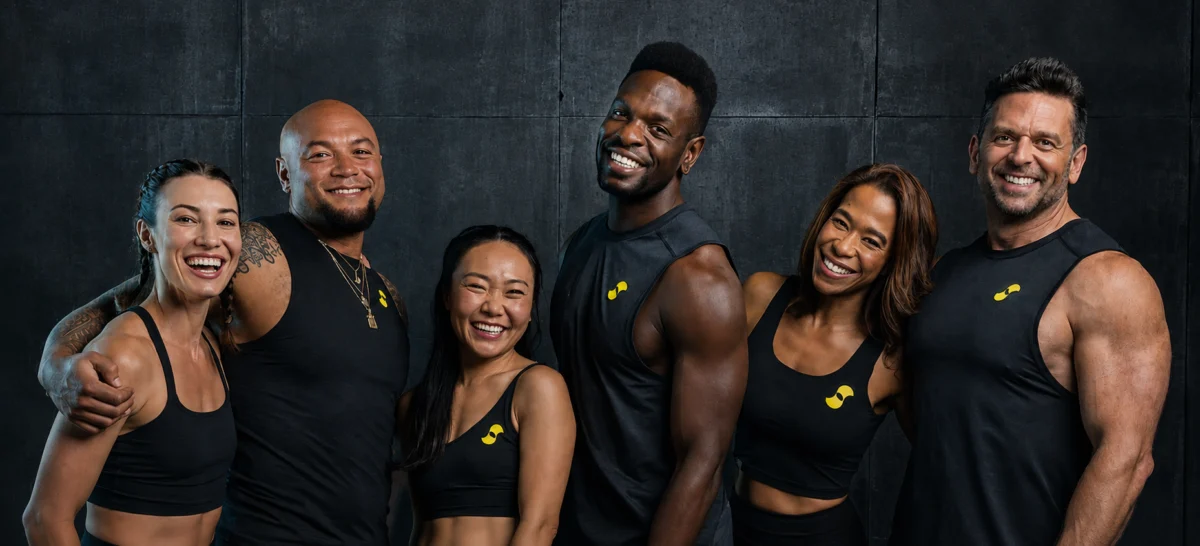
- Product Continuity: All six original coaches—Leanne Pedante, Antonio Harrison, Mindy Lai, Raneir Pollard, Mark Harari, and Dwana Olsen—are returning to the platform. The core elements of the experience, including high-fidelity environments, licensed music, and professional choreography, remain "non-negotiable" hallmarks of the service.
- The Deadline: Meta’s existing Supernatural app will remain functional until December 3, 2024. Before that date, a new independent app will launch on the Meta Horizon Store.
- Subscription Model: The new service will cost $20 per month or $200 annually. A "Founding Membership" is currently available for registration, locking in a first-year rate of $180.
Chronology: From Layoffs to Liberation
The path to independence was neither linear nor guaranteed. It was a five-month journey marked by professional grief, international soul-searching, and grassroots lobbying.

January 2024: The Sudden Silence
The year began with a shock to the VR fitness community. Meta, which had acquired Supernatural’s parent company, Within, in 2023 after a lengthy legal battle with the FTC, abruptly announced it would cease development. The move was part of a broader trend of "efficiency" across Meta’s Reality Labs division. For the coaches and engineers, the news was devastating. Leanne Pedante, Supernatural’s Head of Fitness, described a sense of "shock and grief" that permeated the team.
February – March 2024: The Community Uprising
While the laid-off team began dismantling their professional lives, the Supernatural user base—whom the app refers to as "athletes"—refused to go quietly. A Change.org petition was launched within 24 hours, eventually garnering over 7,800 signatures.
The advocacy went beyond digital signatures. At the Game Developers Conference (GDC) in March, dedicated user Cheryl Briggs cornered Meta’s Director of Games, Chris Pruett, to argue that Supernatural was not just a game, but a critical health and wellness platform for people who felt alienated by traditional gyms. This grassroots pressure, combined with the founders’ desire to save their creation, kept the conversation alive behind closed doors at Meta.
April – May 2024: The "Cosmic Joke" in Italy
For Leanne Pedante, the road back began in Europe. Having lost her job and given up her Los Angeles apartment, she was traveling through Italy with no intention of returning to the tech world. It was there that she received the "improbable" call from the original founders. They were discussing a long-shot deal to spin the company off as an independent entity.
"I felt like it was the cosmic joke," Pedante recalled. After weeks of skepticism, the deal solidified. By the time she returned to the U.S., the "long shot" had become a concrete business plan.

June 2024: The Official Announcement
Meta officially broke the silence in June, announcing that Supernatural Health would take over the experience. The announcement was a rare admission of the power of user feedback, with Meta stating they had heard the community "loud and clear."
Supporting Data: Scaling Down to Move Faster
The transition from a corporate behemoth to a lean startup is reflected most starkly in the personnel data. The reduction from 200 staff members to 15 is a 92.5% decrease in headcount. While this suggests a loss of resources, Pedante argues it has restored the "agility" of the company’s early years.
Comparison of Scale:
- Meta Era: ~200 employees, corporate oversight, slower approval pipelines, massive R&D budgets.
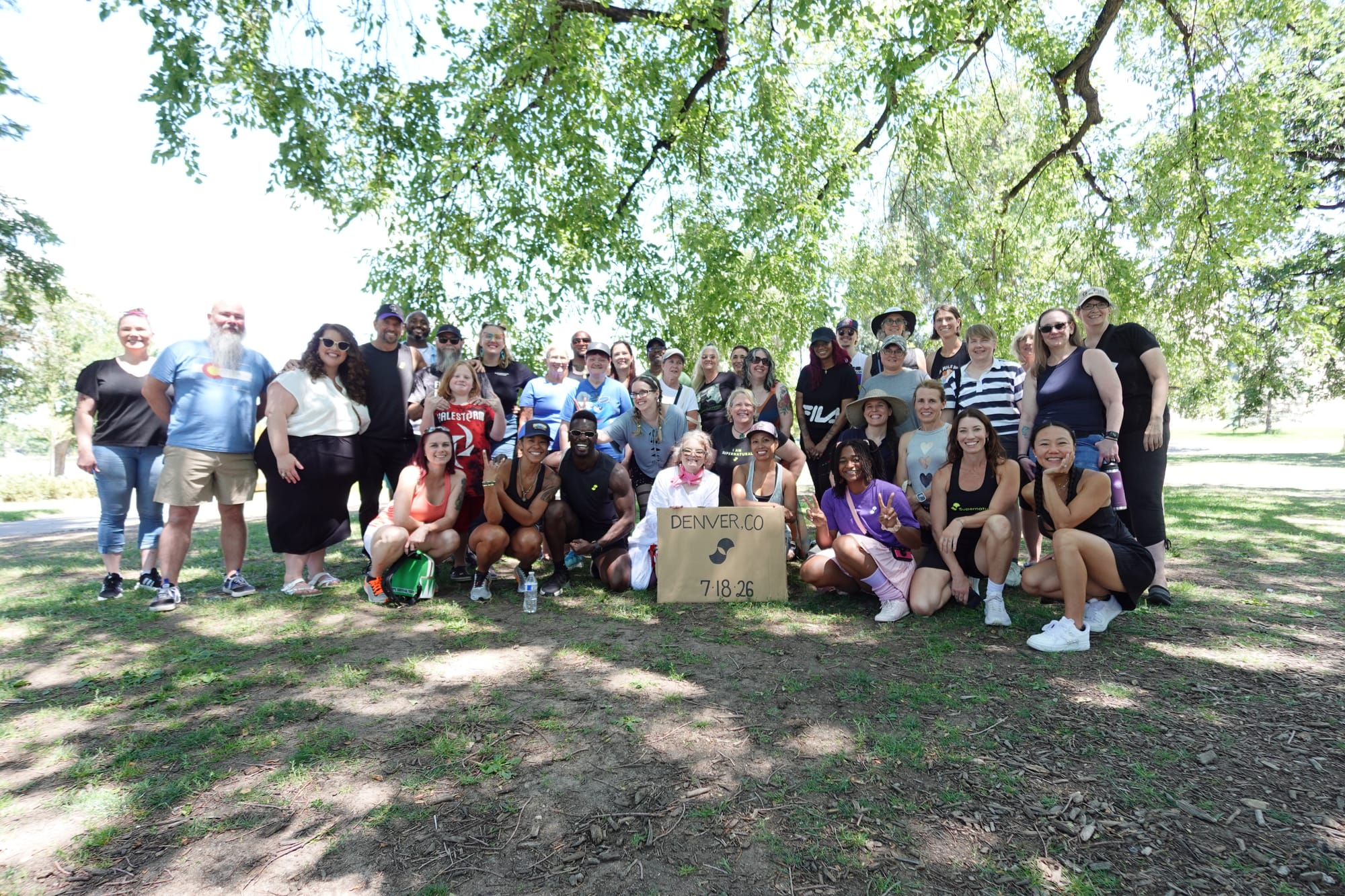
- Independent Era: ~15 employees, founder-led, rapid decision-making (e.g., organizing athlete meetups in three weeks), focus on core sustainability.
Financial Incentives:
To ensure the new company has the runway to survive, Supernatural Health is leaning heavily on its "Founding Members." By offering a $20 discount on the annual rate ($180 vs. $200), the team is seeking an early indication of "how many people are coming with us." These registrations act as a vital data point for the small team to gauge the viability of their independent infrastructure.
Official Responses: A Mutual Parting
The rhetoric from both Meta and the new Supernatural Health team suggests a desire for a clean, supportive break. Meta’s official statement focused on the community: "We’ve been working hard to find a path forward… we’ve heard your feedback loud and clear."
Leanne Pedante’s response highlights the emotional weight of the transition. She noted that the response from the "athletes" served as a "salve to our own individual pain." For the coaches, the decision to return wasn’t about corporate loyalty, but about the "trust" they had built with users who credited the app with life-changing physical and mental health transformations.
However, the team is also managing expectations regarding the technical migration. When asked if users would be able to port over years of workout history, streaks, and achievements to the new app, Pedante was cautious: "We are working on it. I can’t promise anything." This highlights the technical debt and complexities involved in decoupled data from Meta’s proprietary servers.
Implications: A New Model for the VR Industry?
The "resurrection" of Supernatural carries significant implications for the broader VR and software-as-a-service (SaaS) industries.
1. The Power of Community-as-a-Moat
In the traditional software world, a product lives or dies based on its ROI within a corporate portfolio. Supernatural has proven that a sufficiently "high-touch" community can act as a political force. The intense emotional connection between the coaches and the athletes created a level of brand equity that Meta found difficult to simply "delete." This may encourage other niche VR services to focus more on community-building as a form of long-term insurance.
2. The Viability of "Small" VR
For years, the narrative has been that VR requires massive, subsidized investment from giants like Meta, Sony, or Apple to survive. Supernatural Health is testing a different hypothesis: Can a premium VR service thrive as a lean, independent business? If 15 people can maintain the quality that 200 people previously managed, it could provide a blueprint for a more sustainable, "middle-class" tier of VR development that doesn’t rely on the whims of Big Tech’s quarterly earnings.
3. The "Platform vs. Content" Tension
Meta’s willingness to let Supernatural go independent suggests a shift in strategy. By allowing the app to move to a third-party model, Meta retains a high-quality "system seller" for its Quest headsets without the overhead of internal development and music licensing management. It marks a transition for Meta from being a content creator to a pure platform holder in the fitness space.
4. The Human Element of Fitness
Ultimately, the survival of Supernatural underscores that VR fitness is less about the "VR" and more about the "fitness." The technology is merely the delivery mechanism for human connection. As Pedante noted, the "safety" people feel in a virtual environment—away from the judgmental eyes of a traditional gym—is the true product. By preserving the coaches and the community, the independent team is betting that the human relationship is what the users are actually paying for.
As the December 3rd deadline approaches, all eyes in the VR industry will be on the Meta Horizon Store. The successful migration of the Supernatural community will not just be a win for the 15 people rebuilding the app—it will be a landmark moment for the independence of digital creators in the age of corporate consolidation.