The New Frontier of Digital Larceny: A Comprehensive Review of Payday: Aces High
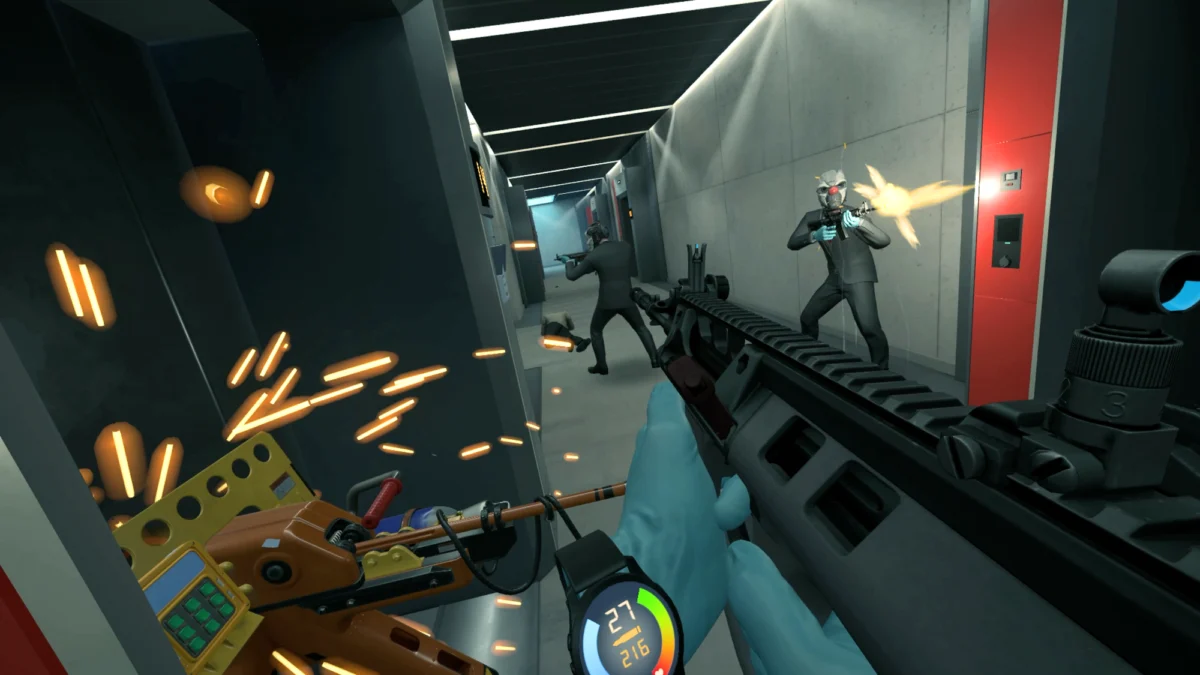
The transition from traditional flat-screen gaming to the immersive realms of virtual reality has often been fraught with compromise. Many established franchises have attempted to "port" their experiences into VR, only to find that the mechanics which defined their success do not translate to a 360-degree space. However, with the release of Payday: Aces High, developer Fast Travel Games has not merely ported a franchise; they have reimagined the high-stakes world of professional thievery for a new medium.
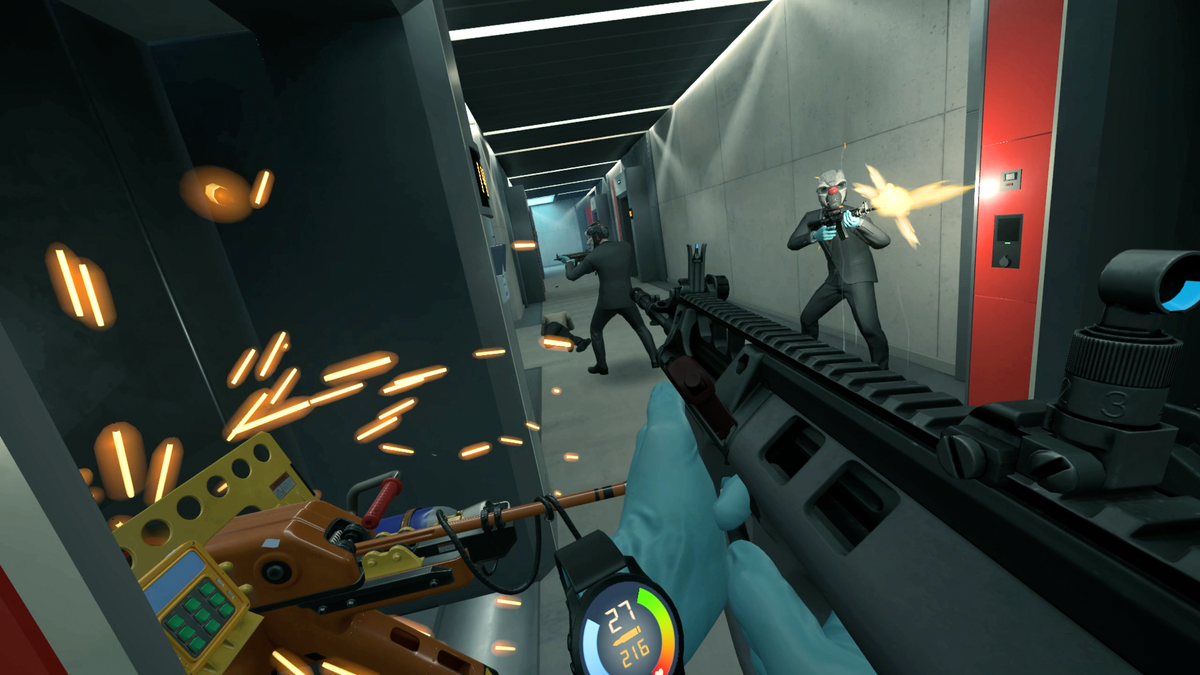
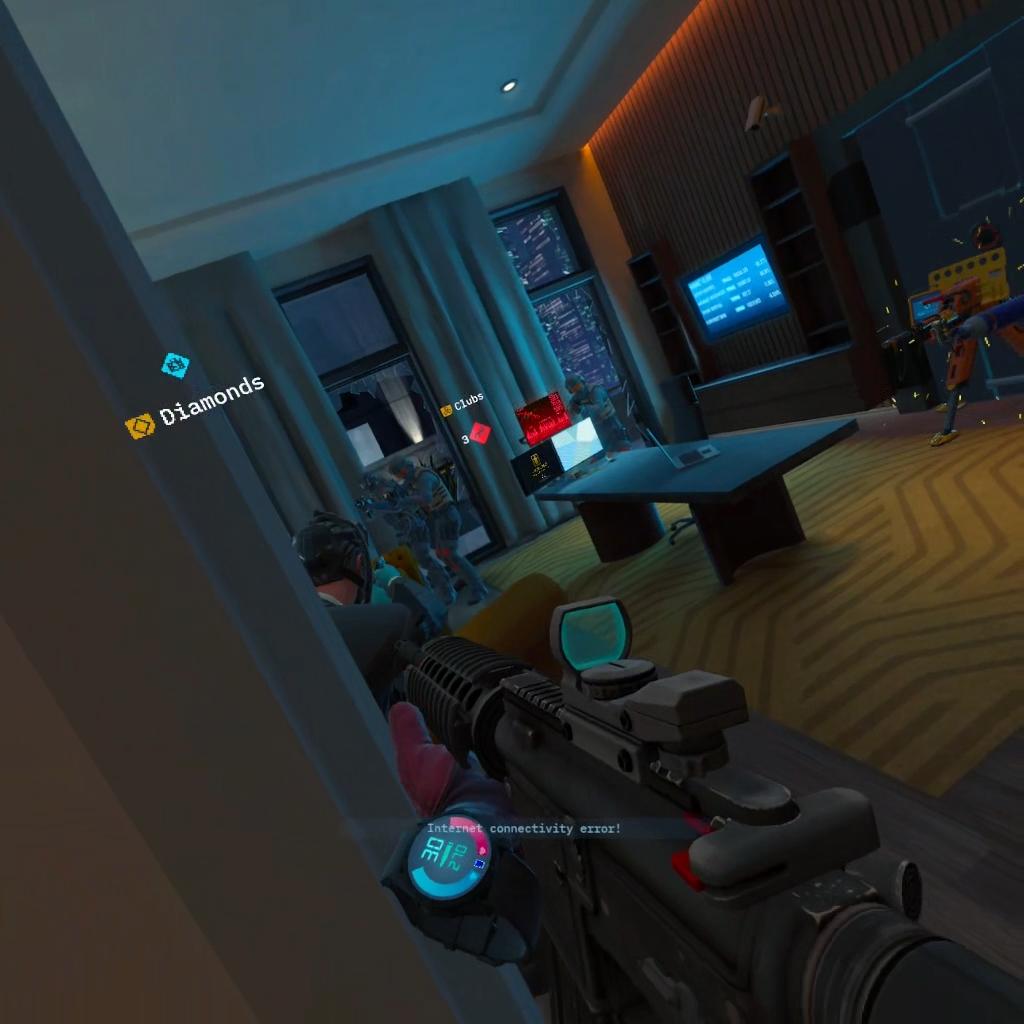
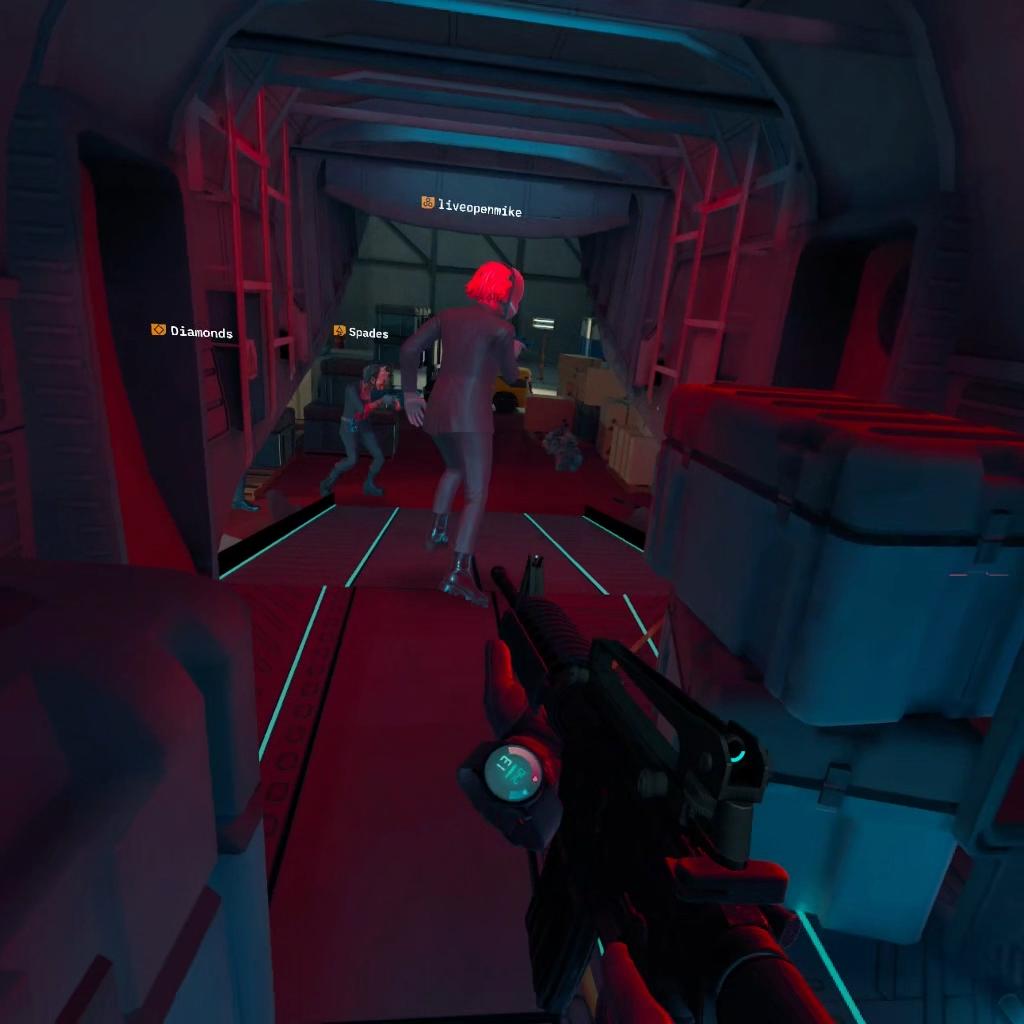
The premise is a familiar adrenaline spike: a meticulously planned heist—hacking a secure terminal, cracking a high-security vault, and extracting a priceless quantum computer via helipad. Yet, as any veteran of the Payday series knows, the transition from "plan" to "chaos" is often measured in seconds. In Payday: Aces High, that chaos is no longer something you watch on a monitor; it is a visceral, claustrophobic reality where bullets whiz past your ears and the weight of your squad’s survival rests literally in your hands.
I. Main Facts: Technical Specifications and Market Positioning
Payday: Aces High represents a significant milestone for Fast Travel Games, acting as both developer and publisher for this VR-ground-up entry. Released on November 5, 2026, the title serves as a flagship experience for Meta’s latest hardware iterations.
Core Specifications:
- Payday: Aces High
- Developer/Publisher: Fast Travel Games
- Release Date: November 5, 2026
- Platforms: Meta Quest 3, Meta Quest 3S (Reviewed), and PC VR via Steam and Steam Frame.
- Pricing: $24.99 USD. Notably, the game is available as a "Day One" inclusion for subscribers of the Meta Horizon+ service, signaling Meta’s commitment to high-fidelity cooperative content for its subscription ecosystem.
- Multiplayer Architecture: Supports up to 4-player cooperative play with full crossplay enabled across all platforms.
- Launch Content: Six distinct heists are available at launch, with a seventh free mission confirmed for a December 2026 update.
The game is designed to leverage the processing power of the Quest 3S, offering high-resolution textures and spatial audio that are critical for the situational awareness required in stealth-heavy missions.
II. Chronology: The Evolution of a Criminal Empire
To understand the impact of Aces High, one must look at the fourteen-year trajectory of the Payday intellectual property. The series debuted in 2011 with Payday: The Heist, a title that successfully blended the cooperative "horde" mechanics of Left 4 Dead with the cinematic tension of films like Heat.
The franchise’s zenith was reached with Payday 2 in 2013, a juggernaut that sold over 40 million copies and maintained a decade-long lifespan through consistent DLC and community engagement. While Payday 3 (2023) sought to modernize the engine and stealth mechanics, fans remained hungry for a more tactile experience.
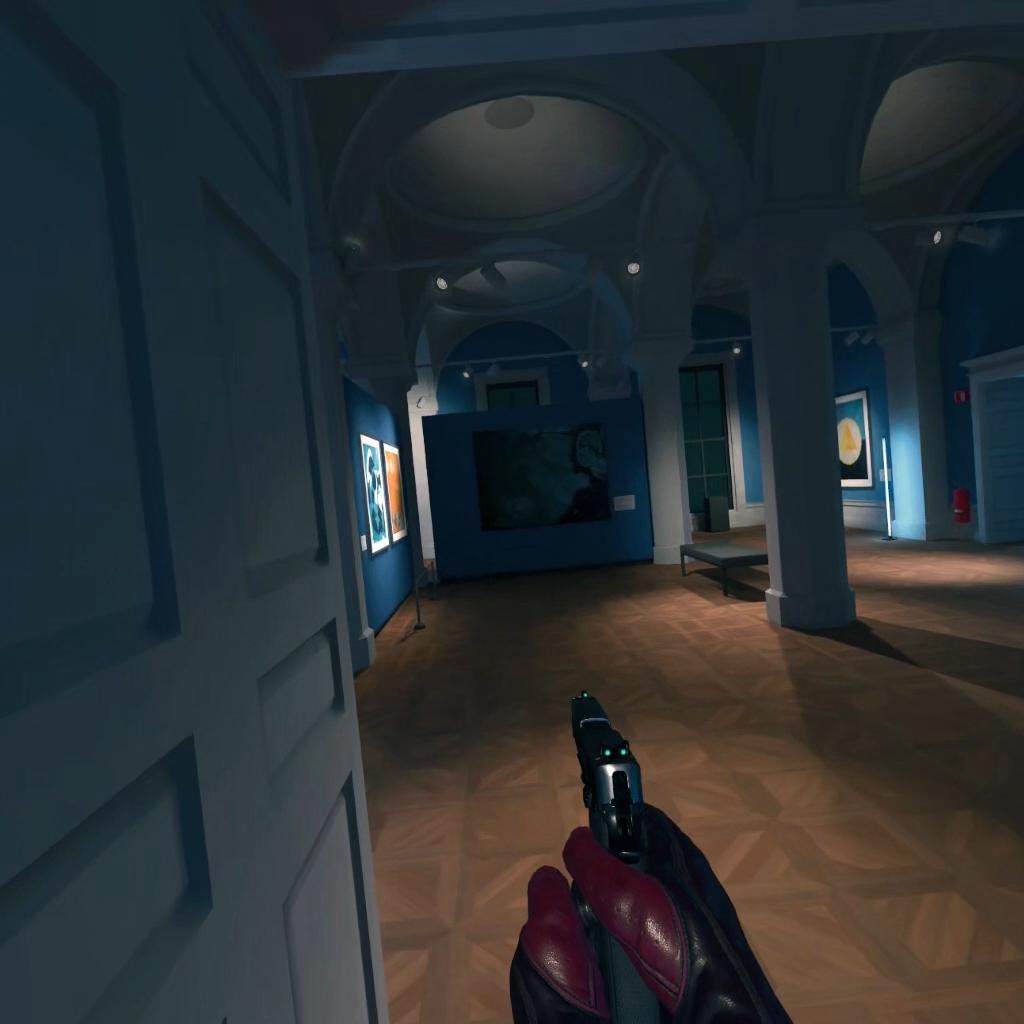
Payday: Aces High enters the timeline not as a replacement for the mainline numbered entries, but as a specialized evolution. It introduces a new narrative thread centered on "The Aces"—a quartet of professional thieves framed for a high-profile crime by the billionaire antagonist Warren Jupiter. After a five-year stint in federal prison, the Aces have orchestrated a breakout with a singular objective: the systematic dismantling of Jupiter’s empire through targeted, high-value larcenies. This narrative shift allows the game to maintain the series’ "criminal lore" while providing a fresh entry point for newcomers.
III. Supporting Data: Mechanics, Design, and VR Integration
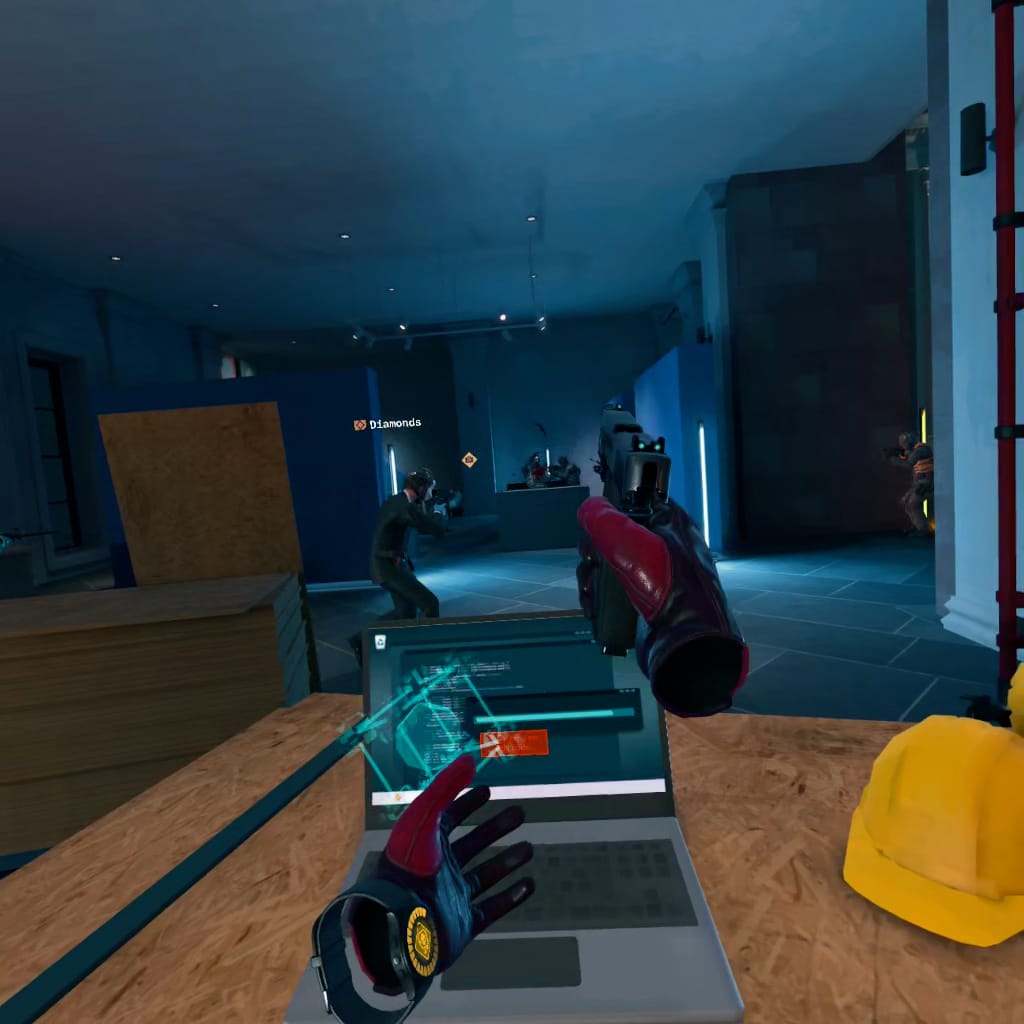
The brilliance of Aces High lies in its "Hand-On Heisting" philosophy. Fast Travel Games has moved away from button-prompt interactions in favor of physical, spatial gestures that ground the player in the environment.
Tactical Immersion and Interaction
In previous iterations, "reloading" was a button press. In Aces High, it is a multi-step physical process: reaching for a magazine at your hip, slamming it into the well, and manually racking the slide. This adds a layer of "skill-based tension" during firefights; a fumbled magazine in VR can be the difference between a successful extraction and a squad wipe.
Interaction highlights include:
- Medical Intervention: Reviving a downed teammate requires the player to physically grab a syringe and plunge it into the ally’s body.
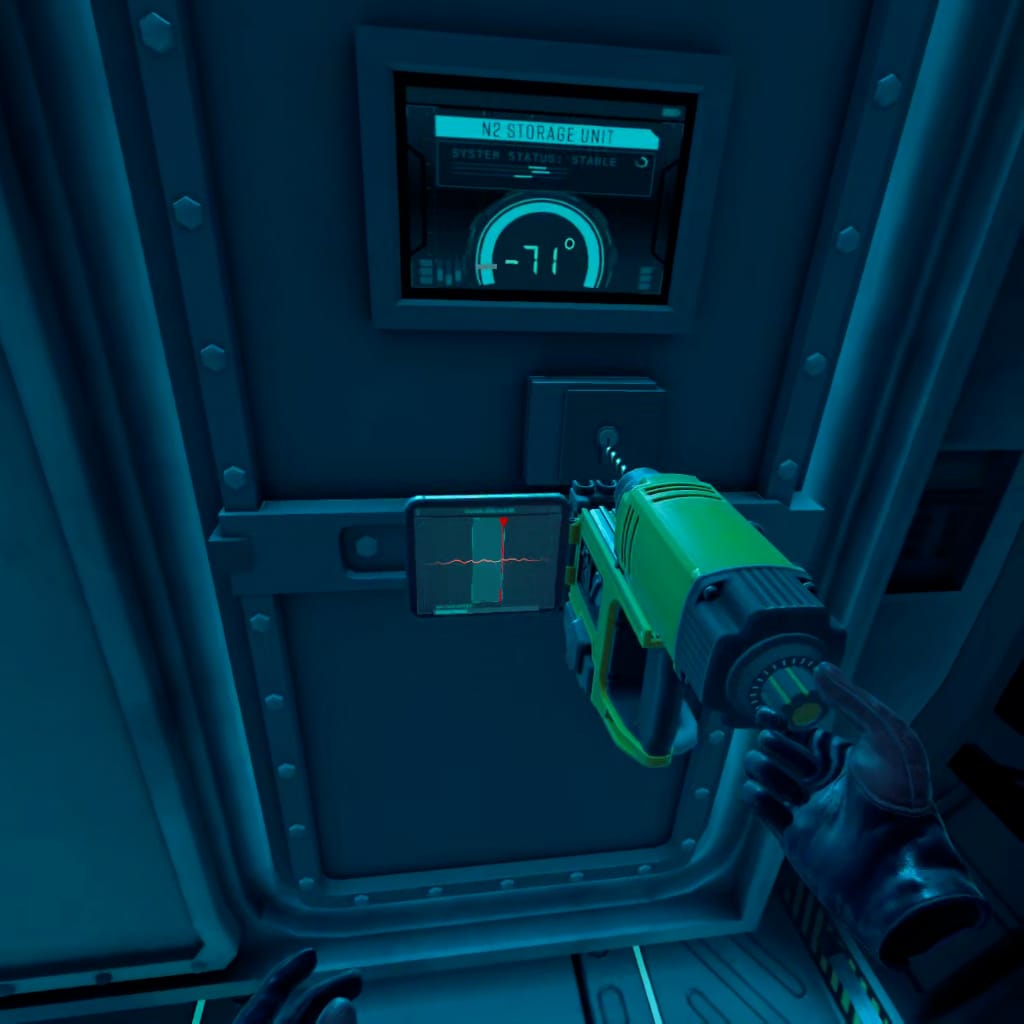
- Safe Cracking: Players must use their actual fingertips to rotate the dials on a safe, feeling for haptic vibrations that signal a successful tumbler hit.
- Hacking: Terminal breaches involve flicking the wrist to check a wearable device and tapping out sequences with the opposite hand.
- Loot Management: Stolen goods are not just "inventory items"; they are physical duffel bags that must be hoisted and thrown, affecting player movement and visibility.
The Safehouse and Customization
The game features a robust hub world—the Safehouse—where players spend their "off-time." This area serves as more than a menu; it is a fully realized environment containing:
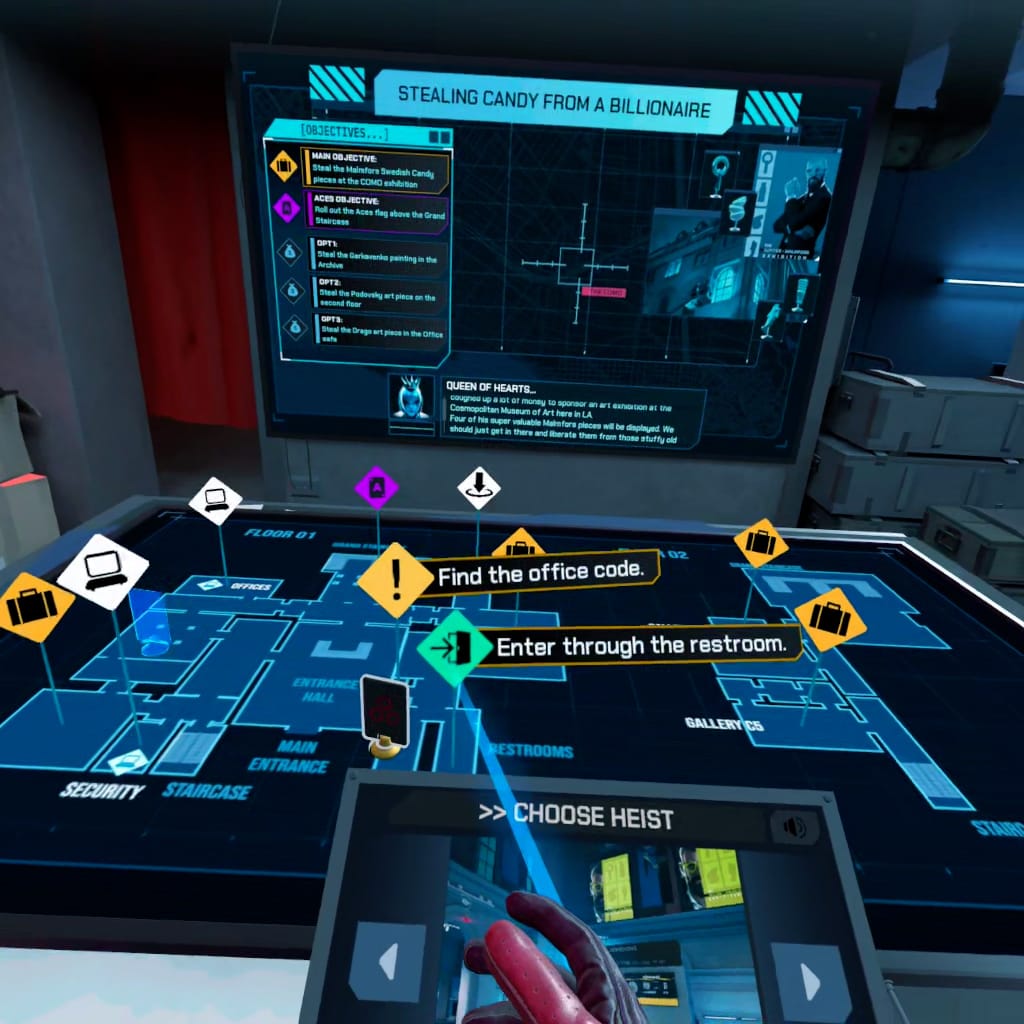
- The Briefing Table: Where crews vote on missions and analyze blueprints.
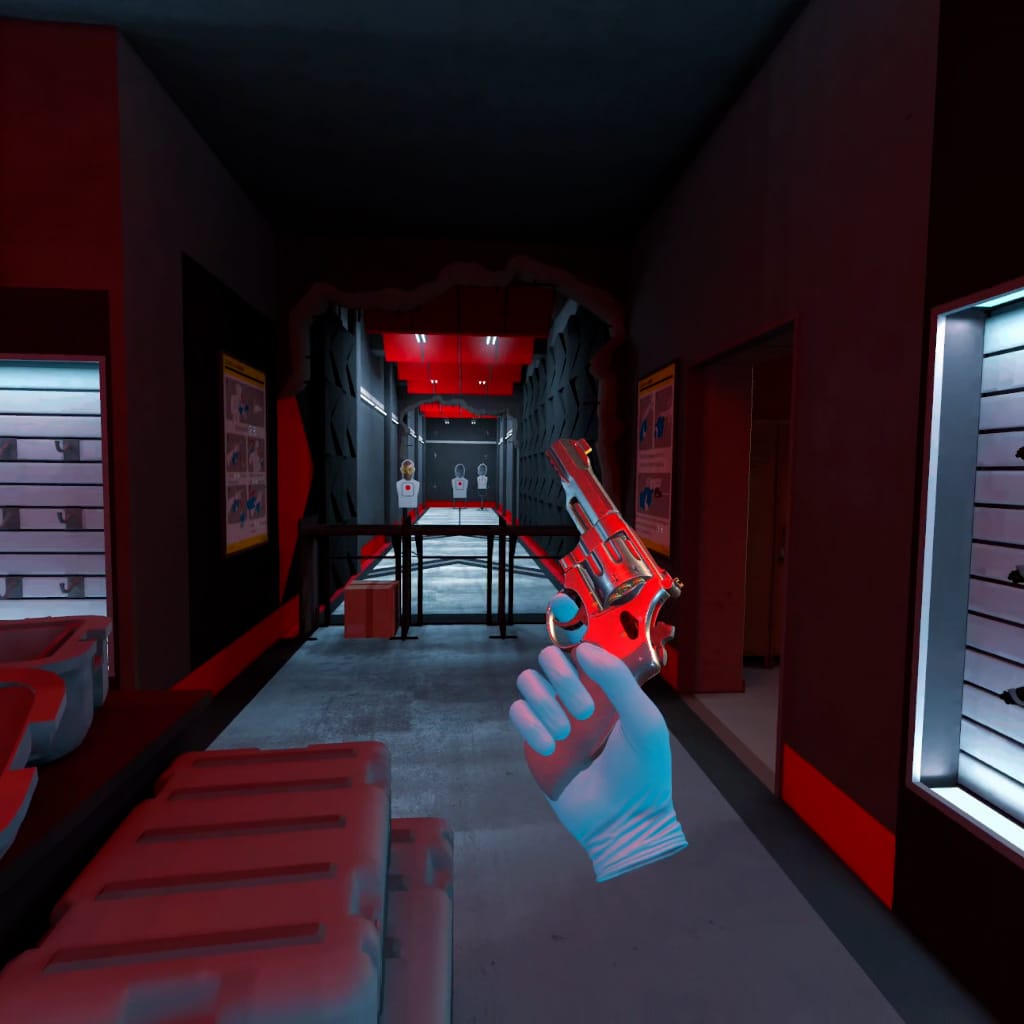
- The Shooting Range: A vital space for testing the game’s extensive armory and mastering recoil patterns in VR.
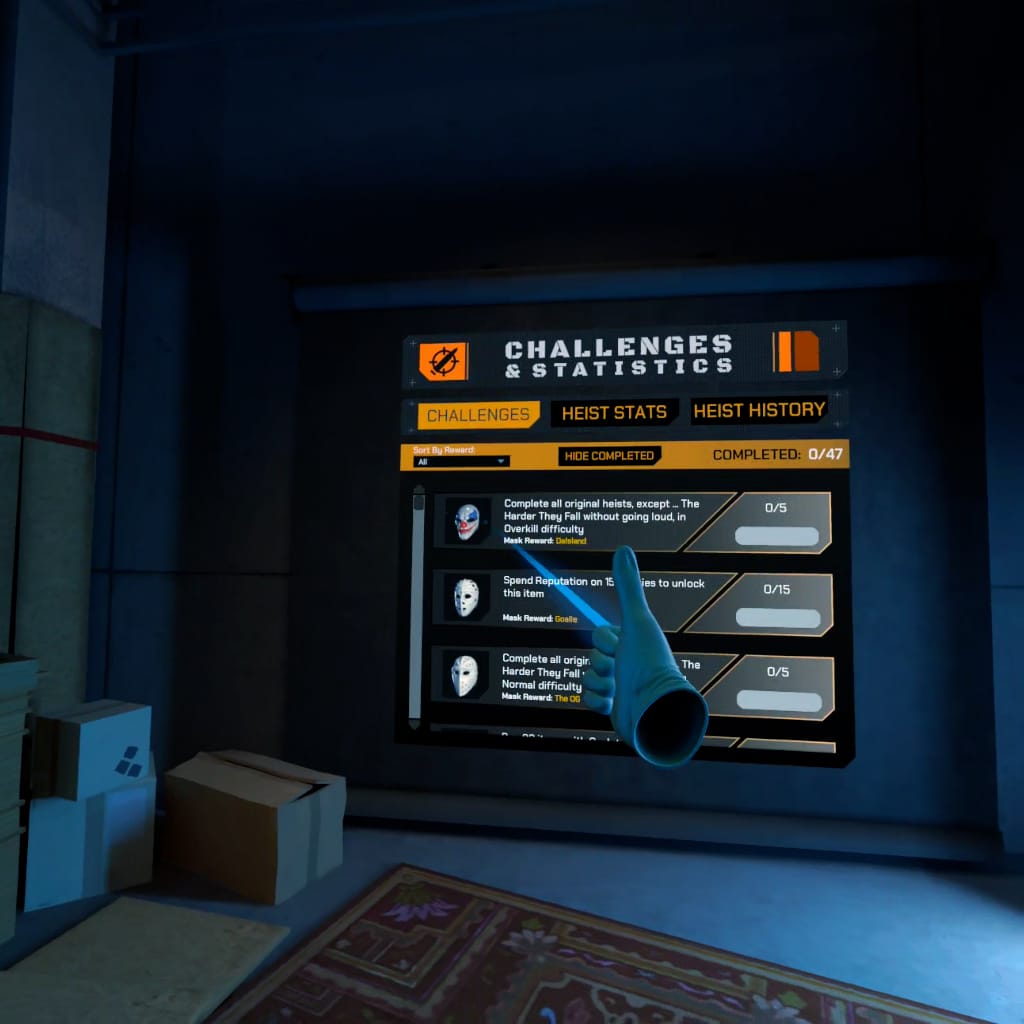
- The Shop: A dual-currency system where players spend in-game "rep" and currency on upgrades, alongside a real-world storefront for cosmetic masks and suits.
- Practice Area: A dedicated solo space to hone stealth paths without the pressure of a live lobby.
AI and Cooperative Dynamics
A significant technical hurdle for VR co-op is player retention and latency. Fast Travel Games addresses this with "Intelligent Bot Integration." If a human player loses connection or leaves mid-heist, a bot takes over their role seamlessly. While the review notes that these bots are "fairly intelligent," the consensus remains that the game’s peak enjoyment is found through human cooperation. The inclusion of a "Reported Player" filter further aims to curate a high-quality community by allowing users to avoid players with a history of griefing or toxic behavior.
IV. Official Responses: The Developer’s Philosophy
In a recent interview, Erik Odeldahl, Chief Creative Officer of Fast Travel Games, shed light on the game’s balance between stealth and action. Odeldahl noted that completing a heist using pure stealth—triggering no alarms—is considered the game’s "de facto hard mode."
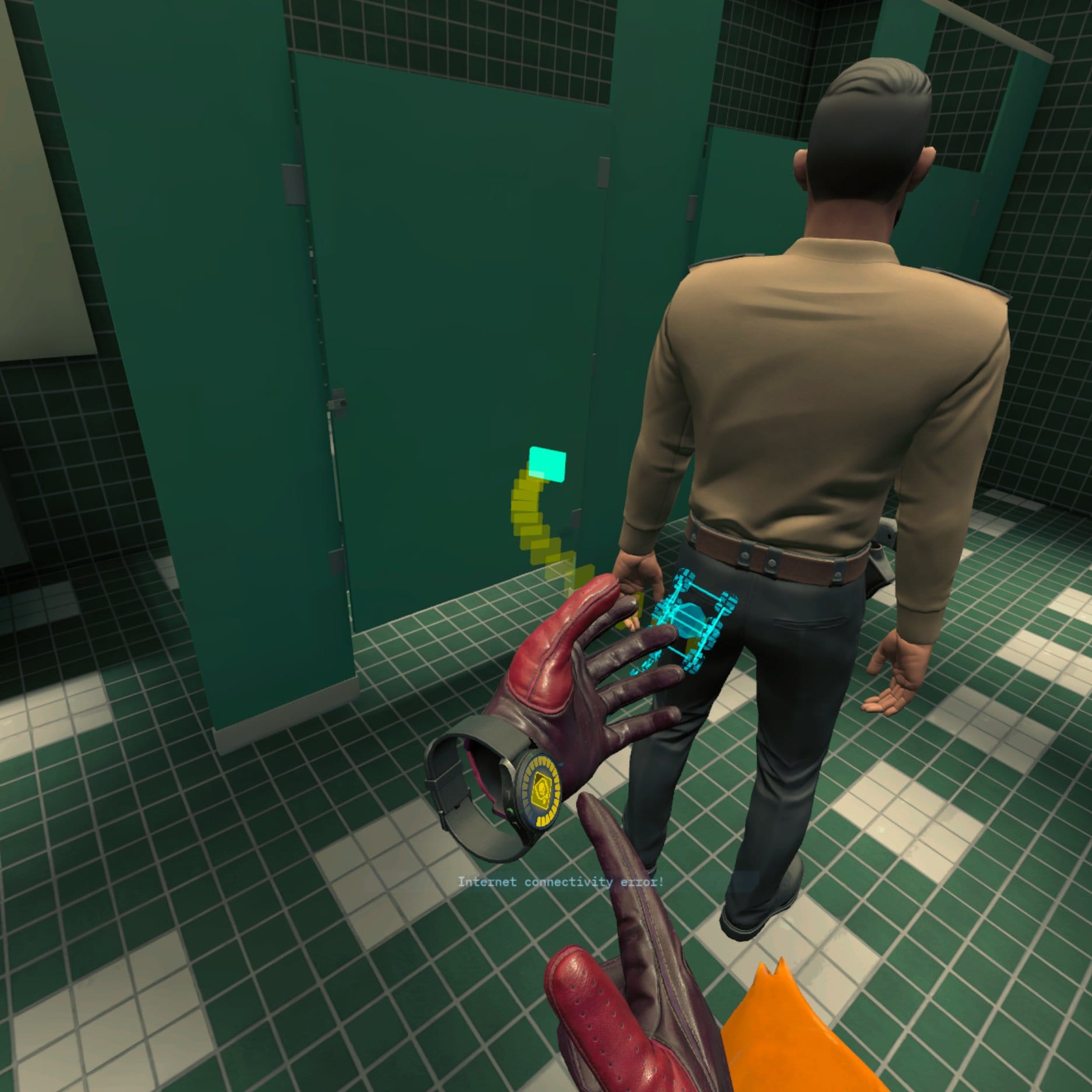
"We wanted to give players the tools for the ‘perfect crime,’ but we also wanted to embrace the cinematic thrill of when things go wrong," Odeldahl stated. This design philosophy is evident in the game’s inclusion of grappling hooks and advanced hacking gadgets, which are ostensibly for stealth but often become lifelines during a loud escape.
However, the developer’s stance on stealth has been a point of contention for some early adopters. Critics have noted that despite the tools provided, many missions inevitably devolve into "wave shooters." The developer response has been one of iterative improvement, suggesting that post-launch patches and the upcoming December heist will continue to refine the viability of the "Ghost" playstyle.
V. Implications: The Future of the VR Shooter Genre
The release of Payday: Aces High carries weight beyond its own sales figures. It serves as a litmus test for the viability of "AA" cooperative shooters in the standalone VR space.
Accessibility vs. Depth
The game offers a comprehensive suite of comfort settings, including HMD or controller-based movement, adjustable vignettes, and "chair-friendly" loadout presets. By making a high-octane shooter accessible to those prone to motion sickness, Fast Travel Games is widening the potential market for VR action titles.
The "Horizon+" Factor
The inclusion of Aces High on Meta Horizon+ at launch is a strategic move. By ensuring a large day-one player base through the subscription model, the developers have mitigated the "empty lobby" syndrome that plagues many VR multiplayer titles. This could set a precedent for future high-budget VR releases.
Final Assessment
Payday: Aces High is a triumph of localized VR design. It understands that the appeal of a heist isn’t just the money—it’s the tactile tension of the act. While it faces minor hurdles in terms of mission variety and the inherent difficulty of stealth, its core gameplay loop is arguably the most exhilarating cooperative experience available in the current VR market.
For the VR industry, Aces High proves that established IPs can find new life when they stop trying to emulate flat-screen mechanics and start embracing the physical reality of the headset. It is not just a game about robbing banks; it is a game about the frantic, breathless, and ultimately rewarding experience of being a "professional" in a world where everything that can go wrong, usually does.
Verdict: 4/5 Stars
Pros: Unparalleled tactile immersion, excellent crossplay support, high-stakes cinematic tension.
Cons: Stealth remains prohibitively difficult; solo play lacks the dynamic energy of human co-op.