The Industrial Nightmare: How ‘Rustmourne’ is Redefining Sci-Fi Horror in Virtual Reality
The landscape of virtual reality (VR) survival horror has often struggled to find its footing between two extremes: the power-fantasy action shooter and the helpless "walking simulator." While titles like Resident Evil 4 VR have mastered the former, few have successfully captured the claustrophobic, high-stakes dread of Visceral Games’ Dead Space—until now.
Emerging from the latest Steam Next Fest, the demo for Rustmourne has signaled a potential paradigm shift for the genre. Developed by the Rustmourne Team and slated for an early 2027 release, this PC VR title prioritizes atmospheric oppression and mechanical vulnerability over the typical "horde-slaying" tropes that dominate the platform. By focusing on the psychological impact of a single, formidable adversary, Rustmourne is positioning itself as the most anticipated VR horror experience of the next several years.
1. Main Facts: The Foundation of the Rustmourne Experience
To understand why Rustmourne has generated such significant buzz within the VR community, one must look at the technical and logistical framework of the project. Unlike many "Quest-first" titles that sacrifice graphical fidelity for standalone performance, Rustmourne is being built from the ground up for PC VR, leveraging the high-end processing power of modern gaming rigs to deliver a level of immersion rarely seen in the medium.
- Game Rustmourne
- Genre: Sci-Fi Horror Survival First-Person Shooter (FPS)
- Developer: Rustmourne Team
- Platform: PC VR (Steam), tested extensively via Meta Quest 3 through Virtual Desktop.
- Release Window: Early 2027
- Core Mechanics: Physics-based gravity gloves, sound-based stealth, and strategic dismemberment combat.
- Visual Aesthetic: Grimy, industrial "lo-fi" sci-fi with high-fidelity lighting and textures.
The demo, which was released as part of the Steam Next Fest, serves as a vertical slice of the game’s first hour. It establishes a world where the environment is as much of a threat as the monsters lurking within it. In a market where similar attempts like Memoreum and By Grit Alone have faced criticism for lack of polish or mechanical depth, Rustmourne stands out by nailing the "feel" of survival horror: the sense that every bullet counts and every corner could be your last.
2. Chronology: A Descent into the Industrial Abyss
The Rustmourne demo is structured as a masterclass in tension-building, taking the player from a state of total vulnerability to a tenuous, fragile sense of empowerment.
The Awakening and the Gravity of Interaction
The experience begins with a visceral jolt. The player awakens in a dimly lit, futuristic chamber—not as a super-soldier, but as a victim. You find yourself impaled by a piece of metal piping, a moment that immediately utilizes VR’s tactile nature. The player must physically reach out and pull the pipe from their own body, a gesture that sets the tone for the physical interaction required throughout the game.
Shortly after this "baptism by blood," the player acquires the "Gravity Gloves." These are not merely a tool for combat but a primary means of environmental interaction. Drawing inspiration from Half-Life: Alyx, these gloves allow the player to pull objects from a distance or manipulate heavy machinery. However, Rustmourne adds a layer of weight and resistance to these actions, making the simple act of clearing a path feel like a genuine struggle.
The Introduction of the "Blind One"
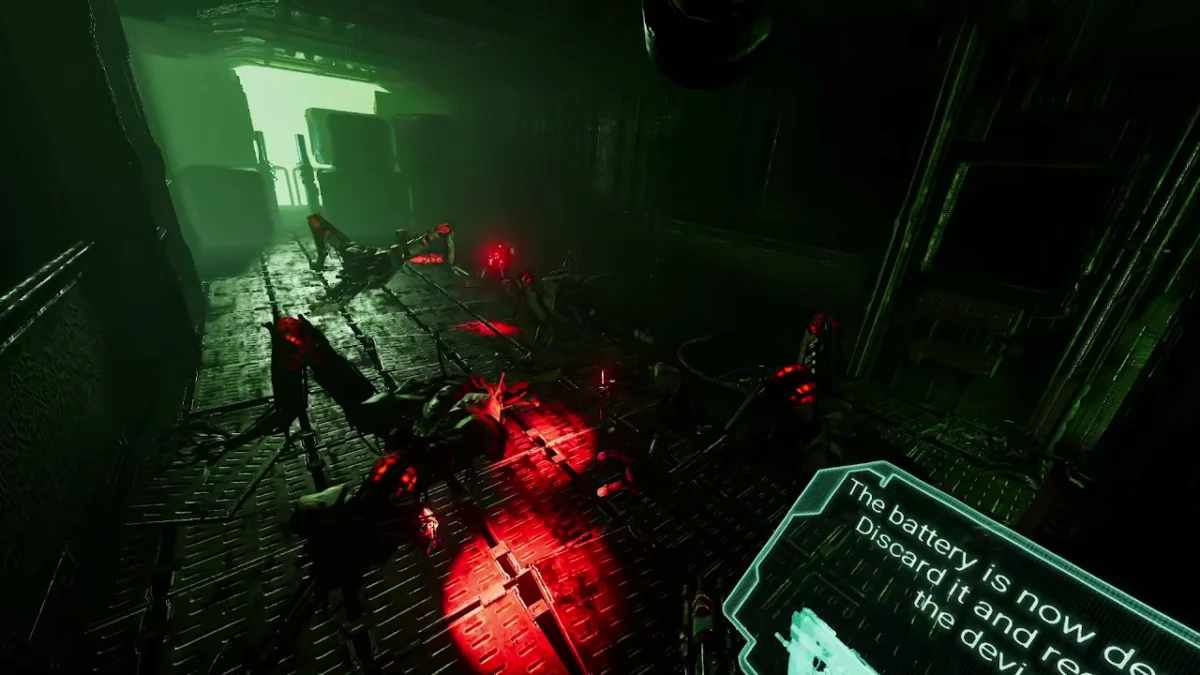
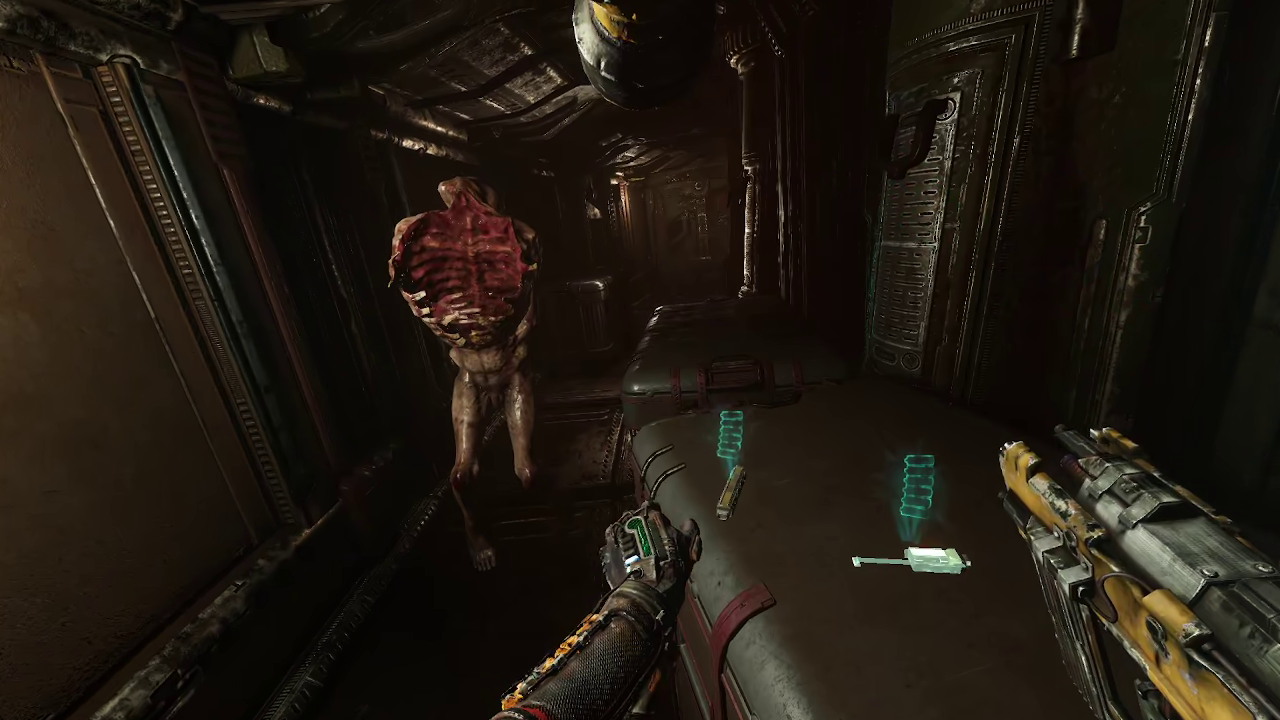
The demo’s middle act introduces the game’s first primary antagonist: a legless, crawling automaton with elongated robotic arms. The introduction is classic horror cinema: the creature drops a mangled corpse in front of the player, signaling its lethality without a word.
This encounter introduces the stealth mechanics. One variant of these crawlers is entirely blind, relying on acoustic sensors to track the player. This forces the player into a "stealth-by-sound" loop—throwing debris to create distractions in the opposite direction or moving with agonizing slowness to avoid detection. The tension is palpable; in VR, the physical requirement to stay still and quiet creates a level of immersion that a flat-screen game simply cannot replicate.
The Transition to Fragile Combat
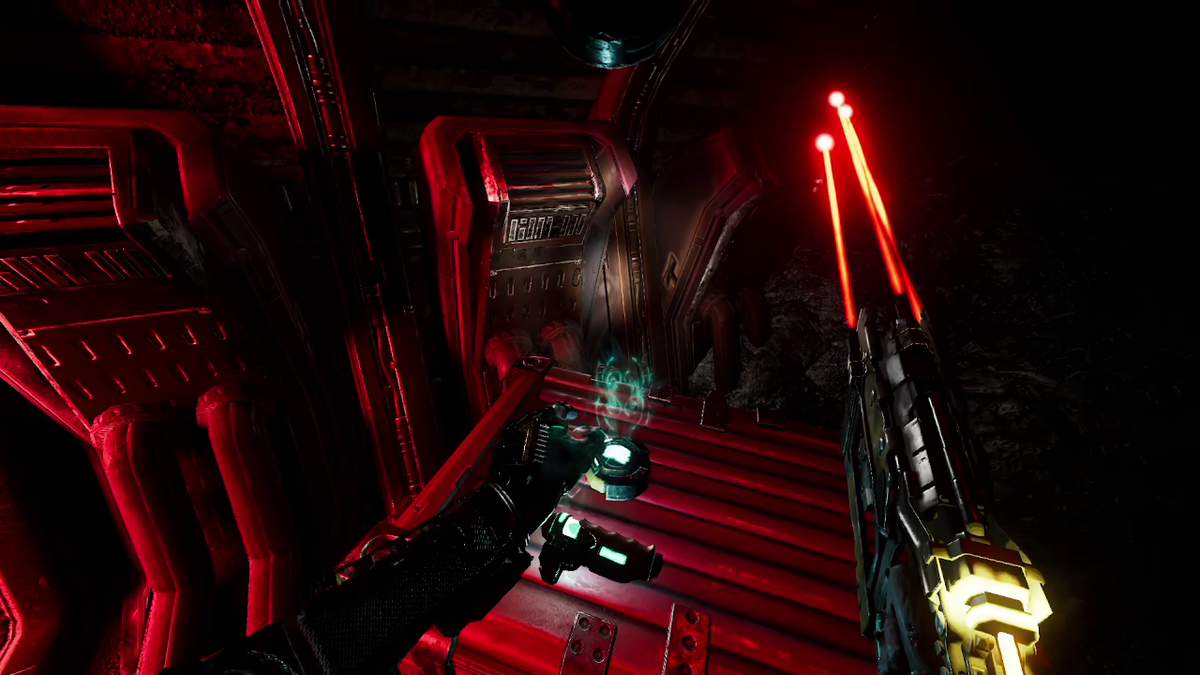
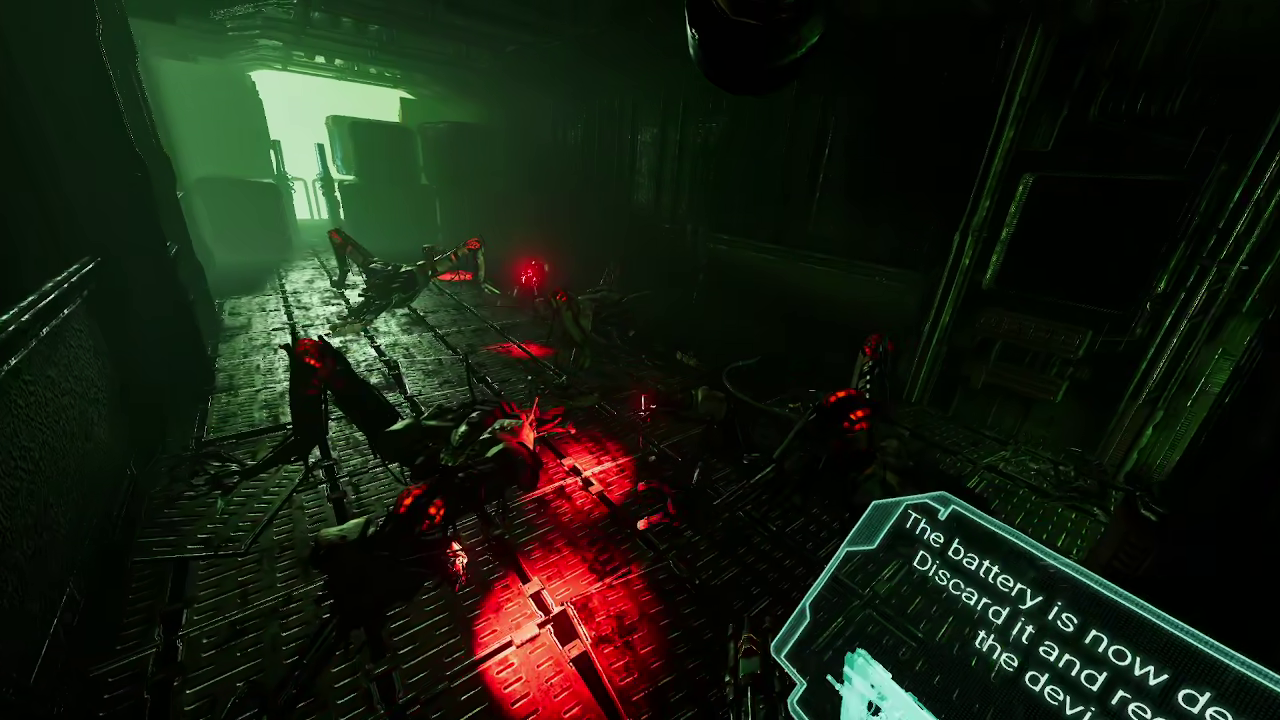
The final segment of the demo grants the player their first firearm—a weapon that bears a striking resemblance to the iconic Plasma Cutter. Yet, the acquisition of a gun does not signal the end of the horror. Instead, the game ramps up the stakes. The "one-on-one" encounters of the early game are replaced by scenarios where multiple crawlers descend upon the player simultaneously. Because these enemies move faster than the player’s walking speed, "backpedaling and shooting" is an ineffective strategy. Success requires precision, timing, and the clever use of the environment.
3. Supporting Data: Technical Performance and Comfort
A survival horror game lives or dies by its technical execution. If the frame rate drops or the controls are clunky, the immersion—and the fear—evaporates. During the test conducted by UploadVR, the game was run on a high-end enthusiast rig to push the demo to its limits.
Hardware Specifications for the Test:
- Processor: AMD Ryzen 7 9850X3D
- Memory: 32 GB DDR5 RAM
- GPU: NVIDIA GeForce RTX 5070 Ti
- Headset: Meta Quest 3 (via Virtual Desktop on "Ultra" settings)
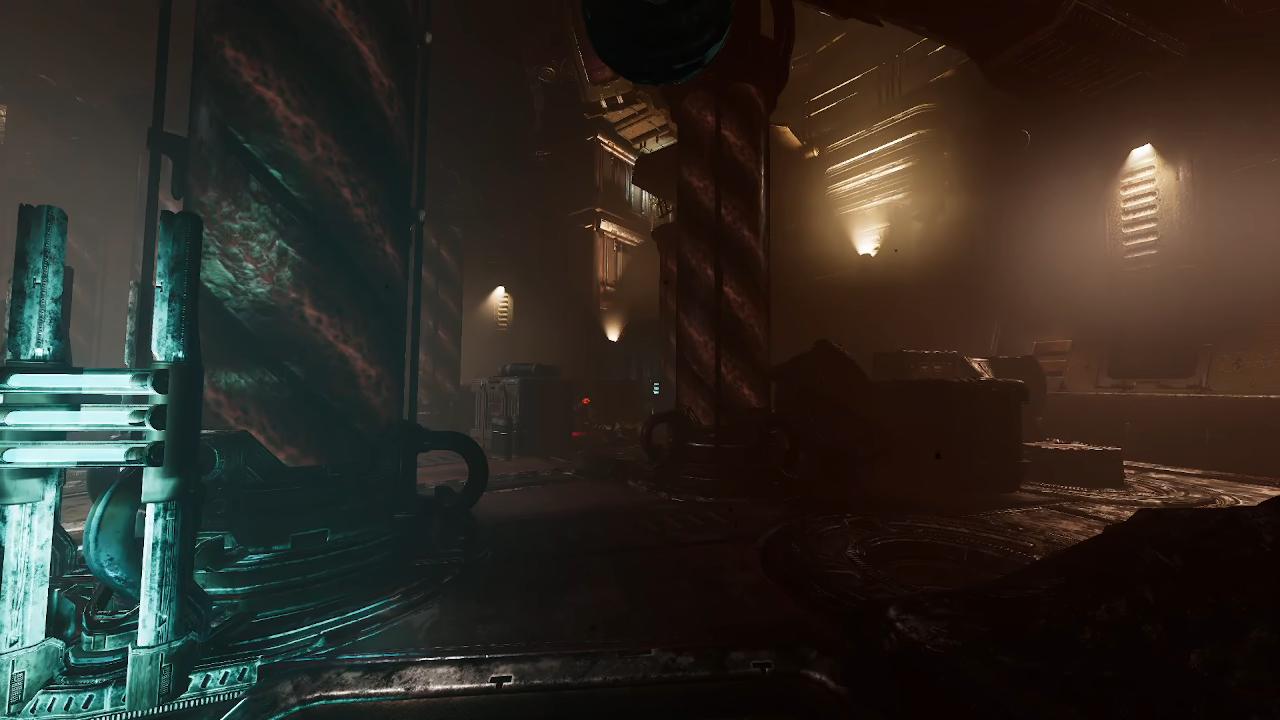
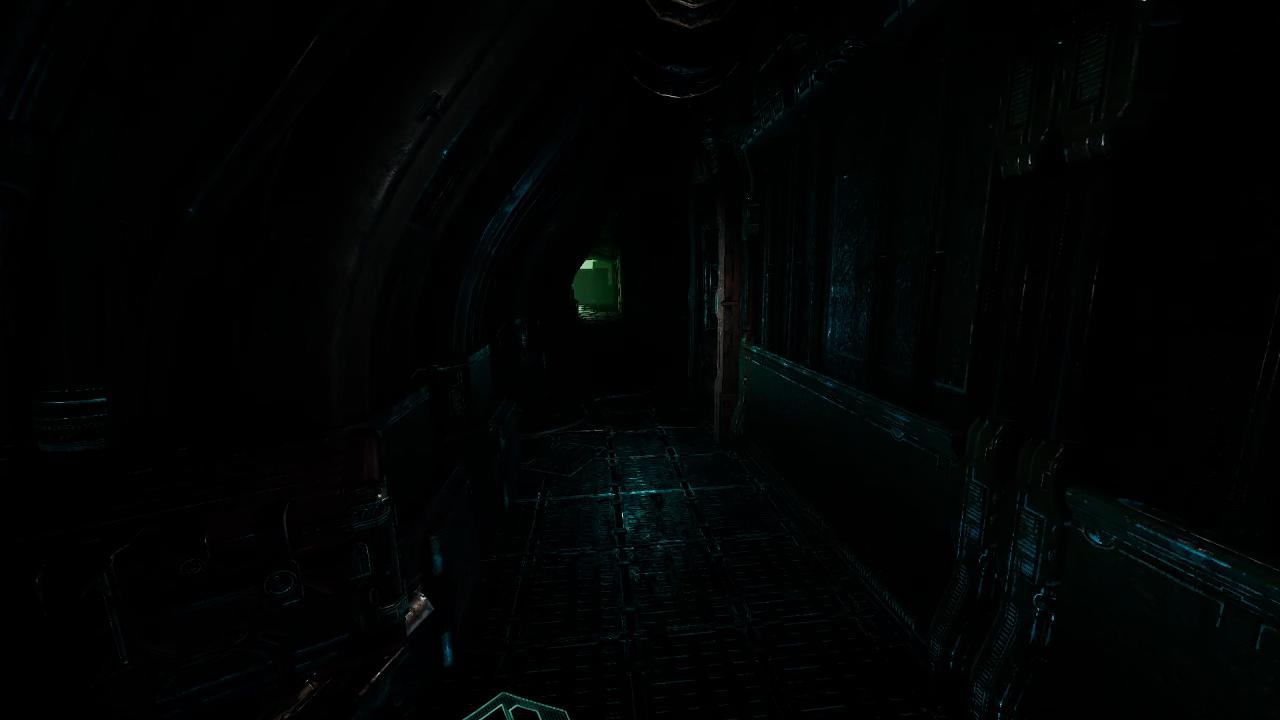
On this hardware, Rustmourne delivered a visually stunning experience. The developer has opted for a "dirty" industrial look, characterized by flickering lights, steam-filled corridors, and rusted metal textures. This aesthetic serves a dual purpose: it creates a sense of history for the facility and provides ample hiding spots for enemies.
Audio Engineering
The sound design is perhaps the demo’s most impressive technical feat. The spatial audio is tuned to ensure that every clink of metal or distant hiss of steam is localized correctly. This is crucial for the stealth segments, as players must use their ears to determine if a crawler is behind a crate or venting through the ceiling.
Comfort and Accessibility
Despite the intense nature of the gameplay, the developers have implemented several comfort features:
- Turning Options: Both Snap and Smooth turning are available.
- Locomotion: The demo utilizes smooth locomotion. Notably, there is no teleportation system currently implemented, which may be a point of consideration for users highly prone to motion sickness.
- Verticality: The demo avoids sudden vertical movements (jumping or falling), which helps maintain a stable horizon for the player.
4. Official Responses and Developer Philosophy
While the Rustmourne Team has kept much of the narrative under wraps, their design philosophy is evident in the demo’s structure. In developer logs and community interactions following the Steam Next Fest, the team has emphasized a "less is more" approach to enemy design.
"We want the player to feel the weight of their own mortality," a representative of the team noted in a recent community update. "In many VR shooters, the player is a lawnmower and the enemies are grass. In Rustmourne, we want the player to be the one who is being hunted. If you see one enemy, you should be worried. If you see three, you should be terrified."
This philosophy directly addresses a common criticism of modern VR titles: the "power creep" that removes the stakes from the experience. By limiting resources and making the enemies significantly more agile and lethal than the protagonist, the developers are leaning into the "survival" aspect of survival horror.
The disembodied voice that guides the player through the demo—a classic trope of the genre—hints at a larger conspiracy involving the facility. The developer has stated that the full game will feature a deep lore system, largely told through environmental storytelling and audio logs, allowing players to piece together the tragedy of the facility at their own pace.
5. Implications: The Future of High-End VR Horror
The success of the Rustmourne demo has several implications for the VR industry as we move toward 2027.
The Return of the "PC VR First" Mentality
For several years, the industry has pivoted toward the Meta Quest’s standalone mobile architecture. While this has expanded the user base, it has often limited the scope and visual fidelity of horror games. Rustmourne demonstrates that there is still a massive appetite for high-fidelity, PC-powered experiences that push the boundaries of what is possible in a headset. Its success may encourage other developers to return to high-end PC VR development.
Re-defining Difficulty in VR
Rustmourne challenges the notion that VR games need to be "accessible" to the point of being easy. By embracing a high difficulty curve and punishing combat, the game targets a core demographic of horror enthusiasts who feel underserved by the current market. This "hardcore" approach could pave the way for a new sub-genre of "Ultra-Survival" VR games.
The Long-Term Hype Cycle
With a release date set for early 2027, the Rustmourne Team is taking a calculated risk by showing their hand so early. However, by releasing a polished, terrifying demo nearly two years in advance, they have secured a spot at the top of the "most anticipated" lists. This long-term engagement strategy allows them to iterate based on player feedback while maintaining a steady stream of hype.
Final Assessment
The Rustmourne demo is more than just a promotional tool; it is a proof of concept for the next generation of VR horror. It understands that fear in virtual reality comes from a lack of control, not just jump-scares. As the industry watches the development of this title over the next 24 months, one thing is clear: the "Dead Space" of VR has finally arrived, and it is every bit as terrifying as we hoped it would be.
If the full release can maintain the demo’s level of tension and technical polish, Rustmourne will not just be a great VR game—it will be a landmark title for the medium.