Adobe Forges Groundbreaking AI Partnership with Disney, Redefining Creative Frontiers
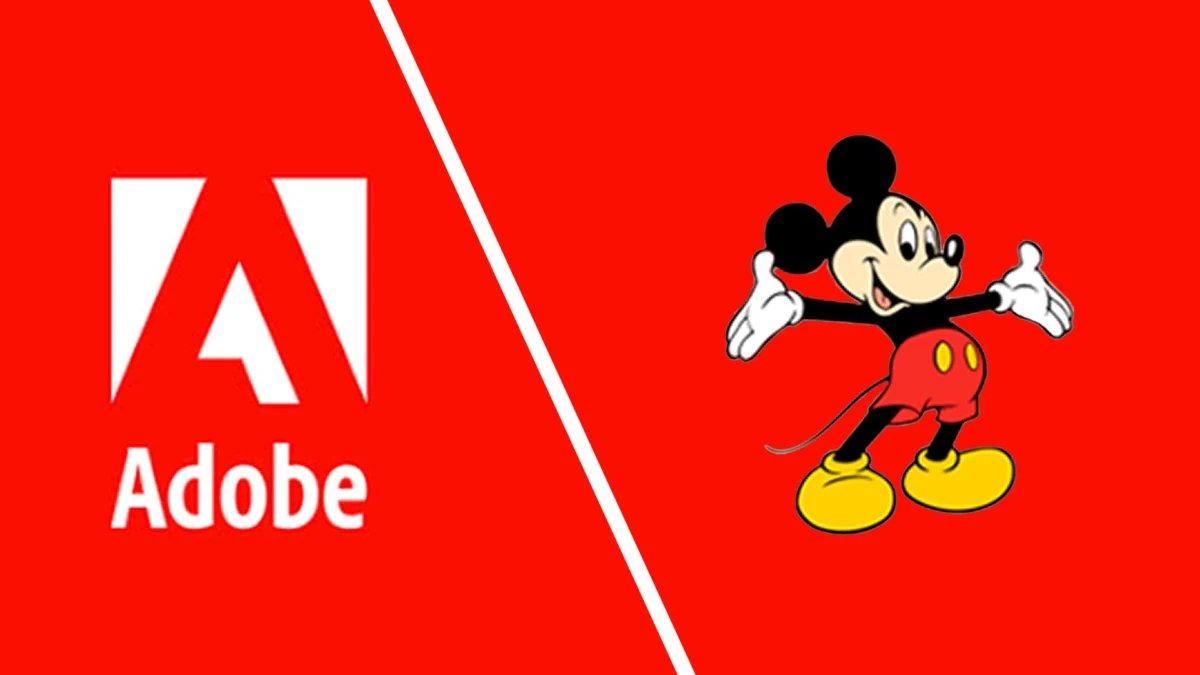
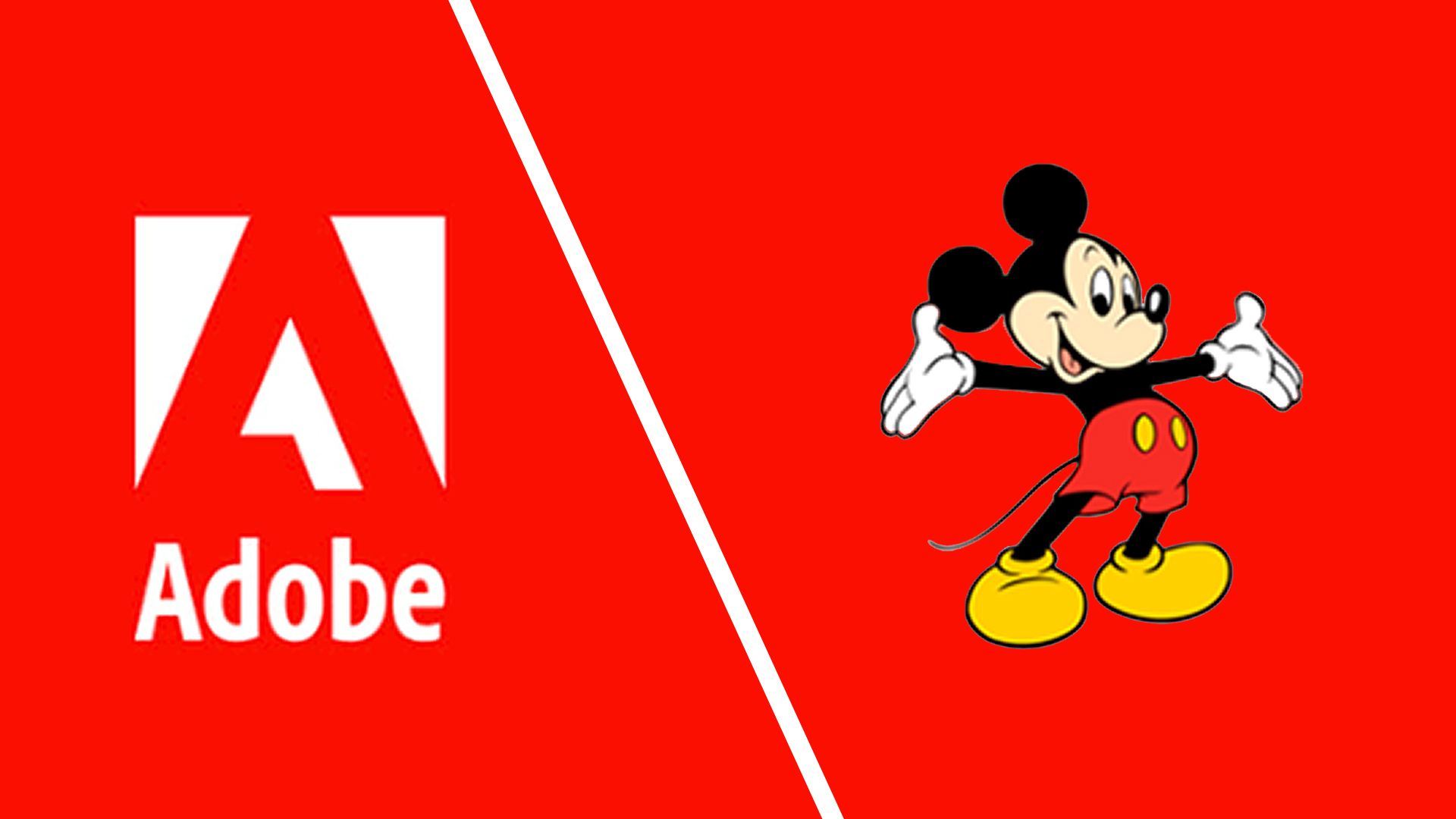
Miami, FL – In a move poised to reshape the landscape of digital creativity and entertainment, Adobe, the titan behind iconic software like Photoshop and Illustrator, has announced a landmark partnership, officially becoming an AI Innovation Partner of The Walt Disney Company. The announcement, timed with the commencement of Adobe MAX 2026 in Miami, signals a strategic alignment that could redefine how stories are imagined, produced, and experienced across Disney’s vast empire, from blockbuster films and streaming series to immersive theme park attractions.
This unprecedented collaboration will see Adobe and Disney co-develop bespoke Artificial Intelligence models, meticulously trained on Disney’s extensive intellectual property. These custom-built AI systems are intended to revolutionize concept generation, exploration, and production across Disney and ESPN’s diverse content pipelines, as well as for the creation of magical experiences within its renowned theme parks. The significance of this partnership is amplified by Adobe’s positioning as a creative software powerhouse rather than a direct competitor to AI giants like OpenAI, Google, or Anthropic, a factor that likely underpins the mutual strategic advantages for both industry leaders.
A New Era of AI-Powered Storytelling
The core of this transformative alliance lies in the development of custom AI models specifically tailored to Disney’s unique universe. Unlike general-purpose AI models that are trained on broad datasets, these new systems will be imbued with a deep understanding of Disney’s rich tapestry of characters, intricate world-building, and distinct visual styles. This granular approach aims to ensure that AI-generated concepts and assets remain not only innovative but also impeccably aligned with Disney’s established brand identity and storytelling ethos.
Adobe’s formidable suite of creative tools, including the ubiquitous Photoshop and Premiere Pro, will serve as the foundational infrastructure for this collaboration. However, the partnership extends far beyond simply leveraging existing software. Adobe will also provide access to its cutting-edge Firefly Foundry, a platform for creating proprietary AI models, alongside dedicated engineering and research resources. This signifies a commitment to building AI capabilities that are deeply integrated into Disney’s production workflows, promising to accelerate creative processes that historically took months, potentially compressing them into mere days or even hours.
Hannah Elsakr, Vice President for GenAI New Business Ventures at Adobe, articulated the vision behind this collaboration, describing it as an "accelerant for artistic vision, creativity, and guest engagement." She emphasized that the goal is to empower artists to dedicate more of their time to pure creative endeavors, freeing them from more laborious aspects of content creation and exploration.
Addressing Past Challenges and Charting a New Course
Disney’s foray into AI has not been without its challenges. Previous internal initiatives have faced ridicule, and a high-profile deal with OpenAI for its Sora video generation model was abruptly terminated after only three months. The company has also explored unconventional avenues, such as allowing TikTok creators to utilize Disney intellectual property, a move that sparked considerable debate.
The Adobe partnership appears to be a carefully calibrated response to these past experiences. By focusing on internal pipelines and custom AI development, Disney aims to exert greater control over its intellectual property and brand narrative. The custom models, trained on Disney’s proprietary data, will remain within a private ecosystem, mitigating risks associated with general AI models and ensuring brand consistency, provenance, and ownership. This is a stark contrast to outsourcing AI development to external, generalized platforms.
This strategic direction underscores Adobe’s evolving role in the AI landscape. Rather than competing to build the largest foundation models, Adobe is positioning itself as the essential partner for brands seeking to harness the power of AI responsibly and securely with their own content. Disney’s endorsement serves as a powerful testament to this strategy, potentially paving the way for similar collaborations with other major entertainment entities.
The "Artist-Led" Imperative and Emerging Concerns
A key tenet of the Adobe-Disney alliance is the emphasis on "artist-led" AI development. This means that human artists will remain at the helm, guiding the AI’s creative output and ensuring that technology serves as a tool to augment, rather than replace, human ingenuity. This approach is crucial for fostering trust and buy-in from the creative workforce.
However, this commitment is being met with a degree of apprehension, particularly in light of recent organizational changes within The Walt Disney Company. Under CEO Bob Iger, the company has undertaken multiple waves of layoffs in 2026, with plans for further cost-saving measures targeting up to 20% in annual savings across various divisions. The confirmation of job losses among Pixar artists earlier this year, despite the immense success of films like "Toy Story 5," has fueled suspicions that the Adobe partnership might, in practice, lead to a reduction in the creative workforce by enabling fewer artists to achieve greater output.
The prospect of AI accelerating workflows, while promising for efficiency, raises legitimate questions about job security within the creative industries. The company’s assurances of an "artist-led" approach will need to be consistently demonstrated through concrete actions and transparent communication to assuage these concerns.
Strategic Rationale: Why Adobe and Not the Tech Giants?
The decision for Disney to partner with Adobe, rather than directly with the leading AI technology developers like OpenAI or Google, is a calculated move rooted in risk management and strategic alignment. By collaborating with Adobe, Disney gains access to a platform that prioritizes the secure and controlled application of AI to proprietary content. This approach ensures that Disney’s valuable intellectual property remains within its own controlled environment, mitigating the risks associated with data privacy, copyright infringement, and the potential for unauthorized use of its assets by third-party AI models.
This partnership signifies a critical evolution for Adobe, transforming it from a software provider into a vital infrastructure partner for creative industries. Much like Microsoft has become indispensable for enterprise productivity and Amazon Web Services (AWS) for cloud computing, Adobe aims to establish itself as a foundational platform for AI-driven creative workflows. This strategic pivot could position Adobe as a key enabler for other major entertainment companies looking to navigate the complexities of AI adoption, solidifying its influence and market share in the rapidly evolving technological landscape.
The Future of Creative Production
The implications of the Adobe-Disney partnership extend far beyond the immediate applications within their respective organizations. If this collaboration proves successful, it could serve as a powerful blueprint for other major entertainment and media companies seeking to integrate AI into their creative processes. It heralds a new era where AI is not just a tool for generating novel content, but a strategic partner in augmenting human creativity, streamlining production, and enhancing the overall audience experience.
The success of this venture will be closely watched by the industry, offering critical insights into how to balance the immense potential of AI with the imperative of artistic integrity, job security, and the safeguarding of intellectual property. As Adobe MAX 2026 unfolds, this monumental partnership stands as a beacon, illuminating the path forward for a future where imagination and artificial intelligence converge to create the stories and experiences of tomorrow.