The Silent Drain: Why Laptop Battery Life is the Unsung Hero of Productivity and Creativity
In an era where computational power is increasingly integrated into our daily lives, from intricate AI tasks to seamless content creation, a fundamental yet often overlooked aspect of portable technology remains paramount: battery life. While the allure of cutting-edge processors and dazzling displays often takes center stage, the ability of a laptop to sustain itself away from a power outlet is increasingly becoming the true differentiator between a powerful tool and a frustrating tether. This article delves into the critical importance of robust battery performance, exploring its impact on user experience, productivity, and creative freedom, while highlighting the shortcomings of devices that fail to prioritize this essential feature.
The Unacceptable Reality: A Glimpse into Battery Depletion Woes
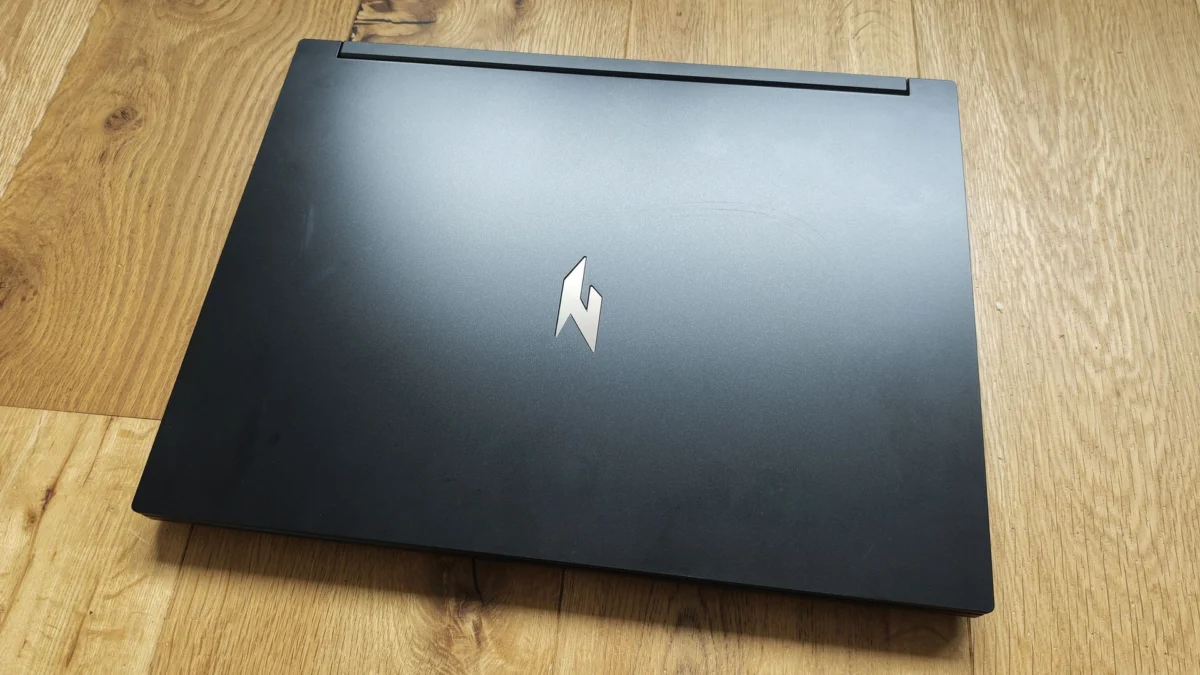
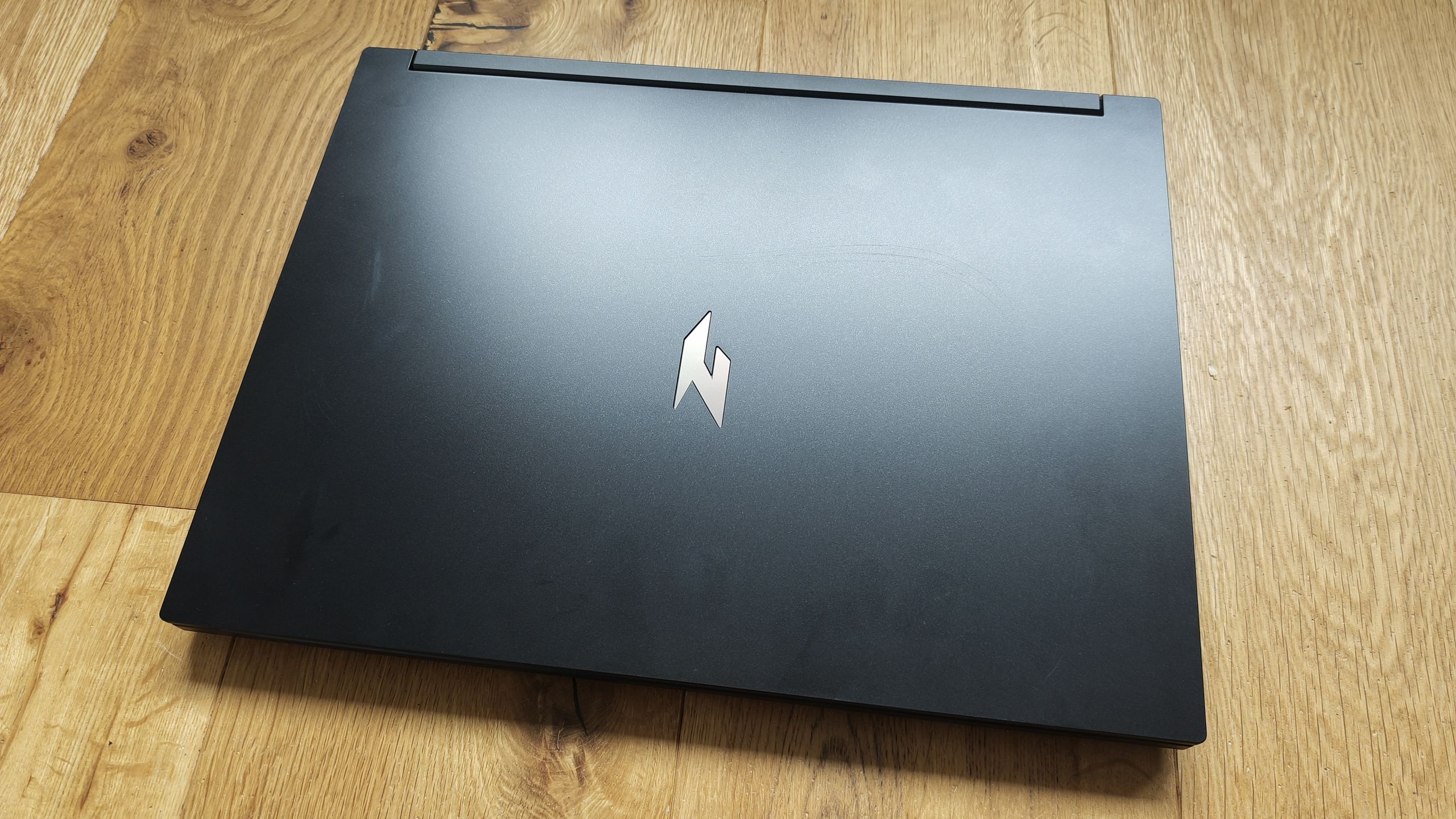
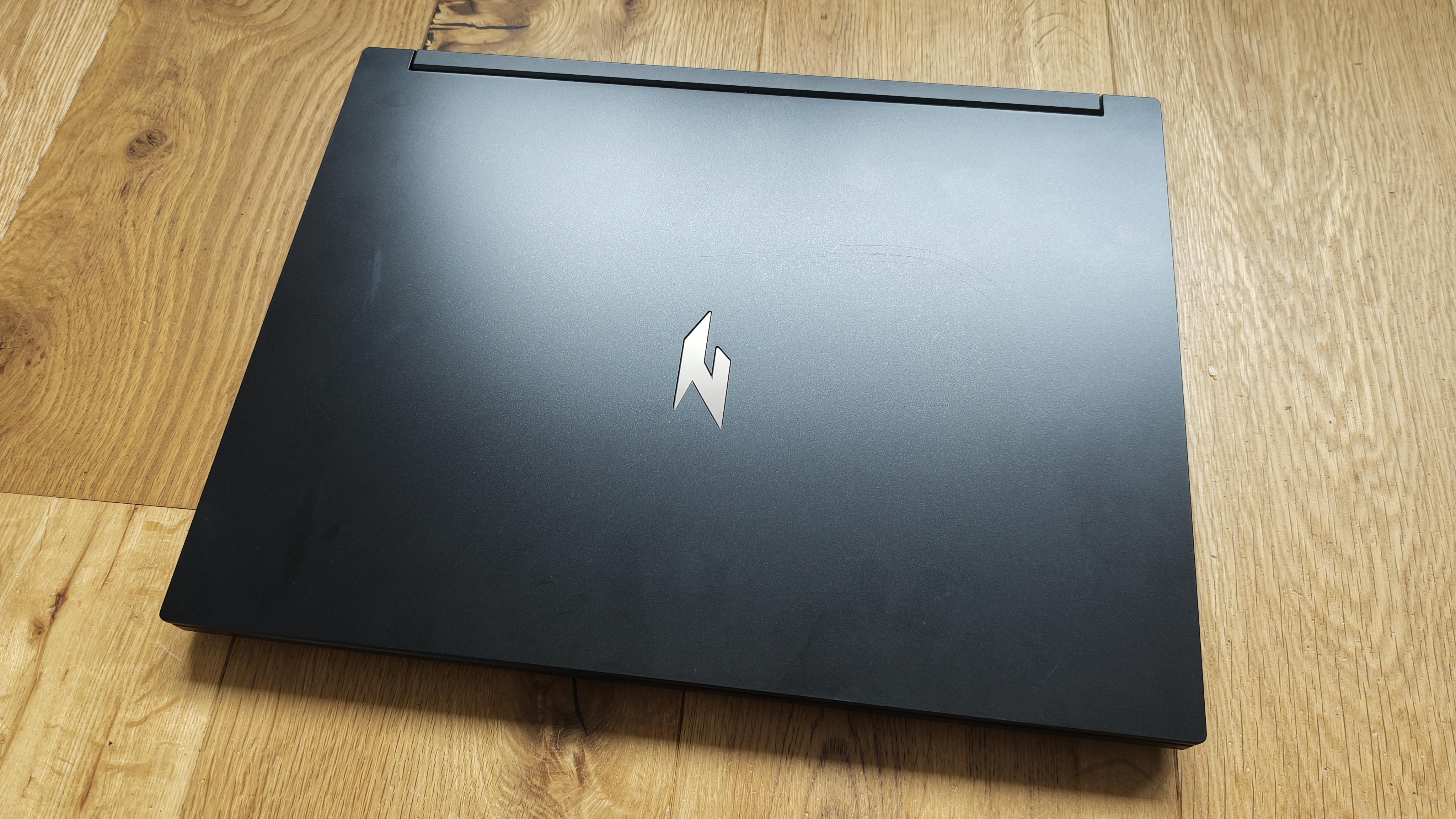
The modern laptop user often grapples with a silent, pervasive anxiety: the dwindling battery percentage. This concern is not merely a minor inconvenience; it can fundamentally alter how and where one works, stifling spontaneity and injecting unnecessary stress into the creative process. A recent personal experience with the Acer Nitro V 16 AI vividly underscored this issue. During rigorous testing, the device faltered after a mere 90 minutes of video playback. This stark figure immediately raises a critical question: how long should we realistically expect our laptops to function before demanding a recharge? For many, the time it takes to locate a power adapter can exceed this limited operational window, rendering the device practically unusable for extended periods away from a power source.
This experience stands in stark contrast to other devices that prioritize battery longevity. The Lenovo Yoga Slim 7x, for instance, recently demonstrated an impressive 13 hours of continuous use. This duration represents a benchmark that seems not only practical but aspirational for many users. It offers ample time to navigate a full workday, with enough reserve to extend into the evening, and crucially, provides a significant buffer – approximately five hours of degradation – before encroaching upon a standard working day. This kind of endurance transforms a laptop from a device with a rigid dependency on power outlets into a truly mobile and flexible workstation.
The Psychological Toll of Battery Anxiety
The constant worry about a laptop’s remaining charge can have a profound psychological impact, hindering concentration and diminishing overall productivity. When a device consistently offers only a little over an hour of operation, users are perpetually on edge. The displayed battery percentage becomes a source of anxiety, with the ever-present fear that a power-intensive task might drain the remaining juice far quicker than anticipated. This uncertainty creates a mental overhead, preventing users from fully immersing themselves in their work. The creative flow, so vital for artists, designers, and writers, is easily disrupted by the nagging concern of an impending shutdown.
Beyond the immediate impact on focus, this battery dependency severely curtails freedom of movement and spontaneity. The notion of working "on the road," in a bustling coffee shop, or from an inspiring, yet potentially power-outlet-scarce, location becomes a distant dream. The laptop transforms from a gateway to boundless creativity into a device with a very defined geographical limitation. While carrying a power bank might seem like a viable solution, it adds another cumbersome item to one’s portable arsenal, further detracting from the ideal of streamlined mobility. The inherent convenience of modern USB-C charging, which allows for the use of a single cable for multiple devices, is rendered less impactful when the fundamental need for charging arises too frequently.
Beyond the Specs: Reliability and Dependability as Core Values
The correlation between battery life, reliability, and dependability cannot be overstated. A laptop that consistently lasts a full workday, or even longer, instills a sense of confidence. Users can trust that their device will be ready when they are, without the need for constant monitoring or contingency planning. This reliability is particularly crucial for professionals who depend on their laptops for critical tasks, client meetings, and tight deadlines. The peace of mind that comes with knowing your machine will not betray you mid-task is an invaluable asset, directly contributing to a more seamless and less stressful workflow.
This is where the current trend of prioritizing raw processing power and advanced graphical capabilities over battery endurance becomes a point of contention. While an NPU (Neural Processing Unit) or the latest NVIDIA GPU can undoubtedly enhance performance for specific applications, their utility is significantly diminished if the device is perpetually tethered to a wall socket. As the author aptly notes, if the primary mode of operation involves constant charging, one might as well opt for a more powerful and cost-effective desktop machine. The essence of a laptop lies in its portability, and this portability is fundamentally undermined by inadequate battery performance.
A Testament to Longevity: The Enduring Appeal of Well-Designed Laptops
The enduring fondness for a three-year-old MacBook Pro serves as a compelling example of how sustained battery life contributes to long-term user satisfaction. Despite its age and the author’s demanding usage patterns, the device continues to deliver reliable, all-day performance. This longevity fosters a deep sense of trust and reliability, transforming the laptop into a dependable companion. It’s a testament to thoughtful design that prioritizes not just raw power, but the practicalities of everyday use. This level of performance, where hardware seamlessly integrates into the user’s workflow without demanding constant attention to its power status, is the gold standard that laptop manufacturers should strive to achieve.
The Call to Action: Rebalancing Design Priorities
The current landscape of laptop design often sees battery life relegated to a secondary concern, overshadowed by the pursuit of ever-increasing processing speeds and graphical prowess. This is a misguided approach that fails to acknowledge the fundamental needs of a significant portion of the user base. Laptop manufacturers must recognize that battery life is not merely a feature; it is a cornerstone of usability, productivity, and creative freedom.
When designing new models, the same dedication and innovation that go into integrating advanced processors like NPUs or the latest NVIDIA GPUs should be equally applied to optimizing battery capacity and power management. The goal should be to create machines that offer a harmonious balance between powerful performance and enduring battery life, allowing users to truly harness the potential of their devices, wherever their inspiration may lead them.
For those seeking laptops that excel in this critical area, resources such as lists of "best laptops for battery life" become invaluable. These curated selections highlight devices that understand the profound impact of sustained power on the user experience, offering a pathway to a more liberated and productive computing future, free from the constant anxiety of a draining battery.
Supporting Data and Industry Trends
The demand for extended battery life is not an isolated personal preference; it is a widespread consumer expectation. Market research consistently indicates that battery performance is a key purchasing factor for laptop buyers, often ranking alongside processing power and screen quality. Despite this, many manufacturers continue to push the boundaries of raw performance, sometimes at the expense of battery endurance.
- Emerging Technologies: The development of more energy-efficient processors, such as those based on ARM architecture, has demonstrated the potential for significant improvements in battery life without compromising performance. Devices leveraging these architectures often offer superior longevity compared to their x86 counterparts.
- AI and Power Consumption: While AI capabilities are lauded for their potential, the increased computational demands of AI tasks can place a significant strain on battery resources. Manufacturers need to balance the integration of AI with efficient power management to avoid exacerbating battery life issues.
- User Feedback: Online forums, product reviews, and consumer surveys frequently highlight battery life as a primary pain point for users of various laptop models. This consistent feedback underscores the need for manufacturers to address this concern more directly in their product development cycles.
Official Responses and Manufacturer Stances
While many manufacturers tout the battery life of their devices, the actual real-world performance can often fall short of advertised claims. Marketing materials may focus on specific usage scenarios or optimized conditions that do not reflect typical user behavior. However, there are growing indications that the industry is beginning to recognize the importance of battery longevity.
- Increased Focus on Efficiency: Companies are investing more in developing more power-efficient components and software optimizations. This includes advancements in display technology, solid-state storage, and thermal management systems, all of which contribute to reduced power consumption.
- Transparency in Reporting: Some manufacturers are moving towards more transparent reporting of battery life, often providing figures based on a variety of usage patterns (e.g., web browsing, video playback, productivity tasks) rather than a single, often unachievable, maximum duration.
- Product Differentiation: Brands are increasingly using extended battery life as a key differentiator in their product lines, marketing specific models as having "all-day battery life" or "extended endurance."
Implications for the Future of Computing
The ongoing debate surrounding laptop battery life has significant implications for the future of portable computing. As devices become more integrated into our professional and personal lives, their ability to operate independently of a power source will only become more critical.
- Empowering Creative Professionals: For artists, designers, writers, and other creative professionals, extended battery life translates directly into enhanced freedom and flexibility. It allows them to work from any location, capture inspiration as it strikes, and avoid the constraints imposed by a limited power supply.
- Enhancing Productivity: In educational and corporate settings, reliable battery life ensures that students and employees can remain productive throughout the day, regardless of their proximity to power outlets. This can lead to increased efficiency and a more seamless workflow.
- Driving Innovation: The continued demand for better battery performance will likely spur further innovation in battery technology, power management software, and energy-efficient hardware components. This will, in turn, lead to the development of even more capable and versatile laptops in the years to come.
Ultimately, the pursuit of enhanced battery life is not merely about extending usage time; it is about unlocking greater freedom, fostering creativity, and ensuring that our technology serves as a reliable partner in our endeavors, rather than a source of constant limitation. The silent drain of a dying battery must be addressed, not just as a technical challenge, but as a fundamental requirement for the modern computing experience.