Pavlov Shack Confirmed for Steam Frame: A New Era for Standalone Tactical VR
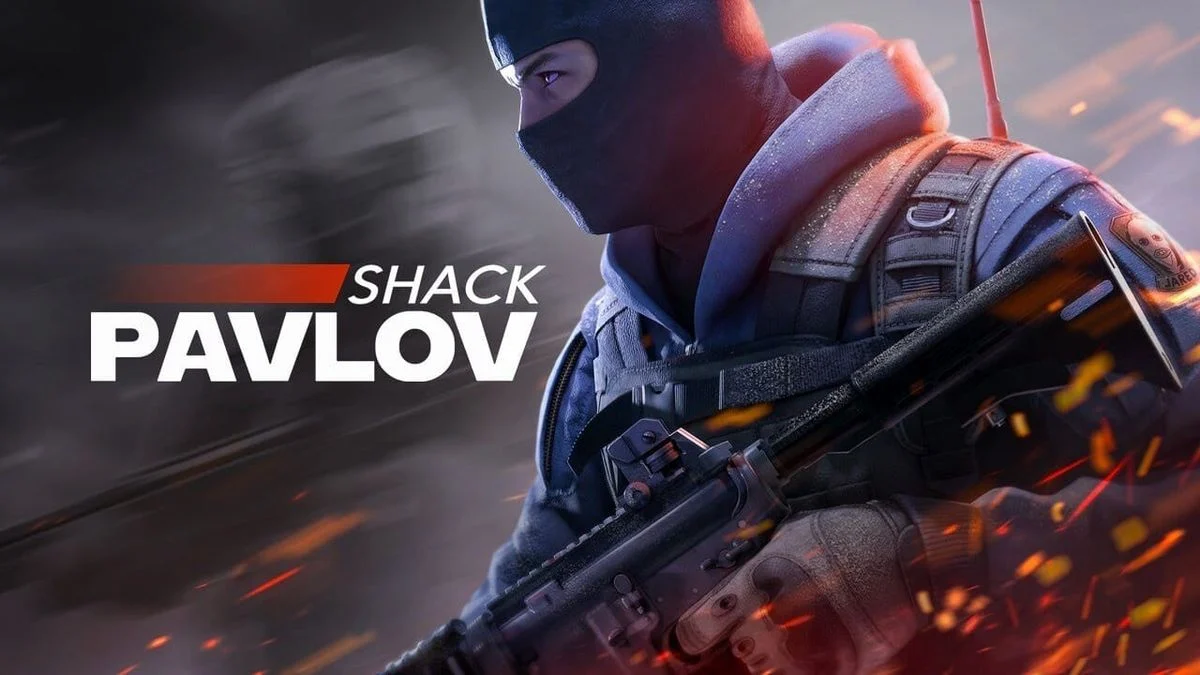
The landscape of virtual reality gaming is witnessing a significant shift as Vankrupt Games prepares to bring its highly successful tactical shooter, Pavlov Shack, to Valve’s emerging "Steam Frame" platform. This move marks a pivotal moment in the evolution of the Pavlov franchise, further bifurcating the experience between high-fidelity PC VR and the rapidly expanding standalone market.
Recent updates to the Steam Store have confirmed that Pavlov Shack—the optimized, standalone sibling of the original Pavlov VR—is slated for release on Steam Frame hardware. Unlike previous "Steam Frame Certified" titles that often rely on PC streaming or hybrid functionality, Pavlov Shack is being positioned as a native, standalone application. This development not only highlights the technical ambitions of Vankrupt Games but also underscores Valve’s strategic pivot toward hardware that can compete directly with the Meta Quest ecosystem.
Main Facts: Defining the Standalone Experience
The announcement of Pavlov Shack for Steam Frame clarifies several key points regarding the game’s technical architecture and its place within the broader Pavlov ecosystem.
Native Standalone Support
The most striking detail in the Steam store listing is the explicit mention that the game "supports the Steam Frame hardware only." This indicates that this specific version of Shack will not run on standard Windows-based PC VR setups. Instead, it is built to leverage the onboard processing power of the Steam Frame, much like how it operates on Meta Quest hardware. This ensures that the game remains lightweight, performant, and optimized for the specific mobile-chipset constraints of standalone devices.
Crossplay and Ecosystem Boundaries
To maintain competitive integrity, Vankrupt Games has confirmed that Pavlov Shack on Steam Frame will support crossplay exclusively with the Meta Quest version of the game. It will remain entirely separate from the original Pavlov (often referred to as Pavlov PC). This decision is rooted in the technical disparities between the two versions; the PC version features higher fidelity assets, larger player counts, and more complex environmental interactions that would create an unfair advantage or technical bottleneck if merged with standalone players.
Entitlement and Pricing
In a move that has been widely praised by the community, Vankrupt Games’ community management team clarified via Discord that existing owners of the original Pavlov on SteamVR will receive Pavlov Shack for free. This "loyalty" model ensures that the long-term supporters of the franchise can transition to the new hardware without a secondary financial barrier, while new players will likely see a price point consistent with the current $19.99 USD tag found on the Meta Store.
Chronology: The Evolution of a VR Powerhouse
The journey of Pavlov Shack is a testament to the "bottom-up" development style that has defined the most successful VR titles of the last decade. Understanding its arrival on Steam Frame requires a look back at its unconventional history.
2017–2019: The PC VR Foundation
The original Pavlov VR launched on Steam in early 2017. Often described as the "Counter-Strike of VR," it quickly became the gold standard for tactical shooters due to its realistic weapon handling and robust modding support. However, as the Oculus Quest (now Meta Quest) launched in 2019, it became clear that the original game was too hardware-intensive for mobile processors.
2020–2022: The Sideloading Revolution
Rather than attempting a "downgraded" port that might compromise the PC experience, Vankrupt Games began developing Pavlov Shack as a separate entity. During its infancy, Shack was distributed via SideQuest, a third-party sideloading platform. This era allowed the developers to stress-test the game on Quest 1 and Quest 2 hardware with a massive, albeit unofficial, player base. The "Shack Beta" became one of the most downloaded titles in VR history before ever hitting an official storefront.
2023: Official Launch and Maturity
In late 2023, Pavlov Shack graduated from Meta’s "App Lab" (an experimental storefront) to a full release on the Meta Horizon Store. This transition saw the game move from a free beta to a paid product, accompanied by a massive update that overhauled graphics, added new maps, and refined the "Gore 2.0" system.
2024 and Beyond: The Steam Frame Era
With the listing on Steam for the "Steam Frame," the cycle comes full circle. Valve, the company that hosted the original Pavlov, is now preparing to host the standalone version on its own specialized hardware, signaling a new competitive front in the VR hardware wars.
Supporting Data: Technical Disparities and Optimization
The necessity of Pavlov Shack as a separate title is backed by significant technical data. Developing for standalone VR requires a fundamentally different approach to asset management than developing for PC VR.
Resolution and Draw Distance
On PC VR, Pavlov can render environments at 4K resolutions per eye with extensive draw distances, allowing snipers to engage targets across massive maps. Pavlov Shack, by contrast, utilizes optimized "baked" lighting and simplified geometry. On the Meta Quest 2, for instance, draw distances are aggressively managed to maintain a consistent 72Hz or 90Hz refresh rate. The Steam Frame version is expected to utilize the extra overhead of Valve’s hardware to perhaps offer higher frame rates or improved anti-aliasing while keeping the core geometry compatible with Quest players.
Performance Benchmarks
Standalone headsets typically operate on mobile chipsets, such as the Qualcomm Snapdragon XR2. These chips have a fraction of the thermal overhead and raw compute power of a dedicated desktop GPU like an RTX 3080 or 4090. Vankrupt Games’ decision to keep the versions separate avoids the "lowest common denominator" problem, where the PC version’s growth is stunted by the need to remain compatible with mobile hardware.
Player Base Distribution
As of late 2023, the player base for Pavlov Shack significantly outnumbered that of the PC VR version. This is a trend seen across the industry (as evidenced by titles like Gorilla Tag and Onward), where the ease of use of standalone hardware attracts a much larger, more casual, and younger demographic. Bringing Shack to Steam Frame is a strategic move to capture this massive market segment within the Valve ecosystem.
Official Responses: Insights from Vankrupt Games
While an official press release regarding the Steam Frame launch is still forthcoming, communications from Vankrupt Games provide a clear picture of their philosophy.
A community manager for Vankrupt Games addressed the Steam Frame listing on the official Pavlov Discord server, stating: "We want to ensure that players have the best experience regardless of their hardware. Shack was built from the ground up for the mobile architecture. Bringing it to Steam Frame allows us to reach players who want the Valve ecosystem experience but with the convenience of standalone play."
Regarding the free upgrade for PC VR owners, the developer noted: "We value our legacy players. If you’ve supported Pavlov on Steam over the years, we want you to be able to take that experience with you to the next generation of hardware."

This transparency has helped mitigate concerns about "splitting the community," as the developers have been vocal about the fact that a unified version would result in a compromised experience for everyone.
Implications: What This Means for the VR Industry
The arrival of Pavlov Shack on Steam Frame has implications that extend far beyond a single game. It signals a shift in how the industry views "PC VR" versus "Standalone VR."
1. Valve’s Standalone Ambitions
The existence of "Steam Frame" and its dedicated apps suggests that Valve is no longer content with being just a "tethered" VR platform. By hosting standalone apps like Shack, Valve is positioning itself to challenge Meta’s dominance in the "all-in-one" headset market. This could lead to a more open ecosystem where developers can sell standalone games outside of the Meta-controlled walled garden.
2. The Standardization of "Shack" Style Ports
We may see more developers follow Vankrupt’s lead, creating "Lite" or "Shack" versions of their high-end PC titles specifically for standalone hardware, rather than trying to force a single build to work across all devices. This "dual-track" development ensures that the PC version can continue to push graphical boundaries while the standalone version focuses on accessibility and player count.
3. Competitive Integrity in VR Esports
By strictly segregating PC and Standalone players, Vankrupt Games is setting a standard for VR esports. In a high-stakes shooter where millisecond reaction times and pixel-perfect visibility matter, the separation ensures a level playing field. As VR esports grow, this model will likely become the industry standard for competitive titles.
4. Consumer Loyalty and the Multi-Device Future
The "buy once, play anywhere" (within the Steam ecosystem) approach taken with the free upgrade for Pavlov owners sets a high bar for consumer friendliness. It encourages users to stick with the Steam platform when purchasing hardware, knowing their library will follow them from a desktop-tethered Index to a standalone Steam Frame.
Conclusion
Pavlov Shack’s upcoming launch on Steam Frame represents the culmination of years of iterative development and a keen understanding of the hardware landscape. By acknowledging the inherent differences between PC and standalone architecture, Vankrupt Games has managed to expand its reach without alienating its core audience. As the VR market continues to mature, the success of Pavlov Shack on Valve’s new hardware will likely serve as a blueprint for the future of cross-platform, multi-tiered VR gaming.
For now, fans can wishlist Pavlov Shack on the Steam Store, marking the beginning of a new chapter for one of VR’s most enduring and popular franchises.