Flightless But Fierce: How ‘Bad Magpie’ is Redefining the Animal-Led Chaos Genre
COLOGNE, Germany — The indie gaming landscape has long been fascinated with the concept of animal protagonists, particularly those that lean into the inherent mischief of the natural world. From the silent, calculated annoyance of Untitled Goose Game to the high-octane absurdity of Goat Simulator, players have proven they have a significant appetite for stepping into the paws—or claws—of creatures that refuse to follow the rules of human society. At the most recent Xbox Games Showcase and subsequent hands-on demonstrations at Gamescom, a new contender emerged to take this subgenre to a more poignant, albeit more destructive, level: Bad Magpie.
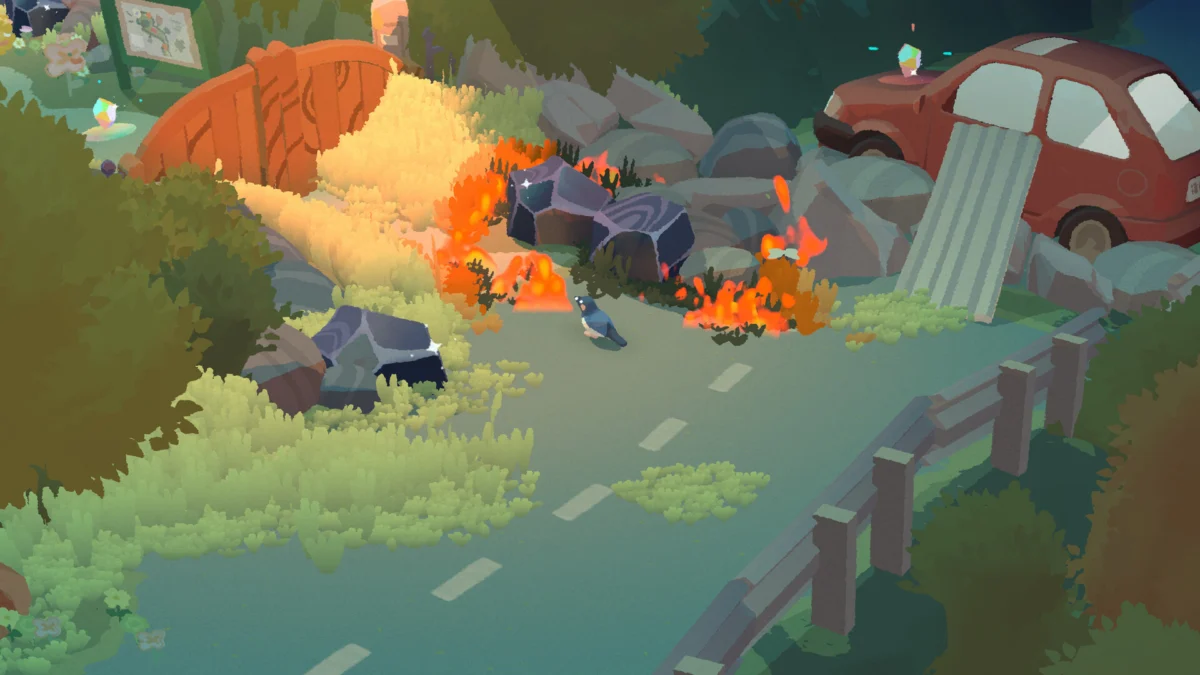
Developed with a blend of whimsical physics and a surprisingly emotional core, Bad Magpie tells the story of a bird grounded by tragedy but fueled by a thirst for shiny objects and environmental arson. As the title suggests, you aren’t playing as a noble messenger or a soaring hero; you are playing as a "bad" bird who has decided that if the world won’t let it fly, the world will have to burn.
Main Facts: The Premise of Avian Anarchy
At its core, Bad Magpie is an open-ended, non-linear adventure game that places players in the role of a magpie whose wings have been severely wounded. This injury serves as both a narrative catalyst and a clever mechanical constraint. By stripping away the traditional magpie’s ability to fly, the developers have forced the player to engage with the world from a grounded, more intimate perspective.
The primary objective of the game revolves around the collection of "shiny" objects—a nod to the real-world folklore surrounding magpies and their supposed attraction to silver and jewelry. However, in Bad Magpie, these objects are more than just collectibles; they are a currency of survival and social reconstruction. These items are traded for "trinkets," which the magpie uses to decorate its environment and, ultimately, to alleviate the crushing loneliness brought on by its isolation from the flock.
The gameplay is defined by three pillars:
- Environmental Interaction: Using the beak and body to smash objects, move obstacles, and navigate puzzles.
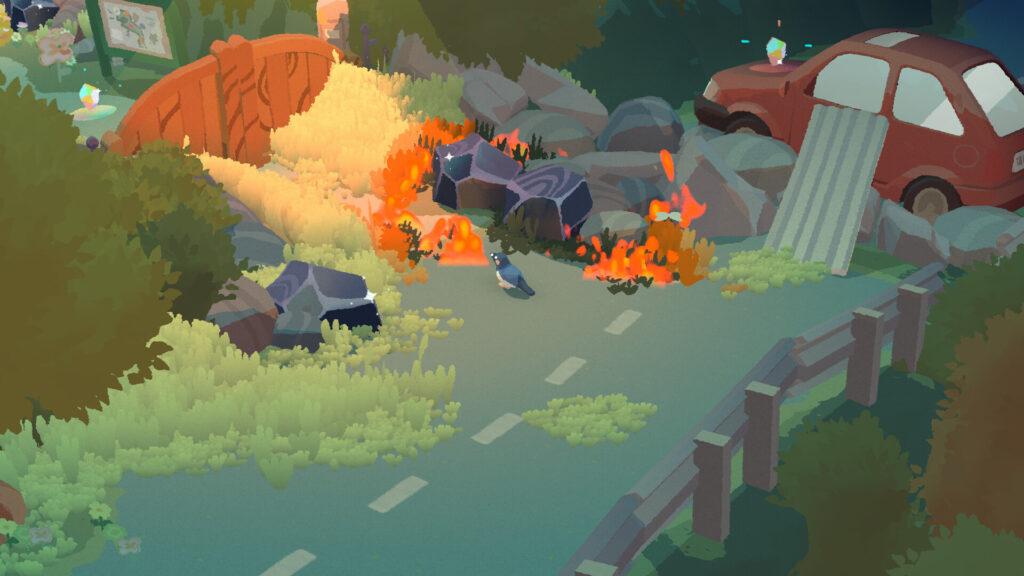
- Arson and Sabotage: Utilizing the environment (such as striking rocks to create sparks) to set fires and cause structural damage.
- Social Manipulation: Shouting at smaller animals, such as mice, or interacting with larger-than-life entities like dragons to acquire high-value trinkets.
Chronology: From Injury to Insurrection
The narrative journey of Bad Magpie begins with a moment of vulnerability. During the opening sequence, the protagonist is separated from its flock during a catastrophic event that leaves its wings tattered and unusable. In the wild, a flightless bird is often a dead bird, but the protagonist of Bad Magpie is a survivor.
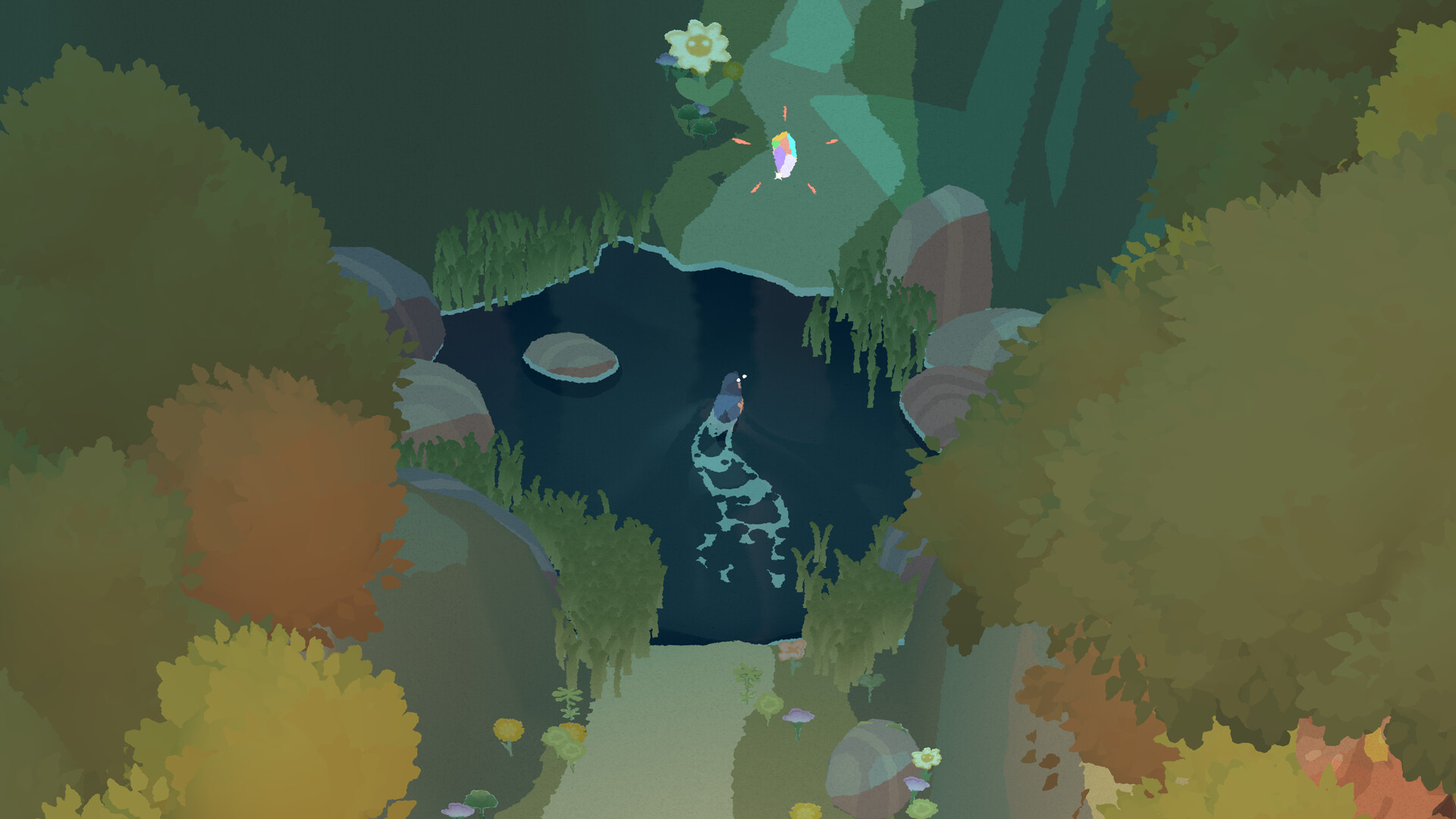
Following the injury, the game transitions into a tutorial phase where the player learns to navigate the world via hopping, fluttering, and pecking. The initial resentment the bird feels toward its environment is palpable; the world is large, dangerous, and indifferent to its plight. This leads to the "Bad" phase of the title—a decision to fight back against a world that has "given the bird a bad time."
As the game progresses through its non-linear levels, the magpie moves from simple survival to active meddling. The chronology of a typical playthrough involves discovering a new area (such as a garden, a library, or a pond), identifying the "shinies" guarded by puzzles or NPCs, and then using a variety of destructive methods to claim them. The demo showcased at Gamescom 2026 highlighted a mid-game transition where the player moves from simple petty theft to complex industrial sabotage, such as tearing down walls and manipulating fire to bypass obstacles.
Supporting Data: The Mechanics of a Grounded Bird
The technical execution of Bad Magpie relies heavily on a robust physics engine. Because the player cannot simply fly over obstacles, every fence, wall, and water feature becomes a puzzle.
The "Shiny" Economy
Data gathered from the Gamescom demo suggests a deep "trinket" system. Unlike traditional RPGs where currency is spent on stat upgrades, Bad Magpie focuses on aesthetic and emotional upgrades.
- Common Shinies: Bottle caps, discarded spoons, and foil wrappers.
- Rare Shinies: Jewelry, keys, and mystical artifacts.
- Trinkets: Items received in exchange for shinies that help the magpie build a "nest" that acts as a hub for potential new friends.
Puzzle Solving and Fire-Starting
The game introduces a unique "strike" mechanic. By pecking at flint-like rocks or electrical components, the magpie can ignite nearby flammable objects. This isn’t just for show; fire is used to burn through ropes holding up bridges, clear away thorny brush, or distract human NPCs.
The demo also highlighted "head-stuck" mechanics. In a humorous yet functional twist, the magpie can jam its head into cracks in walls. By thrashing its body, it can use its weight to pull down loose masonry, opening new paths. This physical comedy is balanced by the game’s scale; being a small bird in a world built for humans (and dragons) makes every small victory feel earned.
Interactions with the Micro and Macro
The world is populated by a hierarchy of creatures.
- Mice: Can be "shouted at" using a dedicated squawk button to clear paths or trigger pressure plates.
- Giant Pianos: These serves as massive physics toys where the magpie can jump on keys to create noise, which may be a requirement for certain sound-based puzzles.
- Dragons: Perhaps the most surprising inclusion is the presence of high-fantasy elements like dragons. These creatures act as "bosses" or gatekeepers of the most valuable trinkets, requiring the player to use stealth and environmental traps rather than direct combat.
Official Responses and Developer Insights
While the developers have remained somewhat secretive about the full scope of the game, the reception at the Xbox Games Showcase 2026 was overwhelmingly positive. Representatives from the development team noted that the primary goal was to create a "sympathetic anti-hero."
"We wanted to capture that feeling of being small and frustrated," one developer remarked during a post-showcase Q&A. "A magpie is a highly intelligent creature. When you take away its ability to fly, you don’t take away its brain or its spirit. You just make it more creative—and more dangerous. The fire-starting and the destruction aren’t just there for the sake of ‘chaos’; they are the bird’s way of leveling the playing field."
Early testers have praised the game’s control scheme, which manages to make a flightless bird feel agile rather than clunky. The "shout" mechanic, in particular, has become a fan favorite, with many comparing it to the "Honk" in Untitled Goose Game or the "Meow" in Stray, though with a more aggressive, magpie-specific rasp.
Implications: The Evolution of the "Animal Chaos" Genre
The announcement and demo of Bad Magpie signal a shift in how indie developers are approaching animal-led games. We are moving away from pure "meme" games and toward experiences that blend chaotic fun with narrative depth.
The Psychological Component
The inclusion of "loneliness" as a central plot point is a significant departure from the genre’s roots. By giving the destruction a purpose—collecting items to find friendship—the game avoids the trap of being a mindless "smash-em-up." It creates a loop of empathy: the player feels for the bird’s loss, justifies its "bad" behavior, and feels rewarded when the nest becomes a home.
Market Trends
In the current gaming market, "cozy" games (like Animal Crossing) and "chaos" games (like Goat Simulator) occupy two ends of a spectrum. Bad Magpie appears to be carving out a space in the middle—a "Chaotic Cozy" genre. It offers the satisfaction of destruction alongside the heartwarming goal of building a community. This hybrid approach is likely to appeal to a broad demographic, from hardcore puzzle solvers to casual players who enjoy environmental storytelling.
Accessibility and Perspective
By grounding the magpie, the game naturally limits the camera’s verticality, which can often be a source of motion sickness or navigational confusion in 3D platformers. This makes the game more accessible to a wider audience while providing a unique "worm’s-eye view" of a world that feels vast and intimidating.
Conclusion: A Bird to Watch
Bad Magpie is currently available for wishlisting on Steam, and while a firm release date has not yet been set, the buzz generated at Gamescom suggests it will be one of the most anticipated indie titles of the coming year.
It is a game that promises to turn a disability into a superpower of sorts, proving that you don’t need wings to soar in the eyes of the gaming community. Whether you are shouting at mice, jumping on pianos, or striking sparks to watch a garden shed burn, the journey of this little wounded bird is a testament to resilience, the allure of shiny things, and the lengths one will go to to find a friend.
As the trailer suggests, the world gave this magpie a bad time. Soon, players will get the chance to help it return the favor.