Meta’s Strategic Pivot: 3D Cinema and the Evolution of the Horizon+ Ecosystem
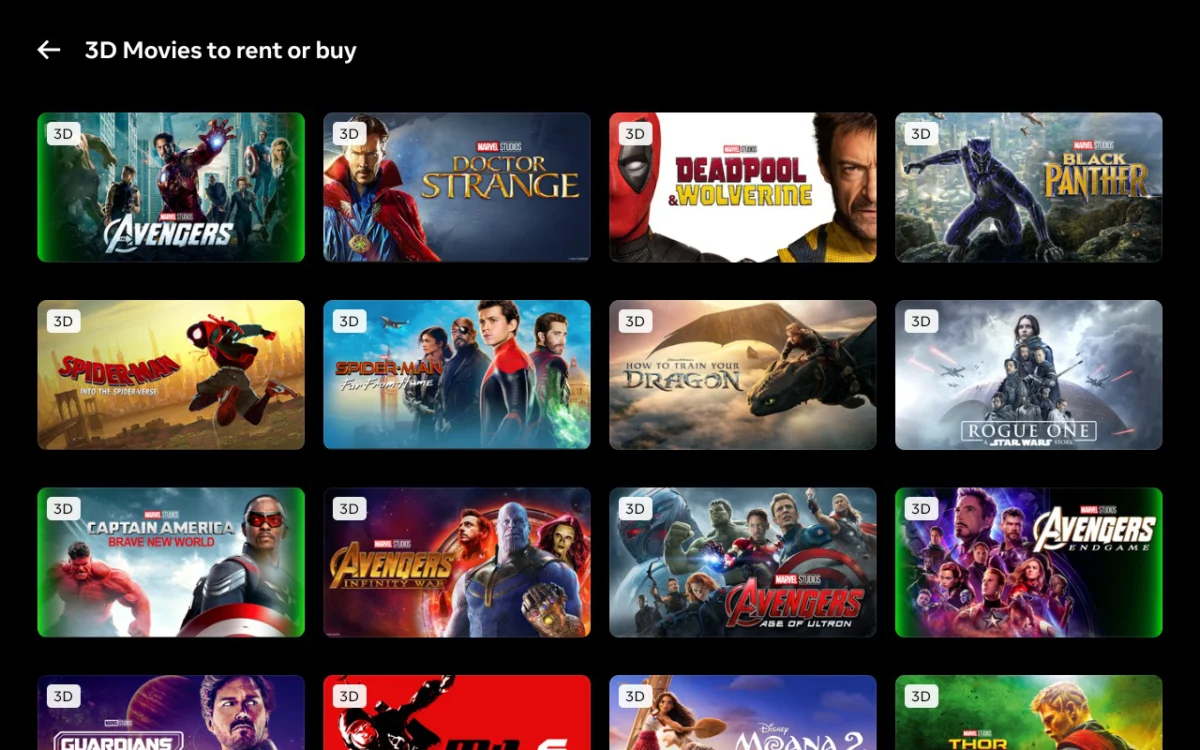
The landscape of standalone virtual reality is undergoing a fundamental transformation. While the Meta Quest platform has historically been defined by its gaming prowess, a series of recent discoveries and official announcements suggest that Meta is aggressively repositioning its hardware as a premier destination for high-fidelity spatial media. From the sudden appearance of 3D feature films in the Quest TV app to datamined evidence of a major subscription rebrand, the company is signaling a shift toward a "media-first" strategy designed to capture a broader, more mainstream demographic.
Main Facts: The Emergence of 3D Cinema on Quest
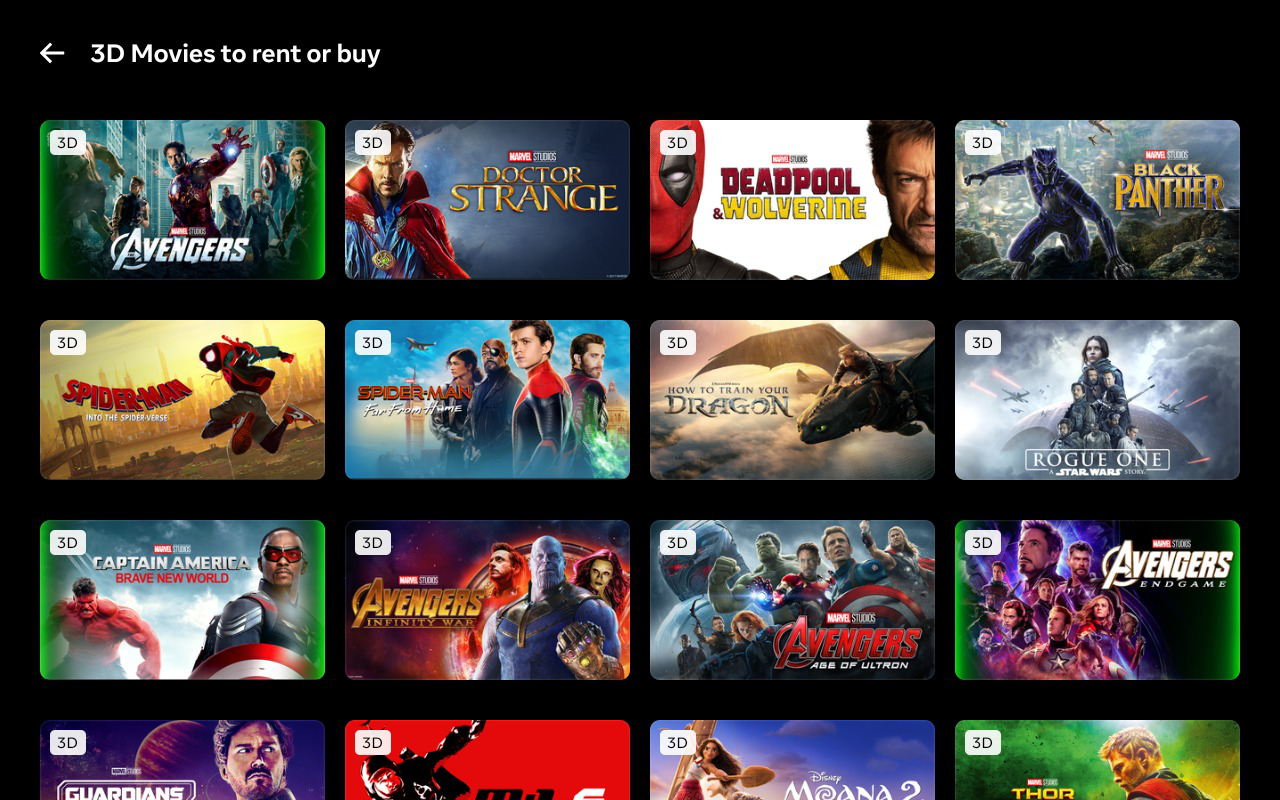
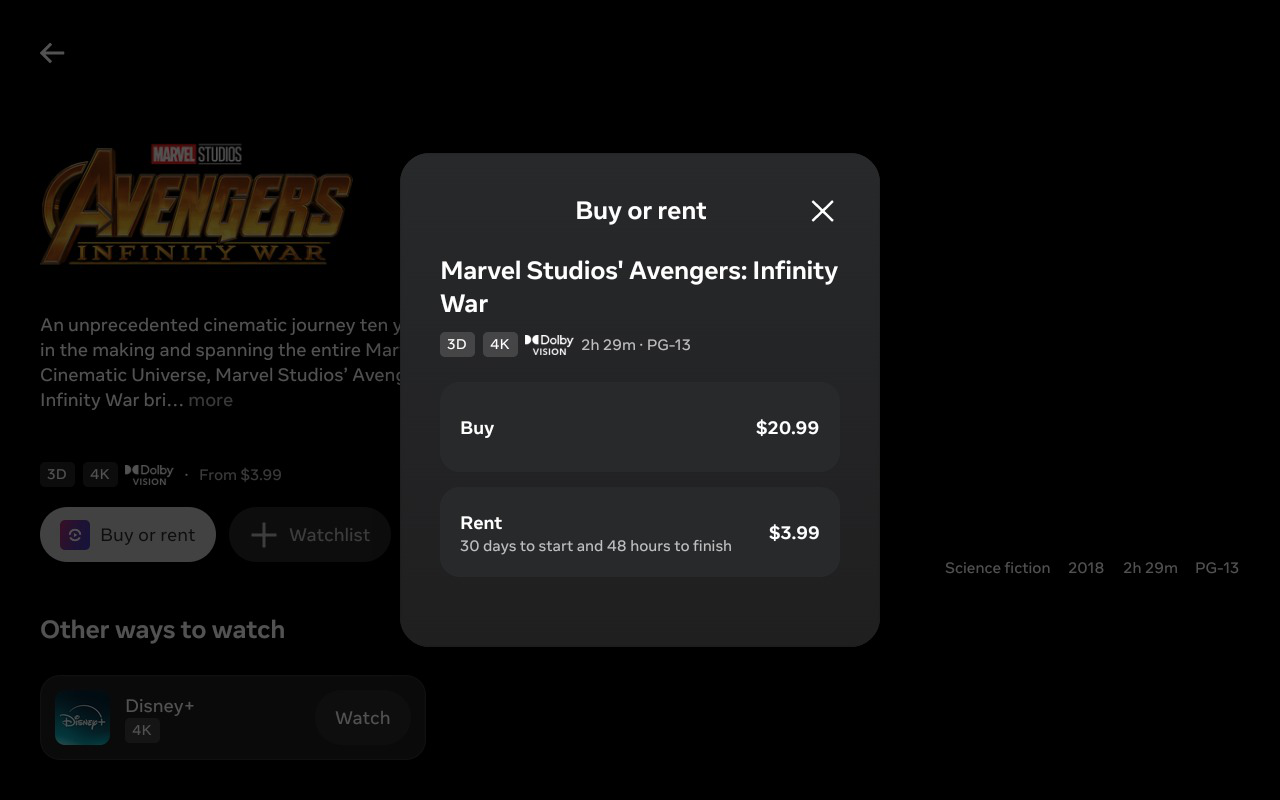
In recent weeks, users of the Meta Quest 3 and the newly released Quest 3S have reported the appearance of a dedicated 3D movie selection within the native Meta TV app. This development marks the first time Meta has directly integrated a premium 3D film storefront into its core interface, moving away from reliance on third-party applications like Fandango at Home (formerly Vudu) or Bigscreen.
The initial rollout appears to be heavily focused on Disney-owned properties, featuring high-budget Marvel Cinematic Universe (MCU) titles and Pixar animations. Crucially, these films are available for individual purchase or rental directly through the Meta Horizon Store. Unlike previous iterations of media integration, an active Disney+ subscription is not required to access these titles, though they are optimized for the Quest’s high-resolution displays to provide an experience that rivals traditional 3D cinema.
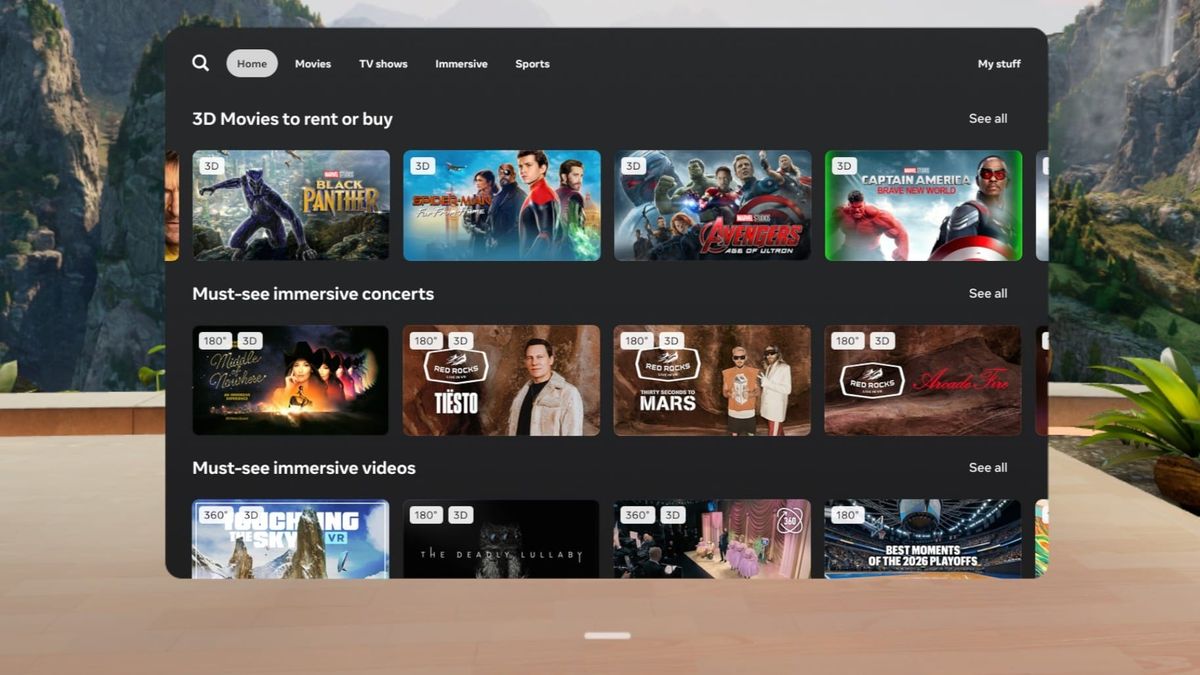
In tandem with this rollout, Meta has updated its official support documentation. New articles now explicitly detail the procedures for renting and purchasing media within the Quest ecosystem, providing a framework for what Meta promises will be a massive expansion of its digital library. This technical infrastructure is designed to support "spatial" viewing, utilizing the Quest’s ability to render massive, virtual screens within immersive or passthrough environments.
Beyond the content itself, datamining efforts have uncovered a potential sea change for Meta’s subscription model. Information discovered by community researchers, including the programmer known as Nori and the user Nikita, points to a rebranding of the "Meta Horizon+" service. The service, which currently offers a rotating catalog of games, may soon be renamed "Meta VR+." More importantly, the leak suggests that 3D movie access—potentially a rotating selection or a dedicated "vault"—will be included as a core benefit for subscribers, further incentivizing the monthly fee beyond the gaming community.
Chronology: The Roadmap to Meta VR Glasses
The integration of 3D media is not an isolated event but a carefully choreographed step in a multi-year hardware roadmap. To understand the current rollout, one must look back to the events of Meta Connect 2026.
- September 2026: At the annual Connect conference, Meta CEO Mark Zuckerberg unveiled the "Meta VR Glasses," a sleeker, more consumer-friendly evolution of the Quest line. Alongside this hardware reveal, Meta announced that Quest owners in the United States would gain access to "hundreds" of premium movie titles by the end of the year.
- Late 2026 (Current Phase): The initial storefront has begun appearing for early adopters. Meta is currently testing the rental/purchase infrastructure with a limited selection of titles, primarily focusing on the North American market.
- Early 2027: Meta plans to expand this catalog from "hundreds" to "thousands" of titles. This phase will also see the international rollout of the media storefront, coinciding with the broader availability of the Meta VR Glasses.
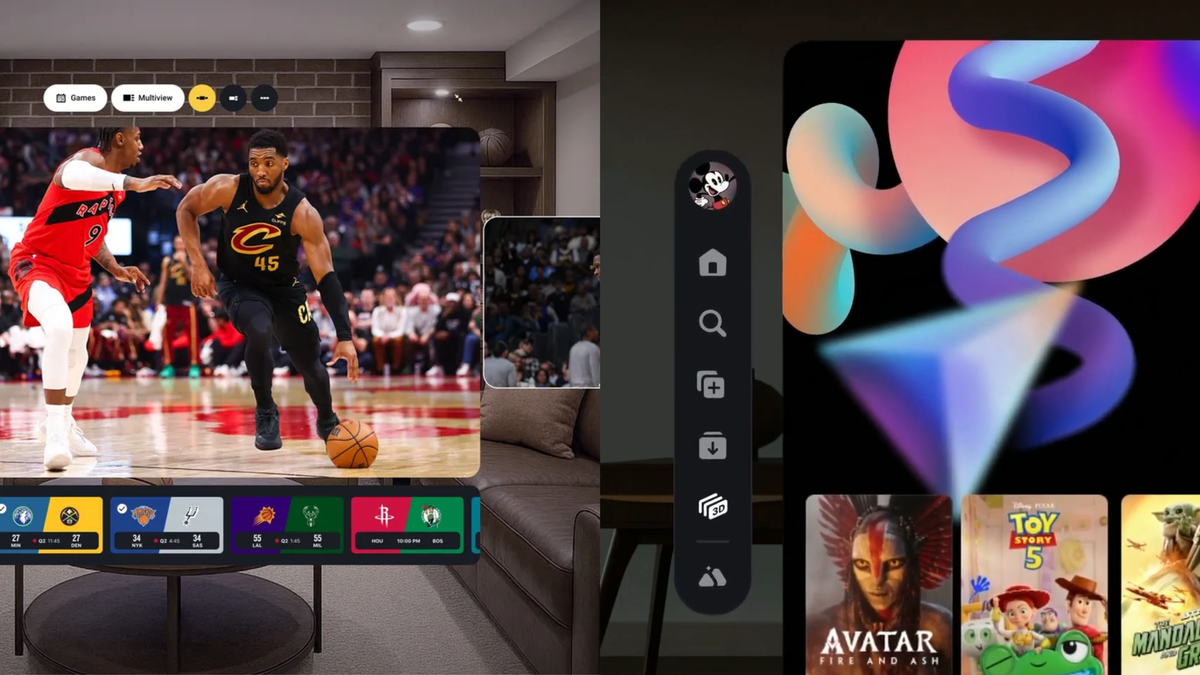
- The Disney+ Overhaul (Imminent): Expected before the close of 2026, the Disney+ app on Quest is slated for a massive spatial update. This will bring the Quest version of the app into parity with the Apple Vision Pro version, offering immersive environments (such as the Avengers Tower or the Disney+ Theater) and native 3D streaming for subscribers.
Supporting Data: The Growth and Value of Horizon+
Meta’s push into media is backed by the steady growth of its subscription ecosystem. Formerly known as Quest+, the rebranded Meta Horizon+ has become a cornerstone of the company’s revenue strategy for its Reality Labs division.
Current Subscription Metrics
As of February 2026, Meta reported that the service had surpassed 1 million "active subscribers." This milestone was achieved through a combination of aggressive bundling and a diversifying content library. At a price point of $8 per month (or $60 annually), the service currently offers:
- The Games Catalog: A library of approximately 50 high-profile VR titles.
- The Indie Catalog: A selection of 50 smaller, experimental titles.
- Monthly Picks: Two pre-selected games that users can "claim" and keep as long as their subscription remains active.
Strategic Partnerships
A significant boost to the service occurred in July 2026, when Meta deepened its partnership with Microsoft. This led to the inclusion of a "starter edition" of Xbox Game Pass within Horizon+. This addition gave VR users access to over 50 flatscreen titles via cloud gaming, including 10 hours of monthly streaming time. The success of this integration demonstrated that Quest users are highly receptive to non-VR content, provided it is delivered through a convenient, high-quality interface.
The rumored transition to "Meta VR+" suggests the company is looking to distance its hardware identity from "Horizon Worlds," the social VR platform that has seen a mixed reception. By aligning the subscription name with the hardware ("VR+"), Meta aims to create a more universal "Pro" tier for all Quest and VR Glasses owners.
Official Responses and Strategic Vision
The move toward media consumption was foreshadowed earlier this year at the Game Developers Conference (GDC) 2026. Chris Pruett, Meta’s Director of Games, provided a candid look at the company’s evolving demographic strategy. Pruett’s comments serve as the unofficial manifesto for the current 3D movie rollout.
According to Pruett, Meta expects "more Mainstream Adults to enter VR through media consumption first, then discover games once they are in-headset." This represents a reversal of the traditional VR adoption curve, where gaming was the "hook" and media was an afterthought.

Pruett identified a specific, underserved demographic: the "mid-core" user. These are individuals who may not identify as "hardcore gamers" but are willing to pay for premium experiences. Pruett noted that these users "love Meta Horizon+ and probably play seated without controllers." By focusing on 3D movies and high-quality streaming, Meta is catering to this "lean-back" experience, where the headset serves as a personal IMAX theater rather than just a virtual gym or battlefield.
Furthermore, Meta’s recent SDK updates have been specifically designed to "boost spatial apps." By providing developers with better tools to create "Spatial UIs," Meta is encouraging apps like Disney+, NBA, and Netflix to move away from flat, floating 2D windows and toward truly immersive, three-dimensional interfaces that feel integrated into the user’s physical environment.
Implications: Competition and the "Mainstream" Frontier
The implications of Meta’s pivot to 3D cinema are far-reaching, affecting both the competitive landscape and the future of home entertainment.
The Apple Vision Pro Factor
For the past year, the Apple Vision Pro has held the crown for the best spatial media experience, largely due to its high-resolution micro-OLED displays and its deep integration with the Apple TV app and Disney+. By launching its own 3D movie storefront and securing spatial updates for major streaming apps, Meta is directly challenging Apple’s value proposition. While the Quest 3 and 3S cannot match the raw pixel density of the Vision Pro, they offer a "good enough" experience at a fraction of the cost, making 3D spatial cinema accessible to millions rather than thousands.
The Death and Rebirth of 3D
3D television was largely considered a failure by the mid-2010s, hampered by the need for uncomfortable glasses and poor brightness. VR solves these fundamental issues. In a headset, each eye receives a dedicated image, eliminating "crosstalk" and maintaining vibrant colors. Meta’s move to bring "thousands" of titles to the platform could spark a renaissance for the 3D format, providing studios with a new, profitable distribution channel for their 3D masters.
The "Trojan Horse" for the Metaverse
By rebranding Horizon+ to Meta VR+ and leading with movies, Meta is employing a "Trojan Horse" strategy. If a user buys a headset primarily to watch Avatar 3 in 3D or to have a virtual front-row seat at an NBA game, they are already inside the ecosystem. Once the hardware is on their head, the friction to try a social experience in Horizon Worlds or a fitness app like Supernatural is significantly reduced.

In conclusion, the appearance of 3D movies on the Quest is not merely a feature update; it is a declaration of intent. Meta is moving beyond the "gaming peripheral" label and striving to become the ultimate personal entertainment device. As the company prepares for the launch of Meta VR Glasses in 2027, the foundation is being laid for a future where the most popular use for VR isn’t playing a game—it’s simply watching the screen.