A Failed Leap into the Stratosphere: An In-Depth Review of ‘Project Hail Mary: Journey Among the Stars’
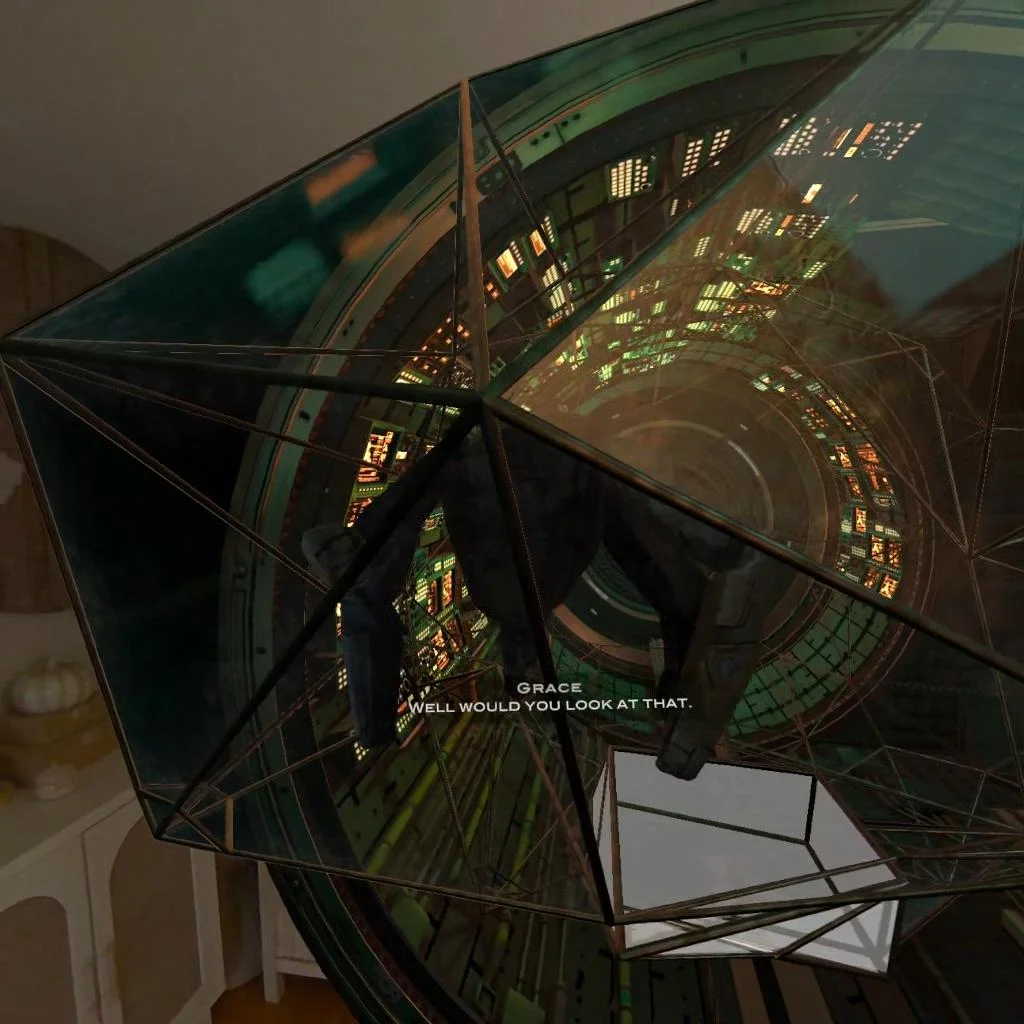
The transition from the printed page to the digital realm is a path fraught with peril, particularly when the source material is as beloved as Andy Weir’s hard science-fiction masterpiece, Project Hail Mary. When Maze Theory announced Project Hail Mary: Journey Among the Stars in early 2024, the anticipation among the "Weir-verse" faithful was palpable. Weir’s unique brand of "competence porn"—where characters solve life-threatening problems through mathematics, physics, and sheer stubbornness—seemed like the perfect blueprint for an immersive Mixed Reality (MR) experience.
However, following its release on November 12, 2026, the reality of the experience has proven to be a stark contrast to the high-stakes tension of the novel. While it promises an untold chapter in the saga of Ryland Grace and his alien companion Rocky, Journey Among the Stars ultimately succumbs to technical "jank," uninspired gameplay loops, and a narrative that fails to capture the emotional core of its predecessor.
Main Facts: The Specifications of the Mission
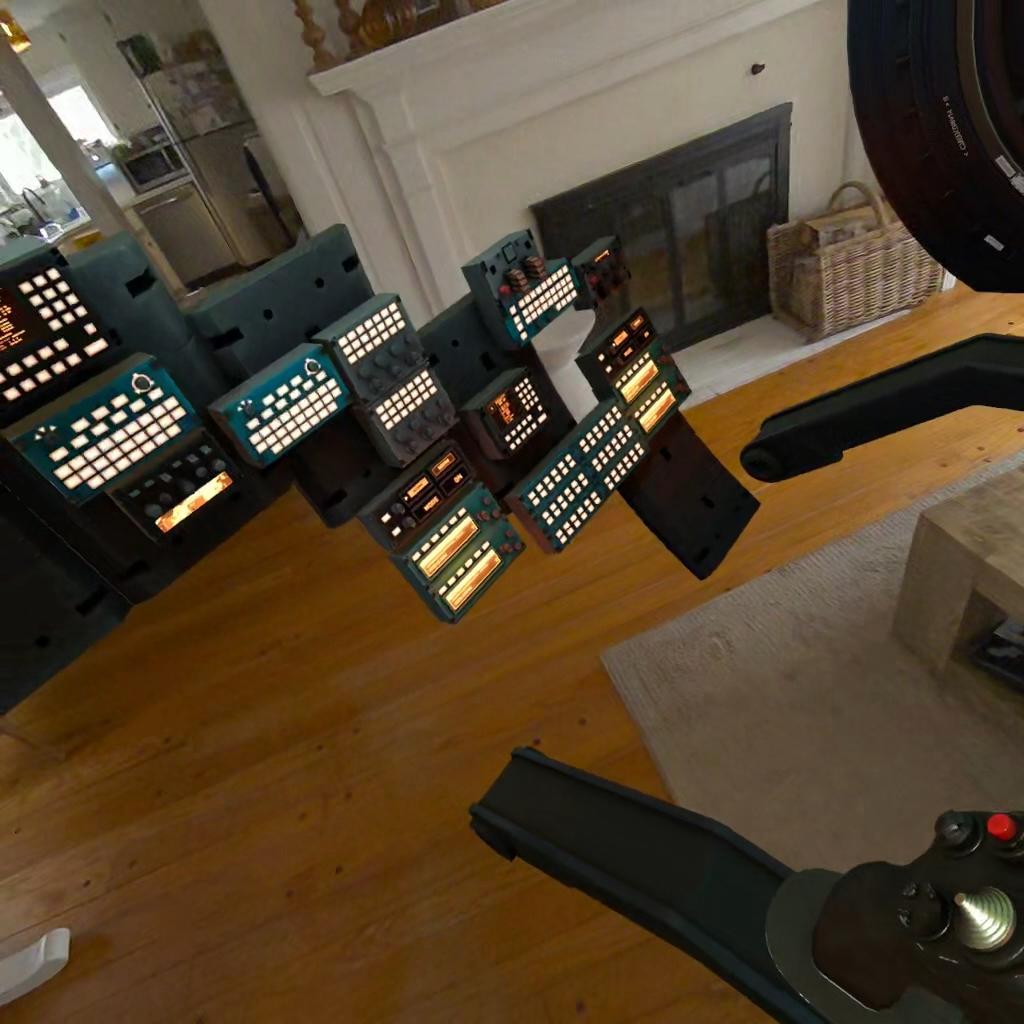
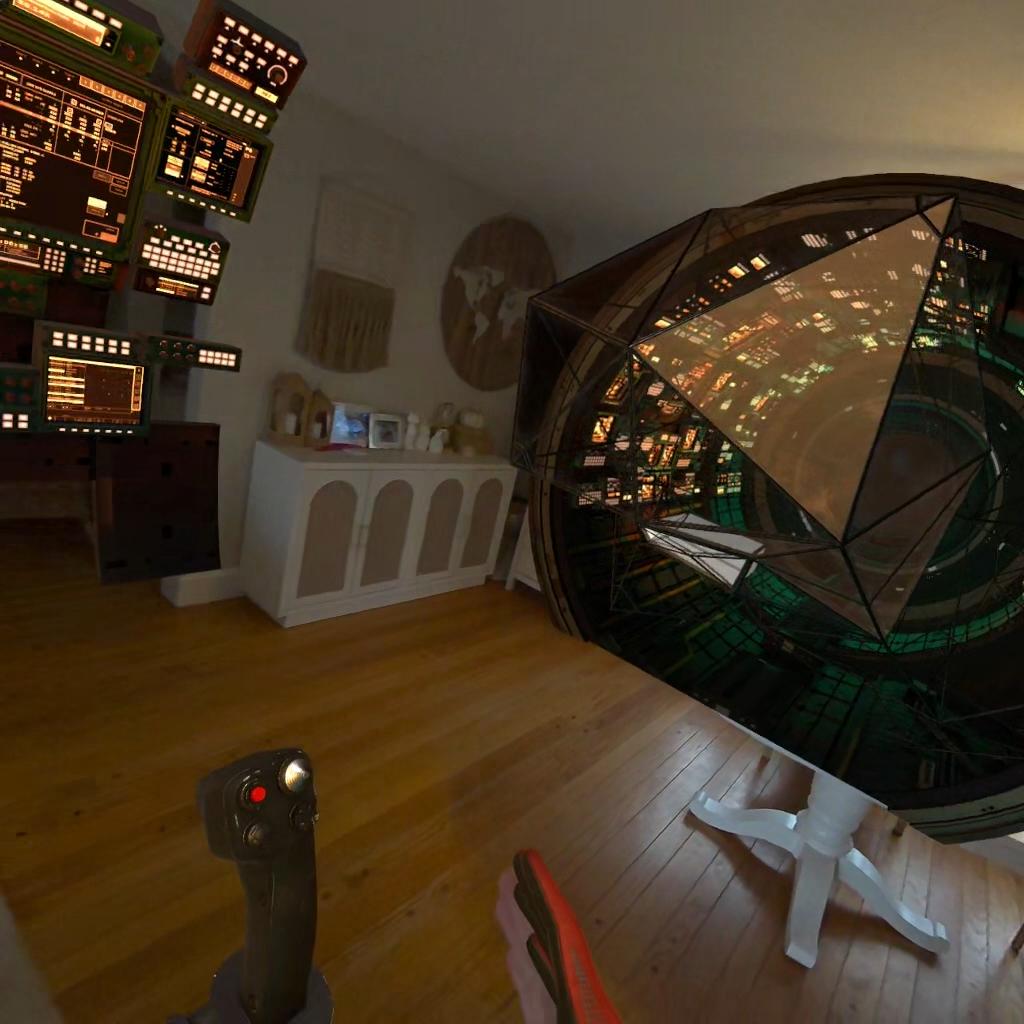
Project Hail Mary: Journey Among the Stars is positioned not as a full Virtual Reality (VR) game, but as an immersive Mixed Reality experience. This distinction is crucial, as the game utilizes the pass-through capabilities of modern headsets to overlay the interior of the Hail Mary starship onto the user’s physical environment.
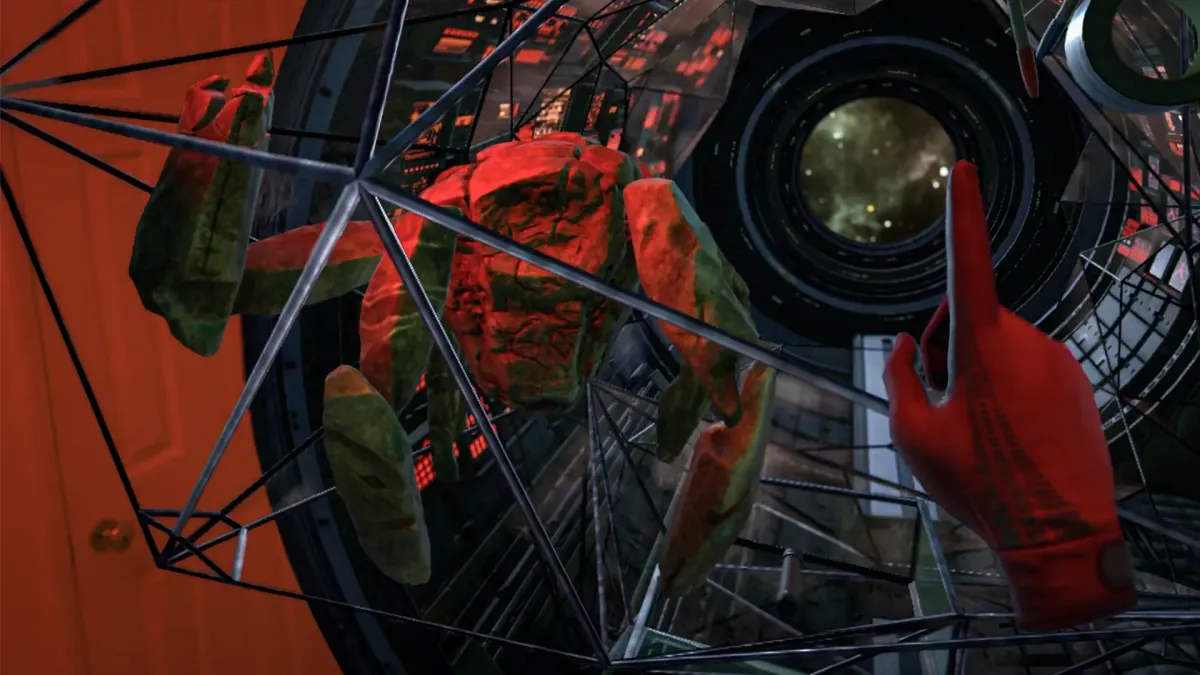
- Project Hail Mary: Journey Among the Stars
- Developer/Publisher: Maze Theory
- Release Date: November 12, 2026
- Platforms: Meta Quest 3, Meta Quest 3S, Pico 4 Ultra, and Android XR-compatible devices.
- Price Point: $19.99
- Core Premise: A canonical side-story set during the transit to 40 Eridani A, focusing on the collaborative maintenance of the ship between Ryland Grace and Rocky.
The experience attempts to bridge the gap between the original 2021 novel and the highly anticipated film adaptation starring Ryan Gosling. Players step into the magnetic boots of Ryland Grace, tasked with ensuring the survival of a world-saving cargo. Despite the pedigree of the IP, the execution suggests a project that may have been rushed to meet a marketing window rather than one polished to the standards of modern spatial computing.
Chronology: From Concept to Disappointment
The journey of this MR title began in April 2024, when Maze Theory—a studio known for its work on Doctor Who: The Edge of Time and Peaky Blinders: The King’s Ransom—announced a partnership to expand the Project Hail Mary universe. The goal was ambitious: create a "living bridge" that allowed fans to interact with the alien Rocky in their own living rooms.
Throughout 2025, development updates highlighted the use of advanced AI for Rocky’s behavior and high-fidelity textures designed for the Quest 3’s upgraded chipset. The marketing campaign leaned heavily into the "untold chapter" angle, suggesting that players would experience a pivotal moment in the voyage that was skipped in the novel’s timeline.
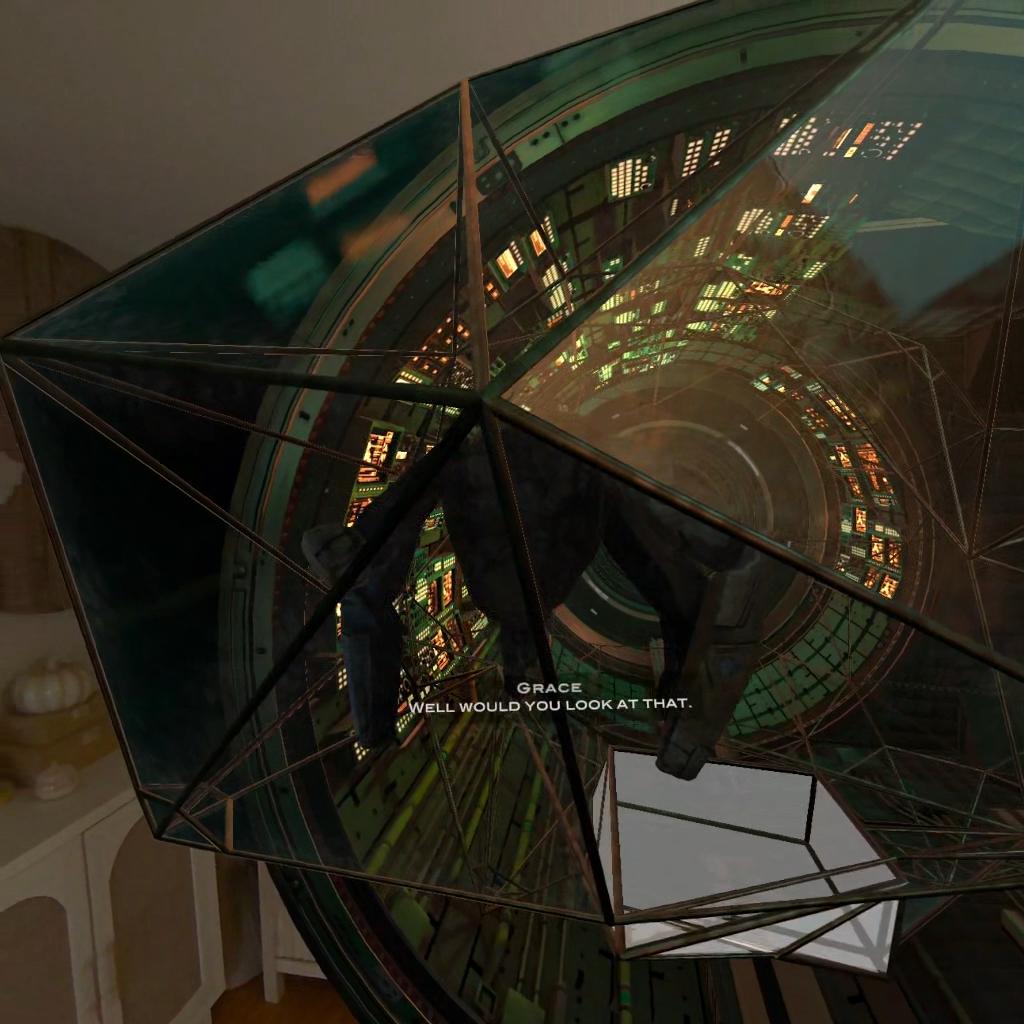
By mid-2026, however, rumors of development hurdles began to surface. Industry insiders suggested that the integration of MR mechanics—specifically the way digital objects interact with physical furniture—was proving more difficult than anticipated. When the game finally launched in November 2026, it became clear that while the visual and auditory assets were of high quality, the underlying mechanical framework was struggling under its own weight.
Supporting Data: The Mechanics of a "Chore Simulator"
The primary criticism leveled against Journey Among the Stars involves its core gameplay loop, which critics have uncharitably labeled a "chore simulator." In the novel, Ryland Grace’s engineering feats are riveting because of the life-or-death stakes and the intellectual journey required to reach a solution. In the MR experience, these feats are reduced to repetitive, low-stakes physical interactions.
The "Puzzles" of Maintenance
The gameplay consists almost entirely of fixing ship components that spontaneously fail. These tasks include:
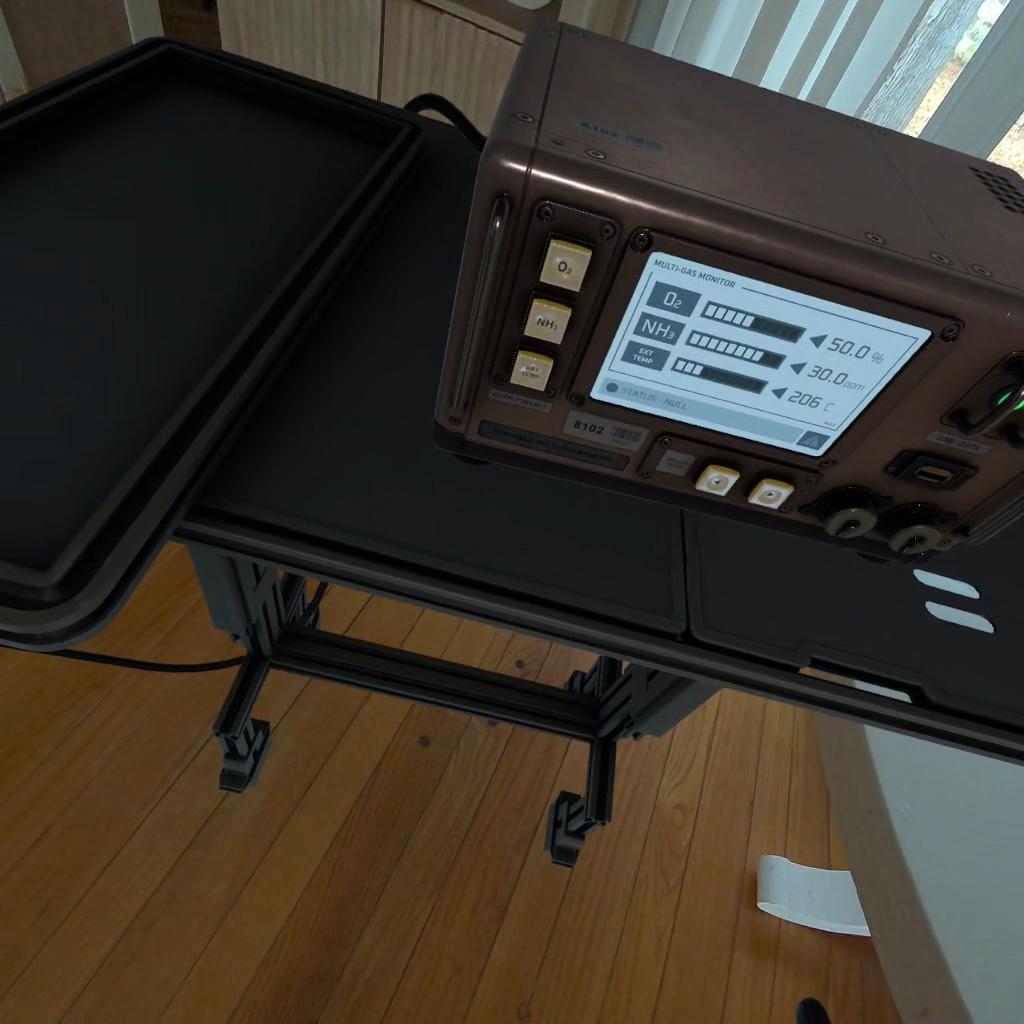
- Fuse Swapping: Identifying a blown fuse and replacing it with a fresh one found in a nearby (digitally rendered) drawer.
- USB Retrieval: Searching for missing data sticks to reboot navigation sub-systems.
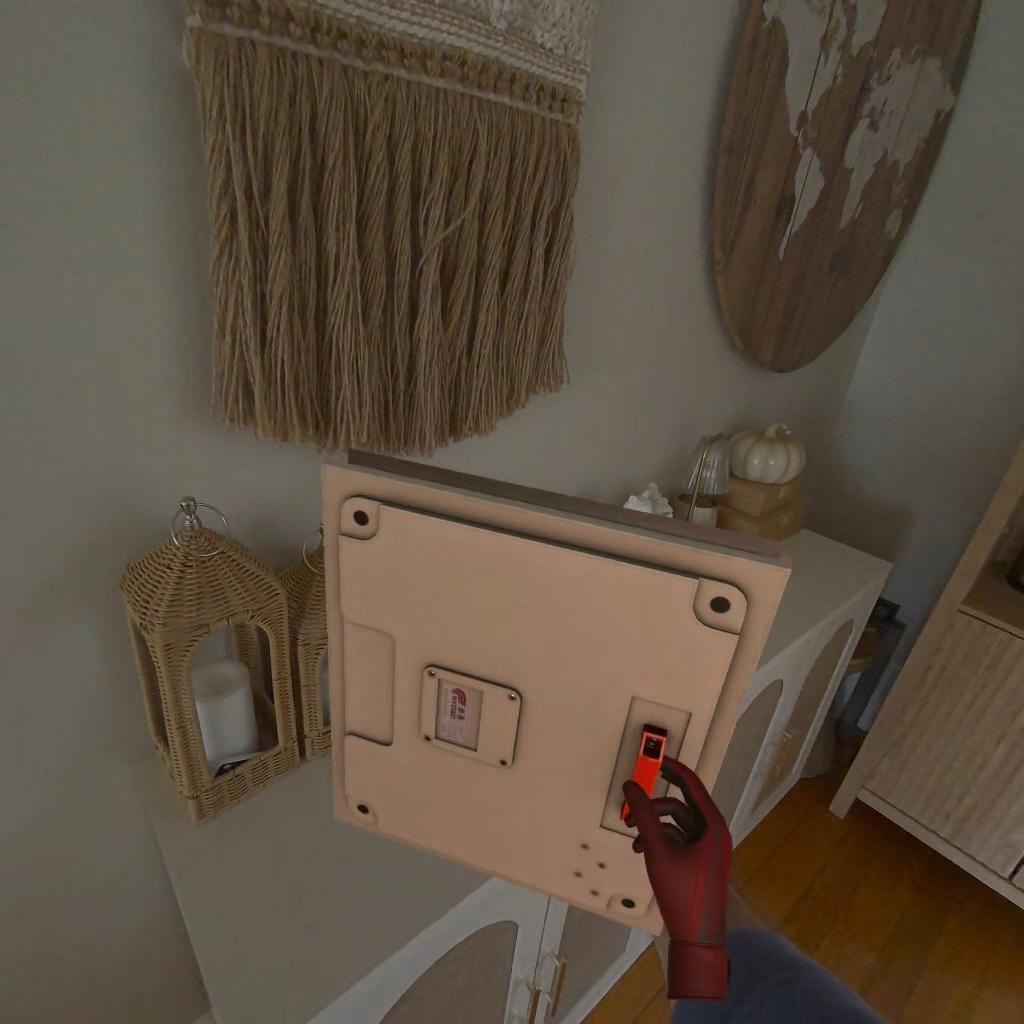
- Panel Repair: Using a digital screwdriver to open panels and "touching" tools to glowing red areas to "repair" them.
The lack of challenge is the experience’s greatest failing. There is no actual problem-solving involved; the game provides explicit waypoints and instructions, turning what should be a cerebral exercise into a game of "put Object A into Slot B."
Technical "Jank" and Interaction Failures
The immersion is frequently shattered by technical inconsistencies. In several recorded instances, the physics engine fails to govern objects correctly. For example, panels designed to be unscrewed can often be "ripped" off the wall by the player’s hand tracking, with the screws remaining suspended in mid-air.
Furthermore, the conduit-search puzzles—where players use a handheld scanner to find wires behind their actual physical walls—are prone to logic breaks. Users have reported being suddenly "teleported" to the next narrative beat despite not having completed the current task, suggesting a fail-safe script that triggers prematurely to prevent players from getting stuck in the environment.
Flight Sequences: A Lack of Direction
The experience includes segments where the player must manually pilot the Hail Mary. Initial segments of the game offer no visual feedback or objectives, leading players to fly aimlessly through empty space while audio cues shout warnings about non-existent debris. It is only in the latter half of the experience that "flightpath gates" appear, suggesting that earlier levels may have shipped with missing assets or broken triggers.
Official Responses and Developer Context
Maze Theory has long specialized in "experience-first" VR, often prioritizing atmosphere and brand fidelity over complex gaming mechanics. In a press release following the initial wave of mixed reviews, the studio emphasized the "emotional resonance" of interacting with Rocky and the "unprecedented access" to the Project Hail Mary lore.
However, the developer has yet to issue a formal patch notes list addressing the specific bugs regarding panel physics and the invisible flight debris. Industry analysts suggest that the $19.99 price point was intended to position the title as a "premium tie-in" rather than a full-scale game, yet for many consumers, the price does not justify the roughly 90 minutes of unpolished gameplay.
The voice acting remains a bright spot, with the actors delivering performances that align well with the tone of the upcoming film. The musical score, too, has been praised for its cinematic quality, successfully evoking the lonely yet hopeful atmosphere of deep-space exploration. Unfortunately, these high-quality "wrappers" cannot hide the hollow core of the interactive elements.
Implications: The Future of Mixed Reality Tie-ins
The failure of Project Hail Mary: Journey Among the Stars to provide a satisfying experience serves as a cautionary tale for the burgeoning Mixed Reality market. As hardware like the Quest 3 and Pico 4 Ultra becomes more mainstream, the temptation for studios to release "snackable" tie-in content is high. However, Journey Among the Stars proves that a strong IP cannot compensate for a lack of mechanical depth.
The "Presence" Paradox
The game highlights the "Presence Paradox" in MR. By seeing their own living room while interacting with a starship, the player is constantly reminded that they are not in space. For an MR experience to work, the digital overlays must be so rock-solid and reactive that the brain accepts the hybrid reality. When a digital screw floats in mid-air or a tool jitters in the player’s hand, the illusion collapses more violently than it would in a fully enclosed VR environment.
Impact on the Franchise
For the Project Hail Mary brand, this is a minor setback but a disappointing one. With a big-budget film on the horizon, this MR experience was an opportunity to build a "transmedia" bridge that deepened the fan’s connection to the characters. Instead, it runs the risk of alienating the "hard sci-fi" audience that Weir attracts—an audience that prizes logic, precision, and functionality.
In conclusion, while die-hard fans may find a fleeting thrill in seeing a life-sized Rocky standing next to their sofa, Project Hail Mary: Journey Among the Stars is ultimately a missed opportunity. It is a testament to the fact that in the world of Andy Weir, things are supposed to work because of science and effort—two things that seem to have been in short supply during the final stages of this game’s development. For now, fans are better off re-reading the novel or waiting for the silver screen adaptation, as this particular journey among the stars is grounded by its own technical weight.