The Spectral Architect: A Comprehensive Look at Fangtopia and the Rise of the ‘Spooky-Cozy’ Genre
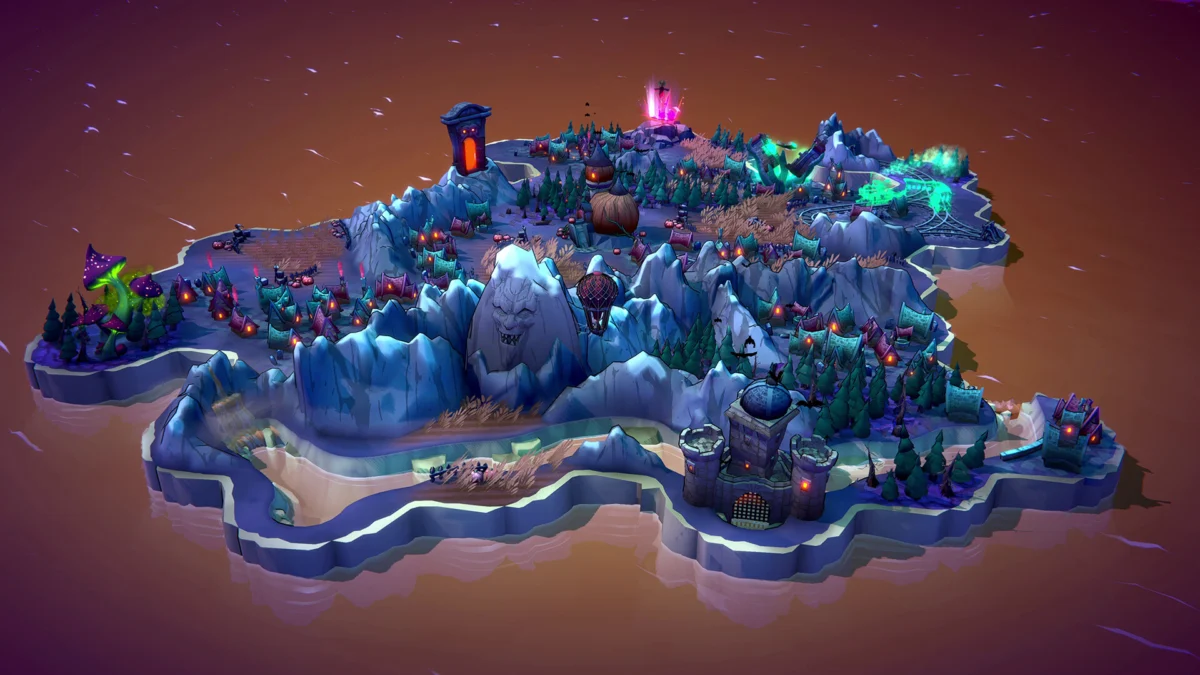
The landscape of independent gaming has undergone a significant transformation over the last five years, moving away from high-stress, reflex-based challenges toward experiences defined by "coziness" and creative expression. Standing at the intersection of this movement and the perennial appeal of the supernatural is Fangtopia, a relaxing, spooky-themed puzzle game that has recently garnered attention for its unique blend of hexagonal world-building and low-stakes strategy.
As the indie market continues to diversify, Fangtopia represents a sophisticated evolution of the tile-placement genre, offering players a digital sanctuary where ghosts, monsters, and ghouls are not threats to be defeated, but residents to be housed. This report examines the core mechanics of Fangtopia, its developmental trajectory, and its position within the broader gaming industry.
Main Facts: The Core of the Fangtopia Experience
At its essence, Fangtopia is a tile-based world-builder that utilizes a hexagonal grid—a format popularized by board games like Catan and digital hits like Dorfromantik. However, where its predecessors often focus on pastoral landscapes or industrial efficiency, Fangtopia leans heavily into a "cute-spooky" aesthetic.
The Gameplay Loop
The fundamental mechanic involves the strategic placement of hexagonal tiles onto an expanding map. Players are tasked with creating a cohesive world suitable for a variety of supernatural entities. The game utilizes a "combo" system where placing similar tiles adjacent to one another—such as adding trees to existing forests or expanding town borders with new houses—multiplies the player’s score.
Key Features:
- Hexagonal Placement: A versatile grid system that allows for organic-feeling world growth.
- Resource Management: While forgiving, the game requires players to complete specific objectives to unlock "special tiles."
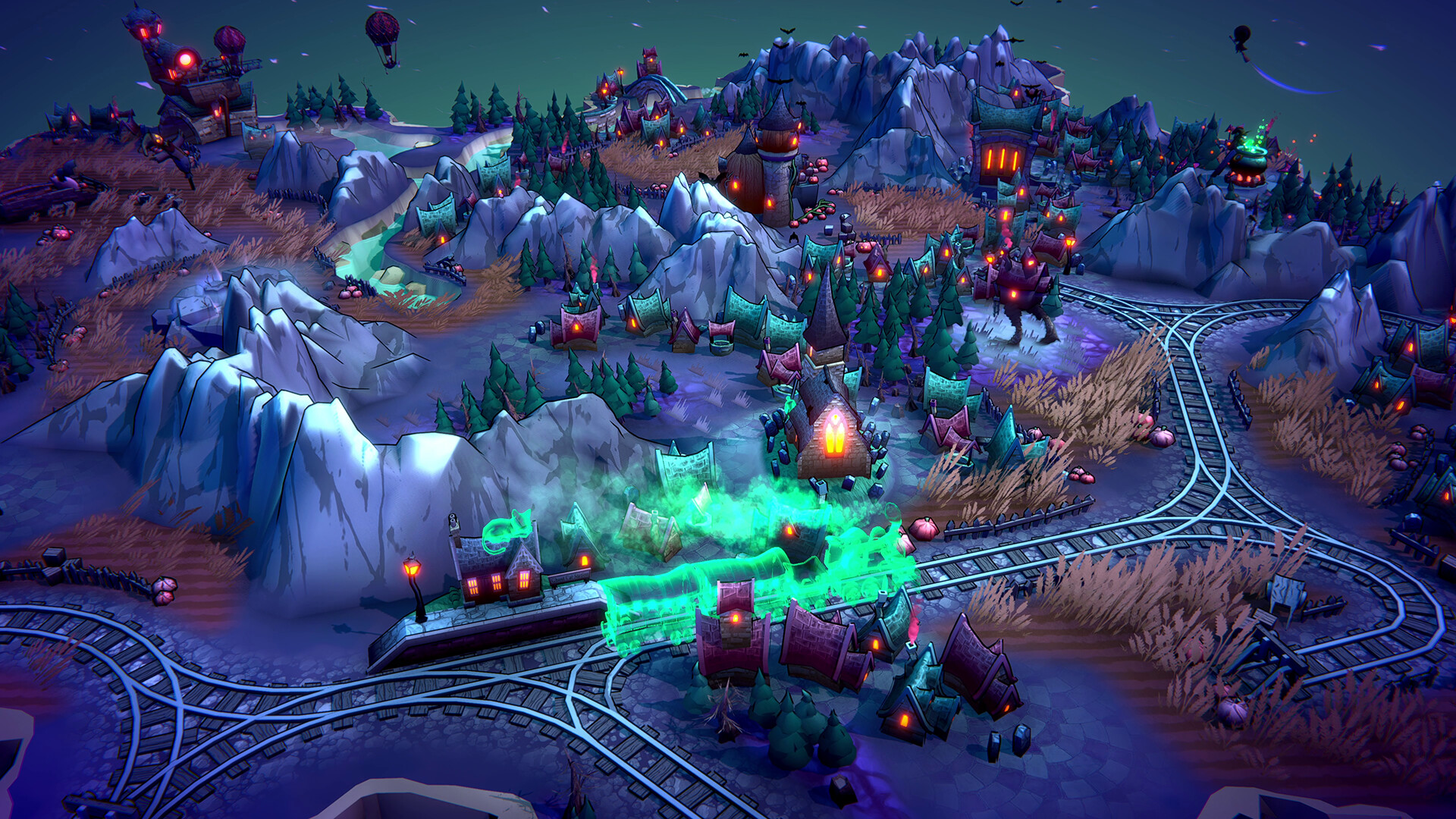
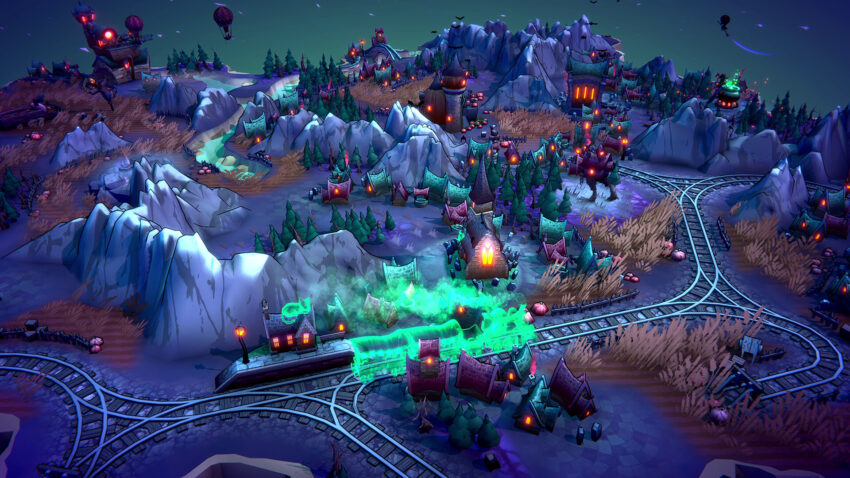
- The Ghost Train: A unique logistical layer where players construct spectral railway tracks to connect disparate landmasses and archipelagos.
- Visual Evolution: The world reacts dynamically to player input, with animations triggering as biomes reach certain thresholds of density or complexity.
- Accessibility: The game eschews traditional fail states, timers, and high-pressure scenarios in favor of a meditative experience.
Chronology: From Concept to the "Brilliant Indie Treasures" Showcase
The journey of Fangtopia reflects a modern indie development cycle, characterized by community engagement and presence at specialized digital festivals.
Initial Development and Demo Launch
The development team behind Fangtopia identified a gap in the market for a puzzle game that catered to the "Halloween year-round" demographic without resorting to horror tropes. Early development focused on the "feel" of tile placement, ensuring that the snapping of hexagons felt tactile and rewarding.
Following a period of internal testing, the Fangtopia Official Demo Launch Trailer was released, showcasing the game’s vibrant art style and the "Ghost Train" mechanic. This demo served as a critical proof of concept, allowing the developers to gather data on how players interacted with the objective-based progression system.
The Brilliant Indie Treasures Showcase
A pivotal moment in the game’s timeline was its inclusion in the Brilliant Indie Treasures showcase. This curated event highlights innovative titles that offer unique artistic visions or mechanical twists. Fangtopia was lauded during the event for its "bite-sized" accessibility and its ability to provide a deep sense of satisfaction within short play sessions. This exposure was instrumental in driving the game’s wishlist numbers on Steam, the primary platform for its distribution.
Current Status and Availability
Currently, Fangtopia is available for purchase on Steam, where it continues to receive updates aimed at expanding its "sticker" collection system and refining the procedural generation of its "Island Mode."
Supporting Data: Mechanics, Modes, and Progression
To understand the appeal of Fangtopia, one must look at the data-driven design choices that differentiate it from more rigid puzzle games.
Diverse Game Modes
The developers implemented three distinct modes to cater to different player psychological needs:
- Short Session Mode: Designed for 10–15 minute bursts, focusing on immediate tile placement and rapid world growth.
- Large Island Mode: A marathon experience where the map can expand significantly, requiring more long-term planning for town layouts and forest density.
- Island Mode (Archipelago): This mode introduces the "Ghost Train" tracks. Data suggests this is the most popular mode for veteran players, as it adds a layer of connectivity and logistical planning that transcends simple tile adjacency.
The Objective System and "Special Tiles"
Progression is handled through a dual-choice objective system. Periodically, players are presented with two options for "special tiles." These tiles often require specific environmental conditions to be met—for example, a "Vampire Manor" might need to be surrounded by a certain number of town tiles and forest tiles.
Completing these challenges rewards the player with stickers. While seemingly a minor cosmetic addition, the sticker system serves as a powerful psychological motivator, providing a tangible sense of achievement in a game that lacks a traditional "Game Over" screen.
Forgiveness as a Design Metric
Unlike traditional strategy games where a single misplaced unit can lead to defeat, Fangtopia is designed with a high "forgiveness threshold." The scoring system is additive rather than subtractive. Even "sub-optimal" tile placement contributes to the world’s growth, ensuring that players who prioritize aesthetics over high scores are not penalized.
Official Responses and Developer Philosophy
While the developers have maintained a modest public profile, their design philosophy can be inferred through their participation in "Wholesome Games" initiatives and their public statements during the Brilliant Indie Treasures event.
The overarching sentiment from the development team is that Fangtopia is intended to be an "anti-stress" tool. In a market saturated with "Souls-likes" and competitive shooters, the developers have stated that their goal was to create a "digital diorama."
Developer Perspectives on the "Spooky" Aesthetic
In promotional materials, the team has addressed the choice of a monster theme: "We wanted to reclaim the imagery of ghosts and ghouls from the horror genre. In Fangtopia, these creatures aren’t scaring you; they are moving into the neighborhood you built for them. It’s about community building, even if that community happens to be undead."
This approach has resonated with a growing demographic of gamers who enjoy the "dark academia" or "gothic-cute" aesthetic but suffer from "horror fatigue."
Implications: The Future of Non-Punitive Gaming
The success and reception of Fangtopia have several implications for the indie game industry and the puzzle genre at large.
1. The Expansion of the "Spooky-Cozy" Subgenre
Fangtopia is a vanguard for a new subgenre often referred to as "Spooky-Cozy." By stripping away the jump scares and resource scarcity typical of supernatural games, it opens the "haunted" aesthetic to a much wider audience, including younger players and those who use gaming for anxiety management.
2. Procedural Generation as a Creative Tool
The game demonstrates that procedural generation—often used in roguelikes to create difficulty—can be used effectively to create beauty. The way the world "comes to life" with animations as it grows suggests a future where world-builders feel less like static maps and more like living ecosystems.
3. The Viability of the "Bite-Sized" Model
By offering a dedicated short-session mode, Fangtopia acknowledges the changing habits of adult gamers who may only have minutes, not hours, to play. This "snackable" game design is likely to become a standard feature in indie titles seeking to capture the "working professional" demographic.
4. Strategic Connectivity
The "Ghost Train" mechanic suggests that the next evolution of tile-placement games will involve more than just adjacency; it will involve infrastructure. This bridges the gap between simple puzzles and complex city-builders, providing a gateway for players to explore more intricate strategy titles.
In conclusion, Fangtopia is more than a simple puzzle game; it is a testament to the power of thematic subversion and player-centric design. By creating a world where the monsters are friendly and the pressure is non-existent, the developers have carved out a unique space in the Steam library that promises to haunt players’ imaginations in the most delightful way possible. For those looking to build their own haunted archipelago, Fangtopia remains a premier choice for relaxing, creative play.