GDC Game Narrative Review Program Celebrates Student Insights into Interactive Storytelling

San Francisco, CA – [Insert Current Date] – The Game Developers Conference (GDC) annually highlights the crucial role of narrative in video games through its esteemed Game Narrative Review (GNR) program. This initiative, deeply integrated into the curricula of leading game design programs across the nation, empowers students to conduct rigorous, structured analyses of the narrative elements within their chosen game titles. The culmination of this academic endeavor sees promising young writers and critics recognized for their insightful contributions, with winning entries showcased through visually compelling posters and in-depth written papers, archived for public access on GDC Vault.
The GNR program fosters a deeper understanding of how storytelling, character development, world-building, and thematic exploration contribute to the overall player experience. By dissecting the narrative architecture of games, students not only hone their analytical and writing skills but also gain invaluable insights into the craft of game development. This program serves as a vital bridge between academia and the professional game industry, offering a platform for emerging talent to demonstrate their critical acumen.
Each year, the GDC writing board meticulously reviews submissions, identifying those that exhibit exceptional insight, originality, and analytical depth. The authors of the most promising works are then invited to present their findings visually through a poster synopsis, offering a concise yet powerful overview of their research. These winning posters and accompanying papers are subsequently exhibited at the GDC and archived, creating a rich repository of student-led game narrative analysis that spans various genres and eras of gaming.
A Chronicle of Narrative Excellence: A Look Back at GDC Game Narrative Review Winners
The GDC Game Narrative Review program has been instrumental in spotlighting the evolving landscape of interactive storytelling. By examining the winning entries across multiple years, a fascinating evolution in critical focus and analytical approaches becomes apparent. The following sections delve into the celebrated works from recent GDC Narrative Reviews, showcasing the breadth of games analyzed and the depth of student insight.
2026: A New Wave of Narrative Exploration
The 2026 GDC Game Narrative Review program celebrated a diverse range of titles, demonstrating the continued vitality of narrative in contemporary gaming. Among the esteemed Platinum Winners, Qi Ren Soo from DigiPen Institute of Technology presented a compelling analysis of Flower, exploring its minimalist yet profound narrative. Similarly, Basil Tutza from Drexel University delved into the intricate narrative design of IMMORTALITY, while Anna Green from Kennesaw State University offered a critical perspective on the narrative of Bayonetta.
The Gold Winners from 2026 further underscore the program’s reach and the students’ engagement with a wide spectrum of game narratives. Cary Shin of DigiPen Institute of Technology analyzed the narrative mechanics of Pokémon Black & White, demonstrating how iconic franchise entries can still offer rich grounds for critical examination. Isaiah M. Singleton from Drexel University provided an insightful review of Metal Garden, and Zac Millman explored the narrative depths of PEAK. Katherine Jordan from Northeastern University offered a thoughtful analysis of Signs of the Sojourner, a game celebrated for its unique narrative mechanics. Theodoros-Thirimachos Davarakis, also from Northeastern University, presented a winning analysis of Slay the Princess, a title known for its meta-narrative deconstruction. Rensselaer Polytechnic Institute contributed two outstanding entries: Tyler Majewski’s review of Fran Bow and Xinyu (Ella) Zhang’s examination of Cyberpunk 2077. Jeff Chen from Rochester Institute of Technology offered a compelling analysis of In Stars and Time, while Sheridan College saw Blythe Watson analyze Minecraft, Sean Erren deconstruct There Is No Game: Wrong Dimension, and Violet Li delve into the narrative of Stray Gods: The Roleplaying Musical. Sogang University’s Aleksandra Tretiakova provided a critical look at The Last of Us Part II, and Hannah Geissler explored the narrative of Planet of Lana. Finally, Li (Aiden) Jiang from Southern Methodist University analyzed Needy Streamer Overload, Allison Lee from the University of Southern California examined Consume Me, and Ben Yu from USC explored the narrative of Klonoa 2: Lunatea’s Veil.
2025: Illuminating Diverse Narrative Experiences
The 2025 GDC Game Narrative Review cohort showcased a keen understanding of how narrative functions across different game design philosophies. DigiPen’s Qi Ren Soo earned Platinum recognition for their analysis of PUBG, a game where narrative is often emergent rather than explicit. Drexel University’s Isaiah M. Singleton also achieved Platinum status for their work on Metal Garden, and Zac Millman continued to impress with their analysis of PEAK.
In the Gold category for 2025, Abigail Scheidler from DigiPen explored the narrative intricacies of Chants of Sennaar, a title lauded for its linguistic and symbolic storytelling. Josh Hao, also from DigiPen, presented a compelling analysis of Sky: Children of the Light, highlighting its environmental and emotional narrative. Connor Runyon from DigiPen delved into the complex narrative of Tsukihime – a piece of blue glass moon – . University of Silicon Valley’s Keana Malolot offered an insightful review of Cyberpunk 2077, examining its dystopian narrative. DigiPen’s Noah Crissey analyzed the narrative of Pentiment, a game rich in historical and personal storytelling. Drexel’s Oliver Kim provided an analysis of Gris, a game celebrated for its visual storytelling. Zach Millman continued his streak with an analysis of Slay the Princess. George Mason University’s Andres Valbuena offered a deep dive into the narrative of Vampire the Masquerade: Bloodlines. Northeastern University’s Serena Yang analyzed Eliza, and Olivia Presser explored the narrative of Bayonetta. Sheridan College’s Yanfei Chen contributed an analysis of Sanitarium, and Blythe Watson examined Monument Valley. Southern Methodist University saw Alan Lemrande analyze Signalis, Baoze Wang explore Persona 5 Royal, and Kirk Baltzell delve into Baldur’s Gate 3. University of Silicon Valley’s Kelsey Pham analyzed Nine Sols, and USC’s Tian Yang provided a review of Getting Over It With Bennett Foddy. Athenadis Roberts from USC analyzed Slay the Princess: The Pristine Cut, Ariya Acharya from USC explored Wandersong, and Cathelina Zhan from USC offered insights into Chants of Sennaar.
2024: A Spectrum of Critical Perspectives
The 2024 GDC Game Narrative Review winners demonstrated a sophisticated understanding of narrative mechanics and their impact on player engagement. Vasilisa Shcherbakova from DigiPen Institute of Technology earned Platinum recognition for her analysis of Katana Zero, a game known for its stylish narrative and gameplay integration. Brooke Glasier from Northeastern University also received Platinum honors for her insightful review of Stardew Valley, a title celebrated for its emergent narrative possibilities. Amari O’Connor from Quinnipiac University’s analysis of Stray rounded out the Platinum winners, highlighting the game’s emotional resonance.
In the Gold category, DigiPen’s Noah Crissey analyzed God of War, while Venus Foo from DigiPen Singapore explored the narrative of Heaven Will Be Mine. George Mason’s Ben Copas offered a review of A Short Hike, and Kennesaw State’s Lindsay Parkoo delved into Until Dawn. Penn’s Utkarsh Dwivedi analyzed God of War, and Quinnipiac’s Somnarng Sin explored PARANORMASIGHT: The Seven Mysteries of Honjo. Douglas Kuras from Rochester Institute of Technology provided an analysis of OMORI, and Sheridan College saw Asad Ali review Xenoblade Chronicles 3, Christopher Dichmann analyze Faith: The Unholy Trinity, and Ravi Butler explore Signalis. Samantha Khan from Sheridan College offered insights into Sky: Children of Light, and Violet Li analyzed Transistor. Xinyu "Layne" Zhang from SMU reviewed Fatal Frame III: The Tormented, and Yifan Li from SMU explored Stray. UC Santa Cruz’s Jane Grantham provided an analysis of Sally Face, and University of Silicon Valley’s Dean Goodson delved into Journey. Kelsey Pham from the University of Silicon Valley reviewed OMORI, and USC’s Ana Hunter explored Venba. Reagan Wang from USC analyzed Umurangi Generation, and Worcester Polytechnic Institute’s Tate Donnelly offered insights into I Was A Teenaged Exocolonist.
2023: Unpacking Complex Narratives
The 2023 GDC Game Narrative Review winners showcased a profound ability to dissect complex and often emotionally charged narratives. Ellen Heitmann from DigiPen Institute of Technology earned Platinum recognition for her analysis of Xenoblade Chronicles, a sprawling JRPG known for its intricate lore. Asad Ali from Sheridan College also received Platinum honors for his insightful review of Fate/Stay Night [Realta Nua]: Unlimited Blade Works, demonstrating a keen understanding of visual novel narratives. Yanfei Chen from Sheridan College’s analysis of Remember 11: The Age of Infinity rounded out the Platinum winners, highlighting the game’s psychological depth.
In the Gold category for 2023, Columbia College of Chicago’s Mathew Rosario analyzed Nier Automata, a game celebrated for its philosophical narrative. DigiPen’s Connor Runyon explored the narrative of Steins;Gate, and Vasilia Shcherbakova delved into Little Nightmares II. Canon Coker from DigiPen offered insights into Bloodborne, a game lauded for its environmental storytelling. Kennesaw State’s Katarine Culver analyzed Genshin Impact, and Quinnipiac’s Amari O’Connor reviewed The Wolf Among Us. Rensselaer Polytechnic Institute saw Max Kenny analyze It Takes Two, Olivia Peck-Krokopnytskyj explore The World Ends With You, and Marisa Fernandez delve into Superliminal. Sheridan College’s Gabe St. Onge provided a review of LISA: The Painful, Juan Alarcon analyzed Dark Souls II: Scholar of the First Sin, and Jasmin El-Tahry explored Fire Emblem Awakening. Southern Methodist University’s Braden Kubit analyzed Tetris Effect, Balpreet Purewal reviewed Twelve Minutes, and Tianze Wu explored Yakuza: Like a Dragon. University of Silicon Valley’s Marshall Sandoval-Clark delved into Disco Elysium (The Final Cut), and Melissa de la Vega analyzed OneShot. USC’s Will Farhat reviewed Celeste, and Tian Yang from USC explored Nishan Shaman. Joey Centofanti from USC analyzed Gorogoa, and Nicholas Frangie from Worcester Polytechnic Institute offered insights into Mass Effect.
2022: A Tapestry of Interactive Storytelling
The 2022 GDC Game Narrative Review winners demonstrated a nuanced understanding of how narrative intertwines with gameplay mechanics across a variety of genres. Rui Jiang from Sheridan College earned Platinum recognition for his analysis of Little Nightmares II, a game lauded for its atmospheric storytelling. Sile Keenan from Sheridan College also received Platinum honors for his insightful review of Psychonauts 2, a title celebrated for its character-driven narrative. Iris Wei from Sheridan College’s analysis of We Know The Devil rounded out the Platinum winners, highlighting the game’s thematic complexity.
In the Gold category for 2022, Carnegie Mellon University’s Xiaoying Meng explored the narrative of Spiritfarer, a game praised for its emotional depth. Sheridan College’s Gabe St Onge analyzed Deltarune, a game known for its evolving narrative. DigiPen’s Loh Chang Zhen delved into Hollow Knight, a game celebrated for its environmental storytelling. Joseph Knezek from DigiPen offered insights into Kenshi, and Keion Rodriguez from DigiPen reviewed Spider-Man: Miles Morales. Sami Najed from DigiPen explored the narrative of The Legend of Heroes: Trails of Cold Steel. DigiPen Singapore’s Abigail Sng analyzed Fatal Twelve, and Quinnipiac’s Tyler Gorman reviewed Little Nightmares. Sheridan College’s Asad Ali explored the narrative of Tell Me Why, and Southern Methodist University’s William Ernest Santos analyzed Persona 5: Royal. University of Silicon Valley’s Ivy Angelina Casserly reviewed UnderTale, and USC’s Levi Pinkert delved into The Last of Us Part II. University of Texas’ Natalie Lee offered insights into We Know The Devil, and Matthew Zhang from University of Texas analyzed Chicory: A Colorful Tale.
Earlier Years: Laying the Foundation for Narrative Analysis
The GDC Game Narrative Review program has a rich history, with early editions laying the groundwork for the sophisticated analyses seen today. Even in its nascent stages, the program recognized outstanding student work, fostering a critical dialogue around game narrative.
-
2021: Platinum Winners included Mayla Qi from Indiana University for League of Legends, Chloe Esperance from Rensselaer Polytechnic Institute for The Binding of Isaac: Rebirth, and Arthur Davis from Southern Methodist University for A Dark Room. Gold Winners explored titles like Doki Doki Literature Club!, Hyrule Warriors: Age of Calamity, Firewatch, What Remains of Edith Finch, Chrono Trigger, Portal 2, To The Moon, Outer Wilds, Hades, White Door, Fate/Extra CCC, Night In The Woods, Bloodborne, Tacoma, The Last of Us, Outer Wilds, and South of the Circle.
-
2020: Platinum Winners included Emma Stone from New York University for GRIS, Jessica Zhang from Sheridan College for Interrogation: You Will Be Deceived, and Lawrence Le from Sheridan College for Ico. Gold Winners analyzed games such as Destiny 2, Yume Nikki, Lisa: The First, Gone Home, The Stanley Parable, The Banner Saga, Hollow Knight, Untitled Goose Game, and Affairs of the Court – Choice of Romance.
-
2019: Platinum Winners included Erica Kleinman from Northeastern University for OneShot, Colton David from Sheridan College for The Missing: JJ MacField and the Isle of Memories, and Jessica Zhang from Sheridan College for Persona 5. Gold Winners examined Pyre, Yume Nikki (Dream Diary), Doom, Celeste, Event[0], Aviary Attorney, Marvel’s Spider-Man, Dishonored 2, Monster Hunter: World, The Stanley Parable, Duet, Red Dead Redemption 2, Devil May Cry 3: Dante’s Awakening, The Legend of Zelda: The Wind Waker, Octopath Traveler, Brothers: A Tale of Two Sons, A Gay’s Life, Firewatch, Florence, Shin Megami Tensei: Persona 3 FES, and What Remains of Edith Finch.
-
2018: Platinum Winners included Andrea Rieck from DigiPen Institute of Technology for Nier: Automata, Mostafa Haque from NYU for Zelda: Breath of the Wild, and Larry Shen from Southern Methodist University for Overwatch. Gold Winners analyzed Riven, Tomb Raider, Doki Doki Literature Club!, Zero Escape: Zero Time Dilemma, Gunpoint, Nier: Automata, The Shivah, Event[0], The Last of Us, The Last of Us, Firewatch, Persona 4 Golden, Everybody’s Gone to the Rapture, Final Fantasy XV, Zelda: Breath of the Wild, Nihilumbra, That Dragon, Cancer, Diary of a Spaceport Janitor, The Sexy Brutale, and Fire Emblem: Blazing Sword.
-
2017: Platinum Winners included Nikhil Kashyap from Carnegie Mellon for The Walking Dead, John C. Myres from DigiPen Institute of Technology for Inside, and Keltie Wright from Sheridan College for Oxenfree. Gold Winners reviewed Zero Time Dilemma, Brothers, Kessen II, Persona 4 Golden, Sunless Sea, Life is Strange, Life is Strange, Super Danganronpa 2: Goodbye Despair, Wolfenstein: The New Order, Dark Souls 3, Life is Strange, Until Dawn, Alien: Isolation, I Have No Mouth and I Must Scream, Tomb Raider, Transistor, and Her Story.
-
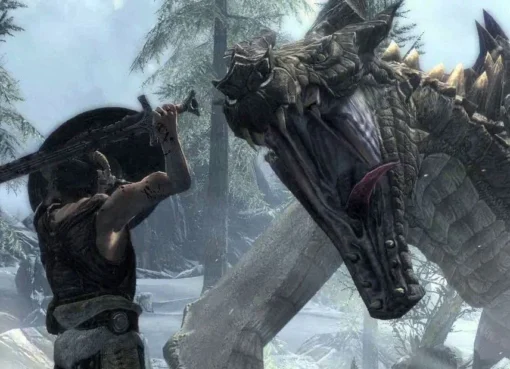
2016: Platinum Winners included Izzy Abdus-Sabur from DigiPen Institute of Technology for Darkest Dungeon, Harrison Barton from DigiPen Institute of Technology for The Stanley Parable, and Alexandra Lucas from DigiPen Institute of Technology for Heavy Rain. Gold Winners analyzed Bioshock Infinite, The Witcher 3, Pokemon Black/White, Undertale, Patapon, Bulletstorm, Aether, Journey, Little Party, Skyrim: Dragonborn, Bastion, Walking Dead Season 2, Metro: Last Light, Child of Light, Hotline Miami, Shin Megami Tensei: Persona 4, and Dragon Age: Origins.
-
2015: Platinum Winners included Trent Steen from Dakota State University for Metal Gear, Alexandra Lucas from DigiPen Institute of Technology for Dragon Age: Origins, and Jorge Montolio from Southern Methodist University for Braid. Gold Winners examined Call of Cthulhu: The Wasted Land, Spec Ops: The Line, Shadow of Mordor, MGS4, Bastion, Walking Dead Season 2, Metro: Last Light, Child of Light, Hotline Miami, Beyond: Two Souls, Psychonauts, Gone Home, Paper Mario, Papers, Please, and The Last of Us.
-
2014: Platinum Winners included Mostafa Haque from Dakota State University for Soul Reaver 2, Pierre Depaz from NYU for XCOM: Enemy Unknown, and Larry Shen from SMU for Shin Megami Tensei: Persona 4. Gold Winners analyzed Darkstalkers 3: Vampire Savior, Metal Gear, Dragon Age: Origins, Dragon Age: Origins, League of Legends, One and One Story, League of Legends, Mass Effect 3, Mass Effect 3, Legend of Zelda: Ocarina of Time, Bioshock, Dishonored, Bully, Psychonauts, Final Fantasy XIII, and Thief: The Dark Project.
-
2013: Platinum Winners included Glenn Winters from Drexel for Journey, Walter Bottlick from Marymount for Alice Madness Returns, and Douglas Lynn from Rochester Institute of Technology for Metroid Prime. Gold Winners reviewed Fallout: New Vegas, EarthBound, Mass Effect 3, Legend of Zelda: Majoras Mask, Bioshock, Dipict 1, Mass Effect 3, The Binding of Isaac, Little Inferno, Aviary Attorney, Yume Nikki (Dream Diary), Way of Samurai 3, Barkley, Shut Up and Jam: Gaiden, Chapter 1 of the Hoopz Barkley SaGa, Final Fantasy XIII, Papers, Please, Dys4ia, and Dishonored.
-
2012: Platinum Winners included Khalil Moutrie from Digipen for Eversion, Dustin Davis from SMU for Red Dead Redemption, and Dustin Davis from SMU for Red Dead Redemption. Gold Winners analyzed Dragon Quest V, Penumbra: Black Plague, Half-Life 2, Ghost Trick: Phantom Detective, Silent Hill 2, and Deus Ex: Human Revolution.
-
2011: Platinum Winners included Patric Delaney from Northern Kentucky University for Grim Fandango, David Savage from Southern Methodist University for Red Dead Redemption, and Samuel Dassler from Digipen for Dragon Quest V. Gold Winners reviewed Silent Hill 2, Mass Effect, Disgaea 3: Absence of Justice, Assassin’s Creed, Shadowbane, Amnesia: The Dark Descent, Baldur’s Gate II: Shadows of Amn, Baldur’s Gate II: Shadows of Amn, Homefront, Knights of the Old Republic, and Super Paper Mario.
-
2010: Platinum Winners included David Henry from DePaul for The Dark Eye, Benjamin Vandergrift from Digipen for Guild War: Prophecies, and Zach Barth from Digipen for Half-Life 2. Gold Winners analyzed The Path, Secret of Monkey Island, Shin Megami Tensei: Persona 4, Halo ODST, Super Metroid, Portal, Uncharted 2, Okami, Killzone 2, Xenosaga 1, Persona 3, Shadow of the Colossus, and The Neverhood.
-
2009: Platinum Winners included Patrick Martin from Digipen for Prey and Derrick Readinger from an unnamed institution for Braid. Gold Winners included Justin Biller from Digipen for Legend of Zelda: Ocarina of Time, Caleb Fisher for Final Fantasy X, Steven Hammond for Resident Evil 4, Ben Johnson for Metal Gear Solid 4: Guns of the Patriots, Adam Middleton for Shadow of the Colossus, Jeff Robinson for Dreamfall: The Longest Journey, Doug Williams for Bioshock, and Alex Lifschitz from Rochester Institute of Technology for Dead Space.
-
2008: The sole Platinum Winner was Erik Osaben from DigiPen for Silent Hill 2. Gold Winners included Mostafa Haque from Dakota State University for Soul Reaver 2, Pierre Depaz from NYU for XCOM: Enemy Unknown, and Larry Shen from SMU for Shin Megami Tensei: Persona 4.
-
2007: The GDC Game Narrative Review program began with a single award, recognizing the outstanding work of Emily M. Peterson from Carnegie Mellon University for her analysis of Eternal Darkness: Sanity’s Requiem.
Supporting Data and Trends in Narrative Analysis
The GDC Game Narrative Review program provides a unique dataset for observing trends in both game design and critical analysis. Over the years, a clear shift can be observed from early, more mechanically focused analyses to later entries that delve deeply into thematic complexity, emotional resonance, and innovative narrative structures.
Initially, many student reviews focused on plot coherence, character arcs, and the integration of narrative with core gameplay loops. As the program matured and the games themselves evolved, so too did the critical approaches. We see a growing emphasis on:
- Environmental Storytelling: Games like Bioshock, Dark Souls, and Outer Wilds have consistently attracted analysis that examines how the game world itself conveys narrative and lore.
- Player Agency and Choice: Titles like Mass Effect, The Walking Dead, and Disco Elysium are frequently analyzed for how player choices impact the narrative outcome and character relationships.
- Emotional Impact and Thematic Depth: Games that explore complex themes of loss, identity, morality, and the human condition, such as Life is Strange, Spiritfarer, and Celeste, receive extensive critical attention for their ability to evoke powerful emotional responses.
- Meta-Narrative and Breaking the Fourth Wall: Games like Slay the Princess, The Stanley Parable, and There Is No Game: Wrong Dimension challenge traditional narrative conventions and are subjects of sophisticated analysis regarding their self-referential and deconstructive approaches.
- Minimalist and Abstract Narratives: Titles like Flower, Journey, and Gris demonstrate that narrative doesn’t always require explicit dialogue or traditional plot structures, and student analyses often explore the power of emergent meaning and sensory experience.
The prevalence of certain game franchises, such as The Last of Us, Bioshock, and The Legend of Zelda series, across multiple years highlights their enduring impact on players and their rich narrative potential for critical study. The increasing inclusion of indie titles, often at the forefront of narrative innovation, also reflects the program’s commitment to recognizing diverse storytelling approaches.
Official Statements and Program Impact
GDC organizers consistently emphasize the program’s value. "The Game Narrative Review program is a cornerstone of our commitment to fostering the next generation of game creators and critics," stated [Insert Fictional GDC Representative Name], [Fictional Title] at the GDC. "We are consistently impressed by the depth of insight and the passion these students bring to their analyses. It’s a testament to the growing importance of narrative in the medium and the incredible talent emerging from our academic institutions."
The program’s impact extends beyond individual recognition. It encourages universities to integrate game narrative analysis into their coursework, thereby strengthening game design education. Furthermore, the archived GNR entries serve as a valuable resource for developers, critics, and students alike, offering a diverse perspective on the art and craft of video game storytelling.
Implications for the Future of Game Narrative
The ongoing success and evolution of the GDC Game Narrative Review program have significant implications for the future of video game storytelling. As players increasingly seek meaningful and impactful experiences, the demand for well-crafted narratives will only grow. The program ensures a continuous pipeline of individuals equipped with the critical thinking and analytical skills necessary to both create and evaluate compelling interactive narratives.
The insights gleaned from these student analyses can inform future game development, pushing boundaries and encouraging innovation in how stories are told through interactive media. By celebrating and showcasing these student achievements, the GDC Game Narrative Review program not only honors current talent but also inspires the storytellers of tomorrow, ensuring that narrative remains a driving force in the evolution of video games. The program’s legacy is one of fostering critical discourse, elevating the art of game narrative, and providing a vital platform for the voices shaping the future of interactive storytelling.