
Unity AI Beta: A Bold Leap into the Future, or a Risky Gambit?
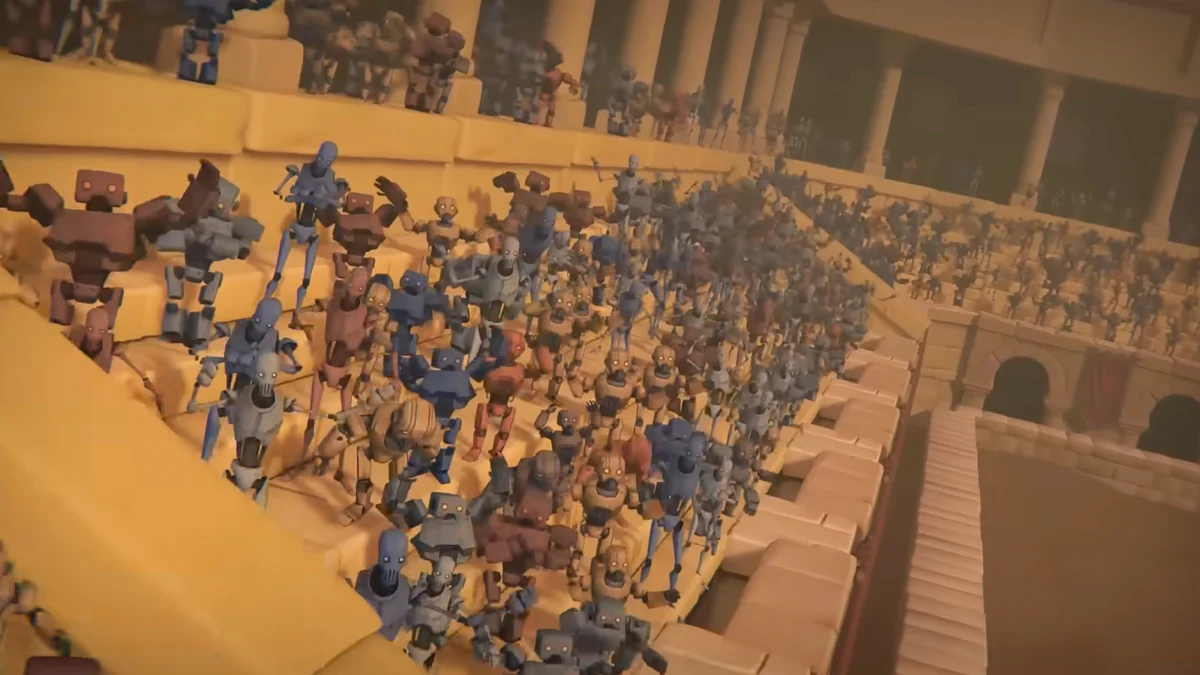
The game development landscape is experiencing a seismic shift with the beta launch of Unity AI, a suite of artificial intelligence tools integrated into the Unity 6 engine. This ambitious development promises to revolutionize game creation, but it also ignites a fierce debate among developers, sparking both excitement for enhanced workflows and anxieties about the future of creative expression in the industry. As Unity navigates this uncharted territory, the question remains: is Unity AI a genuine game-changer or a high-stakes gamble that could alienate its core user base?
The Dawn of an AI-Powered Editor
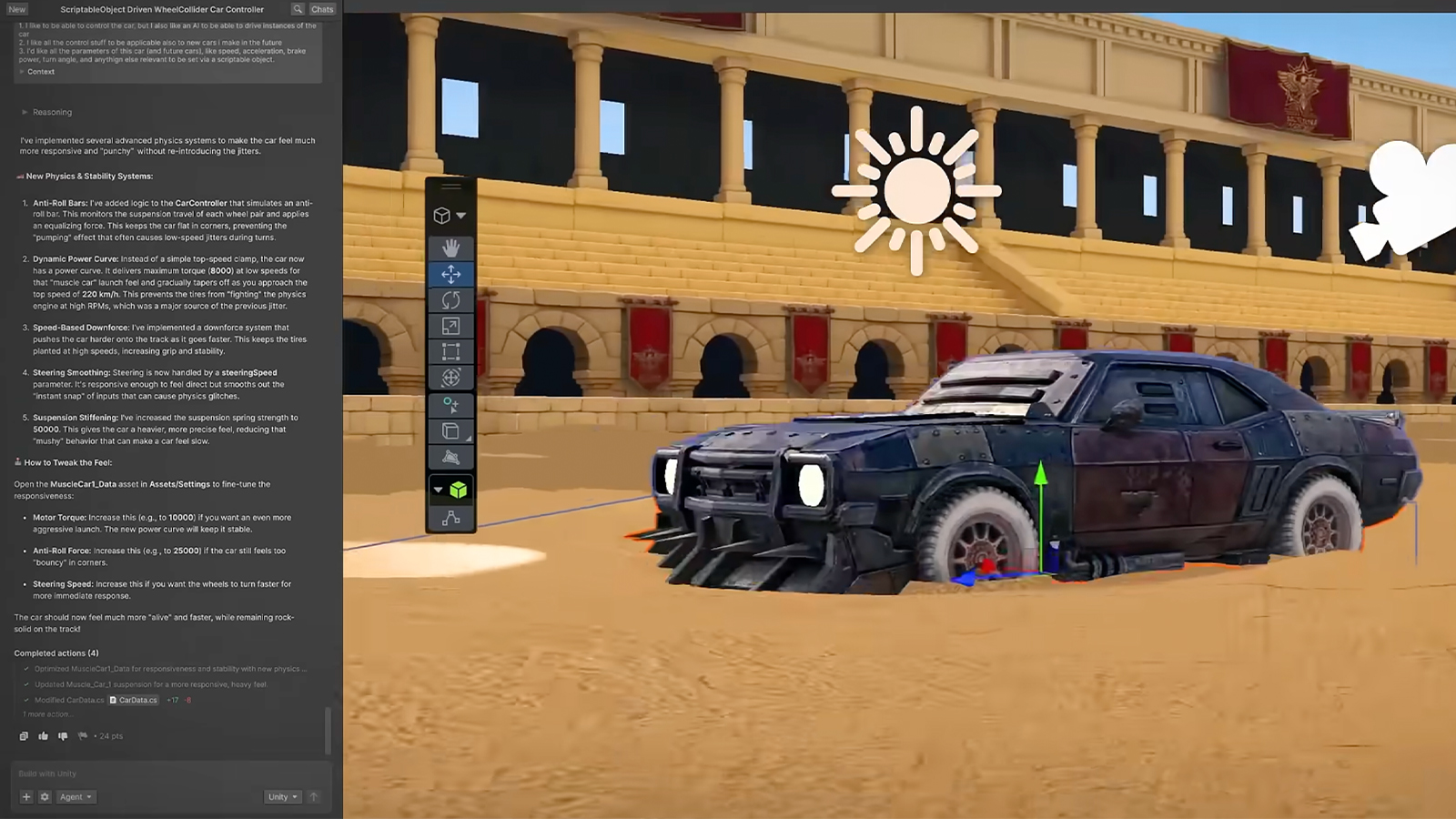
Unity AI, now available in beta for Unity 6, represents a significant departure from traditional game development workflows. Gone are the days when coding was an insurmountable barrier for aspiring game creators. Unity AI aims to transform the editor into an intelligent collaborator, a virtual coder, and an all-encompassing assistant. This paradigm shift is particularly appealing to individuals who have harbored dreams of creating video games but have been deterred by the complexities of programming. The announcement in February of Unity AI’s potential to build entire games from mere textual descriptions generated considerable buzz, and its recent beta release marks a tangible step towards realizing that vision.
However, the introduction of any new AI tool, especially within a creative domain as intricate as video game development, is met with a healthy dose of skepticism. As users delve deeper into the Unity AI beta, it becomes apparent that this is a technology still very much in its formative stages, being refined under the intense scrutiny of public opinion. For Unity, a company that has long vied for dominance in the game development engine market, particularly against the formidable presence of Unreal Engine, Unity AI appears to be a strategic "Hail Mary" play. While its potential is undeniable, a cloud of uncertainty and unanswered questions looms large over its ultimate impact.
Unity AI: Friend or Foe to the Game Developer?
The potential benefits of Unity AI are readily apparent. Imagine the time saved by requesting a custom-designed asset based on a simple concept, or the efficiency gained when the AI pinpoints an error in your scene and offers a direct solution. These features suggest a workflow that acts as a powerful enabler, smoothing out the rough edges of development and allowing creators to focus on innovation rather than tedious tasks. The AI workflow embedded within Unity AI appears to lean towards augmentation rather than outright replacement, but the line between helpful assistance and over-reliance is a fine one, and Unity is treading it carefully.
Early adopters and testers, while acknowledging the nascent nature of the beta, have shared mixed feedback. Reports indicate installation challenges, slow indexing times, and an AI that sometimes struggles to grasp contextual nuances. This suggests that, in its current iteration, Unity AI might inadvertently add another layer of complexity to an already intricate workflow, potentially hindering rather than accelerating the development process. The naming conventions themselves, such as "AI Assistant," "Unity AI," and various "gateways" and "tiers," have contributed to user confusion, leaving many unclear about the distinct functionalities of each component or why certain advanced features are locked behind paywalls.
Beyond the technical and functional aspects, the prevailing sentiment surrounding Unity AI is, to put it mildly, divided. A cursory glance at reactions on platforms like X (formerly Twitter) reveals a spectrum of emotions ranging from genuine concern to cautious optimism. A particularly poignant critique came from developer @veltrixdev, who colorfully expressed, "A shit ton of new low-quality mobile games will be created with this. AI shouldn’t be used to create AI-slop games; it should be used as a tool." This blunt assessment resonates with a broader apprehension that lowering the barrier to entry for game creation, while democratizing the process, could also lead to an inundation of disposable, low-quality content.
Developers Grapple with Mixed Concerns and Expectations
The discourse surrounding Unity AI extends beyond a simple appreciation of its capabilities. On Reddit’s r/Unity3D forum, user GiftedMamba voiced a sentiment shared by many: "There is no point in the most of this ‘AI stuff’. Sprites, animations, code, all those ALWAYS will always be better in specialized tools […] It is another wrong direction for Unity." This perspective highlights a fear that Unity is straying from its established strengths and alienating the developers who have been loyal to the engine for years.
Adding to this concern is the perception that Unity AI is not tailored for the existing indie developer community, but rather for a new, potentially "wrong" demographic. As @honasu on X articulated, "This was Unity’s last real chance to win back their core users… Unity AI isn’t built for indie devs who actually know the engine – it’s aimed at a completely different crowd chasing no-code, fully automated pipelines." This suggests a potential schism within the Unity user base, with some feeling that the engine’s evolution is leaving them behind in favor of a more automated, less hands-on approach.
However, it is not all doom and gloom. A more optimistic segment of the online community views Unity AI not as a betrayal of its core values, but as a necessary and inevitable evolution. @psychebyte on X frames the shift in a more positive light: "People spend so much time on the coding that they often neglect the actual storyline… If that gets automated, devs will have more time to spend on crafting an actually interesting game." This perspective champions AI as a liberator, freeing up developers from the mundane aspects of coding to focus on the more creative and narrative-driven elements of game design.
On Reddit, user ashwin_knan echoed this sentiment, emphasizing that the goal is not for AI to "be creative" but to "kill the grunt work so we can spend time on the stuff that actually matters." They further elaborated on specific areas where Unity AI could significantly improve the development process: "What would help is automating the boring stuff we all know how to do but hate doing: wiring up endless references in the inspector; rebuilding Figma designs again in Unity; profiling across devices (seriously, trying to reproduce a stutter on one random Android phone is hell. That’s the kind of repetitive work I think people’ll happily offload to AI)." This highlights a pragmatic view of AI’s utility, focusing on its potential to alleviate the tedious and time-consuming aspects of game development that often detract from the core creative process.
Implications for the Future of Game Development
The truth is, Unity AI finds itself at the confluence of significant tension, palpable anger, and undeniable optimism. Its potential to streamline workflows and empower newcomers is substantial. However, in its current beta form, it is described as messy, inconsistent, and occasionally frustrating, further compounded by a pricing model that can make experimentation a costly endeavor. Unity AI does not yet present a fully realized vision; rather, it appears to be a direction Unity has committed to and is actively developing in real-time, with the world watching, hoping its progress will be impressive enough to quell the burgeoning anti-AI sentiment.
So, is Unity AI merely hype, or does it hold genuine utility? As of now, the answer lies somewhere in the middle. It possesses the potential to fundamentally alter how developers work within the Unity engine. Yet, there is a palpable risk that it could lean too heavily into automation, prioritizing scale over craftsmanship and, in doing so, alienate the very developers who have long cherished and relied upon the engine. Unity’s commitment to this path, and its bravery in doing so under intense public scrutiny, signifies that there is no turning back. The success of Unity AI will hinge on its ability to strike a delicate balance, leveraging the power of artificial intelligence to augment human creativity without undermining the artistry and dedication that define the world of game development. The coming months will be crucial in observing how Unity addresses the concerns of its community and refines its AI tools to foster a more collaborative and creatively fulfilling future for all game makers.



Leave a Comment