
Justice League Unlimited RPG: Mark Waid Helms Tabletop Return to DC Universe This July
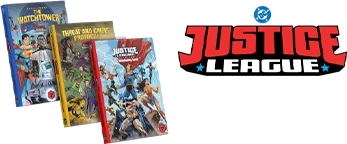
Miami, USA – April 30th – A new era for tabletop roleplaying games (TTRPGs) within the DC Universe is set to begin this July, as Brazilian publisher D20 Culture, in collaboration with Warner Bros. Discovery Global Consumer Products (WBDGCP), prepares to launch the crowdfunding campaign for Justice League Unlimited The Roleplaying Game. This highly anticipated project, co-authored by the celebrated DC comic writer Mark Waid, marks the first official TTRPG to immerse players in the rich tapestry of DC’s iconic heroes and villains in nearly two decades. The campaign will officially kick off on Gamefound, inviting fans to forge their own legends and redefine heroism in a universe profoundly shaped by recent comic events.
Main Facts: A Resurgent Dawn for DC Tabletop
The announcement, originating from Miami, heralds a significant moment for both the tabletop gaming community and long-standing fans of DC Comics. Justice League Unlimited The Roleplaying Game promises a narrative-driven experience where players are not merely observers but active participants in shaping the destiny of the DC Universe. This is no small feat, given the extensive lore and beloved characters that define DC’s legacy.
At its core, the game empowers players with unprecedented freedom. They can choose to embody established paragons of justice, stepping into the formidable boots of legendary figures, or craft entirely unique heroes from the ground up. This duality ensures both accessibility for newcomers eager to play their favorite icons and deep creative potential for veterans seeking to leave their own mark on the DC canon. The game’s setting is particularly noteworthy, drawing inspiration from Amanda Waller’s impactful actions in the recent DC comic book series Absolute Power. This narrative foundation introduces an "Unlimited" Justice League, operating from a freshly established satellite known as the Watchtower, a beacon of hope and a sanctuary for heroes from all walks of life.
The involvement of Mark Waid, a name synonymous with some of DC’s most seminal storylines, underscores the project’s commitment to authenticity and narrative depth. Waid’s vast experience in crafting compelling superhero narratives is expected to infuse the game with a genuine understanding of what makes DC heroes resonate with audiences globally. D20 Culture, known for its expertise in translating major intellectual properties into engaging tabletop experiences, has designed a system that prioritizes player interpretation, collaboration, and the evolving moral compass of each hero. The crowdfunding campaign on Gamefound will serve as the gateway for enthusiasts to support this ambitious endeavor and secure their place in the burgeoning ranks of the Justice League Unlimited.
A New Era for DC Tabletop Gaming: Chronology of Development
The journey leading to the announcement of Justice League Unlimited The Roleplaying Game has been a meticulous one, culminating in the April 30th reveal from Miami. While the specific duration of the development cycle remains undisclosed, the sheer ambition of the project — to create the first official DC Universe RPG in nearly two decades — suggests a considerable period of conceptualization, design, and rigorous testing by D20 Culture. The partnership with Warner Bros. Discovery Global Consumer Products is a critical component, providing the necessary license and oversight to ensure the game remains true to the expansive DC canon while venturing into new narrative territories.
The gap of "almost two decades" since the last official DC Universe RPG is a salient point, highlighting the unique position Justice League Unlimited The Roleplaying Game occupies. Prior attempts at bringing DC’s heroes to the tabletop, such as the DC Heroes Role-Playing Game by Mayfair Games in the 1980s and the DC Adventures Roleplaying Game by Green Ronin Publishing in the early 2000s, garnered dedicated followings but never quite achieved the mainstream penetration seen in other fantasy or sci-fi RPGs. This long hiatus has left a significant void, one that D20 Culture and Mark Waid are now poised to fill with a modern, narrative-focused system tailored for contemporary RPG sensibilities.
Mark Waid’s involvement is not merely a branding exercise; it’s a testament to the project’s narrative integrity. A veteran comic book writer whose career spans decades, Waid is renowned for his runs on titles such as Kingdom Come, The Flash, JLA, and Superman: Birthright. His deep understanding of character, continuity, and the underlying mythos of the DC Universe positions him as an ideal architect for a system designed to honor and expand upon these narratives. While Waid’s primary experience lies in comic writing, his affinity for storytelling and world-building translates seamlessly into the realm of TTRPGs, where immersive narratives are paramount.
The strategic choice of Gamefound for the crowdfunding campaign is also significant. Gamefound has rapidly emerged as a premier platform for tabletop game projects, known for its user-friendly interface and robust support for creators and backers alike. The July launch window is perfectly timed to build anticipation, allowing D20 Culture to engage with prospective players, gather feedback, and cultivate a vibrant community even before the game hits the tables. Following the successful crowdfunding, the development roadmap would typically involve further refinement, production, and eventual fulfillment, with D20 Culture likely planning for ongoing support through expansions and supplementary materials, cementing Justice League Unlimited The Roleplaying Game as a lasting entry in the TTRPG landscape.
Diving Deep into the DC Universe: Supporting Data and Mechanics
Justice League Unlimited The Roleplaying Game is meticulously crafted to offer an authentic yet innovative DC experience. Its mechanics and setting elements are designed to immerse players fully into a world of incredible powers, daunting responsibilities, and complex moral quandaries.
Setting the Stage: Absolute Power and the Unlimited Watchtower
The decision to set the game in a universe influenced by Amanda Waller’s actions in the Absolute Power comic book series provides a compelling backdrop for adventure. Absolute Power explored a dramatic shift in the status quo, often involving controversial government oversight and the manipulation of metahumans. This choice suggests a narrative environment rife with political intrigue, ethical dilemmas, and a heightened sense of urgency for heroes. Players will likely confront the fallout of Waller’s machinations, forcing them to navigate a world where public trust might be eroded, and the lines between hero and villain could be blurred more than ever before.
Within this context, the "Unlimited" Justice League emerges as a necessary response. Operating from a new, advanced satellite called the Watchtower, this incarnation of the League is depicted as a more inclusive organization, welcoming "all heroes to join its ranks." This expanded roster dramatically broadens the scope of possible player characters and non-player characters, reflecting a more diverse and interconnected heroic community. The Watchtower itself serves not only as a strategic base but also as a symbol of unity and a hub for collaborative heroism, offering players access to cutting-edge technology, intelligence networks, and a diverse pool of allies.
Crafting Your Own Legend: Character Creation and Archetypes
Character creation is heralded as a core aspect of the game, granting players "complete freedom to bring their own vision of a hero to life." This freedom is facilitated by a "vast array of races and philosophies," allowing for truly unique heroes. Players can choose from:
- Amazons: Warriors born of myth and trained in martial prowess, often embodying ideals of truth and justice.
- Kryptonians: Beings of immense power under a yellow sun, grappling with their alien heritage and the responsibility that comes with god-like abilities.
- Meta-Humans: Individuals who gained powers through mutation, scientific accident, or latent genetic potential, reflecting the diverse origins of many iconic DC heroes.
- Cyber Constructs: Artificial intelligences or beings enhanced by advanced technology, exploring themes of humanity, artificiality, and the intersection of biology and machinery.
Beyond racial origins, players will craft detailed backstories that define their motivations, approaches to conflict, and personal philosophies. The game encourages the development of distinct hero archetypes, moving beyond simple power sets to embrace deeper character roles. Examples provided include:
- The Champion of Tomorrow: A beacon of hope and inspiration, perhaps with powers focused on defense, support, or overwhelming displays of virtue.
- The Dark Knight: A master of strategy, stealth, and intimidation, using fear as a weapon against the criminal underworld.
- The Brilliant Tactician: A hero whose greatest power lies in their intellect, capable of outmaneuvering foes and solving complex problems through sheer genius.
- The Empathic Healer: A character focused on restoring peace, healing wounds, and fostering understanding, perhaps possessing powers of empathy, restoration, or calming influence.
- The Unstoppable Force: A hero defined by their sheer physical prowess, resilience, and unwavering determination in the face of insurmountable odds.
This emphasis on archetypes and backstories ensures that each character feels deeply integrated into the narrative, providing rich roleplaying opportunities and contributing meaningfully to the overarching saga.
The Weight of the Mantle: Moral Codes and "Tacit Clauses"
A distinguishing feature of Justice League Unlimited The Roleplaying Game is its profound exploration of what it truly means to be a hero. The narrative transcends mere villain-bashing, delving into the "profound responsibility of bearing this mantle." This is mechanically represented by the "Tacit Clauses" — five fundamental questions that players answer at the game’s outset. These clauses are designed to define each character’s moral code, serving as a guiding star for their actions and decisions throughout the game.
For instance, these questions might probe a hero’s stance on lethal force, the sanctity of secret identities, the balance between personal life and heroic duty, the boundaries of intervention in global affairs, or the willingness to sacrifice for the greater good. A hero might commit to "Never taking a life, regardless of the foe," while another might agree to "Utilize any means necessary to protect the innocent." These clauses aren’t just character flavor; they are expected to influence gameplay, introducing moral dilemmas, internal conflicts, and opportunities for players to genuinely roleplay the ethical challenges inherent in superheroism. This system aims to foster a nuanced understanding of heroism, where choices have consequences and a character’s moral integrity is as important as their physical might.
The Engine of Heroism: Ascension Points and Evolving Powers
D20 Culture has engineered the game’s system to be a robust tool for creating heroic sagas, promoting "interpretation and collaboration between players and the ‘Editor’ running the game." The Editor, the game master equivalent, facilitates the narrative, allowing players to "narrate their heroes’ deeds" within a structured yet flexible framework.
Central to character progression is the use of Ascension Points (PAX). These points allow players to customize their core Attributes, such as Potency (raw strength/power), Agility (speed, dexterity, reflexes), Mind (intelligence, willpower, perception), and others. As heroes gain experience and achieve heroic feats, PAX can be spent to not only enhance these attributes but also to purchase and evolve powers. The game promises a spectacular power scale, with abilities evolving over time, eventually allowing heroes to "wield magic on a planetary scale" or achieve other equally impressive feats.
The array of available powers is diverse and quintessential to the DC Universe:
- Super Strength: The ability to lift immense weights, smash through obstacles, and deliver devastating blows.
- Flight: Granting heroes the freedom of the skies, crucial for rapid transit and aerial combat.
- Speed Force: Tapping into the fundamental energy of motion, allowing for incredible velocity, perception, and vibrational powers.
- Magic: Accessing mystical energies for spells, enchantments, and reality manipulation.
- Telepathy: The power to read minds, communicate mentally, and influence thoughts.
- Technological Exoskeletons: Advanced suits of armor providing enhanced capabilities, weaponry, and protection.
- Lantern Rings: Iconic conduits of willpower, fear, or other emotions, allowing for energy constructs and cosmic power.
This system ensures that heroes feel genuinely powerful and that their growth is both mechanically satisfying and narratively compelling, leading to truly epic deeds.
Dynamic Storytelling: Scenes of Heroic Deeds
The game is designed to unfold in a series of dynamic scenes, moving beyond simple combat encounters to encompass the full spectrum of superheroic life. While the initial provided list of specific scenes was empty, a narrative-driven RPG of this caliber would undoubtedly feature a rich variety of scenario types, including:
- Investigation Scenes: Where heroes must use their intellect, perception, and connections to uncover plots, track villains, or solve mysteries. This could involve forensic analysis, interrogation, or reconnaissance.
- Confrontation Scenes: High-stakes encounters with villains, ranging from one-on-one duels to large-scale battles involving multiple threats and environmental hazards.
- Rescue Operations: Scenarios focused on saving civilians from disasters, traps, or hostile forces, often requiring quick thinking and creative use of powers.
- Crisis Management: Dealing with large-scale threats such as natural disasters, alien invasions, or technological breakdowns, where heroes must coordinate efforts to minimize damage and protect populations.
- Social and Diplomatic Engagements: Interactions with world leaders, scientific communities, or even reformed villains, where a hero’s charisma and diplomatic skills are tested.
- Training and Development: Opportunities for heroes to hone their skills, learn new powers, or undergo personal growth arcs, often involving challenges or mentorship.
- Exploration Scenes: Venturing into unknown territories, other dimensions, or forgotten ruins in search of artifacts, information, or lost allies.
- Moral Dilemma Encounters: Situations where a hero’s "Tacit Clauses" are truly tested, forcing difficult choices with significant ethical consequences.
These dynamic scenes, orchestrated by the Editor, promise a vibrant and constantly evolving narrative tapestry, ensuring that no two campaigns will ever be quite the same.
Voices from the Vanguard: Official Responses
The announcement has been met with palpable excitement, and the official statements from the project’s key figures underscore the passion and ambition driving Justice League Unlimited The Roleplaying Game.
Peterson Rodrigues, CEO at D20 Culture, articulated the profound responsibility and honor inherent in working with such an iconic franchise: "For over 85 years, DC has been the home of the world’s greatest superheroes with incredible stories. Working with comic legend Mark Waid to create something new in this universe has been such an honor. With the Justice League Unlimited Roleplaying Game we are really pushing our work to new heights to create an original and bold system for players to immerse themselves in the tales of the Justice League, we cannot wait to bring this to audiences across the world." Rodrigues’ statement highlights D20 Culture’s commitment not just to adapting an existing IP, but to innovating within it, promising an "original and bold system" that will captivate global audiences. His emphasis on "pushing our work to new heights" suggests a game that will challenge conventional TTRPG design while remaining deeply respectful of its source material.
Mark Waid, co-author of the project and long-time DC comic writer, shared his enthusiasm for the unique storytelling potential of tabletop games: "Tabletop games have such an amazing opportunity to bring new stories to fans and allow them to experience these beloved worlds and characters in a whole new way. Approaching Justice League Unlimited Roleplaying Game my priority has been to set up a new story that fits authentically into this canon and builds upon it to provide a narrative playground for players to make their own. I can’t wait to reveal more so stay tuned." Waid’s perspective as a seasoned comic writer brings invaluable insight into crafting narratives that feel authentic to the DC Universe while offering players the freedom to carve their own path. His promise of a "narrative playground" that "builds upon" existing canon is particularly exciting, indicating that the game will offer fresh perspectives and challenges without alienating long-time fans. The tantalizing "stay tuned" suggests that further details and revelations about the game’s intricate lore and mechanics are eagerly awaited.
While no direct quote from Warner Bros. Discovery Global Consumer Products was provided in the initial release, their partnership with D20 Culture speaks volumes. WBDGCP’s mission is to extend their powerful portfolio of entertainment brands into the lives of fans worldwide, and a high-quality TTRPG is a perfect vehicle for this. This collaboration signifies a strong vote of confidence in D20 Culture’s ability to deliver a product that meets the high standards associated with the DC brand, further cementing the game’s legitimacy and potential for widespread appeal.
Implications for the Future of Tabletop and DC
The launch of Justice League Unlimited The Roleplaying Game carries significant implications for various facets of the entertainment industry, from the tabletop gaming landscape to the broader DC narrative universe.
Reinvigorating a Genre
The most immediate impact will be on the TTRPG community. The return of a major intellectual property like DC to the tabletop scene after such a prolonged absence is a powerful statement. It signals a renewed interest from major entertainment companies in the unique, immersive storytelling capabilities of TTRPGs. This game has the potential to attract a new generation of players, particularly those familiar with DC through comics, films, and animation but new to tabletop gaming. Its narrative-driven approach and focus on character ethics could serve as an accessible entry point, demonstrating the depth and flexibility of the medium. Furthermore, it sets a precedent for how other major IPs might approach their own TTRPG adaptations, potentially sparking a wave of high-quality licensed games that prioritize narrative and player agency.
D20 Culture’s Ascendancy
For D20 Culture, this project represents a significant leap forward. Already a rising star in the boutique tabletop game publishing world, with titles based on The Lord of the Rings and Ben 10, securing the DC license, particularly with Mark Waid at the helm, elevates their profile considerably. It solidifies their reputation as a studio capable of handling world-class entertainment franchises with premium production values and deep, lore-accurate mechanics. This success could pave the way for D20 Culture to pursue even more ambitious projects, further expanding their portfolio of high-fidelity gaming experiences for iconic worlds. Their expertise in bridging the gap between massive global IPs and compelling gameplay will be further showcased by the success of Justice League Unlimited The Roleplaying Game.
Expanding the DC Narrative Canvas
The choice of a post-Absolute Power setting for the game is a clever strategic move. It allows for fresh storytelling opportunities without being strictly beholden to current comic book continuity, which is constantly evolving. By establishing an "Unlimited" Justice League with a new Watchtower, the game creates a sandbox where players can explore the consequences of established comic events while forging entirely new paths. This player-driven narrative, coupled with the emphasis on moral choices through the "Tacit Clauses," enriches the DC lore by exploring the human (and superhuman) element of heroism in a deeply personal way. It offers a new dimension to how fans interact with the DC Universe, moving beyond consumption to active creation, potentially influencing future comic and media narratives through popular fan interpretations. The inherent flexibility of an RPG allows for exploration of themes and character arcs that might not fit neatly into a linear comic series, expanding the very definition of what a "DC story" can be. The system’s capacity for powers to evolve to a "planetary scale" also hints at the potential for truly cosmic and world-altering campaigns, tapping into the grand scope often associated with DC’s biggest events.
The Crowdfunding Model and Community Engagement
Launching on Gamefound is more than just a funding mechanism; it’s a strategy for community building and engagement. Crowdfunding platforms allow creators to connect directly with their audience, gather feedback, and build excitement long before a product reaches retail shelves. This approach fosters a sense of ownership among backers, who become integral to the project’s success. It is highly anticipated that the campaign will feature various backer tiers, offering exclusive content, limited editions, and potentially early access to digital materials. Stretch goals, a common feature of such campaigns, will likely unlock additional content, such as new character options, villain profiles, campaign modules, or even physical components, further enriching the game and rewarding early supporters. This collaborative model ensures that Justice League Unlimited The Roleplaying Game arrives not just as a product, but as a community-backed endeavor, poised for sustained success and future expansions.
In conclusion, Justice League Unlimited The Roleplaying Game is poised to be more than just another licensed product; it represents a significant milestone for the tabletop industry and the DC Universe alike. With Mark Waid’s narrative genius and D20 Culture’s proven publishing prowess, the game promises to offer an unparalleled opportunity for players to step into the boots of heroes and define their own legacy in a world that desperately needs them. The crowdfunding campaign on Gamefound this July is not just an opportunity to acquire a game, but to participate in the genesis of a new chapter in DC’s illustrious history.
Justice League Unlimited: The Roleplaying Game’s campaign will launch on Gamefound this July. Sign up to be notified of the official launch and more information here.
For more information please contact: Georgina Vincent, Associate Director at Swipe Right on [email protected]
About Warner Bros. Discovery Global Consumer Products
Warner Bros. Discovery Global Consumer Products (WBDGCP), part of Warner Bros. Discovery’s Revenue Strategy division, extends the company’s powerful portfolio of entertainment brands and franchises into the lives of fans around the world. WBDGCP partners with best-in-class licensees globally on award-winning toy, fashion, home decor, and publishing programs inspired by the biggest franchises from Warner Bros. film, television, animation, and games studios, HBO, Discovery, DC, Cartoon Network, HGTV, Eurosport, Adult Swim, and more. With innovative global licensing and merchandising programs, retail initiatives, and promotional partnerships, WBDGCP is one of the leading licensing and retail merchandising organizations in the world.
About DC
DC, part of Warner Bros. Discovery, creates iconic characters and enduring stories and is one of the world’s largest publishers of comics and graphic novels. DC’s creative work entertains audiences of every generation around the world with DC’s stories and characters integrated across Warner Bros. Discovery’s film, television, animation, consumer products, home entertainment, games, and themed experiences divisions, and on the DC Universe Infinite digital comic subscription service. Learn more at DC.com.
About D20 Culture
D20 Culture is a high-growth boutique tabletop game publisher and development studio specializing in bringing world-class entertainment franchises to the gaming table. We bridge the gap between massive global IPs and high-fidelity gaming experiences, combining premium production values with deep, lore-accurate mechanics. An Official Warner Bros Discovery partner, D20 Culture develops board games and RPGs for The Lord of the Rings, DC, Ben 10 and much more, bringing these iconic worlds to gamers everywhere.


Leave a Comment