The Unseen Architect: Exploring Metaphysical Consciousness in a Modern World
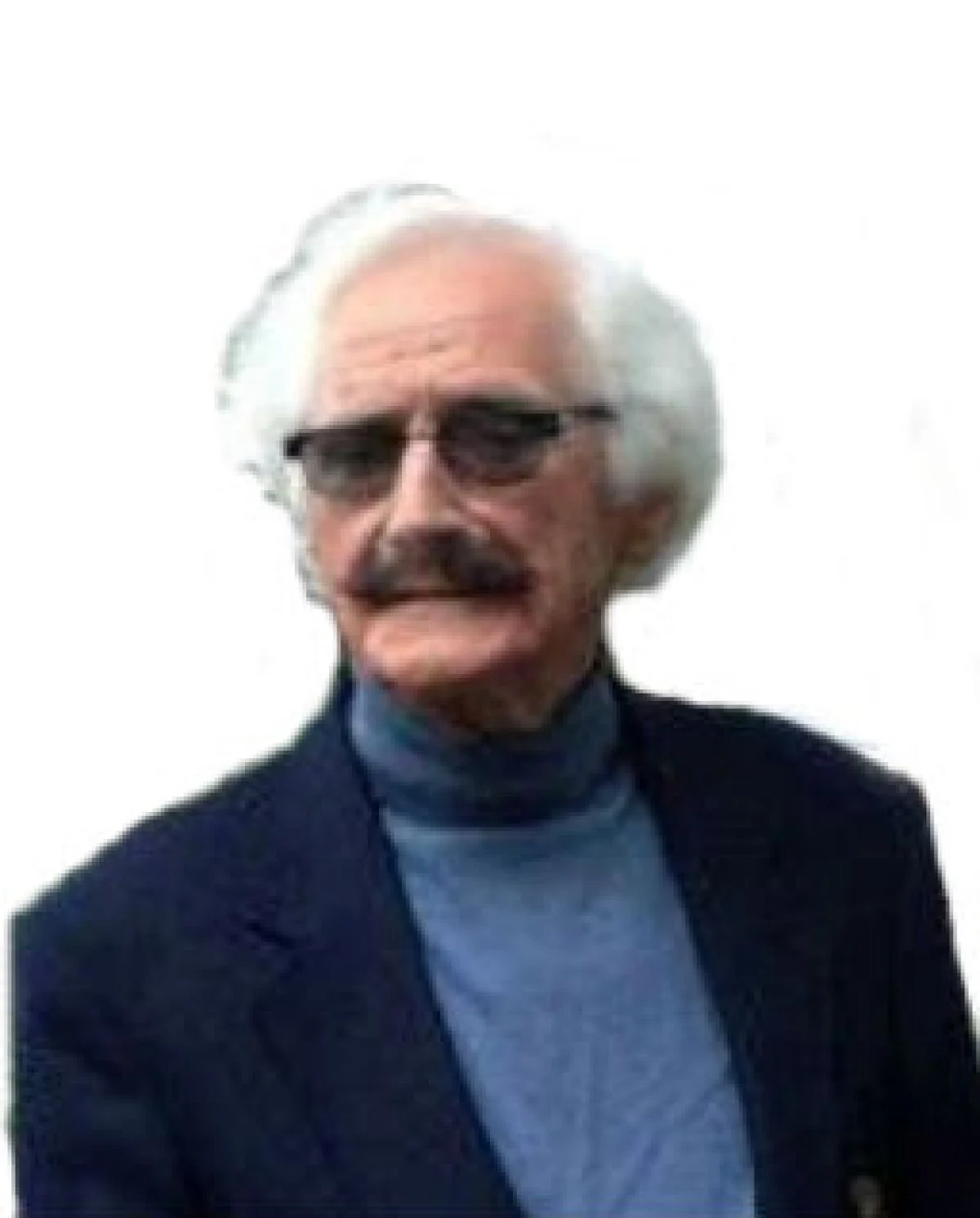
By [Your Name/Journalist Name]
In an era dominated by tangible evidence and empirical data, the concept of "purpose" often feels elusive, both for individuals and for the collective human experience. This profound existential inquiry, a cornerstone of philosophical and psychological exploration, was recently brought into sharp relief during a chance encounter at a local coffee shop. While waiting for his car to be serviced, a retired university professor specializing in philosophy and psychology found himself in a familiar yet thought-provoking conversation with two university students. Their queries, as they often do when his academic background is revealed, inevitably turned towards the fundamental questions of existence and the driving forces behind human action.
The Enduring Quest for Purpose: A Historical and Contemporary Paradox
The professor’s initial response to the students’ questions about purpose was candid: "It was not easy to talk about purpose." This difficulty, he explained, stems from a historical paradox. Throughout recorded history, humanity has been marked by conflict and suffering, with nations and individuals often engaged in destructive pursuits rather than unified endeavors. The professor lamented the persistent lack of benevolent and spiritually tolerant attitudes between people and across borders, highlighting the ongoing struggles for peace and understanding.
However, this somber reflection was not without its counterpoints. The professor then pivoted to the burgeoning landscape of global altruism. He pointed to the indispensable work of charitable organizations worldwide, citing Doctors Without Borders as a prime example of humanistic endeavor. He spoke with admiration of the nurses and doctors who bravely serve in perilous regions, risking their lives and careers out of a profound sense of compassion and an altruistic drive to alleviate suffering. These individuals, he emphasized, are propelled by an intrinsic force – the human spirit – that compels them to venture into dangerous territories, transcending personal safety for a greater moral imperative. This commitment to serving others, even at great personal cost, offers a powerful testament to the enduring capacity for good within humanity.
Unveiling the Metaphysical: Beyond the Senses
It was at this juncture that the discussion turned towards a more abstract yet crucial concept: the significance of the word "metaphysical." The professor noted with some surprise that only one of the two students grasped its meaning. He elaborated that "metaphysical" denotes a level of awareness in human consciousness that extends beyond the observable world, reaching beyond the immediate perceptions of our five senses.
Metaphysical awareness, he posited, is characterized by a continuous, silent dialogue – an internal exploration fueled by our innate questing imagination. This dialogue grapples with the "how" and "why" of our psychological complexity, driven by what has historically been described as "spirit" or, more specifically, the "human spirit." This inner drive, this intangible force, shapes our understanding of ourselves and our place in the universe.
Aristotle’s Legacy: The Abstract Nature of Thought
To further illuminate this concept, the professor invoked the insights of the ancient Greek scientist and philosopher Aristotle. He explained that Aristotle coined the term "metaphysical" to describe the abstract nature of this mental activity. The prefix "meta," meaning "beyond" or "after," signifies a realm that transcends the physical. This introduces the concept of mind as a distinct level of awareness, encompassing thoughts, ideas, feelings, hunches, and ruminations. These, the professor suggested, are all manifestations of an intuitive range of consciousness, often described as inspirational and serving the forces of spirit, which in turn are believed to be instigated by the soul.
This perspective frames human consciousness as a duality: the outwardly directed, rational, and sensory brain, and the inwardly directed, intuitive, and spiritual brain. Together, these two facets form the intricate mental partnership we collectively refer to as the "mind."
The Disconnect: Modern Consciousness and the Inner Realm
The professor’s attempt to engage the students on the unique nature of their own personalities, a topic intrinsically linked to this metaphysical dimension, was met with a surprising lack of engagement. "When I asked these two young men if they ever pondered the unique nature of their own personalities," he recounted, "I received a couple of blank looks." This observation underscores a potential disconnect in contemporary education and societal discourse, where the exploration of the inner, intuitive, and spiritual aspects of human experience may be overshadowed by a focus on the empirical and the tangible.
As their coffee cups emptied and the time for departure neared, the professor sought to leave the students with a lasting intellectual imprint. He recalled the words of the late Wilder Penfield, a preeminent Canadian neuroscientist and brain surgeon. Penfield, in his groundbreaking work, described the "mind" as a "non-temporal, non-spatial entity." This definition, the professor concluded, perfectly encapsulates the metaphysical nature of consciousness – an existence that transcends the limitations of physical time and space.
Supporting Data: The Growing Interest in Mindfulness and Consciousness Studies
While the professor’s anecdote highlights a potential gap in engagement with metaphysical concepts among some young adults, broader societal trends suggest a burgeoning interest in the inner workings of the mind and consciousness. The global rise of mindfulness practices, meditation apps, and the increasing academic and public fascination with consciousness studies offer compelling supporting data.
- Mindfulness and Meditation: The proliferation of mindfulness and meditation techniques, often rooted in ancient spiritual traditions, speaks to a widespread desire to cultivate inner awareness and reduce stress. Platforms like Headspace and Calm have amassed millions of users, indicating a significant public appetite for tools that facilitate introspection and mental well-being. This trend suggests a subconscious yearning to connect with aspects of consciousness that lie beyond the purely rational.
- Neuroscience and Philosophy of Mind: The academic fields of neuroscience and the philosophy of mind are experiencing a renaissance. Researchers are increasingly exploring the neural correlates of consciousness, subjective experience, and the mind-body problem. The "hard problem of consciousness" – explaining how subjective experience arises from physical processes – remains a central enigma, driving interdisciplinary research and public discourse. This indicates a professional and intellectual commitment to understanding the more elusive dimensions of human awareness.
- The "Spiritual But Not Religious" Phenomenon: Surveys consistently show a growing segment of the population identifying as "spiritual but not religious." This demographic often seeks meaning and purpose through personal introspection, nature, and interconnectedness, rather than through organized religious dogma. This societal shift underscores a desire for experiences and beliefs that transcend the material world, aligning with the broader concept of metaphysical exploration.
- Popular Culture and Media: Themes of consciousness, altered states, and the nature of reality are frequently explored in popular culture, from films and television shows to literature and video games. This widespread engagement with such themes, even if often fictionalized, suggests a cultural receptiveness to ideas that challenge conventional, materialist worldviews.
These trends, while varied in their origins and expressions, collectively point to a growing societal interest in exploring the dimensions of human experience that extend beyond the purely empirical and sensory. They suggest that while explicit discourse on "metaphysical" concepts might be limited, the underlying curiosity and desire to understand our inner selves and the broader nature of reality are very much alive.
Official Responses and Academic Perspectives
The academic and scientific communities, while diverse in their approaches, are increasingly acknowledging and investigating the facets of human consciousness that extend beyond the strictly observable.
- Psychology and Philosophy Departments: Universities continue to offer courses and conduct research in philosophy of mind, consciousness studies, existential psychology, and transpersonal psychology. These fields directly engage with questions of purpose, meaning, and the nature of subjective experience, often drawing on historical philosophical traditions and contemporary scientific findings.
- Neuroscience Initiatives: While neuroscience traditionally focuses on the brain’s physical mechanisms, leading researchers are grappling with how these mechanisms give rise to consciousness. Initiatives like the Templeton World Charity Foundation’s funding for consciousness research aim to bridge the gap between empirical science and the subjective, often described as "metaphysical," aspects of human experience.
- Interdisciplinary Conferences: The proliferation of interdisciplinary conferences and symposiums dedicated to consciousness, cognition, and the mind reflects a growing recognition that these complex phenomena require a multifaceted approach, integrating insights from neuroscience, psychology, philosophy, and even contemplative traditions.
These official responses, whether through academic curricula, research funding, or scholarly discourse, demonstrate a formal engagement with the very questions that the professor encountered in his coffee shop conversation. While the language may differ – employing terms like "subjective experience," "qualia," or "emergent properties" – the underlying pursuit of understanding the non-material aspects of existence remains a significant area of inquiry.
Implications: Navigating the Duality of Existence
The encounter between the professor and the students, though brief, offers profound implications for how we understand and engage with the concept of purpose in the 21st century.
- The Importance of Philosophical Literacy: The professor’s observation that one student was unfamiliar with the term "metaphysical" highlights a potential deficit in philosophical literacy. In an age where scientific understanding is paramount, the ability to engage with abstract concepts, to question the nature of reality, and to explore the foundations of human experience is crucial for a well-rounded understanding of ourselves and the world.
- Reintegrating the Inner and Outer Worlds: The duality of consciousness – the rational/sensory and the intuitive/spiritual – suggests that a holistic approach to understanding ourselves requires acknowledging and cultivating both aspects. Overemphasis on one at the expense of the other can lead to an incomplete or unbalanced perspective on life and purpose.
- The Enduring Power of Altruism and Compassion: The professor’s emphasis on organizations like Doctors Without Borders serves as a powerful reminder that purpose can be found in selfless action and compassion. The "human spirit" driving such endeavors is a tangible force, even if its origins are metaphysical.
- Cultivating Introspection in Education: The "blank looks" from the students could indicate a need for educational systems to foster introspection and the exploration of personal identity and meaning. Beyond academic achievement, nurturing a student’s capacity for self-reflection and existential inquiry is vital for their personal growth and well-being.
- The Metaphysical as a Foundation for Meaning: Ultimately, the concept of metaphysical awareness, as described by the professor and echoed by thinkers like Wilder Penfield, suggests that our sense of purpose may be rooted in something that transcends the material. Understanding this dimension can provide a deeper, more enduring source of meaning, even amidst the complexities and challenges of the observable world.
In conclusion, the seemingly simple conversation in a coffee shop serves as a microcosm of a larger societal dialogue. It underscores the enduring human quest for purpose, the profound significance of metaphysical consciousness, and the ongoing challenge of integrating our rational minds with our intuitive spirits. As we navigate an increasingly complex world, the exploration of these deeper dimensions of human experience, from Aristotle’s philosophical inquiries to the selfless actions of modern-day humanitarians, remains not just an academic pursuit, but a fundamental aspect of what it means to be human.