
The Suez Canal: Britain’s Imperial Lifeline and its Dramatic Demise
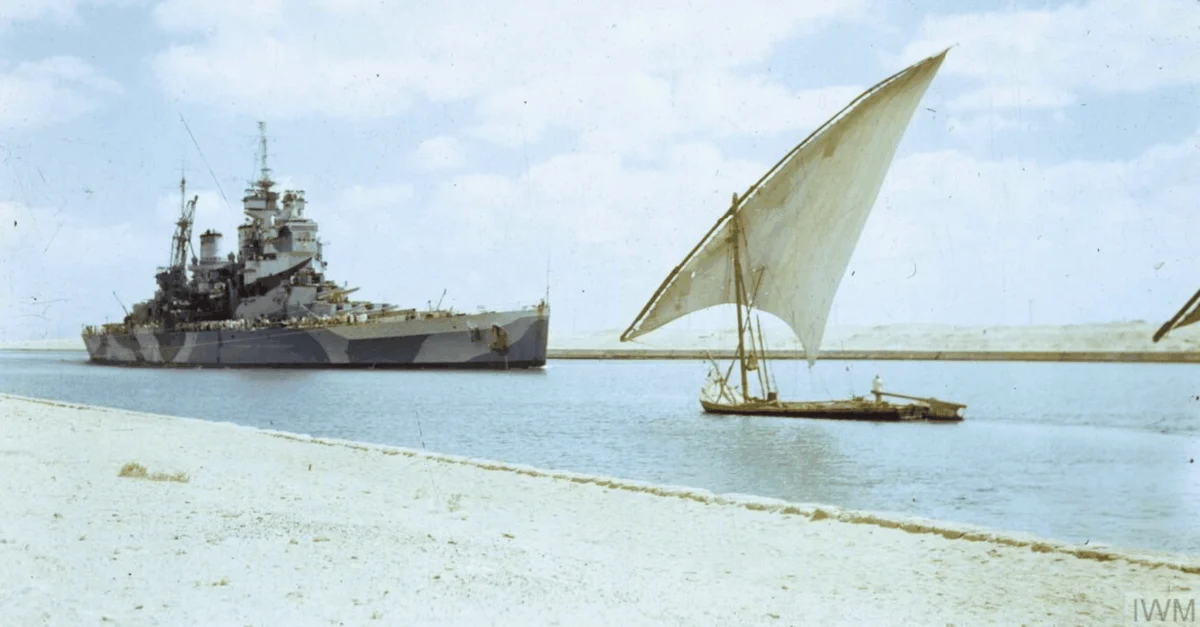
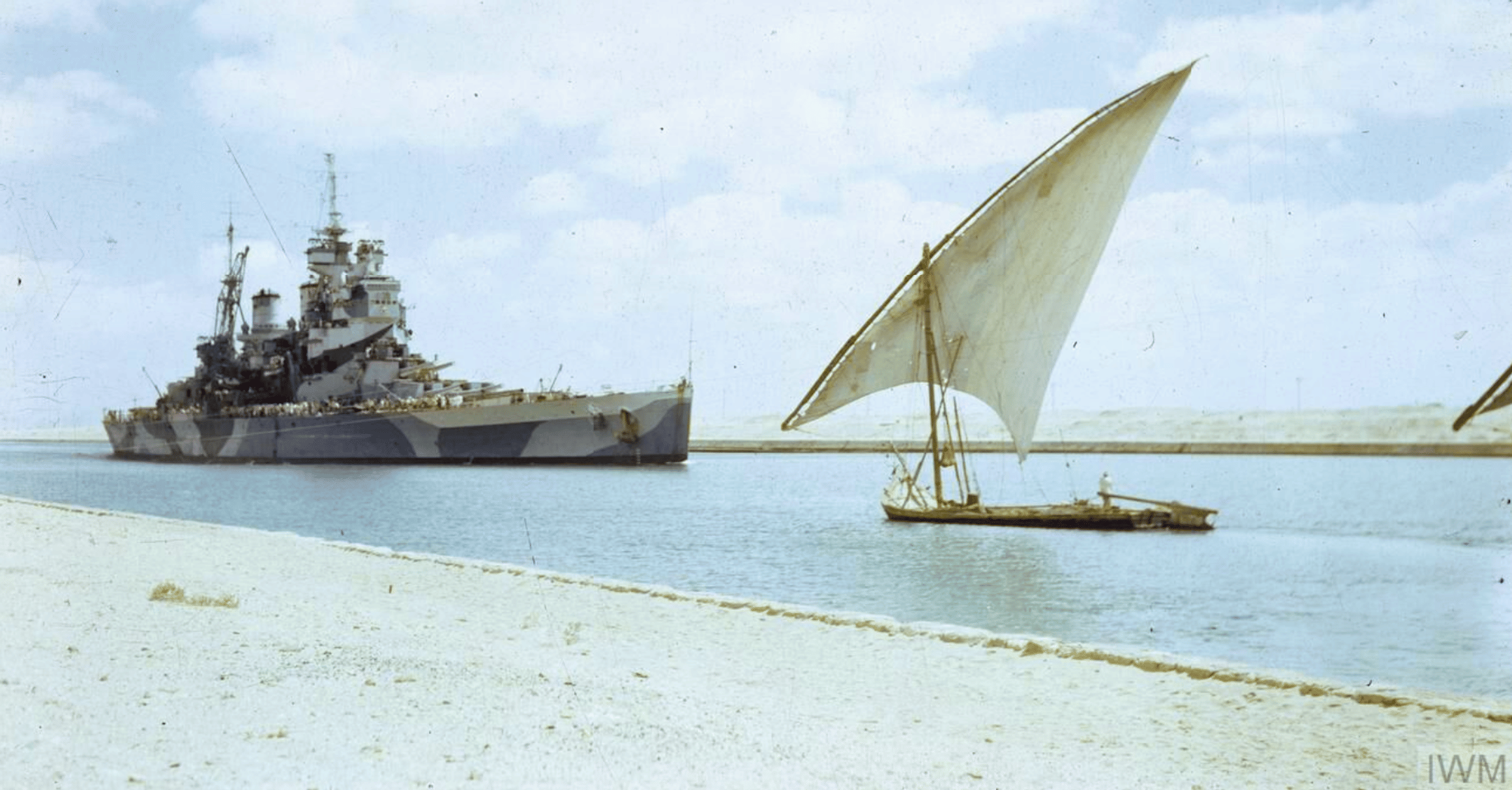
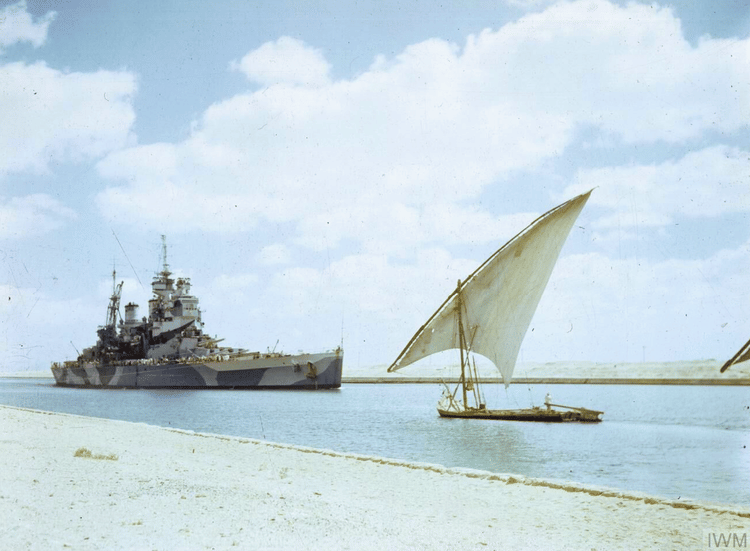
The Suez Canal, a slender ribbon of water slicing through the Egyptian desert, stands as a testament to human ingenuity and a powerful symbol of geopolitical struggle. Linking the Mediterranean Sea to the Red Sea, this vital artery dramatically reshaped global trade and power dynamics. For 75 years, from its controversial takeover in 1882 to the humiliating withdrawal in 1956, the canal remained firmly under British control, a strategic linchpin for an empire stretching across continents. Its story is one of ambition, engineering marvel, imperial dominance, and ultimately, the poignant unraveling of a global superpower.
Main Facts: A Century of Strategic Dominance
The Suez Canal, completed in 1869, immediately became the fastest maritime route between Europe and Asia, circumventing the arduous journey around Africa’s Cape of Good Hope. Its strategic importance was undeniable, particularly for the British Empire, which relied on swift passage to its crown jewel, India, and other Eastern possessions. This perceived necessity led to Britain’s controversial occupation of Egypt in 1882, ostensibly to protect its financial interests and suppress a nationalist uprising.
For decades, the canal served as Britain’s imperial lifeline, safeguarded through two World Wars. However, the post-World War II era brought a seismic shift in global power and the rise of nationalist movements. Egypt, under the charismatic leadership of Gamal Abdel Nasser, sought to reclaim its sovereignty over this crucial waterway. Nasser’s nationalization of the Suez Canal Company in July 1956 triggered an international crisis, leading to a secret Anglo-French-Israeli military intervention. The swift and decisive condemnation from both the United States and the United Nations forced the tripartite aggressors into a humiliating retreat, marking a definitive end to Britain’s unilateral imperial ambitions and ushering in a new era of international relations.
Chronology: From Vision to Vortex
Crossing the Isthmus: The Genesis of a Global Artery
The concept of an artificial waterway connecting the Mediterranean and Red Seas dates back to antiquity, a recurring dream for traders and conquerors alike. The motivation was simple: to drastically reduce sailing times between Europe and Asia, avoiding the treacherous and time-consuming voyage around the southern tip of Africa. This shortcut, estimated to save approximately 3,000 sea miles for a journey from London to Bombay (now Mumbai), promised immense economic benefits, facilitating trade between Europe, East Africa, and the Far East.
Before the canal’s completion, an arduous overland route across the Isthmus of Suez offered a cumbersome, yet faster, alternative to the Cape route. Pioneered by British officer Lieutenant Waghorn in the 1840s, this system involved ships sailing to Alexandria on the Mediterranean, passengers and goods disembarking for a journey by riverboat and camel to Suez, and then re-embarking on another ship in the Red Sea. While saving four weeks of travel, this method was unsuitable for heavy cargo. Improvements, such as the railway connecting Alexandria to Cairo built by the renowned engineer George Stephenson in the 1850s, enhanced the land crossing but merely underscored the urgent need for a continuous waterway.
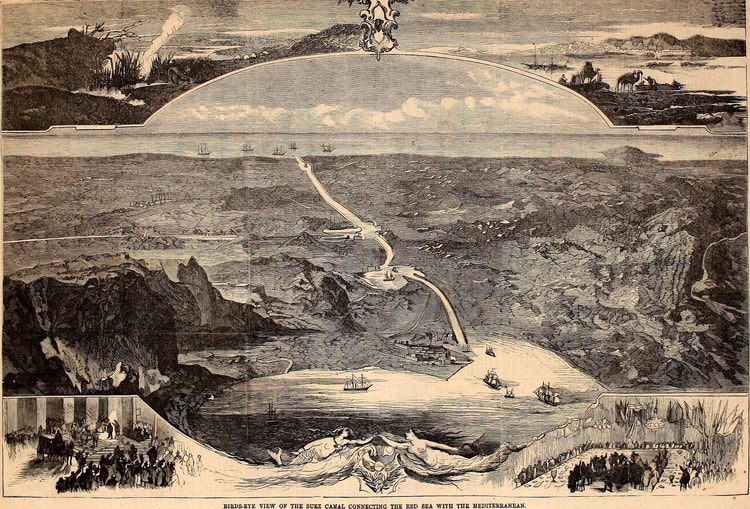
The ambitious project of building the Suez Canal was spearheaded by a private French company, the Compagnie Universelle du Canal Maritime de Suez, under the visionary leadership of Ferdinand de Lesseps, a technically skilled French diplomat and engineer. Construction began in 1859, relying heavily on Egyptian labor. The Egyptian government, leasing the land for 99 years, initially held a significant 45% stake in the canal company. Curiously, Britain, despite its vast maritime empire, initially opposed the project. British leaders were gripped by paranoia that a rival power might seize control of the canal, thereby disrupting their vital trade routes or even launching attacks on their colonial possessions. They also harbored significant doubts about the feasibility of such a monumental engineering feat. Fortunately, the largely flat and sandy terrain of the Isthmus presented fewer excavation challenges than anticipated, and the absence of locks simplified the design. The approximately 100-mile (160 km) canal was completed in 1869, opening with a lavish ceremony on November 17.
The Suez Canal was an immediate success, its impact amplified by the concurrent rise of steamships. These vessels, capable of carrying far greater cargo than sailing ships and unhindered by the challenging wind conditions of the Red Sea, were perfectly suited for the canal. While sailing ships still constituted 90% of the British merchant fleet initially, ensuring the Cape route’s continued viability, the canal’s traffic surged dramatically as steam power gradually superseded sail. In its inaugural full year, the canal handled around 436,000 tons of shipping; a mere decade later, this figure had skyrocketed to over 5 million tons. By 1910, more than 16 million tons of shipping traversed the canal. This burgeoning importance was reflected in the permanent presence of British and French advisors within the Egyptian government, signifying their profound vested interests.
The British Takeover of 1882: A Controversial Acquisition
The burgeoning strategic importance of the Suez Canal, particularly for Britain’s vast network of possessions in Asia, including India, China, and Australasia, became the pretext for a controversial military intervention in 1882. Egypt, nominally part of the decaying Ottoman Empire, had plunged into financial ruin due to costly colonial ventures in Sudan and the extravagant spending of its ruler, Khedive Ismail. This economic instability, coupled with a growing nationalist revolt led by Ahmed Urabi Pasha against the Khedive’s government and perceived foreign dominance, created an opening for British intervention.
On July 11, a British naval force bombarded Alexandria for ten grueling hours, unleashing approximately 3,000 shells. This was followed in August by a land invasion: a formidable force of 40,000 men, commanded by Garnet Wolseley, swiftly secured the canal. Wolseley then decisively crushed Urabi’s revolt at the Battle of Tel-el-Kebir on September 13. While the French government had also contemplated military intervention, the idea failed to gain endorsement from the French National Assembly, leaving Britain to act unilaterally. Urabi was subsequently exiled to Ceylon (modern-day Sri Lanka), and a permanent British garrison of 5,000 soldiers was established at the canal.
In the ensuing power vacuum and with no stable Egyptian government to hand over to, Britain abandoned its initial promise of temporary control, opting instead to govern Egypt as a de facto protectorate. The British government sought to legitimize its takeover by citing its substantial financial stake in the canal: it owned 177,000 of the 400,000 shares, purchased from the cash-strapped Khedive in 1875 for £4 million (an astounding sum, equivalent to over £400 million today). Furthermore, the British pointed to the undeniable fact that 82% of all shipping passing through the canal was British-owned, and 13% of Britain’s global trade depended on this route.
As historian P. Curtin aptly explains, the situation was a complex quagmire for Britain: "To withdraw would endanger the Suez route to India and annoy Egypt’s creditors in Britain, but to stay left Britain rather than the Khedive face to face with those same creditors in Europe." The result was an "informal British protectorate that lasted until 1914 under a variety of legal fictions," granting Britain effective control over Egypt, though its freedom of action was often constrained by pressure from other European powers, especially given that much of Egypt’s debt was owed to British banks. While the khedive was nominally restored, British officials held the true reins of power. A British officer was appointed Sirdar (commander-in-chief) of the Egyptian army, and the British Agent and Consul-General wielded immense influence, capable of appointing and dismissing members of the Egyptian government and whose advice was effectively mandatory.
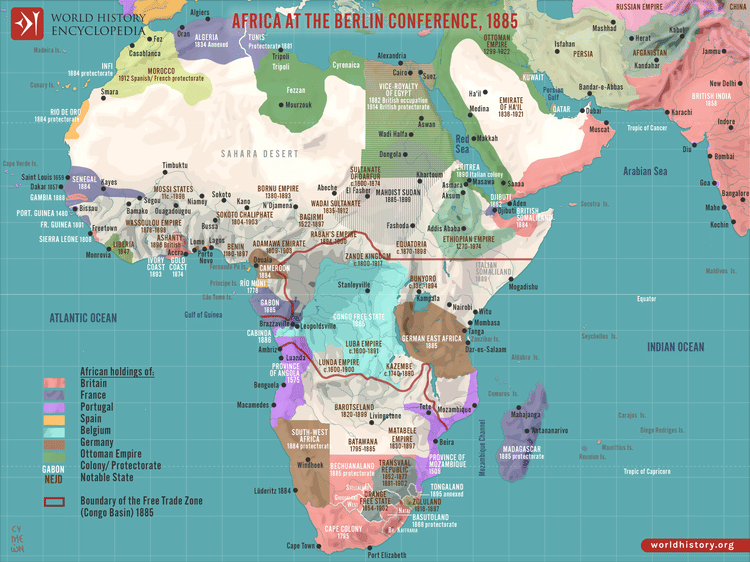
The unilateral British action deeply antagonized France, which had long considered Egypt its own colonial sphere of influence. This diplomatic crisis, alongside other unresolved colonial disputes, directly led to the Berlin Conference of 1884-85. This conference, intended to lay down rules for European powers to acquire new colonies, effectively accelerated the infamous "Scramble for Africa." By 1888, Britain decided on an indefinite stay in Egypt to safeguard the canal from other powers, particularly Russia. To assuage international concerns about a British monopoly, the Suez Canal Convention of 1888 was signed, formally preserving the canal’s neutrality and ensuring passage for all nations during peace and war, though Britain’s physical control remained. The lingering Anglo-French friction over Egypt manifested dramatically in the Fashoda Incident of 1898, a tense standoff over territorial claims in southern Sudan that ultimately reinforced British dominance in the region.
A British Colony: The Canal Through Two World Wars
The Suez Canal remained paramount to British interests, particularly with the burgeoning oil industry in the Middle East. In 1914, at the outbreak of the First World War, Britain formally declared Egypt a protectorate, effectively ending its nominal ties to the Ottoman Empire and solidifying direct British control. The canal’s status as an international waterway was temporarily suspended as Britain secured it against Ottoman threats throughout the conflict (1914-18).
In the aftermath of the war, the British Empire began its slow, inevitable decline. Egypt was granted nominal independence in 1922, but Britain retained significant control over its foreign policy and defense. British military occupation of Egypt officially ended in 1936 with the signing of the Anglo-Egyptian Treaty, with one crucial exception: the Suez Canal Zone. Despite the canal reverting to its international waterway status, a substantial British military presence remained, with a garrison of approximately 38,000 personnel. This was deemed essential, especially with the rise of aggressive imperialist powers like Italy and Japan in the 1930s, as the canal provided a critical route for rapidly deploying troops to East Africa or the Far East. Throughout this decade, a staggering two-thirds of all ships traversing the canal were British.
During the Second World War (1939-45), Britain staunchly defended Egypt against Italian and German forces as part of the North Africa Campaign. Egypt served as Britain’s primary base in the Middle East and the eastern Mediterranean theaters. The most decisive engagement, which ensured the Suez Canal remained firmly in British hands, was the Second Battle of El Alamein (October-November 1942). Here, the British Eighth Army, under the command of General Bernard Montgomery, achieved a crucial victory against the German Afrika Korps, led by the legendary General Erwin Rommel. This battle was a turning point, safeguarding the canal and preventing Axis control of the Middle East’s vital oil fields.
Post-War Shifts and the Rise of Nasser
Even after India gained independence in 1947, the Suez Canal’s importance to British trade, particularly with the burgeoning Middle Eastern oil industry, remained undiminished. However, the post-WWII era witnessed a global wave of decolonization. Britain, economically weakened and facing a public increasingly in favor of ending empire, could no longer sustain its vast, coercive military presence worldwide.
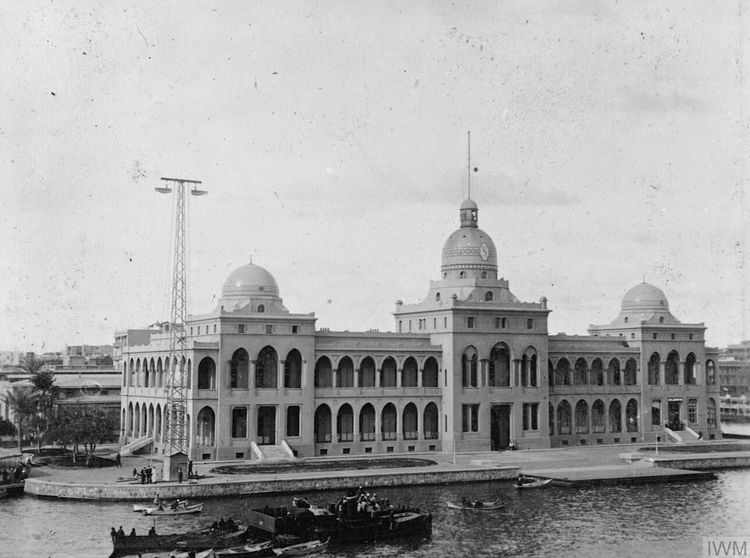
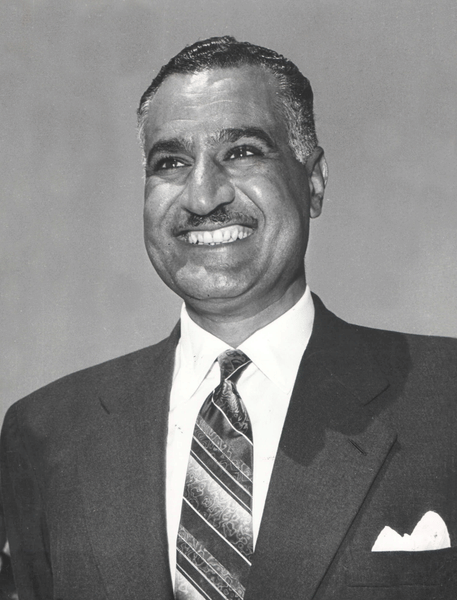
Anglo-Egyptian relations soured further in the 1950s, exacerbated by Britain’s role in the creation of Israel and its regional alliances with Iraq and Turkey. In this charged atmosphere, Colonel Gamal Abdel Nasser, Egypt’s fiercely nationalist leader, emerged. Having seized power in a military coup four years earlier and overthrown the deeply unpopular, pro-British King Farouk, Nasser was determined to assert Egyptian sovereignty. In July 1956, he declared the nationalization of the Suez Canal Company, a move that sent shockwaves across the globe. Nasser’s decision was partly a retaliatory measure after the United States and Britain withdrew funding for the ambitious Aswan Dam project, a move prompted by Nasser’s arms purchases from Cold War rivals, the USSR and the Eastern Bloc.
The 1956 Suez Crisis: A Watershed Moment
Nasser’s audacious nationalization ignited the Suez Crisis (also known as the Second Arab-Israeli War, Suez War, or Tripartite Aggression). For Britain, the canal remained an indispensable conduit, especially for oil tankers. British Prime Minister Anthony Eden vividly described Nasser as having "his hand on our windpipes," recognizing the existential threat to Britain’s energy security and remaining global influence. Eden sought immediate support from US President Dwight D. Eisenhower to remove Nasser and install a pro-Western regime. Eden argued that Nasser intended to expel all Western military presence from the Arab world, thereby paving the way for increased Soviet influence. However, Eisenhower refused to commit US military forces, driven by several factors: his own public’s likely disapproval of military intervention, his belief that the United Nations should resolve the dispute, and a quiet satisfaction at seeing British influence wane in the Middle East, as the US and Britain were increasingly rivals for the region’s burgeoning oil business.
Undeterred by American reluctance, Britain, France, and Israel secretly forged an alliance, determined to regain control of the canal and oust Nasser. Britain and France viewed Nasser’s brand of pan-Arab nationalism as a direct threat to their interests in the Middle East and North Africa. France, in particular, was incensed by Nasser’s support for the FLN (National Liberation Front) in its war for independence in Algeria. Israel, for its part, was eager to deliver a preemptive blow to any pan-Arab movement that might unite against it.
Under a clandestine agreement, code-named Operation Musketeer, Israel was to launch an attack on Egypt. This would then provide Britain and France with a pretext to intervene as "mediators" and "protectors" of the canal. On October 29, Israeli forces invaded Egypt. Following this, Britain and France issued an ultimatum demanding that Egypt withdraw its military from the Canal Zone (a 10-mile/16 km strip on either side of the waterway). When the Egyptian government rejected this demand, British and French aircraft commenced bombing Egypt on October 31. On November 5, British and French troops launched an amphibious assault from the Mediterranean, landing at Port Said and capturing a section of the canal. In response, Egypt defiantly sank ships in its portion of the canal, effectively blocking passage.
The actions of the tripartite aggressors met with widespread international condemnation. Both the United States and the Soviet Union, surprisingly aligned in their outrage, vociferously denounced the intervention at the United Nations. The UN swiftly passed a motion demanding an immediate ceasefire. The Suez War, a conflict that lasted barely two weeks, ended in a humiliating diplomatic and military defeat for Britain and France. Britain was compelled to withdraw entirely from Egypt in December. The Egyptian government, under Nasser, promised to compensate shareholders in the Canal Company, and the canal was cleared and reopened to international shipping by April 1957.
Implications: The End of an Era
The Suez Crisis had profound and lasting implications on multiple fronts:
For Britain: The Sunset of Empire
The crisis irrevocably damaged the reputation and career of British Prime Minister Anthony Eden, who resigned in January 1957, citing health issues, though his political standing was in tatters. Criticism ranged from diplomatic incompetence to misleading Parliament. Economically, the crisis triggered a damaging run on the British pound, which was only stabilized by a crucial US loan, granted on the explicit condition that Britain withdraw its forces from Egypt. The Suez Crisis served as a stark, humiliating lesson for Britain: its days as an independent global imperial power were unequivocally over. Henceforth, Britain would increasingly have to operate within the framework of alliances, particularly with the United States, to exert any significant influence on world affairs. It accelerated the process of decolonization and forced a fundamental re-evaluation of British foreign policy, shifting its focus away from unilateral action.
For Egypt and the Middle East: A New Dawn of Nationalism
For Egypt, the Suez Crisis was a resounding triumph. Nasser emerged as a hero, his standing immensely bolstered across the Arab world and among newly independent nations. The crisis solidified his leadership, allowing him to consolidate power and position Egypt as a leading voice in the non-aligned movement during the Cold War. It ignited a surge of pan-Arab nationalism, challenging Western dominance in the region. The crisis also intensified the already complex dynamics of the Middle East, contributing to heightened tensions and solidifying Cold War alignments, with increased Soviet influence in Egypt.
For International Relations: A Shifting Global Order
The Suez Crisis was a pivotal moment in international relations. It underscored the emerging power of the United States and the Soviet Union as the dominant global superpowers, capable of dictating terms even to traditional colonial powers. It demonstrated the growing moral authority and practical effectiveness of the United Nations in peacekeeping and conflict resolution, particularly when backed by the major powers. The crisis accelerated the process of decolonization globally, as former empires saw their ability to project power unilaterally severely curtailed. It served as a clear signal that the post-colonial world would no longer tolerate the old imperialistic interventions, marking a significant shift towards a more multilateral international order. The events of 1956 forever altered the global landscape, drawing a definitive line under an era of unchallenged European imperial might.



Leave a Comment