
The Enduring Palette of Yasujirō Ozu: A Journey Through His Later Masterpieces
Introduction: A Cinematic Legacy Unfolding
Yasujirō Ozu, a name synonymous with a distinctive and profoundly influential cinematic style, continues to captivate audiences and inspire filmmakers decades after his passing. Born in 1903, Ozu’s prolific career spanned the tumultuous pre- and post-war eras of Japan, a period of immense societal transformation. Yet, paradoxically, his films, while deeply embedded in the Japanese experience, often exhibit a remarkable stylistic consistency that can lead the uninitiated to believe one Ozu film is much like another. However, for devoted enthusiasts, a deeper appreciation reveals a nuanced evolution across his diverse body of work, with each phase offering unique artistic pleasures. This exploration delves into the latter part of Ozu’s career, focusing on his transition into color filmmaking and the subtle yet profound ways in which he adapted his signature style to this new medium. A recent video essay by Tony Zhou and Taylor Ramos, titled "Yasujirō Ozu’s Third Act: The Color of Continuity," provides a compelling lens through which to examine this critical period.
H2: The Master’s Evolving Canvas: From Silent Narratives to the Dawn of Color
Yasujirō Ozu’s directorial journey began in the late 1920s and continued until his death in 1963. This impressive tenure coincided with monumental shifts not only in global history but also within the very fabric of cinema itself. His extensive filmography can be broadly categorized by technological advancements: the first 34 films were silent, followed by fourteen sound features in black and white, and culminating in his final six films rendered in color. It is this latter, vibrant phase – his "third act" – that has recently been illuminated by the insightful video essay from the "Every Frame a Painting" series.
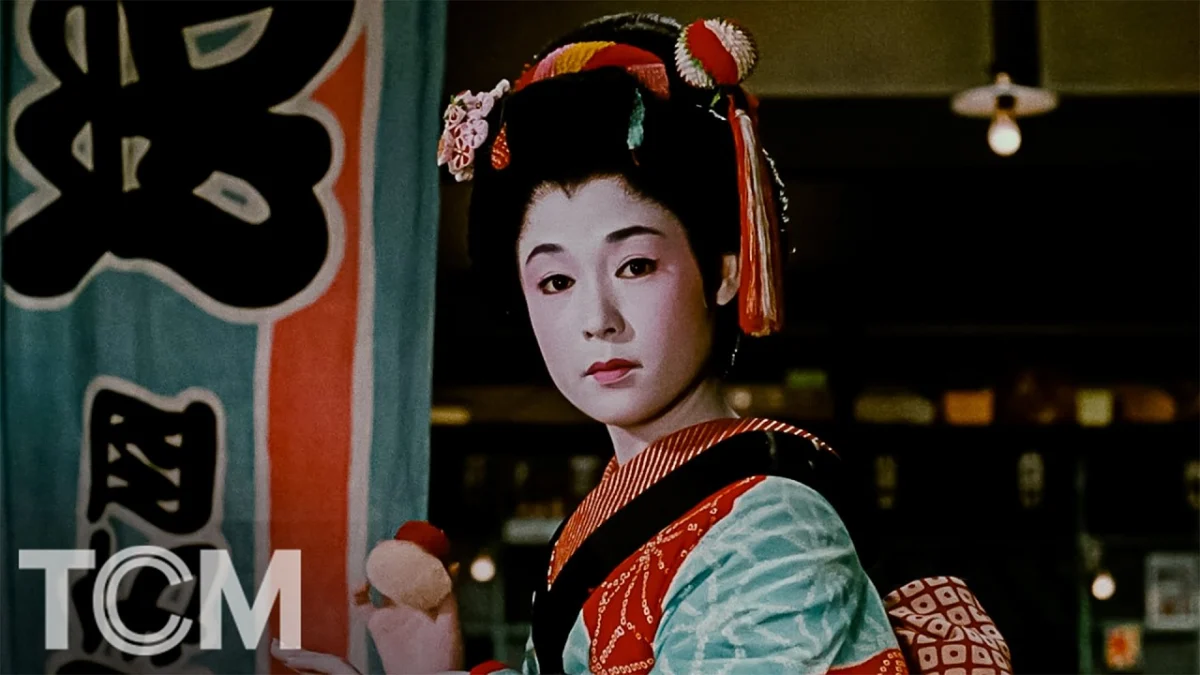
The transition to color was not an immediate embrace for Ozu. Like many filmmakers of his generation, it took time for him to fully integrate this new dimension into his established aesthetic. His 1958 film, Equinox Flower (Higanbana), marks a significant entry into his color period. The film, a departure from the muted tones of his earlier work, showcases a striking visual vibrancy, with some scenes described as exuding the effervescence of an MGM musical. This heightened saturation was partly driven by his studio’s desire to showcase the radiant presence of actress Fujiko Yamamoto. Her vibrant kimonos, in particular, commanded attention, their hues dominating the frame. Yet, even amidst this newfound color, Ozu’s signature elements persisted. His iconic red teapot, a recurring motif in his films, continued to punctuate the visual landscape whenever it appeared, asserting a sense of continuity and familiarity within the evolving palette.
H2: A Symphony of Hues: Exploring Ozu’s Color Palettes and Collaborations
Ozu’s subsequent color films demonstrate a growing mastery and intentionality in their use of color. His 1959 film, Good Morning (Ohayō), presented a markedly different approach. Here, Ozu opted for a "much more natural, earth-toned color palette." The images in Good Morning feel more balanced, eschewing the pronounced visual focal points of Equinox Flower. Instead, the color serves to create a harmonious and understated atmosphere, reflecting the film’s gentle exploration of everyday life and familial communication.
The director’s next significant color work, Floating Weeds (Ukigusa) from 1959, represented a pivotal moment in his artistic development, particularly through his collaboration with the esteemed cinematographer Kazuo Miyagawa. Miyagawa, a luminary in Japanese cinema who had previously worked with giants like Akira Kurosawa and Kenji Mizoguchi, brought a profound understanding of light and shadow to Ozu’s project. Miyagawa’s innovative use of lighting techniques allowed him to manipulate the perception of color, demonstrating how "by shaping the light, he could change how colors were perceived." This was particularly evident in scenes that, despite being framed identically, conveyed different emotional nuances through subtle shifts in color intensity and hue. This meticulous control over color further solidified Ozu’s reputation for rigorous objectivity in his filmmaking, where every visual element, including color, was deliberately employed to serve the overarching artistic vision.
Floating Weeds itself held a special significance for Ozu, as it was a color remake of his own 1934 silent film, A Story of Floating Weeds. This act of revisiting and reinterpreting his earlier work in a new medium speaks to Ozu’s constant artistic exploration and his desire to see how his themes and stylistic choices would translate and evolve with technological advancements. The collaboration with Miyagawa allowed Ozu to push the boundaries of color cinematography, integrating it seamlessly into his meticulously composed frames.
H3: The Rhyme and Rhythm of Ozu’s Visual Language
The "Every Frame a Painting" video essay, as articulated by co-creator Tony Zhou, offers a profound insight into the structural genius of Ozu’s filmmaking. Zhou highlights that Ozu’s films are characterized by "repetitions and small variations." This observation is crucial to understanding the hypnotic and deeply resonant quality of his work. Ozu frequently revisits the same settings, such as hallways, over and over again, not out of a lack of imagination, but as a deliberate technique to build a sense of continuity and cyclicality.
This repetition extends to visual elements that subtly echo each other across scenes and even across his entire filmography. Seemingly minor details in one shot will find their visual counterparts in others, creating a profound sense of thematic and aesthetic unity. Zhou aptly describes this phenomenon: "As a result, Ozu’s movies rhyme. One shot will mirror another, one person’s behavior will be repeated." This rhyming effect transcends individual films, weaving a cohesive tapestry across his entire oeuvre.
The implications of this stylistic choice are far-reaching. By employing these visual echoes, Ozu invites viewers to perceive the inherent similarities between individuals, the recurring nature of places, and the cyclical essence of life itself. Color, in this context, becomes another powerful tool in Ozu’s arsenal, utilized "as another way to build these patterns." The subtle interplay of hues, the recurring motifs, and the deliberate framing all contribute to a visual language that speaks to universal themes of human experience.
H2: Thematic Resonance: Cycles of Life and Societal Reflection
While Ozu’s cinematic universe often appears serene and detached from overt political commentary, the cyclical nature of his visual storytelling held a particular resonance for audiences navigating the profound societal shifts in post-war Japan. The nation, having endured the devastation of World War II, was undergoing a period of intense self-reinvention. Ozu’s films, with their emphasis on continuity, familial bonds, and the enduring rhythms of daily life, offered a sense of stability and familiar comfort amidst this era of radical change. The subtle, yet persistent, visual patterns in his work would have undoubtedly resonated with audiences grappling with the need to rebuild and redefine their society.
Whether Ozu consciously intended for his films to carry such profound weight for future generations, even those far removed from Japan, remains a subject of contemplation. The video essay touches upon the idea that even his personal diaries, now the subject of their own documentaries, may not offer definitive answers to such speculative questions. However, the enduring appeal and critical acclaim of Ozu’s work worldwide suggest a universal quality to his observations on human nature and the passage of time.
H2: Supporting Data and Critical Reception: The "Every Frame a Painting" Analysis
The "Every Frame a Painting" video essay serves as a crucial piece of supporting data for understanding Ozu’s late-career evolution. Through meticulous frame-by-frame analysis, Zhou and Ramos break down Ozu’s use of color in films like Equinox Flower, Good Morning, and Floating Weeds. They highlight specific scenes, examine color palettes, and discuss the impact of cinematography on the viewer’s perception.
For instance, the essay meticulously details how Equinox Flower‘s bright, almost garish colors, while initially a studio mandate, were eventually harnessed by Ozu to create a specific emotional effect. They contrast this with the more subdued and naturalistic tones of Good Morning, showcasing Ozu’s adaptability. The analysis of Floating Weeds focuses on Miyagawa’s masterful manipulation of light and shadow, demonstrating how these elements were used to alter the perceived qualities of color, adding layers of depth and meaning to the visual narrative.
The essay’s structure, which often mirrors Ozu’s own thematic concerns, further strengthens its impact. By presenting repeating visual motifs and thematic parallels, Zhou and Ramos allow viewers to experience the "rhyming" quality of Ozu’s cinema firsthand. Their commentary provides an invaluable framework for appreciating the subtle nuances that might otherwise go unnoticed, transforming casual viewing into a deeper critical engagement.
H2: Official Responses and Enduring Influence
While this article focuses on a video essay, the "official response" to Ozu’s work can be seen in the continuous academic study, film retrospectives, and the persistent interest from filmmakers and critics globally. The "Every Frame a Painting" series itself is a testament to the enduring power of Ozu’s art, as it is dedicated to dissecting and celebrating cinematic masterpieces. The fact that Ozu’s diaries are now the subject of documentaries further underscores the official and academic interest in his life and work.
The influence of Yasujirō Ozu on subsequent generations of filmmakers is undeniable. His distinctive low-angle shots, his static camera, and his focus on everyday domestic dramas have been emulated and referenced by directors across the globe, from the West to the East. The exploration of his color period, as presented in the video essay, adds another layer to this understanding of his legacy. It demonstrates his willingness to adapt and evolve his artistic vision in response to technological advancements, proving that his "distinctive form and style" were not rigid but capable of subtle, yet significant, transformations.
H2: Implications and the Cyclical Nature of Cinema
The analysis of Ozu’s transition to color filmmaking has several profound implications for our understanding of cinematic art and the creative process. Firstly, it underscores that innovation in filmmaking is not solely about adopting new technologies but about integrating them into a personal artistic vision. Ozu’s initial hesitations with color and his subsequent careful integration demonstrate a thoughtful and deliberate approach to his craft.
Secondly, it highlights the power of subtle visual storytelling. Ozu’s ability to convey profound themes of life, family, and societal change through repetitions, variations, and the deliberate use of color speaks to the enduring strength of nuanced filmmaking. His work reminds us that grand narratives are not always necessary to evoke deep emotional responses or critical reflection.
Finally, the continued relevance of Ozu’s films, and the ongoing analysis of his work, suggests a cyclical nature to cinematic appreciation. As new generations discover his films, and as new analytical tools like video essays emerge, our understanding of his genius deepens. The "Every Frame a Painting" series, by focusing on Ozu’s "third act," ensures that this crucial period of his artistic development receives the attention it deserves, further cementing his legacy as one of cinema’s most enduring and insightful masters. The exploration of his color palette is not merely an academic exercise; it is a testament to Ozu’s ability to find beauty, meaning, and profound human connection within the evolving landscape of cinematic expression.

Leave a Comment