
Charli XCX Deconstructs Pop: From BRAT’s Maximalist Rebellion to the Stark Simplicity of "Rock Music"

Charli XCX, an artist perpetually at the forefront of sonic and aesthetic innovation, has once again captivated the cultural zeitgeist. Following the seismic success of her 2024 album BRAT, which redefined experimental pop with its raw energy and unapologetic anti-design ethos, the British singer has resurfaced with her latest single, "Rock Music." This new offering marks a significant departure, trading BRAT‘s vibrant, almost chaotic maximalism for a stark, minimalist presentation that has sparked widespread discussion and debate within the music and design communities.
The Unmistakable Impact of BRAT
The year 2024 was undeniably the "BRAT summer." Charli XCX’s album, BRAT, was not merely a collection of songs; it was a cultural phenomenon. Its infectious hooks, coupled with a deliberately undone, almost aggressively unpolished aesthetic, served as a powerful counterpoint to the prevailing sensibilities within the music industry. BRAT‘s marketing campaign, lauded as a masterclass in "anti-design," permeated the internet, challenging conventional branding strategies and setting a new benchmark for artistic expression in the digital age. The album’s success underscored a growing appetite for authenticity and a rejection of corporate polish, resonating deeply with a generation seeking raw, unfiltered artistic statements.
The visual identity of BRAT was as crucial to its impact as its sonic landscape. Characterized by its bold, often abrasive imagery, the BRAT aesthetic was a deliberate rejection of mainstream trends. Think neon greens, gritty textures, and a DIY sensibility that felt both nostalgic and futuristic. This visual language was meticulously crafted to mirror the album’s sonic themes of liberation, hedonism, and a defiant embrace of imperfection. The accompanying music videos and promotional materials eschewed traditional glossy production for something more visceral and immediate, solidifying Charli XCX’s reputation as a boundary-pushing artist.
A Calculated Shift: The Arrival of "Rock Music"
With the release of "Rock Music," Charli XCX has signaled a definitive pivot. The very title itself serves as a potent declaration, suggesting a departure from the electropop soundscapes that defined much of her previous work. The announcement of this new single immediately piqued the interest of fans and critics alike, who eagerly anticipated what Charli would offer next after the overwhelming success of BRAT.
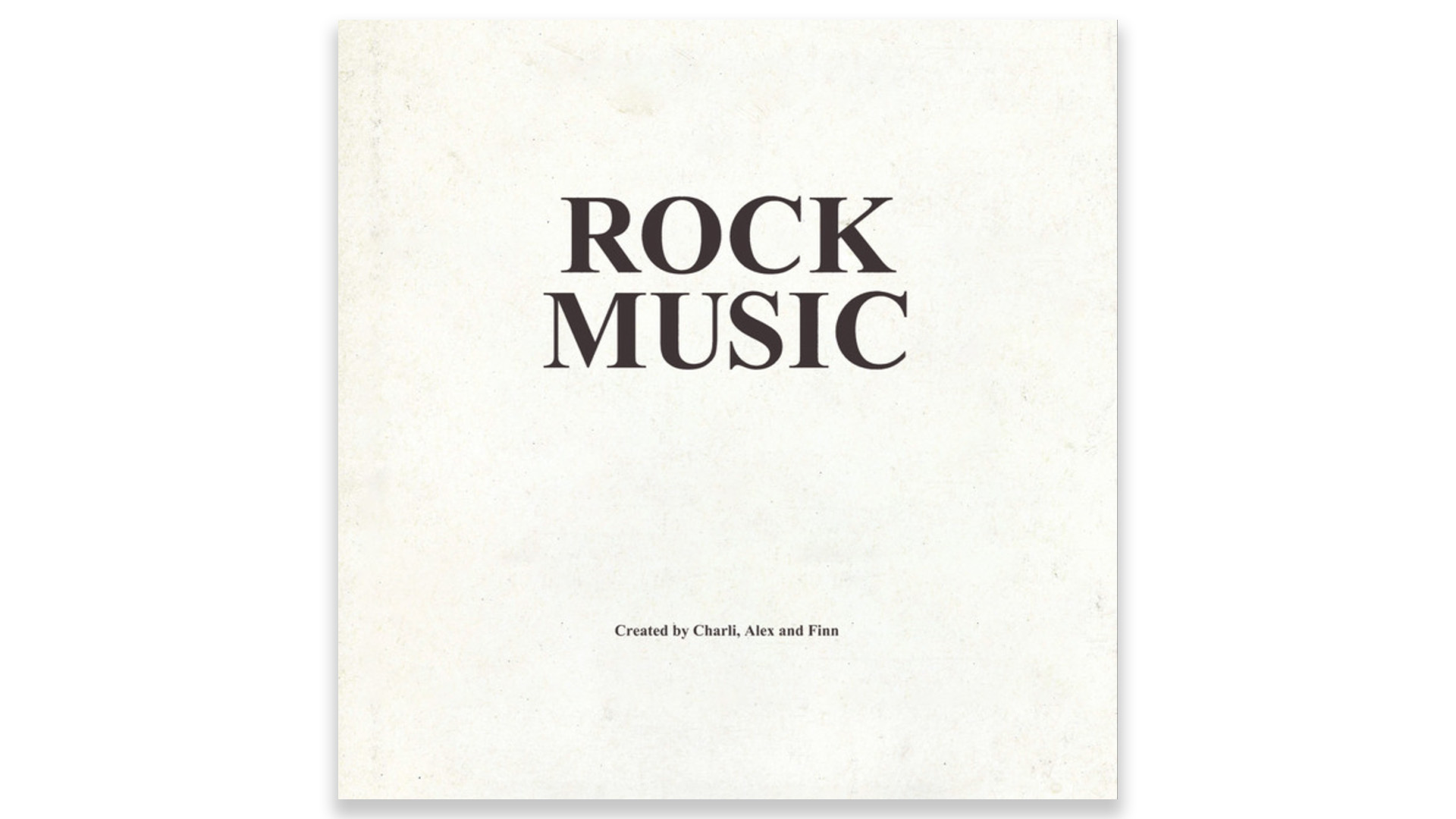
The visual cues accompanying "Rock Music" stand in stark contrast to the BRAT era. The single’s cover art, a prime example of this new direction, presents a starkly minimalist design. A clean white background serves as the canvas for the song’s title, rendered in an elegant serif font. Beneath this, smaller typography reads, "Created by Charli, Alex and Finn," offering a subtle nod to the collaborative spirit behind the track. While this new design retains the stripped-back energy reminiscent of BRAT‘s anti-design philosophy, it occupies the opposite end of the minimalist spectrum. Where BRAT‘s aesthetic was characterized by a deliberate rawness, "Rock Music" opts for an almost academic cleanliness, a refined simplicity that feels both sophisticated and deliberately understated.
This deliberate aesthetic choice is not merely superficial; it reflects a deeper artistic intention. The visual simplicity of "Rock Music" can be interpreted as a deliberate attempt to strip away any perceived artifice, allowing the music itself to take center stage. It’s a bold move that challenges listeners to engage with the song on its own terms, free from the visual distractions that often accompany mainstream releases.

The Visual Narrative: Beyond the Cover Art
The official music video for "Rock Music" further amplifies this thematic shift. Gone are the vibrant, energetic scenes of BRAT‘s visual world. Instead, the video adopts a broody, introspective tone, punctuated by imagery of cigarettes and guitars. This cinematic approach is a stark departure from the hyperpop playfulness that characterized Charli XCX’s previous visual output. The video’s aesthetic is more akin to classic rock iconography, a deliberate embrace of a genre that, until now, has not been Charli’s primary sonic domain.
The visual narrative of the "Rock Music" video is steeped in a sense of gritty realism and existential contemplation. The use of close-ups, dramatic lighting, and a more restrained color palette creates an atmosphere of raw emotion and vulnerability. This visual language is carefully curated to evoke a sense of authenticity and depth, mirroring the lyrical themes of the song. The imagery is designed to be thought-provoking, encouraging viewers to delve deeper into the song’s meaning and Charli’s evolving artistic identity.
This deliberate choice to lean into a more traditional rock aesthetic is a testament to Charli XCX’s willingness to experiment and defy expectations. By incorporating elements of rock music into her visual storytelling, she is not only broadening her artistic palette but also challenging the very definitions of pop music and its associated visual language.
Fan Reception: A Spectrum of Reactions
The stark departure in both sound and visuals has naturally elicited a wide range of reactions from Charli XCX’s dedicated fanbase. Social media platforms and online forums have become hubs for fervent discussion, with fans dissecting every aspect of "Rock Music."
On Reddit, a platform known for its candid and often critical fan discussions, the reception has been particularly varied. One common sentiment expressed was a preference for the visual direction over the song itself. "I like the visuals more than I like the song," one user commented, reflecting a sentiment echoed by several others. This suggests that while the aesthetic has resonated, the musical composition has not universally captured the same immediate acclaim as the BRAT era.
Another notable reaction highlighted the potential for satire within the song’s new direction. "This most definitely feels like satire and I’m choosing to believe it is lol," one fan mused. This perspective points to the inherent irony and self-awareness that often characterizes Charli XCX’s artistic output. It raises the question of whether "Rock Music" is a genuine exploration of a new genre or a playful subversion of rock tropes, delivered with her signature avant-garde flair.

These diverse opinions underscore the complex relationship between artist and audience, particularly when an artist undergoes a significant stylistic evolution. While some fans may yearn for the familiar sounds and aesthetics of past eras, others appreciate the artistic growth and willingness to explore new territories. The polarized reactions to "Rock Music" are a testament to Charli XCX’s ability to provoke thought and foster dialogue, even in the face of a seemingly radical departure.
The Legacy of BRAT‘s Marketing and Design
The impact of BRAT‘s marketing and design cannot be overstated. It served as a powerful case study in how artists can leverage unconventional branding to create a distinct identity and connect with their audience on a deeper level. The "anti-design" approach, characterized by its intentional roughness and rejection of polished aesthetics, resonated with a generation increasingly disillusioned with corporate-driven marketing.
BRAT‘s visual identity was not merely about looking "cool"; it was about communicating a specific message and ethos. The album’s cover art, with its iconic green hue and bold typography, became instantly recognizable and synonymous with Charli XCX’s artistic statement. The accompanying visuals, from music videos to social media content, consistently reinforced this raw, unfiltered aesthetic, creating a cohesive and immersive experience for fans.
The success of BRAT‘s marketing strategy has had a ripple effect across the industry, inspiring other artists to reconsider their own branding approaches. It has demonstrated that authenticity, boldness, and a willingness to defy convention can be powerful tools in capturing attention and building a loyal fanbase. The "BRAT marketing" phenomenon has become a touchstone for discussions on contemporary music promotion and the evolving landscape of artistic expression.
Looking Ahead: The Evolving Landscape of Charli XCX’s Artistry
The release of "Rock Music" is more than just a new single; it’s a statement about Charli XCX’s continued evolution as an artist. Her willingness to pivot from the maximalist, genre-bending world of BRAT to the stark, almost austere presentation of "Rock Music" demonstrates a fearless approach to her craft. This artistic metamorphosis suggests that Charli XCX is not content to rest on her laurels but is constantly pushing the boundaries of her own creativity.
The implications of this shift are far-reaching. It prompts questions about the future direction of her music, her visual identity, and her engagement with the broader cultural landscape. Will "Rock Music" be a standalone experiment, or will it herald a new sonic era for Charli XCX? The ambiguity itself is compelling, inviting speculation and anticipation.
In an era where artists often strive for consistency, Charli XCX’s penchant for reinvention is a refreshing anomaly. Her ability to surprise and challenge her audience is a hallmark of her artistry, ensuring that her career remains a dynamic and engaging journey for fans and critics alike. As she continues to navigate the ever-changing tides of the music industry, Charli XCX remains a compelling figure, a true innovator whose artistic choices consistently spark conversation and redefine what it means to be a contemporary pop artist.
Further Exploration in Music Design
For those intrigued by the intersection of music and design, the evolution of Charli XCX’s visual identity offers a rich area for further exploration. The trends observed in her work, from the bold maximalism of BRAT to the minimalist austerity of "Rock Music," reflect broader shifts in graphic design and branding within the music industry.
Understanding these trends can provide valuable insights into how artists and their teams craft compelling visual narratives that resonate with contemporary audiences. The "alternate album art trend," for instance, has seen artists experimenting with a variety of visual styles, sometimes pushing the boundaries of aesthetic convention. As highlighted in discussions about how the trend has "gone too far," the line between artistic expression and visual clutter can be a fine one, demanding careful consideration from creative teams.
Similarly, the unsettling yet captivating album cover of K-pop group IVE demonstrates how visual design can evoke complex emotional responses and contribute to the overall artistic statement of a project. These examples, alongside Charli XCX’s own artistic journey, underscore the crucial role of visual communication in the modern music landscape, where album art, music videos, and promotional materials are as integral to an artist’s identity as their sound.



Leave a Comment