
The Thunder God’s Unlikely Candidate: How Danny Glover Nearly Became the Face of Mortal Kombat
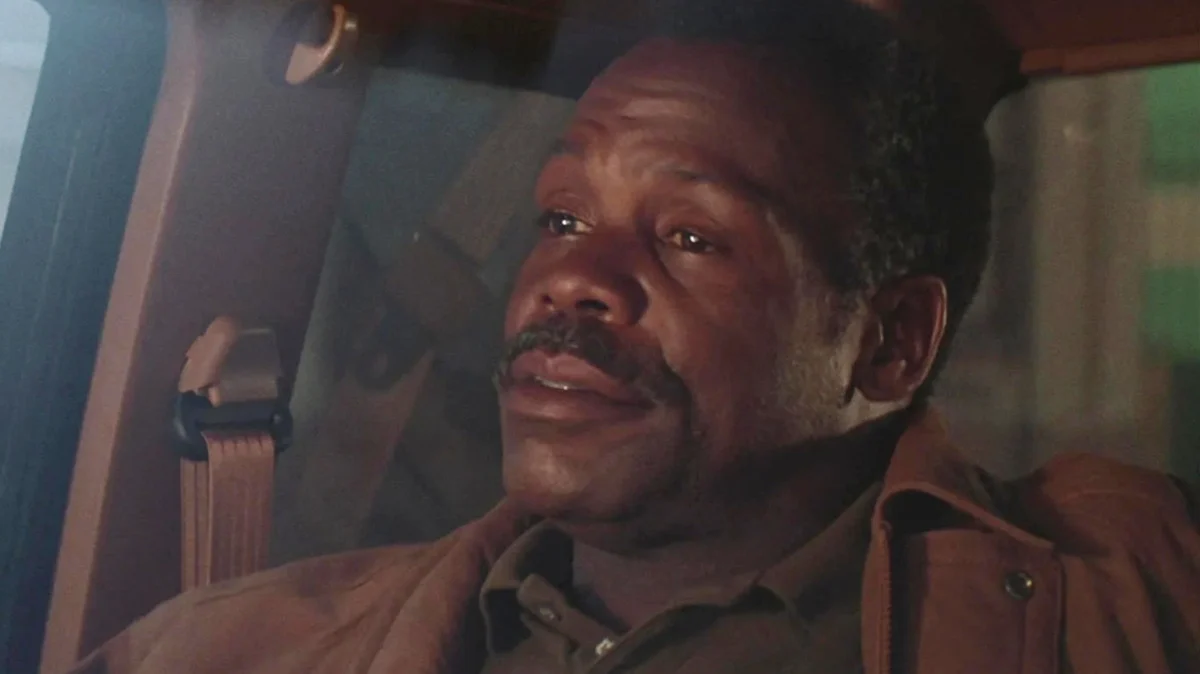
The 1995 live-action adaptation of Mortal Kombat remains a seminal moment in the history of video game cinema. Released at the height of the franchise’s arcade dominance, the film was a box-office success that defied the "video game movie curse" of the era, even as it traded the game’s signature gore for a PG-13 rating and a campier, fantastical tone. However, behind the scenes of this cult classic lay a casting landscape that could have fundamentally altered the film’s identity. Among the most startling revelations to emerge in recent years is that New Line Cinema executives once seriously considered casting Danny Glover—the veteran star of Lethal Weapon—as the ethereal Thunder God, Raiden.
This revelation, brought to light by series co-creator Ed Boon, offers a fascinating window into the chaotic nature of 1990s studio logic, where star power often took precedence over lore accuracy, and the industry was still struggling to define what a "video game movie" should look or feel like.
Main Facts: A Bold Deviation from Digital Origins
When Midway’s Mortal Kombat debuted in arcades in 1992, it was a lightning rod for controversy and innovation. Unlike its contemporaries, which used hand-drawn sprites, Mortal Kombat utilized digitized footage of real actors. Raiden, the protector of Earthrealm, was portrayed by martial artist Carlos Pesina. While the character’s race was never explicitly stated in the 16-bit era, his iconography—specifically the douli (conical straw hat) and his role as a deity in an Asian-inspired mythological framework—led the majority of fans to perceive him as being of East Asian descent.
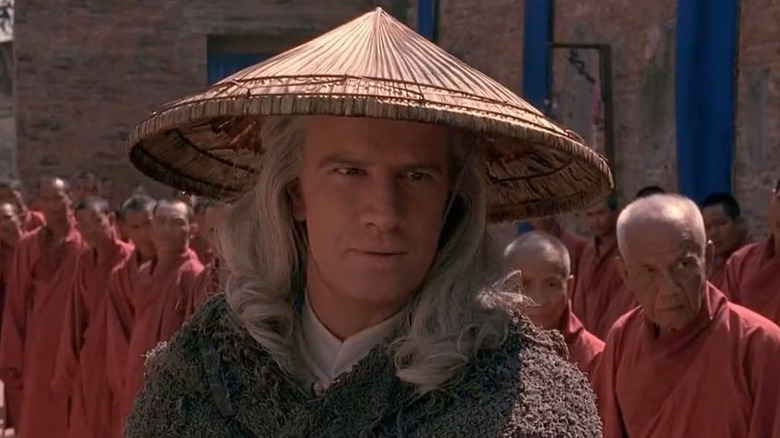
However, when the transition to the silver screen began, New Line Cinema and director Paul W.S. Anderson took a different path. The role ultimately went to Christopher Lambert, the French-American actor famous for his lead role in Highlander. While Lambert brought a certain "mystical mentor" gravitas to the role, his casting was part of a broader trend of "whitewashing" or race-blind casting that prioritized established Hollywood names over cultural or source-material fidelity.
The revelation that Danny Glover was on the shortlist adds a layer of surrealism to the production history. Glover, a Black actor who was then one of Hollywood’s most bankable stars following the success of the Lethal Weapon franchise, represented a completely different energy. Had he been cast, the character of Raiden would have moved from a "Highlander-esque" immortal to something closer to a seasoned, world-weary authority figure—perhaps a "too old for this" version of a god.
Chronology: From Arcade Cabinets to Studio Boardrooms
The journey of Mortal Kombat from a controversial arcade cabinet to a major motion picture was swift and fraught with industry skepticism.
1992–1993: The Rise of the Fatality
Midway’s release of Mortal Kombat changed the industry overnight. The game’s "Fatalities"—finishing moves that allowed players to decapitate or disembowel opponents—led to a moral panic. By 1993, the game was a primary subject of U.S. Senate hearings on video game violence, spearheaded by Senators Joseph Lieberman and Herb Kohl. This controversy, paradoxically, served as free marketing, turning the game into a multi-million-dollar phenomenon.
1994: The Search for a Director and a Cast
New Line Cinema acquired the film rights, eventually landing on a young Paul W.S. Anderson to direct. The casting process was notoriously difficult. The studio wanted "names" to anchor the project. For the role of Raiden, the producers initially aimed high, considering Sean Connery (Lambert’s Highlander co-star). When Connery declined, the search widened.
1995: The Glover Suggestion
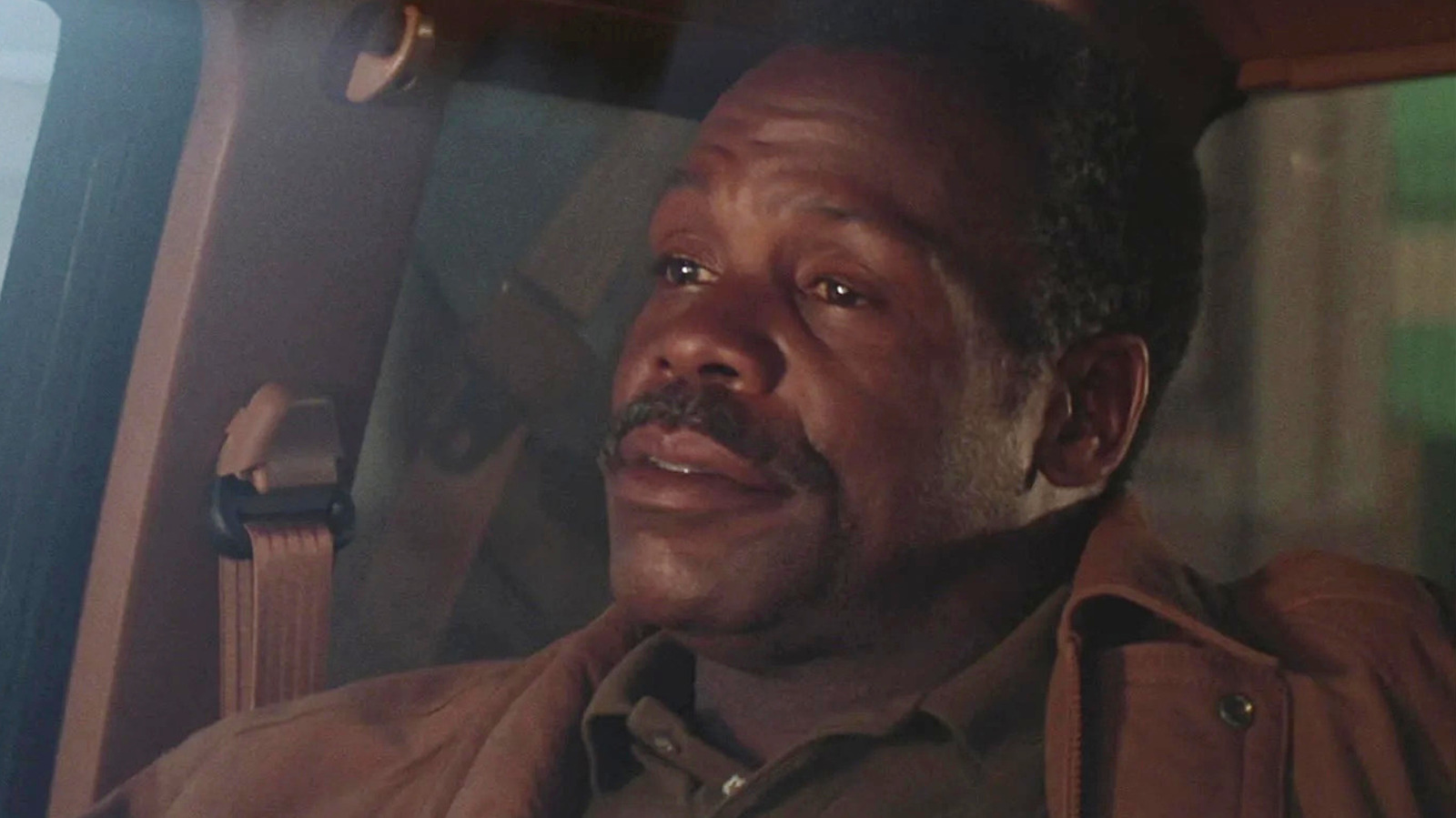
It was during this development phase that Ed Boon, the co-creator of the game, began receiving phone calls from the studio. As Boon recounted in a 2015 oral history with The Hollywood Reporter, he was initially skeptical that a movie would even be made. He recalled the studio floating several names for Raiden, including Danny Glover.
"I remember them saying, ‘What do you think of Danny Glover as Raiden?’" Boon noted. While Glover’s talent was undeniable, his casting would have been a radical departure from the character’s established visual identity in the games. Ultimately, the studio pivoted to Christopher Lambert, likely seeking to capitalize on his existing "immortal warrior" persona from the Highlander films.
2021: A Return to Authenticity
It took nearly three decades for the live-action franchise to align Raiden’s casting with his perceived cultural roots. In the 2021 Mortal Kombat reboot, Japanese actor Tadanobu Asano was cast as the Thunder God, providing a portrayal that many felt was more respectful of the character’s East Asian aesthetic influences.
Supporting Data: The Cultural Context of 90s Casting
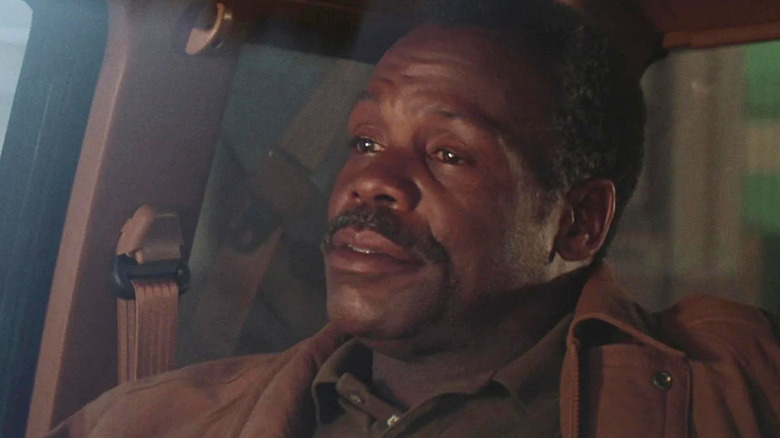
To understand why Danny Glover was even suggested, one must look at the state of the film industry in the mid-90s. At the time, Danny Glover was coming off Lethal Weapon 3 (1992) and Angels in the Outfield (1994). He was a household name, known for playing stable, authoritative, and heroic figures.
In contrast, the concept of a "video game movie" was in its infancy. Super Mario Bros. (1993) and Street Fighter (1994) had both been critical disasters. New Line Cinema was desperate to ensure Mortal Kombat didn’t follow suit. Their strategy was to cast "pre-sold" stars—actors the general public already liked—regardless of whether they fit the pixelated source material.
Furthermore, the 1995 film was intentionally designed to be a "broad appeal" martial arts fantasy. The decision to tone down the R-rated violence of the games to a PG-13 rating was a calculated move to capture the teenage demographic. Casting a major star like Glover would have been another pillar in that "mass appeal" strategy.
Official Responses: Ed Boon’s Perspective
Ed Boon’s reflections on the casting process provide a candid look at the disconnect between game developers and film executives. Boon admitted that, at the time, he didn’t take the movie project seriously.
"When the movie was being discussed, I remember not taking it seriously at first. I thought, ‘This is probably going to be talked about but not happen,’" Boon told The Hollywood Reporter.
His reaction to the casting suggestions was one of polite bewilderment. Regarding Raiden’s race, Boon clarified that while the original game’s digitized sprites didn’t explicitly define a race, the developers certainly didn’t have "the Highlander guy" or Danny Glover in mind. The character was a blank slate that the studio felt they could color in with whatever star was available and willing.
Boon eventually praised Lambert’s performance, noting that the actor brought a unique, dry wit to the character that wasn’t present in the games. "Christopher Lambert did a great job. He brought a lot of his own personal performance to it," Boon said.
Implications: The Evolution of Representation and Adaptations
The fact that Danny Glover was considered for Raiden—and that Christopher Lambert was ultimately cast—highlights a significant shift in how Hollywood approaches intellectual property (IP) and cultural representation.
1. The End of "Star-First" Casting
In the 90s, the "Star" was the IP. Today, the "Brand" is the IP. Modern adaptations like the 2021 Mortal Kombat or HBO’s The Last of Us prioritize casting actors who embody the specific traits and ethnicities of the characters as they appeared in the games. The era of casting a famous actor simply because they are famous, regardless of the character’s background, has largely faded in favor of "authentic" representation.
2. Racial Ambiguity in Early Gaming
The Raiden casting saga also speaks to the limitations of early gaming technology. Because characters were often small, pixelated, or (in MK’s case) digitized from a limited pool of local actors, their "official" ethnicities were often left to the player’s imagination. This gave film studios a sense of "creative license" that would be impossible today, given the high-fidelity character models and deep lore of modern gaming.
3. The "What If" Legacy
The idea of Danny Glover as Raiden remains one of the great "what ifs" of 90s cinema. While it likely would have drawn criticism for departing from the game’s aesthetic, Glover’s presence might have given the film a different kind of prestige. It also would have been a rare instance of a Black actor playing a major deity in a fantasy blockbuster during that era.
In the end, Mortal Kombat (1995) succeeded because of its infectious energy, its iconic techno theme song, and its surprisingly competent fight choreography. Christopher Lambert’s Raiden became a beloved, if slightly confusing, part of that success. However, the revelation of the Danny Glover "wild idea" serves as a reminder of a time when the rules of video game adaptations were being written on the fly, and the boundaries of Earthrealm were as flexible as a studio executive’s imagination.
As the franchise moves forward with Mortal Kombat II (the sequel to the 2021 reboot), the series seems to have finally found its footing, balancing the demands of a global audience with a respect for the digital DNA that started it all in a Chicago arcade over thirty years ago.

Leave a Comment