
Dungeons & Dragons Unveils Strikingly Different Alternate Cover for 2024 Player’s Handbook, Sparking Community Discussion
SEATTLE, WA – June 10, 2024 – Wizards of the Coast, the venerable publisher behind the world’s most popular tabletop roleplaying game, Dungeons & Dragons, has captivated its global player base with the recent unveiling of the alternate cover art for its highly anticipated 2024 Player’s Handbook. This revelation follows closely on the heels of the standard cover’s debut, presenting a stark stylistic and thematic contrast that has ignited considerable discussion within the D&D community regarding the game’s evolving artistic direction and brand identity.
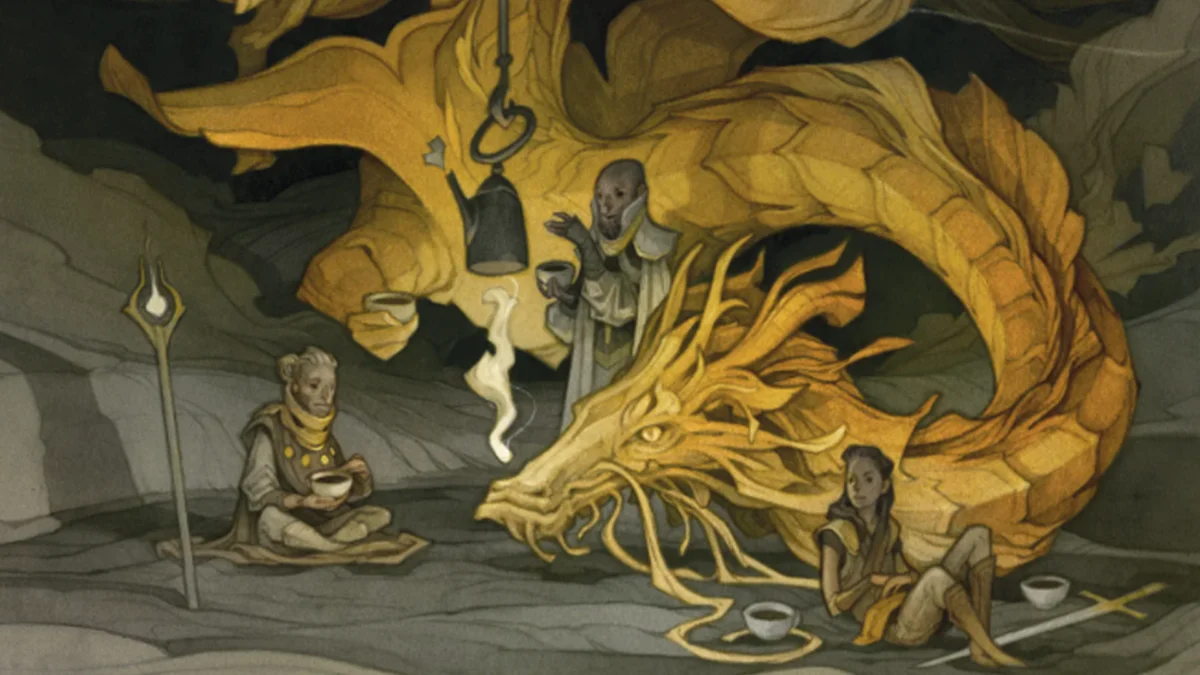
The alternate cover, designed by acclaimed artist Wylie Beckert, offers a whimsical and introspective tableau that stands in stark opposition to the standard edition’s dynamic, action-packed scene. Both covers feature a golden dragon, serving as a subtle thematic link, yet their overall narratives diverge dramatically, catering to the diverse tastes and playstyles that define the modern D&D experience.
Main Facts: A Tale of Two Covers
The forthcoming 2024 Player’s Handbook, a cornerstone publication for the Dungeons & Dragons franchise, is set to receive two distinct visual identities, each conveying a unique aspect of the game’s expansive appeal. These covers are not merely aesthetic choices but serve as powerful visual metaphors for the varied experiences players can forge at the tabletop.
The Standard Edition: Epic Confrontation and Classic Heroism
Last week, Wizards of the Coast first revealed the artwork for the standard front cover of the 2024 Player’s Handbook. This cover, illustrated by Tyler Jacobsen, is a vivid and energetic portrayal of heroic fantasy in its most quintessential form. It features a diverse party of D&D adventurers and heroes locked in what appears to be a pivotal battle. Among the recognizable figures are classic characters steeped in D&D lore, such as Strongheart the Knight, known for his unwavering courage; Elkhorn the Dwarf Warrior, a symbol of dwarven tenacity; and Yolande the Elven Queen, embodying grace and power.
This iconic ensemble is depicted preparing to engage a horde of Kobolds, a ubiquitous and classic Dungeons & Dragons enemy, whose small stature and reptilian features make them a familiar foe for novice and veteran adventurers alike. Positioned behind the adventuring party, almost as a silent guardian or a powerful ally, stands a benevolent golden dragon. The overall composition strongly implies a moment of intense combat, underscoring the action-oriented elements of the game—dungeon delving, monster slaying, and heroic deeds—which are often the primary associations the general public has with Dungeons & Dragons. Jacobsen’s style is characterized by its dynamic energy, crisp detail, and a celebration of classic fantasy archetypes, making the standard cover a powerful declaration of D&D’s roots in high adventure and epic conflict.
The Alternate Edition: Serene Fellowship and Whimsical Intrigue
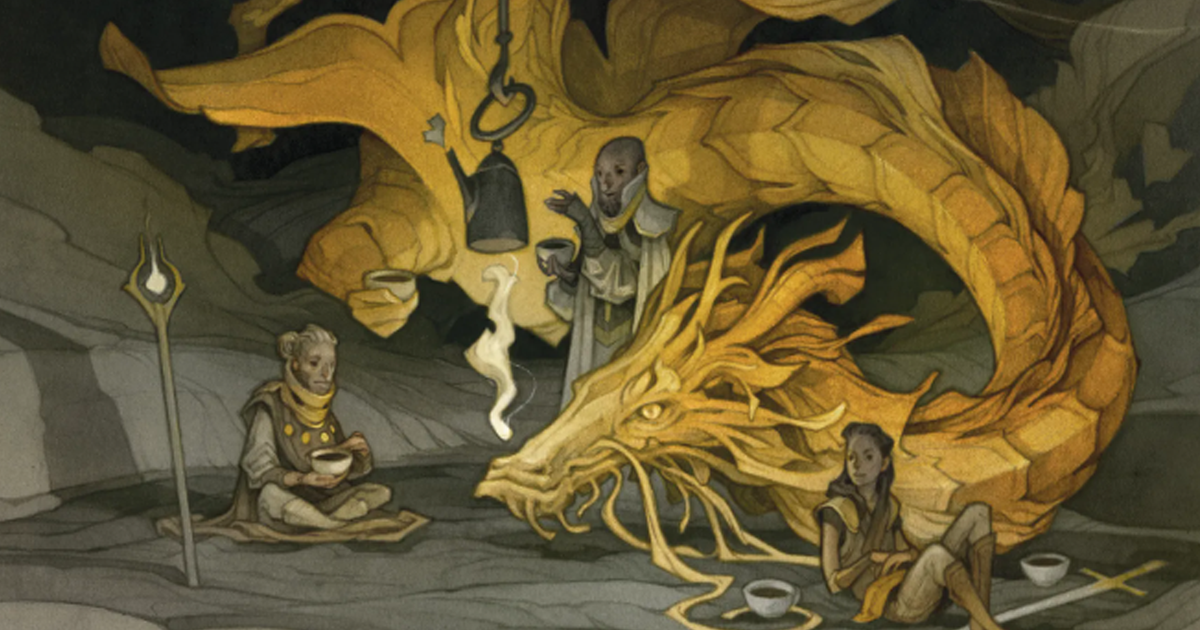
In a strategic move to appeal to an even broader segment of its player base, the alternate cover for the 2024 Player’s Handbook was unveiled shortly after the standard edition. This version, a masterwork by artist Wylie Beckert, presents a remarkably different vision of the adventuring life. Far from the heat of battle, this cover depicts a classic Dungeons & Dragons party—a wizard, a cleric, a fighter, and a rogue—engaged in a decidedly more tranquil activity: sharing a pot of tea.
The setting appears to be the interior of a cavern or a secluded dungeon chamber, illuminated by soft, ambient light, transforming a potentially dangerous environment into a cozy, communal space. The same golden dragon seen on the standard cover reappears here, but in a dramatically altered context. Instead of a backdrop to battle, this dragon is an active participant in the tea party, delicately grasping a normal-sized teacup in one of its massive paws, an image that evokes both wonder and a touch of the absurd. Perched precariously yet comfortably on the dragon’s body, the party’s rogue adds another layer of whimsical detail to the scene.
Beckert’s illustration, with its intricate details and dreamlike quality, evokes a sense of camaraderie, downtime, and the often-overlooked quieter moments of an adventure. It speaks to the narrative, roleplaying, and character interaction aspects of D&D, appealing to players who appreciate the bonds formed between characters and the rich tapestry of stories woven beyond just combat encounters. This alternate cover is specifically designed for collectors and players who resonate more with a relaxed, introspective, or even whimsical approach to their fantasy campaigns, offering a visual counterpoint to the heroic action of the standard edition.
Practically, these alternate versions of D&D books differ from their standard counterparts only in their external aesthetics and cover art; the internal content, rules, and lore remain identical. This strategy allows Wizards of the Coast to cater to diverse aesthetic preferences without fragmenting the game’s core mechanics. The alternate version of the new D&D Player’s Handbook is slated for an early release, becoming available exclusively at local game stores on September 3rd, 2024, two weeks prior to the wider retail release of the standard book on September 17th, 2024. This staggered release also serves as an incentive for players to support their local game stores.
Chronology of Reveals: Building Anticipation for a Core Update
The unveiling of the 2024 Player’s Handbook covers is not an isolated event but a carefully orchestrated part of a larger, ongoing initiative by Wizards of the Coast to evolve and refine Dungeons & Dragons. This initiative, often referred to by the community as "One D&D" or the "2024 Core Rulebooks," aims to update the foundational rules of D&D 5th Edition while maintaining backward compatibility. The process has been characterized by extensive public playtesting through "Unearthed Arcana" articles, where fans have been invited to review and provide feedback on proposed rule changes for several years.
The Road to the 2024 Player’s Handbook
Anticipation for the 2024 Player’s Handbook has been building steadily since the "One D&D" project was first announced. Players have been keenly following the playtest documents, debating potential class changes, spell revisions, and new mechanics. The Player’s Handbook is widely regarded as the most crucial of the three core rulebooks (alongside the Dungeon Master’s Guide and Monster Manual), as it is the primary entry point for new players and the most frequently referenced book for character creation and basic gameplay. Therefore, its visual identity carries significant weight, signaling the tone and direction of this updated iteration of the game.
The Standard Cover’s Debut and Initial Reception
The initial reveal of the standard Player’s Handbook cover artwork was met with enthusiastic reception from a large segment of the D&D community. The artwork, featuring classic characters engaged in a heroic struggle against familiar foes, resonated deeply with players who cherish D&D’s legacy of high fantasy adventure. The return of characters like Strongheart and Yolande, who have historical ties to earlier editions and lore, was particularly celebrated, evoking a sense of continuity and homage to the game’s rich past. The dynamic composition and vibrant colors conveyed a clear message: D&D remains a game of epic battles, daring quests, and the triumph of heroes against overwhelming odds. The golden dragon’s presence, positioned as an ally rather than an adversary, also hinted at evolving lore or a broadening perspective on iconic D&D creatures.
The Alternate Cover’s Subsequent Revelation
The revelation of the alternate cover artwork, which followed just days after the standard cover, created an immediate and fascinating juxtaposition. The timing was strategic, allowing the standard cover to establish a baseline expectation of traditional D&D heroism, only to then subvert it with a radically different aesthetic. This swift follow-up highlighted Wizards of the Coast’s intention to showcase the multifaceted nature of D&D. The alternate cover quickly garnered its own fervent following, particularly among players who lean into the roleplaying, narrative, and social aspects of the game. Its whimsical charm and emphasis on character interaction provided a refreshing counter-narrative, proving that D&D’s appeal extends far beyond just dungeon crawling and combat. The rapid succession of these distinct reveals underscored the publisher’s desire to generate buzz, cater to diverse artistic preferences, and visually articulate the breadth of experiences D&D offers.
Supporting Data and Context: Art as the Gateway to Adventure
The role of cover art in tabletop roleplaying games, especially for a titan like Dungeons & Dragons, cannot be overstated. It serves as the primary visual ambassador for an edition, setting expectations, attracting new players, and solidifying the brand’s identity. The decision to commission two such distinct covers for the 2024 Player’s Handbook reflects a sophisticated understanding of both D&D’s history and its diverse modern audience.
The Enduring Significance of the Player’s Handbook
The Player’s Handbook (PHB) is arguably the most important book in the Dungeons & Dragons canon. It contains the fundamental rules for character creation, combat, exploration, and spellcasting. It is the first book many aspiring adventurers purchase, making its cover art their initial visual encounter with the game’s imaginative world. From the iconic red box Basic Set to the formidable tomes of Advanced Dungeons & Dragons and through subsequent editions, the PHB cover has always been a powerful statement about the edition’s focus and artistic direction. Early covers by artists like Larry Elmore and Clyde Caldwell defined the heroic fantasy aesthetic for generations, depicting valiant heroes, fearsome monsters, and mysterious ruins. The 5th Edition PHB cover, featuring a party battling a fire giant, continued this tradition of high-stakes adventure. The 2024 covers are therefore not just pretty pictures; they are crucial elements in defining the next iteration of D&D.
Artistic Direction and Brand Evolution
The artistic choices for the 2024 Player’s Handbook covers highlight a deliberate strategy to broaden D&D’s brand identity.
-
Tyler Jacobsen’s Vision: Tyler Jacobsen, responsible for the standard cover, is known for his dynamic compositions and ability to convey epic scale and heroic action. His work often features powerful figures and dramatic scenarios, perfectly aligning with the traditional heroic fantasy elements that have long been a cornerstone of D&D. The choice of Jacobsen for the standard cover reinforces the game’s commitment to its roots in adventure, conflict, and the classic struggle between good and evil. His artwork serves as a reassuring anchor for long-time players who expect a certain level of grandeur and excitement from their D&D experience.
-
Wylie Beckert’s Distinctive Style: Wylie Beckert’s art, by contrast, is characterized by its intricate detail, whimsical surrealism, and often dreamlike quality. Her work frequently explores themes of folklore, narrative, and quiet magic, moving beyond conventional heroic tropes. She is no stranger to D&D, having previously lent her unique vision to the alternate cover of "Tasha’s Cauldron of Everything," which similarly offered a distinct, more fantastical and less overtly combative perspective on magic and lore. Beckert’s alternate Player’s Handbook cover, with its tea-drinking adventurers and dragon, signals that D&D is also a game of fellowship, personal stories, and charming, unexpected moments. It appeals to a growing segment of the player base that prioritizes roleplaying, character development, and narrative depth over relentless combat. The decision to feature Beckert’s work prominently on a core rulebook underscores Wizards of the Coast’s acknowledgment and embrace of these diverse playstyles.
The Golden Dragon Motif: Continuity and Shifting Perceptions
Both covers prominently feature a golden dragon. While its role differs significantly—a looming ally in battle on the standard cover, a tea-sipping companion on the alternate—its consistent presence suggests a deliberate thematic thread. Dragons are, of course, synonymous with Dungeons & Dragons. Historically, they have often been portrayed as formidable adversaries, hoarders of treasure, or ancient, mysterious beings. The golden dragon’s portrayal on both 2024 covers, however, hints at a broader, perhaps more nuanced, understanding of these creatures within the game’s evolving lore. It could symbolize the potential for powerful allies, the deep magic inherent in the world, or even the evolving relationship between adventurers and the fantastic creatures they encounter. This motif provides a subtle bridge between the two otherwise disparate artistic visions, suggesting that even within their differences, both covers represent authentic D&D experiences.
Market Strategy: Catering to a Diverse Player Base and Collector’s Market
The strategy of offering alternate covers is a well-established practice in publishing, particularly in collectible markets like comic books and tabletop games. For D&D, it serves several key purposes:

- Diverse Player Preferences: The D&D community is incredibly varied. Some players are drawn to the heroic combat, others to political intrigue, some to lighthearted exploration, and many to the social camaraderie. By offering two visually distinct covers, Wizards of the Coast acknowledges and validates these different entry points and preferred playstyles. It allows players to choose a book that visually resonates most strongly with their personal vision of D&D.
- Collector’s Appeal: Alternate covers inherently appeal to collectors. The initial exclusivity of the alternate cover to local game stores creates a sense of urgency and scarcity, encouraging day-one purchases and driving traffic to vital brick-and-mortar retailers. These versions often become sought-after items, contributing to the broader D&D merchandise ecosystem.
- Artistic Showcase: This approach allows Wizards of the Coast to feature a wider range of artistic talent and styles. By commissioning two prominent artists with distinct aesthetics, they enrich the visual landscape of D&D and offer players a choice that goes beyond a single, monolithic artistic statement.
- Reinforcing "One D&D" Inclusivity: The "One D&D" initiative has emphasized making the game more accessible and inclusive. Offering covers that represent different facets of the D&D experience aligns with this goal, signaling that there’s a place for all types of adventurers and all kinds of stories within the game.
Official Responses and Statements (Inferred Rationale)
While direct quotes regarding the specific artistic intent behind these two covers are not widely available at the time of this writing, the strategy employed by Wizards of the Coast can be inferred based on their past actions and the broader trajectory of the D&D brand.
Wizards of the Coast’s Strategic Intent
It is highly probable that Wizards of the Coast views these contrasting covers as a deliberate statement about the breadth and depth of the Dungeons & Dragons experience. By presenting a heroic battle scene alongside a whimsical tea party, they are visually communicating that D&D is not a monolithic game. It can be a grand epic of high adventure, a gritty dungeon crawl, a political thriller, or a heartwarming tale of friendship and camaraderie. This dual presentation likely aims to:
- Expand Appeal: Attract new players who might be intimidated by the purely combat-focused imagery of traditional fantasy, showing them a more approachable and perhaps even charming side of the game.
- Validate Diverse Playstyles: Reassure existing players that their preferred style of play, whether focused on combat or roleplaying, is equally valid and supported by the core rules.
- Showcase Artistic Diversity: Demonstrate the rich artistic talent associated with D&D and provide a platform for different interpretations of its fantasy worlds.
- Drive Engagement and Sales: Generate considerable discussion and excitement, encouraging players to choose the cover that speaks to them most, and potentially even acquire both for their collections. The early release at local game stores for the alternate cover is a clear incentive to engage with the retail network.
Artist Contributions to Brand Identity
The selection of Wylie Beckert and Tyler Jacobsen for these pivotal covers speaks volumes about Wizards of the Coast’s commitment to quality and variety in its art direction. Beckert, with her unique and often surrealistic style, challenges traditional fantasy aesthetics, inviting players to see the world of D&D through a fresh lens. Her work for "Tasha’s Cauldron of Everything" set a precedent for alternate covers that offer a distinct, more artistic, and less conventional take on the game’s themes. Jacobsen, on the other hand, embodies the classic, dynamic heroism that has defined D&D for decades, providing a sense of continuity and epic scale. Together, their contributions highlight a brand that is both reverent of its past and eager to explore new artistic frontiers.
Community Engagement and Marketing Rollout
The staggered reveal and the inherent contrast between the covers are also powerful marketing tools. They generate significant online discussion, social media buzz, and articles (such as this one), effectively providing organic promotion for the upcoming Player’s Handbook. This strategic rollout ensures that the book remains a prominent topic of conversation leading up to its release, building anticipation and keeping D&D at the forefront of the tabletop gaming discourse.
Implications and Future Outlook: Shaping the Next Generation of D&D
The dual cover strategy for the 2024 Player’s Handbook carries significant implications for how Dungeons & Dragons is perceived, marketed, and played in the years to come. It represents more than just an aesthetic choice; it’s a statement about the evolving identity of the game itself.
Impact on Player Perception and Expectations
These contrasting covers will undoubtedly shape player expectations for the 2024 Player’s Handbook and, by extension, the "One D&D" experience. The standard cover promises thrilling adventures and heroic deeds, reassuring those who love the traditional combat-heavy aspects of the game. The alternate cover, however, opens the door to broader interpretations, suggesting that the new ruleset might also facilitate more nuanced storytelling, character-driven narratives, and moments of quiet contemplation or whimsical interaction. This visual duality could signal a design philosophy within the book that explicitly supports both high-octane action and more intimate, narrative-focused gameplay. Players might anticipate new rules or expanded guidance on downtime activities, social encounters, or character relationships that complement the "tea party" vibe.
The Evolution of D&D’s Brand Identity
Dungeons & Dragons has been actively working to broaden its appeal and foster a more inclusive community. The alternate cover, with its focus on fellowship, humor, and a less aggressive interpretation of adventure, aligns perfectly with this ongoing effort. It helps to dismantle the stereotype that D&D is solely about fighting monsters in dark dungeons, showcasing its potential for diverse narratives and emotional depth. This move reinforces the idea that D&D is a game for everyone, regardless of their preferred playstyle, and that adventure can manifest in many forms, from epic battles to shared cups of tea with a dragon. This evolution of brand identity is crucial for D&D’s continued growth and relevance in a rapidly changing entertainment landscape.
The Collector’s Market and Retail Strategy
The alternate cover’s initial exclusivity to local game stores is a smart move that benefits both Wizards of the Coast and its retail partners. It provides a strong incentive for players to visit their local game shops, fostering community and supporting small businesses. For collectors, this exclusivity, combined with the unique art, makes the alternate cover a highly desirable item. It creates a secondary market for these unique editions, potentially increasing their value over time and cementing their status as collector’s pieces. This strategy also generates early sales momentum for the Player’s Handbook, ensuring a strong launch.
Future of D&D Artwork and Editions
This dual-cover approach sets a precedent for future D&D releases, particularly the upcoming Dungeon Master’s Guide and Monster Manual for 2024. It is highly probable that these core rulebooks will also receive standard and alternate covers, offering diverse artistic interpretations for the DM’s role and the myriad creatures of the D&D multiverse. This could lead to a richer, more varied visual canon for D&D, showcasing a wider array of artistic styles and thematic approaches. It might also inspire other tabletop RPG publishers to adopt similar strategies, further diversifying the aesthetic landscape of the hobby.
Heightened Anticipation for Content
Ultimately, while the covers are a powerful draw, the real anticipation lies in the content of the 2024 Player’s Handbook. These visually distinct covers serve to heighten that anticipation, creating a rich context for the rule changes, class updates, and new mechanics contained within. They promise a Dungeons & Dragons experience that is both familiar and fresh, epic and intimate, traditional and innovative. As the September release dates draw closer, the community will eagerly await the opportunity to delve into the pages of this pivotal new edition, ready to forge their own adventures, whether they involve battling kobolds with heroic fervor or sharing a quiet moment of fellowship over a cup of tea with a golden dragon.



Leave a Comment