
The Architecture of Evolution: Birmingham Design Festival 2026 Confronts a Changing World
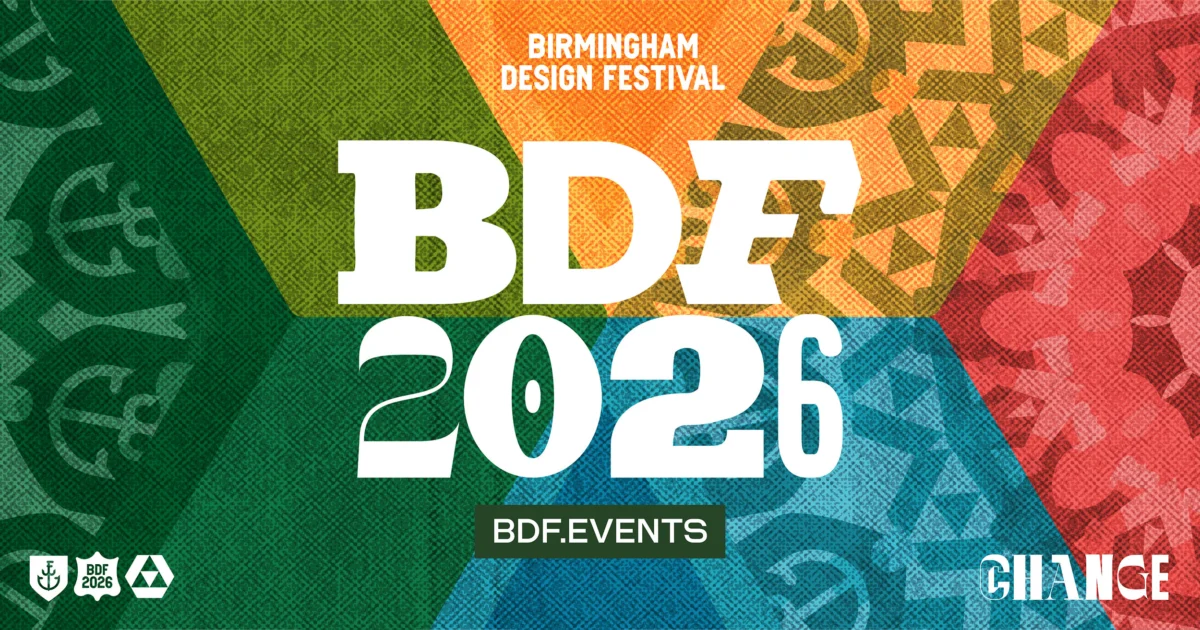
BIRMINGHAM, UK – As the global creative community finds itself at a pivotal crossroads, the West Midlands is preparing to host one of the most significant gatherings in the British design calendar. The Birmingham Design Festival (BDF) has officially announced its return for June 10-12, 2026, marking its eighth edition. This year, the festival moves beyond mere celebration, adopting the urgent and multifaceted theme of "Change"—a reflection of an industry currently navigating the turbulent waters of technological disruption, political activism, and a fundamental shift in the role of public service.
Since its inception, BDF has carved out a unique niche by balancing high-level international discourse with a grassroots, accessible atmosphere. As the countdown begins, the 2026 program promises to be the most ambitious yet, transforming Birmingham into a sprawling laboratory of visual culture and strategic thinking.
Main Facts: A Biennial Pillar of the UK Creative Economy
The Birmingham Design Festival has evolved from a local initiative into a major biennial event that rivals London-based design weeks in both scope and influence. Founded by designers Luke Tonge and Daniel Alcorn, the festival operates on a model of radical accessibility. Unlike many industry conferences that gatekeep knowledge behind prohibitive ticket prices, BDF maintains a commitment to inclusivity, offering over 15 free talks per day alongside its premium evening headline events.
The 2026 edition is set to occupy multiple venues across the city, including independent studios, civic spaces, and major cultural hubs. The core objective remains steadfast: to bridge the gap between world-renowned design icons and the emerging talent currently studying or freelancing in the Midlands. By doing so, BDF fosters a circular creative economy where mentorship and inspiration flow freely across generational and professional divides.
The selection of "Change" as the central theme is no coincidence. In a year where the design industry is grappling with the ethical implications of generative AI, the necessity of sustainable production, and the demand for more equitable branding, the festival serves as a critical forum for these debates.
Chronology: From Local Concept to International Destination
To understand the weight of the 2026 festival, one must look at the trajectory of the event since its founding.
- 2018–2020: The Foundation Years: BDF was launched with the intent of putting Birmingham—a city with a rich industrial and typographic heritage—back on the design map. Early editions focused on building a community, quickly gaining traction by securing speakers like Jessica Hische and Morag Myerscough.
- 2021–2024: Resilience and Growth: Despite the challenges posed to live events during the early 2020s, the festival transitioned into a biennial format, allowing for deeper curation and more significant logistical planning. It solidified its reputation for "genuine accessibility," a phrase often used by founders Tonge and Alcorn to describe their rejection of the "stuffy" conference atmosphere.
- 2025: The Planning Phase: Throughout the previous year, the BDF team worked to curate a lineup that reflected the "Change" theme, seeking out voices that didn’t just design products, but designed movements.
- June 2026: The Eighth Edition: The festival opens its doors on June 10, beginning a three-day intensive program that spans the entire spectrum of creative output, from traditional craft to digital subversion.
Supporting Data: A Lineup Defined by Diversity and Disruption
The 2026 speaker list reads like a "who’s who" of contemporary creative thought, purposefully selected to represent the various facets of the "Change" theme.
The Headliners of Transformation
At the forefront of the program is Samar Maakaroun, a partner at Pentagram known for her mastery of multilingual branding and her ability to navigate complex cultural identities through design. Her presence underscores the festival’s focus on global perspectives.
In a move that highlights the intersection of design and political commentary, the festival will feature Cold War Steve (Christopher Spencer). His surreal, satirical collages have become a staple of the UK’s socio-political landscape, demonstrating how "low-tech" digital art can wield immense cultural power. Similarly, the activist collective Led By Donkeys will discuss their work. By utilizing billboards and large-scale installations to hold political figures accountable, they have effectively redefined the boundaries of graphic design as a tool for public campaigning.
Industry Titans and Educators
The advertising world is represented by Nadja Lossgott and Nicholas Hulley, the Chief Creative Officers of AMV BBDO. Their sessions are expected to delve into how major agencies are adapting to shifting consumer ethics and the "change" in how stories are told in a fragmented media landscape.
For those interested in the structural side of the industry, Simon Manchipp and Rich Rhodes of the agency SomeOne will provide insights into high-level branding strategy. Meanwhile, the educational and philosophical side of the craft will be represented by the legendary Anthony Burrill, whose typographic manifestos have become synonymous with the "Work Hard & Be Nice to People" ethos that BDF strives to emulate.
Specialized Disciplines
The 2026 program purposefully avoids being pigeonholed into "graphic design" alone. The schedule includes:
- Service Design: Lou Downe, founder of the School of Good Services, will lead discussions on how design can make public services more human and efficient.
- Motion and Animation: Yukai Du will showcase the evolution of digital storytelling.
- Multidisciplinary Art: Chila Kumari Singh Burman, a Birmingham-based artist, will bring a local yet internationally acclaimed perspective on installation and light art.
- Niche Crafts: Dedicated tracks will cover everything from furniture-making and stop-motion to wayfinding and healthcare design.
Official Responses: The Vision of the Founders
While formal press releases highlight the names, the underlying philosophy of the festival is best understood through the mission of its founders, Luke Tonge and Daniel Alcorn. In previous statements leading up to this edition, the organizers have emphasized that BDF is "by designers, for designers."
"The industry is in a state of flux," says the BDF leadership team. "Whether it’s the way we use technology or the way we view our responsibility to society, nothing is static. We wanted the 2026 festival to be a place where we don’t just talk about change as a scary, external force, but as a tool we can use to build a better version of our profession."
This sentiment is echoed by the festival’s commitment to the West Midlands. By hosting the "City-Wide Design Trail," BDF encourages visitors to step out of the lecture halls and into the actual workspaces of Birmingham. This initiative is designed to showcase the city not just as a host, but as a living, breathing creative ecosystem.
Implications: Why BDF 2026 Matters for the Future of Design
The significance of the 2026 Birmingham Design Festival extends far beyond a three-day event. It carries several long-term implications for the UK’s creative sectors.
1. The Decentralization of Design
For decades, the UK design industry was heavily London-centric. BDF’s continued success proves that high-level creative discourse can thrive in regional hubs. This decentralization is vital for the health of the industry, ensuring that diverse voices from different socio-economic backgrounds have a platform.
2. Design as a Public Service
By including figures like Lou Downe and Led By Donkeys, the festival is signaling a shift in the definition of "design." It is no longer just about making things look good or selling products; it is increasingly about the "design of systems"—whether those are governmental services or political movements. This reflects a maturing industry that is taking its role in civic life more seriously.
3. The Human-Tech Balance
As AI continues to automate technical tasks, BDF 2026 places a heavy emphasis on "craft" and "human-centric" design. The workshops on furniture-making and installation art serve as a reminder that the physical, tactile world remains the ultimate canvas for human creativity. The festival suggests that the "Change" we are seeing isn’t a replacement of humans by machines, but a refocusing of human effort toward more strategic and soulful endeavors.
4. Economic Vitality for the Midlands
The influx of thousands of delegates provides a significant boost to Birmingham’s hospitality and retail sectors. More importantly, it creates a "halo effect" for local agencies and freelancers, who gain visibility and networking opportunities that would otherwise require expensive travel to international capitals.
Conclusion: A Blueprint for the Future
As June 10 approaches, the Birmingham Design Festival stands as a testament to the resilience and curiosity of the creative community. By embracing "Change" as its North Star, the 2026 edition is poised to do more than just showcase pretty pictures; it is set to provide a blueprint for how designers can navigate an uncertain future with confidence, ethics, and a sense of community.
For the students attending their first portfolio review and the seasoned partners of global firms alike, BDF 2026 represents a vital moment of pause—a chance to look at where the industry has been and, more importantly, where it is going next.
For more information, tickets, and the full schedule of events, visit birminghamdesignfestival.org.uk.

Leave a Comment