
"Mortal Kombat II" Delivers a Bloody, Hilarious, and Unabashedly Fun Cinematic Spectacle
Hollywood, CA – The highly anticipated sequel, "Mortal Kombat II," has burst onto screens, promising and delivering a no-holds-barred cinematic experience that prioritizes pure entertainment, visceral action, and a refreshing dose of self-aware humor. Moving beyond the more serious tone of its predecessor, the film, which premiered recently, has garnered enthusiastic early reception for embracing the inherent silliness and over-the-top violence that defines its iconic video game source material. Critics and fans alike are celebrating its commitment to fun, marking it as a significant entry in the evolving landscape of video game adaptations.
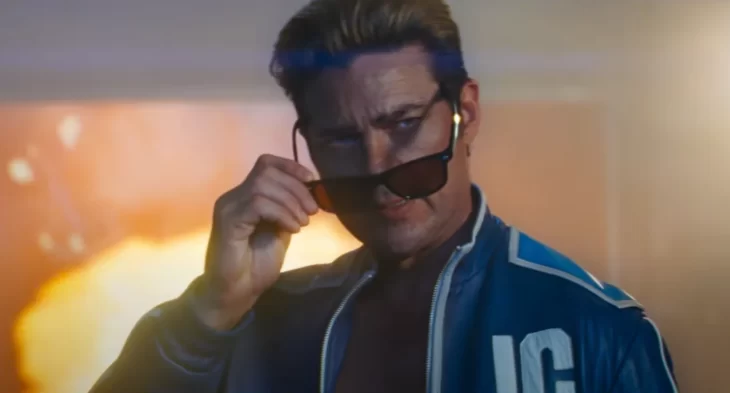
Central to the film’s immediate appeal is the introduction of Karl Urban as the iconic Hollywood action star, Johnny Cage. Urban’s portrayal, characterized by a delightful blend of bravado and comedic vulnerability, anchors a narrative shift that leans heavily into the franchise’s lighter, more bombastic elements. However, it is Josh Lawson, reprising his role as the aggressively Australian mercenary Kano, who, for many, once again steals the show, cementing his status as a fan-favorite and a masterclass in chaotic comic relief.
The film’s reception underscores a growing appetite for escapist cinema that doesn’t shy away from its fantastical premise. "Mortal Kombat II" is being hailed as a successful pivot, offering a riotous journey through Earthrealm’s defense against Outworld, packed with brutal fatalities, memorable one-liners, and a palpable sense of joy.
The Enduring Legacy of Mortal Kombat: A Chronological Retrospective
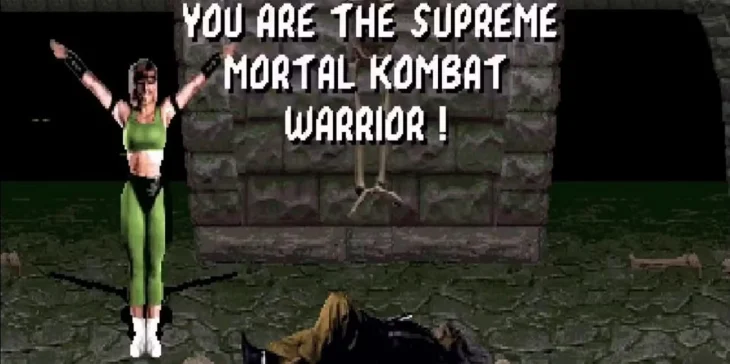
The Mortal Kombat saga began not on the silver screen, but in the dimly lit arcades of 1992. Developed by Midway Games, the original Mortal Kombat arcade cabinet revolutionized fighting games with its innovative use of digitized sprites, mature themes, and, most famously, its "Fatalities"—gruesome finishing moves that became the series’ signature. Its instant success spawned a cultural phenomenon, expanding rapidly into home console ports, comic books, animated series, and eventually, feature films.
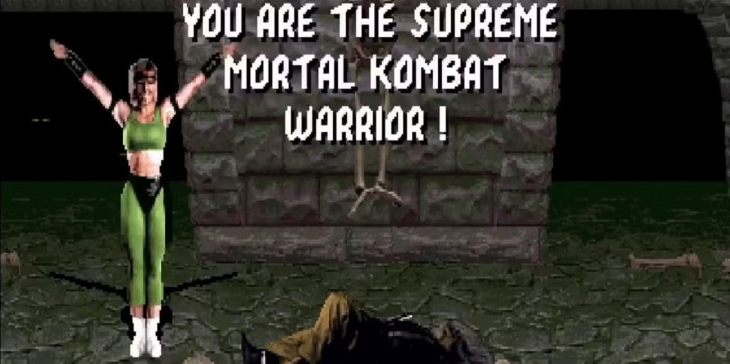
The franchise’s impact on popular culture cannot be overstated. It introduced a diverse roster of characters, including formidable female fighters like Sonya Blade, who defied conventional video game stereotypes by standing toe-to-toe with their male counterparts, their victories predicated solely on skill. For many, including this reviewer, the game, alongside other influential media like "Xena: Warrior Princess," served as an early inspiration for engaging in real-world martial arts training, highlighting its unexpected role in promoting physical discipline and empowerment.
Hollywood first attempted to capture the lightning-in-a-bottle appeal of Mortal Kombat in 1995 with Paul W.S. Anderson’s live-action film. While critically mixed, it achieved cult status for its surprisingly faithful tone, iconic soundtrack, and memorable performances. Its 1997 sequel, "Mortal Kombat: Annihilation," however, largely failed to resonate, struggling with its narrative and execution.
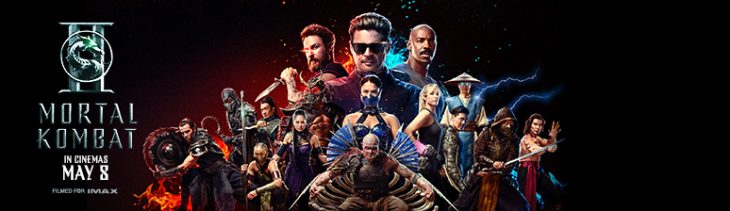
After a hiatus, the franchise was rebooted for the big screen in 2021. This iteration aimed for a grittier, more grounded approach, introducing a new protagonist, Cole Young, and focusing on the origins of the fighters’ powers. While visually impressive and packed with fan-service in its action sequences, its more serious tone and somewhat convoluted narrative left some viewers, including this reviewer, feeling disconnected. The film struggled to fully embrace the inherent camp and outrageousness that defines Mortal Kombat, leading to a sense of missed opportunity. This lukewarm reception for the 2021 film set the stage for "Mortal Kombat II" to recalibrate and deliver an experience more aligned with the franchise’s joyful brutality.
"Mortal Kombat II": A Masterclass in Self-Aware Spectacle
"Mortal Kombat II" represents a significant tonal shift from its immediate predecessor, a strategic decision that has proven highly effective. The film understands precisely what it is: a riotous, action-packed spectacle designed for maximum enjoyment, not profound philosophical discourse. It is a cinematic experience that revels in its own absurdity, delivering on its promise of excellent action, hearty laughs, and an abundance of signature gore.
Embracing the Absurdity: Tone and Narrative Shift
Where the 2021 film occasionally struggled under the weight of its own seriousness, "Mortal Kombat II" liberates itself by fully leaning into the ridiculousness of its premise. The narrative largely shifts focus from Cole Young, integrating him as part of a larger ensemble, to introduce Johnny Cage. This pivot allows the film to inject a much-needed vein of humor and meta-commentary, creating a more dynamic and engaging viewing experience. The film is not a "thinker"; it’s a "feeler"—eliciting visceral reactions of excitement, laughter, and shock. This unpretentious approach is key to its success, reminding audiences that blockbusters can, and should, be primarily fun.
The Charismatic Combatant: Karl Urban as Johnny Cage
The anticipation surrounding Karl Urban’s casting as Johnny Cage was immense, and the film wastes no time in capitalizing on his star power. Cage is introduced as a washed-up action hero, a relic from the era of cheesy, poorly choreographed action films of the early 90s. This self-referential humor is immediately apparent in a hilariously bad action sequence from one of his fictional movies, perfectly setting the tone for both the character and the film. Urban’s performance is a masterclass in self-aware hamming, as he fully embraces Cage’s exaggerated persona. His scenes are replete with comedic timing and a knowing wink to the audience, transforming what could have been a caricature into a surprisingly endearing figure.
Crucially, "Mortal Kombat II" intelligently grounds Cage’s journey. Unlike many action heroes who magically gain fighting prowess, Cage initially struggles. His past as a winning fighter is acknowledged, but the film explicitly shows that his on-screen heroics were largely thanks to stunt doubles. When thrust into the brutal reality of Mortal Kombat, his lack of genuine combat experience is evident, providing a compelling and humorous arc as he grapples with his limitations. Urban’s ability to play both the arrogant movie star and the genuinely out-of-his-depth fighter elevates the character beyond mere comic relief, making his eventual growth feel earned and relatable within the film’s heightened reality.
Kano’s Triumphant Return: Josh Lawson’s Scene-Stealing Performance
While Urban’s Johnny Cage is a major draw, Josh Lawson’s reprisal of Kano proves to be the film’s secret weapon, surpassing even the formidable Cage in terms of sheer comedic impact. Kano, who was widely considered the standout character in the 2021 film, returns with even more aggressive Australian swagger and an unhinged energy that is nothing short of captivating. Lawson imbues Kano with an unapologetic crudeness and an endless stream of hilarious, often offensive, one-liners that consistently elicit the loudest laughs from the audience.
For this reviewer, a fellow Australian, Kano’s portrayal resonated deeply, offering a rare and exaggerated, yet undeniably entertaining, representation of Australian identity in a major Hollywood production. His over-the-top persona serves as a perfect foil to the more earnest heroes, providing crucial moments of levity and unpredictable chaos. Kano’s ability to steal scenes, even when sharing the screen with established stars, speaks volumes about Lawson’s performance and the character’s intrinsic appeal. He embodies the chaotic, unpredictable spirit of Mortal Kombat perfectly, reminding everyone that even in the face of existential threats, there’s always room for a bit of cheeky nihilism.
Beyond the Fatalities: Action, Gore, and Spectacle
"Mortal Kombat II" does not disappoint in its delivery of brutal, expertly choreographed fight sequences. The film understands that the series’ identity is inextricably linked to its over-the-top violence and signature Fatalities. Each combat scene is a masterclass in dynamic action, showcasing a diverse range of martial arts styles and character-specific moves that will delight long-time fans of the games. The gore, while extensive, is never gratuitous for its own sake; rather, it’s a fundamental component of the Mortal Kombat aesthetic, enhancing the visceral impact of each confrontation.
Beyond the individual fights, the film builds a compelling world, balancing epic confrontations with moments of character development and humor. The pacing is relentless, ensuring that audiences are constantly engaged, whether through thrilling action or unexpected comedic beats. The shared audience experience, as evidenced by audible gasps and exclamations during unexpected character deaths, further amplifies the film’s impact, proving that "Mortal Kombat II" is best enjoyed in a communal setting where reactions can be shared and amplified.
Character Dynamics and the Earthrealm Defense
The broader narrative of "Mortal Kombat II" adheres to the franchise’s core premise: Earthrealm is under threat from Outworld, and a motley crew of heroes, guided by the lightning god Raiden, must overcome their personal limitations to save their dimension. However, the film subverts this familiar framework through its self-aware humor, particularly through Johnny Cage’s skeptical lens. The antagonists, led by the forces of Outworld, are portrayed with just enough menace to be credible threats, but the film never loses sight of its playful tone.
The ensemble cast, including Sonya Blade (a character with a significant personal connection for the reviewer), Raiden, and the returning Cole Young, all contribute to the overarching story. While Johnny Cage and Kano often dominate the comedic spotlight, other characters are given moments to shine, showcasing their unique fighting styles and personal struggles. The film skillfully balances individual character arcs with the collective goal, creating a cohesive and engaging narrative that feels both familiar and fresh.
Critical Reception and Fan Engagement: A Resounding Success
While a full global critical consensus is still forming, the enthusiastic response from this reviewer — a self-professed fan of the franchise and an admitted connoisseur of "bad taste" cinema – serves as a powerful indicator of the film’s success within its target demographic. "Mortal Kombat II" has resonated precisely because it delivers on the core promise of the franchise: unadulterated, gory, and hilarious fun. It is a film made for the fans, by creators who clearly understand and respect the source material’s unique blend of action and absurdity.
The film’s embrace of its "silly" nature is not a weakness but a strength. In an era often dominated by grimdark reboots and overly serious adaptations, "Mortal Kombat II" offers a refreshing counterpoint. It proves that a film can be self-aware and entertaining without sacrificing its integrity or alienating its audience. Its ability to elicit genuine laughter and excitement, often simultaneously, positions it as a significant victory for the video game adaptation genre. The shared audience experience, characterized by collective gasps and cheers, further underscores its effectiveness as a communal cinematic event.
The Future of the "Mortal Kombat" Cinematic Universe: Implications and Potential
The overwhelming positive reception for "Mortal Kombat II" has significant implications for the future of the Mortal Kombat cinematic universe. Its success, both critically (within its niche) and potentially at the box office, will undoubtedly pave the way for further installments. The film successfully expands the roster of beloved characters, setting up intriguing dynamics and potential storylines for future conflicts. The performances of Karl Urban and Josh Lawson, in particular, establish strong anchors for the franchise moving forward.
"Mortal Kombat II" also serves as an important case study for the broader landscape of video game adaptations. It suggests that a slavish devotion to gritty realism may not always be the most effective strategy. Instead, an understanding of the source material’s spirit – even if that spirit is loud, colorful, and gloriously over-the-top – can lead to a more authentic and enjoyable adaptation. This pivot towards embracing the inherent fun and absurdity could influence future projects, encouraging studios to trust the unique tones of their source materials rather than trying to fit them into a generic serious blockbuster mold.
Looking ahead, a potential "Mortal Kombat III" could further explore the rich lore of the franchise, introducing more iconic characters and delving deeper into the intricate politics of Outworld and Earthrealm. The dynamic between Johnny Cage and other heroes, particularly given his initial lack of prowess, offers fertile ground for continued character development. The enduring popularity of characters like Kano also ensures that the franchise has a strong foundation of fan favorites to build upon.
In a world increasingly fraught with real-life anxieties, "Mortal Kombat II" offers a much-needed dose of pure escapism. It is a loud, proud, and profoundly enjoyable reminder of why we go to the cinema: to be entertained, to laugh, to gasp, and to simply have a good time. Its unabashed embrace of silliness, combined with expertly executed action and genuinely funny performances, makes it a standout entry and a thrilling promise for the future of the Mortal Kombat cinematic universe. It truly was a good time in the cinema, well worth the price of admission.



Leave a Comment