
Unveiling the "Touch of the Ebon Hand": A Deep Dive into a Cult of Chaotic Mutation
FOR IMMEDIATE RELEASE
[Fictional City/Region] – [Date] – Recent acquisitions by arcane scholars and intrepid adventurers have brought to light disturbing information regarding a clandestine organization known as the Brotherhood of the Ebon Hand. Central to their perverse doctrines is a concept they term "the Touch of the Ebon Hand," a veneration of physical deformities and mutations as the ultimate manifestation of incarnate chaos. A newly discovered volume, reputedly titled "The Night of Dissolution," serves as a chilling testament to their philosophy and their horrifying methods, including a powerful ritual known as the "Blessing of Mutation."
The document, meticulously transcribed and analyzed, paints a vivid picture of a cult that not only idolizes malformation but actively seeks to inflict and propagate it. This report delves into the core tenets of the Brotherhood, the mechanics of their dark magic, and the profound implications these revelations hold for both societal stability and the very nature of existence.
Main Facts: The Cult of Incarnate Chaos
The "Touch of the Ebon Hand" refers to a spectrum of physical deformities and mutations, which, within the Brotherhood’s twisted ideology, are not ailments but sacred gifts. These physical alterations, ranging from minor cosmetic changes to profound anatomical restructuring, are seen as direct manifestations of chaotic energy, a divine blessing that brings the recipient closer to an ultimate state of being. The unearthed lorebook, "The Night of Dissolution," is filled with intricate, unsettling diagrams depicting these mutations in graphic detail, alongside esoteric texts that elevate these deformities to objects of worship.
What distinguishes the Brotherhood’s fanaticism is their particular reverence for "functional mutations." While any mutation is considered a mark of favor, those that grant a perceived advantage – an extra eye, unnaturally oversized limbs, or perhaps even an additional appendage – are especially prized. This suggests a utilitarian aspect to their chaos worship, where form follows function in the pursuit of enhanced, albeit monstrous, capabilities. The texts make it horrifyingly clear that the Brotherhood views these mutations not as deviations from a norm, but as an evolution, a path to transcending the limitations of conventional biology.
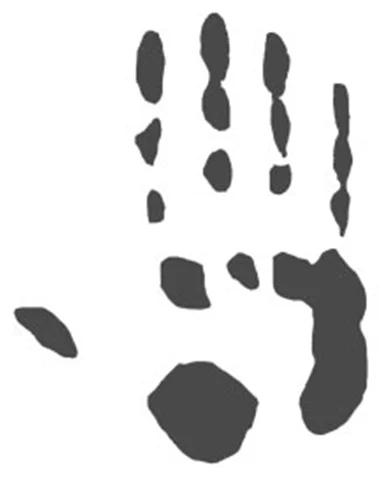
The Brotherhood itself operates without a distinctive uniform or overt symbols that might immediately betray their allegiance. Instead, members are identified by a subtle, yet pervasive, mark: the symbol of a black hand. This can manifest as a tattoo, a small charm, a discreet embroidery on clothing, or any other personal adornment. More tellingly, many members are also physically marked by the very mutations they seek to spread, their bodies serving as living proof of their devotion and the efficacy of their dark arts. Their clandestine nature allows them to infiltrate various societal strata, spreading their influence like a creeping disease from within.
Chronology: The Propagation of Perversion
The historical and operational chronology of the Brotherhood of the Ebon Hand, as inferred from "The Night of Dissolution," outlines a deliberate and escalating campaign to spread their chaotic creed. Their methods are multifaceted, combining arcane knowledge with alchemical and even technological experimentation, all geared towards a singular goal: the widespread infliction of mutation.
The journey into mutation, for a prospective cultist or an unwilling victim, often begins subtly. The lorebook describes "horrid rites" that initiate the process, hinting at ceremonies designed to prime an individual for transformation. These initial steps are likely psychological as much as physical, breaking down conventional understandings of beauty and normalcy, and preparing the subject to embrace the grotesque.
The Stages of Transformation:
-
Ritual Scarring: Beyond mere decorative or tribal markings, the Brotherhood employs ritual scarring as an early, tangible step towards altering the physical form. These scars are likely infused with minor chaotic energies or symbolic significance, serving as a gateway for deeper changes. They represent a conscious rejection of an unblemished form and an acceptance of alteration.
-
Magical Alteration: This stage involves the direct application of arcane energies to induce change. The "Blessing of Mutation" spell, detailed later, is a prime example of such magical intervention. These alterations can be gradual or sudden, depending on the potency of the magic and the target’s resistance.
-
Alchemical Experimentation: The Brotherhood does not rely solely on magic. Their texts hint at extensive alchemical research, concocting potent mixtures and elixirs designed to destabilize biological structures and induce mutations. These experiments are likely conducted in hidden laboratories, using unwilling subjects or fanatical volunteers. The material components for the "Blessing of Mutation" spell, requiring complex chemical mixtures, underscore this alchemical proficiency.
-
Chaositech-Induced Mutation: Perhaps the most disturbing aspect of their methodology is the integration of "Chaositech." This term, referenced in the broader context of the "Chaositech" sourcebook from which this lore is drawn, implies a fusion of technology and chaotic magic, creating devices or processes capable of radically altering living organisms. Such technology, likely unstable and dangerous, represents the cutting edge of the Brotherhood’s perversion, allowing them to inflict mutations on a potentially industrial scale. The progression from ritualistic, individual acts to potentially widespread, technologically-aided transformation suggests a growing ambition and capability within the cult.
The ultimate aim of this chronological progression is to create a world where "the Touch of the Ebon Hand" is not an anomaly but the norm, where humanity, and indeed all life, is reshaped into forms that reflect the chaotic principles they so fervently worship.
Supporting Data: The "Blessing of Mutation" Spell
At the heart of the Brotherhood’s ability to spread their corrupting influence lies the "Blessing of Mutation" spell. This powerful, high-level divine spell is not merely a means of inflicting physical change; it is a profound weapon of psychological and spiritual subjugation.
Blessing of Mutation
- Transmutation [Chaotic]
- Level: Cleric 5
- Components: Verbal, Somatic, Material, Divine Focus
- Casting Time: Standard action
- Range: Touch
- Target: One living creature
- Duration: Instantaneous
- Saving Throw: Fortitude negates
- Spell Resistance: Yes
This spell targets a single living creature, aiming to inflict a "mutation template" upon them. The immediate manifestation is not always evident, as the mutations unfold over a period of 1d2+1 weeks. This delayed effect can be particularly insidious, as victims might initially dismiss the spell’s impact, only to witness their bodies slowly warping over time.
Graduated Mutagenesis: The spell’s true horror lies in its scalability:
- Minor Mutation Template: A single casting initiates a minor mutation. These might include discolored skin patches, subtly altered facial features, minor growths, or slight changes in limb proportions. While often unsettling, they may not be immediately debilitating.
- Moderate Mutation Template: If the "Blessing of Mutation" is cast every other day throughout the 1d2+1 week manifestation period, the mutation intensifies, leading to a moderate template. These mutations are more pronounced and often carry noticeable drawbacks or advantages. An extra eye, while "functional," might come with sensory overload; oversized arms might grant strength but impair fine motor skills.
- Major Mutation Template: The most severe form occurs if the spell is cast every day during the entire manifestation period. This results in a major mutation template, fundamentally altering the target’s physiology in profound and often grotesque ways. These can be severely disfiguring, debilitating, or grant extraordinary, albeit monstrous, abilities.
The Price of Chaos: Experience Point Reduction:
Beyond the physical horror, the spell exacts a devastating toll on the target’s very essence, represented by a reduction in their experience point (XP) total. This is a crucial mechanical element, highlighting the draining and corrosive nature of these chaotic "blessings."
- Minor Mutation: Reduces the target’s XP total to halfway between their current level and the previous level. For instance, a 6th-level character (requiring 15,000 XP) would see their XP drop to 12,500. They would not gain another level (7th, requiring 21,000 XP) until they accumulated the full difference, effectively stalling their progress.
- Moderate Mutation: Reduces XP to midway between their previous level and the level before that. A 6th-level character would regress significantly, their progress nearly reset.
- Major Mutation: Reduces XP to the midpoint between the levels two and three levels below their current one. This is a catastrophic loss, potentially stripping years of adventuring experience.
Coma and Permanent Drawbacks:
For characters whose XP total falls to zero as a result of these reductions, an even darker fate awaits. They fall into a coma for 1d2 weeks. Upon awakening, the mutation template is gone, but they are left with a permanent "mutation drawback." These drawbacks, detailed in Chapter Four of Chaositech, represent lasting scars – physical, mental, or spiritual – that persist long after the more overt mutations recede. This mechanism suggests that even if the chaotic "blessing" is eventually shed, its taint remains.
Limitations and Components:
The spell explicitly states it "does not work on targets that are already mutants." This implies that existing mutations might grant a degree of immunity, or perhaps that the spell seeks to initiate a new chaotic transformation rather than modify an existing one.
The Material Component for this spell is substantial: 1,000 gp worth of various chemicals and mixtures. This alone speaks to the alchemical expertise required by the Brotherhood. Furthermore, concocting these components requires a successful Alchemy check (DC 20), emphasizing the difficulty and specialized knowledge involved. A failed check results in wasted, ruined materials, underscoring the risk and precision demanded by these dark rituals.
Official Responses: Dissemination and Design Philosophy
The discovery of "The Night of Dissolution" and the "Blessing of Mutation" spell raises immediate concerns among various academic and protective orders. While there are no "official government responses" to a fictional cult, the meta-narrative provided by the original design notes offers crucial insight into the intent behind presenting such terrifying information.
From a game design perspective, the integration of this material through "lorebooks" is a deliberate strategy. The designer explicitly states that in the version provided to players, "the entirety of Chapter 4: Blessed Mutation from the Chaositech sourcebook" was attached. This highlights a pedagogical approach:
- Organic Introduction of Mechanics: Rather than simply handing players a new rulebook, presenting complex new mechanics (like mutation templates and their associated rules) within an in-game lore document makes their introduction feel organic and earned. Players discover knowledge as their characters do, enhancing immersion.
- Player Engagement: The designer notes that players "get excited by the material" even if they don’t always "engage deeply" with the new mechanics. The sheer horror and novelty of the "Touch of the Ebon Hand" and its associated dangers act as a powerful narrative hook, driving player interest and motivating them to confront or understand the cult.
- World-Building Tool: Lorebooks like "The Night of Dissolution" serve as powerful world-building elements. They provide concrete details about the forces at play in the campaign world, giving tangible evidence of threats, philosophies, and unique magical practices. The mention of the Chaositech sourcebook itself is an "official" nod to a larger, established framework of rules and lore, placing the Brotherhood within a broader context of chaotic forces.
- Open Gaming License: The explicit mention of the "Open Gaming License" (OGL) signifies that elements of this lore, particularly the mechanics of the spell, are designed to be shareable and adaptable within the broader ecosystem of Dungeons & Dragons and similar roleplaying games. This allows other game masters to incorporate the Brotherhood of the Ebon Hand and their horrifying practices into their own campaigns, fostering a wider community of shared creative content. This "official response" from the design side underscores the modular and expandable nature of the game system.
In an in-universe context, the dissemination of such lorebooks would be met with urgency. Scholars would analyze its contents for weaknesses or counter-measures, while religious orders might condemn the Brotherhood’s blasphemy. Adventurers would be tasked with locating cult strongholds, disrupting their rituals, and rescuing victims. The very act of the lorebook’s discovery becomes a call to action, an "official response" from the world itself demanding intervention.
Implications: A Corrupting Influence on Campaigns and Societies
The existence of the Brotherhood of the Ebon Hand and their "Blessing of Mutation" spell carries profound implications for any campaign setting and its inhabitants.
1. A New and Insidious Threat:
The Brotherhood presents a unique threat. Unlike traditional cults seeking power or destruction through conventional means, their goal is fundamental biological and spiritual corruption. This makes them difficult to combat, as their influence can spread subtly, mutating populations from within. Their lack of distinctive garb makes identification challenging, fostering paranoia and distrust. A society afflicted by the Brotherhood’s activities would face widespread fear, ostracization of the mutated, and a breakdown of social cohesion.
2. Moral and Ethical Dilemmas:
For player characters (PCs), confronting the Brotherhood introduces complex ethical quandaries. How do heroes deal with victims of the "Blessing of Mutation"? Are they monsters to be slain, or unfortunates to be cured? The XP reduction mechanism means that even if a cure exists, the victim has suffered a profound, almost irrecoverable, loss of personal development. This raises questions about the definition of identity and the price of salvation. Furthermore, the cult’s belief in "functional mutations" might tempt desperate individuals, blurring the lines between hero and monster.
3. The Role of Chaositech:
The mention of "Chaositech" suggests a world where magical-technological abominations are possible. This expands the scope of threats beyond traditional magic and monsters, introducing elements of science-fantasy horror. GMs can leverage Chaositech to create unique challenges, environments, and even antagonists, adding a layer of unpredictable and dangerous innovation to their campaigns.
4. Player Choice and Consequence:
The decision to include Chapter 4 of Chaositech in the player-facing lorebook is significant. It empowers players with knowledge of the rules governing mutations, allowing them to understand the risks and potential rewards (however twisted) of chaotic transformation. This fosters agency, as players might seek to prevent mutations, reverse them, or, in darker campaigns, perhaps even embrace them for their perceived power. The severe XP penalties serve as a clear deterrent, ensuring that the "blessing" is indeed a curse.
5. World-Building Depth:
The Brotherhood of the Ebon Hand can serve as a compelling antagonist, driving entire campaign arcs. Their hidden networks, alchemical labs, and chaositech facilities provide numerous adventure hooks. Furthermore, their philosophy challenges the very concept of natural order, offering opportunities for philosophical exploration within the game narrative. How do established religions, arcane institutions, or governing bodies react to a force that seeks to fundamentally redefine life itself?
6. The Enduring Taint:
The permanent mutation drawback for those whose XP drops to zero underscores the lasting impact of chaotic energies. Even if a character is "saved" from the full mutation, they are forever changed. This provides ongoing narrative possibilities and personal challenges for characters, reminding them of the lingering power of the Ebon Hand.
In conclusion, the "Touch of the Ebon Hand" is far more than a simple magical affliction; it is a philosophy, a cult, and a potent narrative device. It challenges conventional notions of beauty and order, forcing players and game worlds to confront the terrifying allure and devastating consequences of uncontrolled chaos. The discovery of "The Night of Dissolution" serves as a stark warning, urging vigilance against those who seek to redefine life itself through the perverse blessings of mutation.

Leave a Comment