
The Punisher: One Last Kill — A Stylistic Exercise in Narrative Stagnation
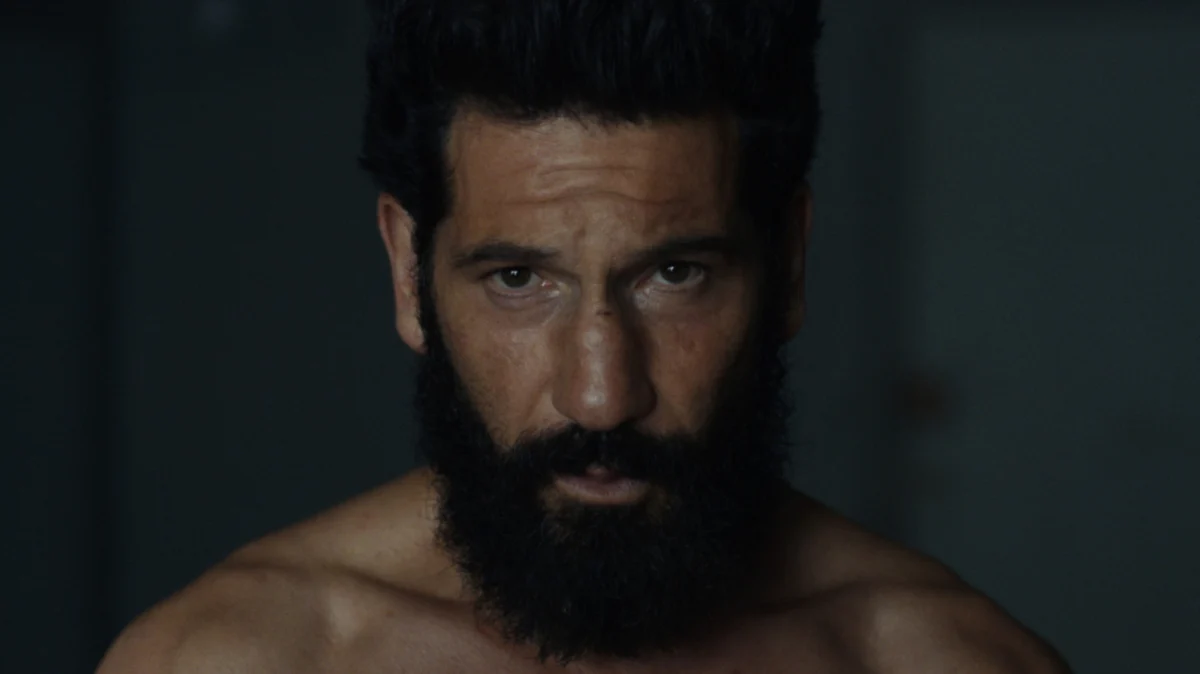
The Marvel Cinematic Universe (MCU) has long struggled with the balance between auteur-driven storytelling and the industrial requirements of a multi-billion-dollar franchise. The latest entry into this sprawling tapestry, the Marvel Studios Special Presentation The Punisher: One Last Kill, serves as a poignant, if frustrating, example of this internal conflict. While the special reunites star Jon Bernthal with high-caliber creative talent, the result is a project that feels like a masterclass in visual direction trapped within a narrative cage.
Main Facts: The Return of Frank Castle
The Punisher: One Last Kill arrives at a pivotal moment for the street-level corner of the MCU. Following the events of Daredevil: Born Again Season 1, where Frank Castle (Jon Bernthal) made a blood-soaked return to help Matt Murdock dismantle Wilson Fisk’s (Vincent D’Onofrio) empire, fans were left wondering where the vigilante would go next.
Directed by Reinaldo Marcus Green (King Richard, We Own This City) and lensed by the legendary Academy Award-winning cinematographer Robert Elswit (There Will Be Blood), the special was marketed as a "prestige" look at the psychological toll of vigilante justice. Clocking in at approximately 55 minutes, the special attempts to bridge the gap between Frank’s escape from the authorities in Born Again and his upcoming, highly anticipated collision with Tom Holland’s Peter Parker in Spider-Man: Brand New Day.
Despite the immense talent behind the camera, early critical reception—exemplified by a /Film rating of 5 out of 10—suggests that while the "Special Presentation" format allows for stylistic experimentation, it cannot always overcome the "status quo" requirements of the broader Marvel machine.
Chronology: Locating the Punisher in the Timeline
To understand the narrative weight (or lack thereof) in One Last Kill, one must look at the character’s trajectory over the last decade:
- 2016 (Daredevil Season 2): Bernthal debuts as Frank Castle, providing a foil to Matt Murdock’s "no-kill" rule. The performance is instantly hailed as the definitive live-action portrayal of the character.
- 2017–2019 (The Punisher Solo Series): Two seasons on Netflix explore Frank’s military past and the conspiracy surrounding his family’s death. The series ends with Frank finally accepting his mantle as the Punisher.
- The "Blip" and Beyond: While the character’s whereabouts during the Thanos era remain murky, he re-emerges in the wake of Wilson Fisk’s rise to the Mayoralty of New York.
- Daredevil: Born Again (Season 1): Frank Castle returns to the fold, officially integrating into the MCU proper. He assists Daredevil but ultimately vanishes into the shadows following the season finale.
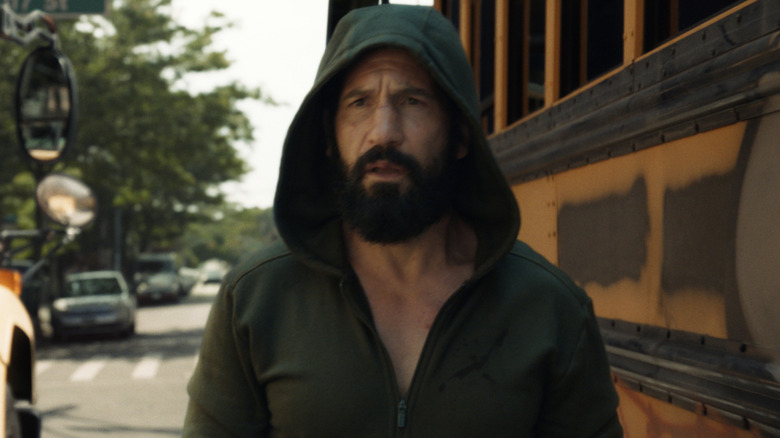
- The Punisher: One Last Kill: This special presentation finds Frank in a self-imposed exile, holed up in a dilapidated New York apartment, mentally and physically deteriorating after finally eliminating the last of the cartels responsible for his family’s demise.
Supporting Data: A Tale of Two Tonalities
The primary criticism of One Last Kill lies in its jarring structural shift, effectively splitting the special into two distinct, irreconcilable halves.
Part One: The Psychological Descent
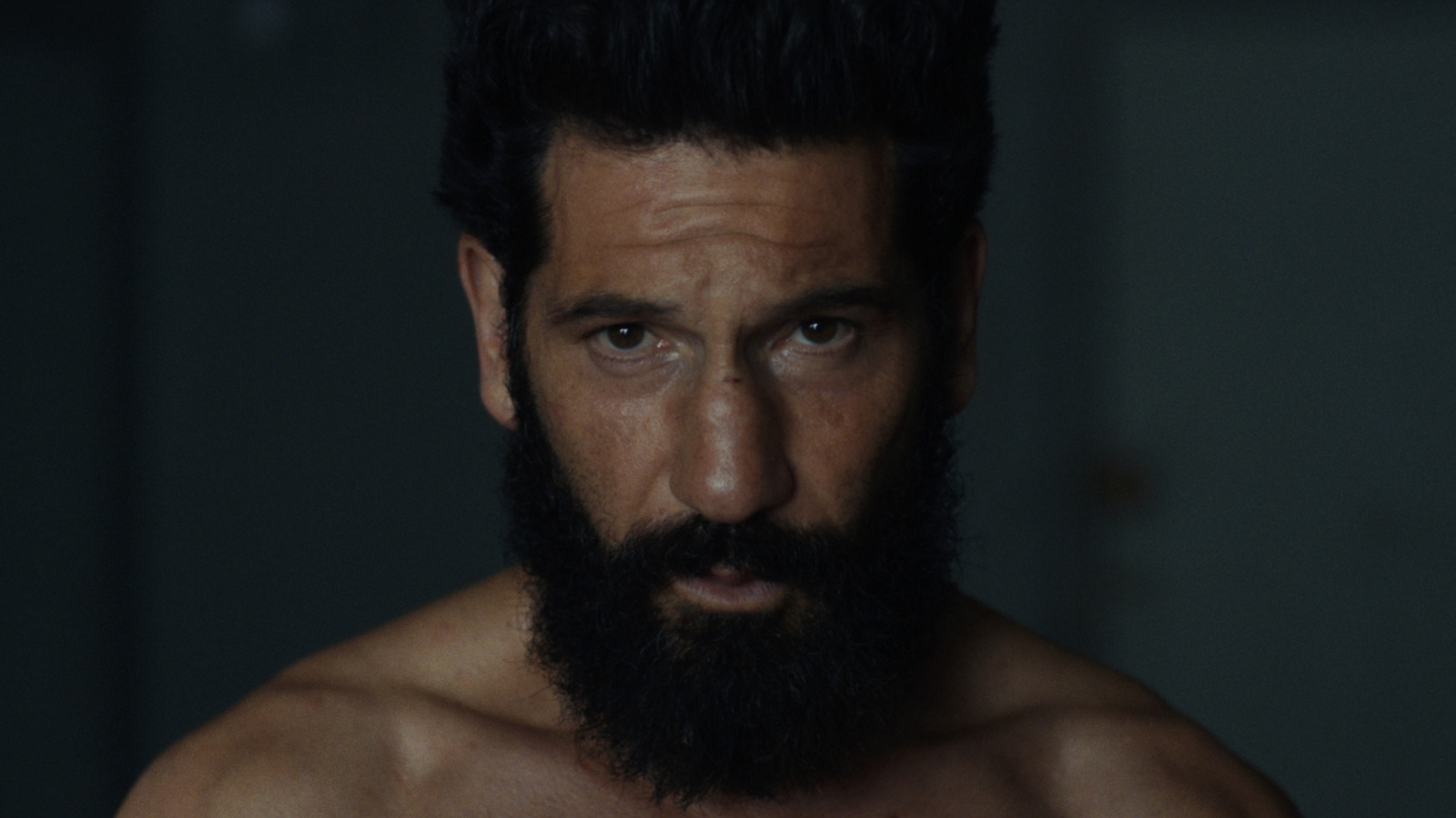
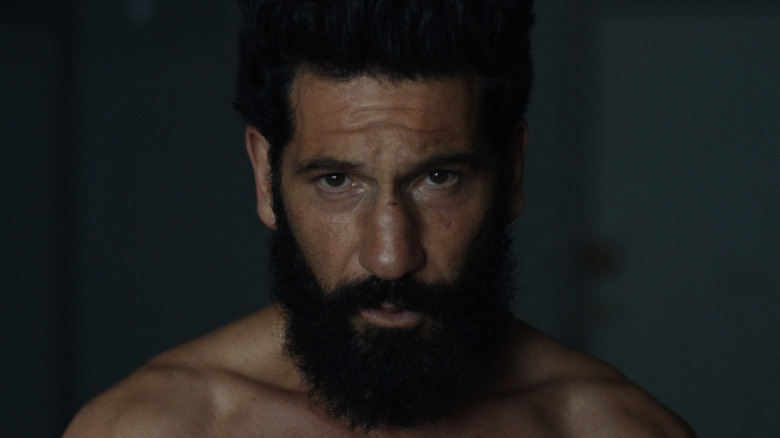
The first twenty minutes of the special are arguably the most sophisticated minutes of Punisher content ever produced. Director Reinaldo Marcus Green leans into the "prestige TV" sensibilities he honed on We Own This City. We find a Frank Castle who is "shirtless, bearded, and sporting a crazed look in his bloodshot eyes."
The data of his life at this point is grim: he has achieved his goal of vengeance, yet he is more broken than ever. He is haunted by hallucinations of his former Marine squad (featuring cameos by Jason R. Moore as Curtis Hoyle). This segment functions as a claustrophobic character study, focusing on the "nightmarish headspace" of a man who has outlived his own purpose. Here, the script—co-written by Bernthal and Green—is minimalist, allowing Bernthal’s physical performance to convey a decade of trauma.
Part Two: The Spectacle of Violence
The latter half of the special pivots sharply into what the review calls a "thinly-veiled excuse" for hyper-violence. Frank is drawn out of his stupor to engage in a massive assault on a criminal-infested apartment complex.
While this shift satisfies the "action quota" expected by Disney+ subscribers, it undermines the psychological groundwork laid in the opening act. The violence is technically impeccable, thanks to Robert Elswit’s cinematography. Elswit utilizes "hazy and dreamlike" lenses for the hallucinations and gritty, handheld "oners" (long takes) for the hallway combat. However, the narrative justification for this carnage feels forced, existing only to transition Frank back into the "merciless, cold-blooded Punisher of old" in time for his next MCU appearance.
Production Insights and Industry Context
The production of One Last Kill reflects Marvel Studios’ ongoing pivot toward "Special Presentations." Following the success of Werewolf by Night and The Guardians of the Galaxy Holiday Special, the studio viewed this format as a way to allow directors like Green to explore R-rated (or TV-MA) territory without the baggage of a six-episode commitment.
Key Production Details:
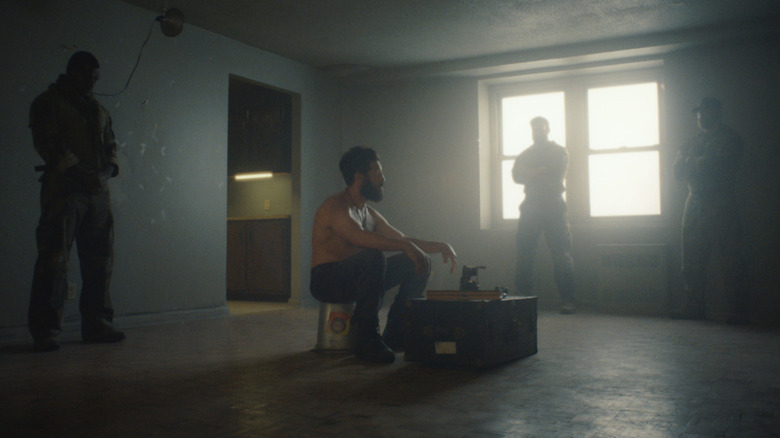
- Location Shooting: Unlike many MCU projects that rely heavily on Atlanta-based soundstages and "The Volume" (LED screen technology), One Last Kill was shot extensively on location in New York City. This lends the project a "grungy, street-level" authenticity that has been missing from the franchise.
- The Bernthal Influence: Reports indicate that Jon Bernthal was instrumental in the creative process, refusing to return unless the project captured the "visceral soul" of the character. His co-writing credit suggests a level of creative control rarely afforded to actors in the MCU.
- Supporting Cast: The inclusion of Andre Royo (The Wire) provides a brief spark of humanity in an otherwise bleak landscape, though his character is largely overshadowed by the special’s move toward action.
Implications: The "Action Figure" Problem
The ultimate takeaway from The Punisher: One Last Kill is a sobering one for fans of character-driven storytelling. The special serves as a "cautionary tale" of superhero stories that are never allowed to end.
The Erasure of Growth
The review notes that the story and Frank’s arc "clearly demand" a resolution where he recedes into the background or finds a path toward healing. However, the MCU’s interconnected nature prevents such an ending. Because Frank is scheduled to appear in Spider-Man: Brand New Day, he must remain a static asset—an "action figure" that can be moved from one set piece to another.
The Dilution of Stakes
When a character undergoes a profound psychological breakdown, only to be reset to their "default settings" by the end of a 50-minute special, the stakes of the universe are diminished. One Last Kill attempts to have it both ways: it wants the prestige of a dark, nihilistic drama and the commercial appeal of a high-octane action flick. By trying to satisfy both, it arguably fails to provide a lasting impact for either.
Future of the Format
If One Last Kill is viewed as a disappointment by critics, it may signal a change in how Marvel handles these one-offs. While the "style" is present in spades, the "substance" is often sacrificed at the altar of the next crossover. Fans are left with a 5/10 experience: a beautifully shot, expertly acted piece of media that ultimately feels like "an empty vessel for more empty spectacle to come."
The Punisher: One Last Kill is scheduled to debut on Disney+ on Tuesday, May 12, 2026. While it will undoubtedly garner high viewership based on Bernthal’s charisma alone, it remains a stark reminder that in the world of the MCU, even the most violent and individualistic characters must eventually fall back in line with the brand.

Leave a Comment