
The Trident Laser: Ukraine’s High-Tech Response to the Asymmetric Drone Threat
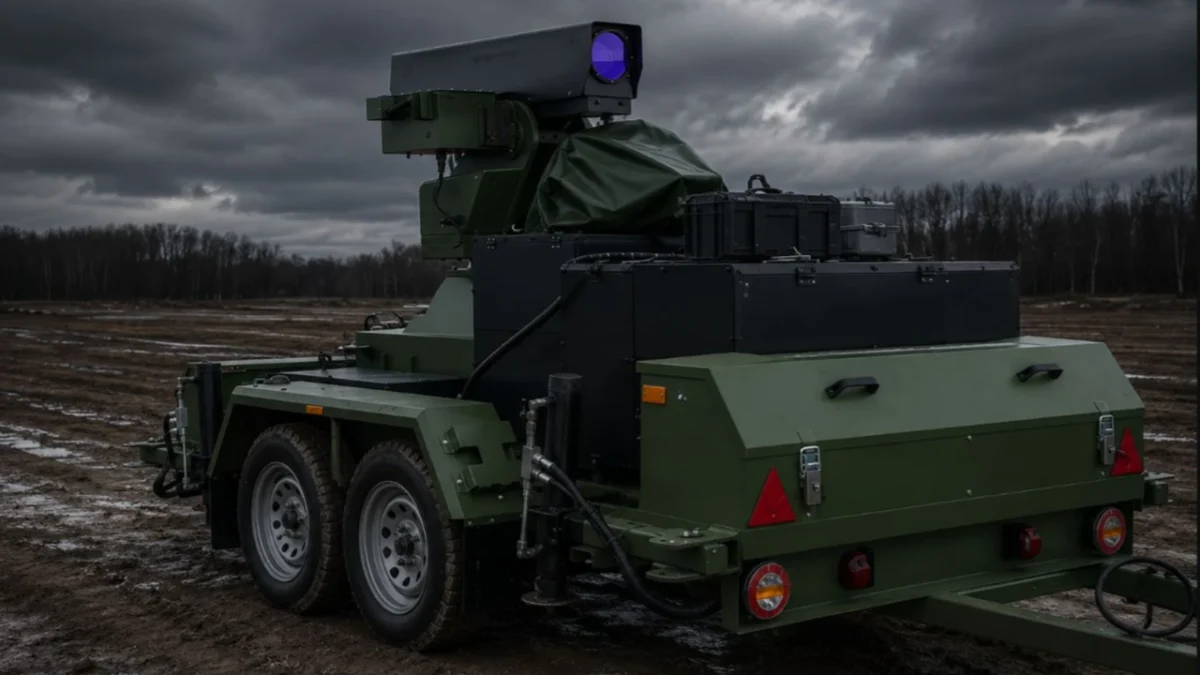
The landscape of modern warfare is undergoing a radical transformation on the plains of Eastern Europe. As traditional artillery and armored maneuvers continue to define the front lines, a quieter, more futuristic revolution is taking place in the laboratories of Ukrainian defense startups. At the forefront of this shift is Celebra Tech, a relatively obscure firm that has recently unveiled the "Trident"—a directed-energy weapon (DEW) system that promises to neutralize aerial threats ranging from tactical drones to attack helicopters at a fraction of the cost of Western counterparts.
While defense giants in the United States and the United Kingdom have spent decades and billions of dollars perfecting laser technology, the Trident represents a "necessity-is-the-mother-of-invention" approach. It is a system born out of the urgent need to counter the saturation of the battlefield by low-cost loitering munitions and reconnaissance UAVs.
Main Facts: The Capabilities of the Trident System
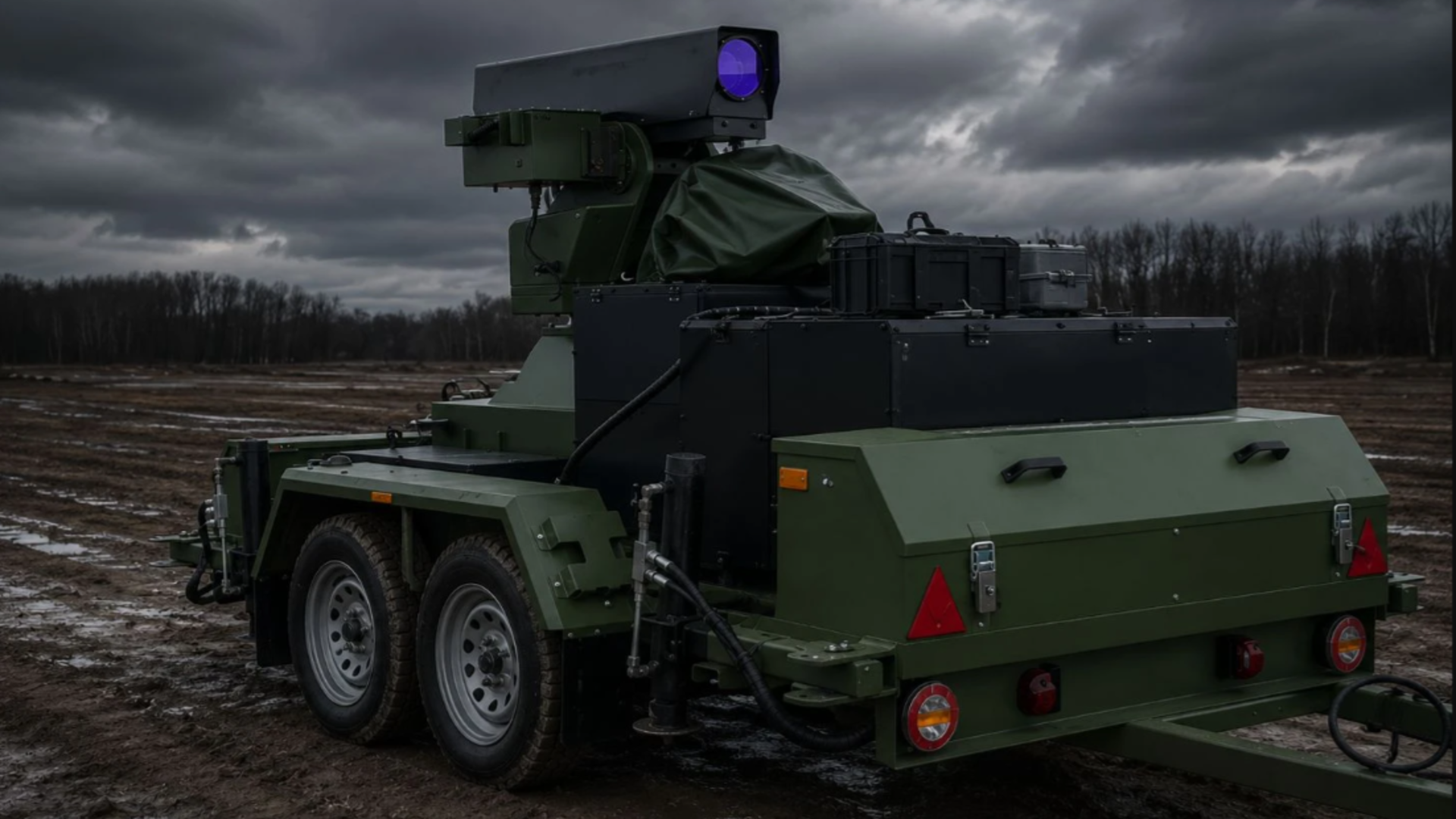
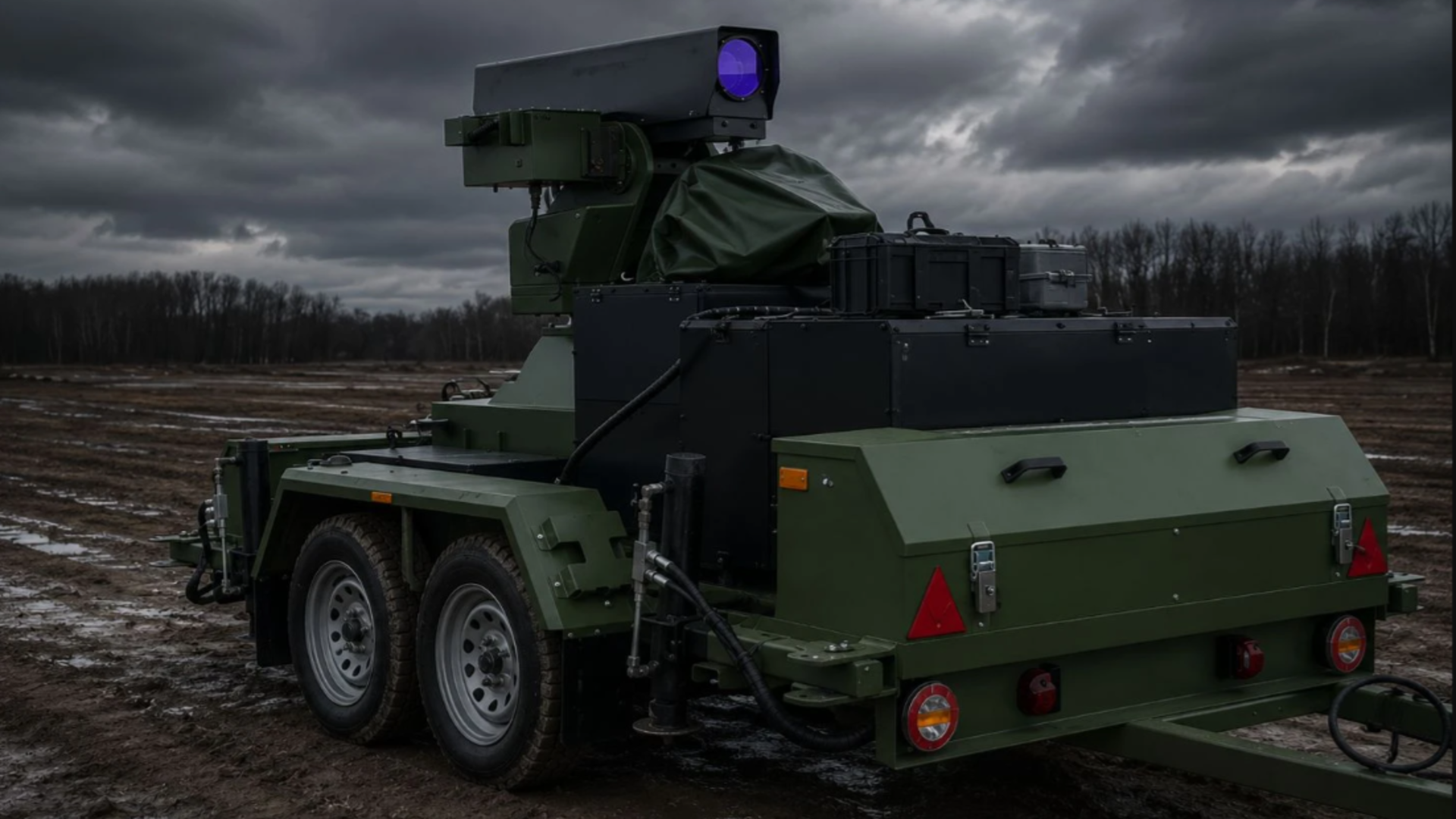
The Trident is a laser-based weapon designed to intercept and destroy targets through intense thermal energy. Unlike kinetic interceptors—missiles or anti-aircraft rounds—the Trident uses a concentrated beam of light to "burn through" the structural components, sensors, and optics of enemy assets.
Operational Parameters and Range
According to technical specifications released by Celebra Tech, the Trident’s effectiveness is tiered based on the nature of the target and the atmospheric conditions:
- Tactical Drone Interception (1.5 km): The system is optimized to destroy small reconnaissance drones. At this range, the laser can melt plastic casings and ignite lithium-polymer batteries, leading to immediate catastrophic failure.
- FPV Drone Neutralization (800–900m): For high-speed First-Person View (FPV) "kamikaze" drones, the system provides a hard-kill capability, disrupting the electronics or blinding the camera sensors that the pilot relies on for navigation.
- Aviation Engagement (5 km): Perhaps the most ambitious claim is the system’s ability to strike helicopters and fixed-wing aircraft. At five kilometers, the laser is reportedly powerful enough to damage the sensitive optoelectronic spheres of attack helicopters or cause structural damage to wing surfaces.
- Long-Range Blinding (10 km): Even beyond its "hard-kill" range, the Trident retains enough energy to "dazzle" or permanently blind enemy surveillance equipment, rendering high-altitude recon drones useless.
Technical Innovations
The current iteration of the Trident features several significant upgrades over earlier prototypes. Celebra Tech has integrated a sophisticated radar-link system, allowing the laser to be cued by external sensors. Once a target is identified, an automatic tracking system takes over, maintaining the beam on a specific "weak point" of the target—such as a camera lens or a fuel line—even as the target maneuvers. Furthermore, a re-guidance system allows operators to manually correct the beam’s point of impact during an active engagement, compensating for atmospheric shimmer or target jitter.
Chronology: From Prototype to Combat Testing
The development of the Trident did not happen overnight. It is the result of several years of iterative testing, much of which took place under actual combat conditions following the 2022 invasion.
2021: The Trident-120 Prototype
Before the full-scale invasion, Celebra Tech was already experimenting with directed energy. The Trident-120 was a portable, rifle-like prototype. Though bulky compared to a standard firearm, it was designed to be operated by a single soldier or a small team. Its primary purpose was "soft-kill" missions—blinding the optics of ground-based observation posts and low-flying drones.
2022: Field Validation
During the early stages of the conflict, the Trident-120 was deployed in the field. Reports from this period suggest the prototype was used against Russian Ka-52 "Alligator" attack helicopters. While it did not "shoot down" the helicopters in the traditional sense, it successfully damaged their highly expensive optoelectronic targeting systems, forcing the pilots to abort their missions. It also saw success against Orlan-10 reconnaissance drones and Murom-M ground-based surveillance stations, which are frequently used by Russian forces to monitor Ukrainian troop movements.
2024–2025: System Integration and Scaling
Following the success of the field tests, Celebra Tech shifted focus toward a more robust, vehicle-mounted or stationary platform. This allowed for larger power banks and more advanced cooling systems, which are essential for sustained laser fire. The transition from a "laser rifle" to a "laser system" marked the birth of the current Trident configuration, which is now being prepared for wider deployment.
Supporting Data: The Economics of Directed Energy
The primary driver behind the development of the Trident is not just its lethality, but its economic efficiency. In the current conflict, there is a massive "cost-asymmetry" problem.
The Cost-Per-Shot Advantage
Standard air defense missiles, such as the IRIS-T or the NASAMS, cost between $500,000 and $2 million per interceptor. Using these to shoot down a $20,000 Shahed drone or a $500 FPV drone is economically unsustainable in a long-term war of attrition.
- The Trident’s Edge: While the initial cost of the Trident unit is significant, the "cost-per-shot" is essentially the price of the electricity required to generate the beam—estimated to be less than $10 per engagement.
- Comparison with Western Systems: The British "DragonFire" system, recently unveiled by the UK Ministry of Defence, involved a development cost of approximately £120 million ($150 million). Celebra Tech claims that their development costs are a "tiny fraction" of this, achieved by using off-the-shelf components and a leaner engineering team of only 15 specialists.
Technical Challenges
Despite the optimism, laser weapons face inherent physical limitations that Celebra Tech must overcome:
- Atmospheric Attenuation: Fog, rain, and smoke can scatter or absorb laser energy, significantly reducing the effective range.
- Dwell Time: Unlike a bullet, a laser must stay on the target for several seconds to transfer enough heat to cause damage. This requires incredibly precise stabilization.
- Power Supply: Generating a 5km-range beam requires immense electrical power, necessitating heavy battery packs or dedicated generators, which limits the system’s mobility.
Official Responses and Independent Verification
The announcement of the Trident has been met with a mix of excitement and professional skepticism within the defense community.
Ukrainian Military Endorsement
Vadym Sukharevskiy, the former commander of Ukraine’s Unmanned Systems Forces, has been a vocal proponent of the technology. "Today, we can shoot down planes at an altitude of over 2 km with this laser," Sukharevskiy stated, highlighting the strategic importance of having a low-cost alternative to traditional MANPADS (Man-Portable Air-Defense Systems).
The Skeptic’s View
However, military analysts point out several "red flags" regarding the Trident’s current status.
- The Small Team Paradox: Celebra Tech operates with a core team of only fifteen people. Developing a reliable, combat-ready DEW usually requires hundreds of engineers and vast testing ranges. Skeptics argue that while a prototype might work in controlled settings, mass-producing a system that can survive the rigors of the front line—vibration, mud, and electronic warfare—is a much taller order.
- The Verification Gap: To date, there has been no independent, third-party verification of the 5-kilometer "aircraft-kill" claim. Most footage released by the company shows the destruction of stationary or slow-moving targets at shorter ranges.
Implications: A New Era of Defense
The implications of the Trident system extend far beyond the current borders of Ukraine. If Celebra Tech can prove the system’s reliability, it could signal a shift in global defense procurement.
Secondary Functions: Demining
One of the more intriguing claims made by Celebra Tech is the Trident’s potential for demining. Ukraine is currently the most heavily mined country in the world. A laser system capable of heating and detonating mines from a safe distance could revolutionize land reclamation. However, this remains a theoretical application, as the power required to detonate an anti-tank mine buried under soil is significantly higher than that needed to melt a drone’s plastic wing.
The Future of "Asymmetric" Defense
The Trident represents the democratization of high-tech weaponry. It suggests that in the future, medium-sized nations or even private entities could field capabilities previously reserved for superpowers.
For Ukraine, the Trident is more than just a weapon; it is a symbol of technological sovereignty. By building their own Directed Energy Weapons, they reduce their reliance on the fluctuating political will of Western donors and create a sustainable defense infrastructure.
Conclusion: Theoretical Project or Battlefield Reality?
The Trident laser system sits at the intersection of brilliant improvisation and ambitious marketing. While the challenges of atmospheric interference and power management are formidable, the documented successes of the early Trident-120 prototypes suggest that Celebra Tech has a functional foundation.
If the Trident can move from a "theoretical project" to a standardized piece of military hardware, it will provide Ukraine with a "light-speed" shield against the drone swarms of the 21st century, proving that in modern war, the most effective weapon isn’t always the most expensive one—it’s the one that can be fired a thousand times without breaking the bank.




Leave a Comment