
The AI Mimicry Epidemic: When Artifice Blurs the Line of Human Creation
A growing unease permeates the creative landscape as accusations of artificial intelligence authorship in literature and art escalate, prompting a critical examination of authenticity, intent, and the very definition of creative work.
The digital age, once heralded as a democratizing force for creators, now finds itself at a precipice. A new and insidious challenge has emerged, casting a long shadow over the integrity of artistic and literary production: the pervasive influence and potential authorship of generative artificial intelligence (AI). This burgeoning concern is not merely theoretical; it is manifesting in real-world controversies, forcing a reckoning with the implications of AI’s ever-increasing ability to mimic human creativity.
At the heart of this contemporary debate lies a complex web of questions surrounding authorship, originality, and the ethical boundaries of technological assistance. As AI tools become more sophisticated, the line between human-generated content and machine-produced output grows increasingly blurred, leading to a climate of suspicion and uncertainty for creators and consumers alike. This article delves into the escalating tensions, examining the core issues through recent controversies, historical parallels, and expert analysis.
The "Shy Girl" Controversy: A Case Study in AI Authorship Accusations
A recent flashpoint in this ongoing discussion has been the controversy surrounding the novel Shy Girl. Originally self-published, the horror novel gained traction and was subsequently picked up for traditional publication by Hachette. However, approximately ten months prior to the current heightened scrutiny, accusations began to surface suggesting that the book, in whole or in part, bore the hallmarks of generative AI.
While initial conversations simmered, the narrative has recently intensified. The current understanding, as reported, is that the author herself may not have directly utilized generative AI for the core writing. Instead, the controversy centers on the alleged involvement of an editor who, according to reports, employed AI tools to make alterations to the manuscript. The crucial point of contention appears to be the extent to which the author reviewed, approved, or was even aware of these AI-driven changes. Details remain fluid, and as with any evolving situation, further clarification and new information are anticipated.
This case highlights a critical distinction: the debate is not solely about whether an author directly commands an AI to write their work. It extends to the more nuanced, and perhaps more ethically fraught, scenario where AI is introduced into the creative pipeline through intermediaries, potentially without full transparency or understanding from the primary author. This introduces a new layer of complexity, as it implicates not only the author but also the editorial process and the publisher’s due diligence.
The Slippery Slope of Stylistic Signifiers
The "Shy Girl" controversy is not an isolated incident. It mirrors a growing trend of individuals identifying supposed "AI tells" in creative works, often with an unshakeable certainty. This phenomenon is particularly prevalent on social media platforms, where photographs, videos, artwork, and written pieces are frequently scrutinized.
One of the earliest and most widely discussed "AI indicators" in writing was the excessive use of the em dash. A vocal segment of the online community asserted that generative AI models, having been trained on vast datasets of human writing, exhibit a peculiar affinity for this punctuation mark. This claim, however, proved to be a double-edged sword. Many contemporary writers, including the author of the original article, expressed a strong personal preference for the em dash, finding it a versatile tool for stylistic emphasis and nuanced phrasing.

This observation underscores a fundamental misunderstanding of how AI operates. Generative AI does not possess "preferences" or "loves" in the human sense. Its patterns are derived from the data it has processed. If AI appears to favor the em dash, it is not because of an inherent stylistic inclination, but because it has learned that this punctuation mark is prevalent in the human-authored texts it was trained on. This, in turn, is a testament to the very human creativity that AI is accused of usurping.
The "Shy Girl" case demonstrates a similar pattern. The "signs" that allegedly betray AI authorship in the novel include a range of stylistic choices. These are not necessarily unique or inherently artificial; they are often the very stylistic decisions that human authors make. Metaphors, specific types of repetition, the strategic use of adjectives or adverbs, and alliteration are all tools in a writer’s arsenal. To attribute these choices to AI is to ignore the agency and intentionality of human creativity.
The danger lies in this broad application of stylistic accusations. It creates a climate where any writer exhibiting a particular stylistic flair risks being labeled as an AI user, regardless of their actual process. This can lead to the unfair stigmatization of legitimate human artistry, fueled by a reactive and often inaccurate interpretation of technical output.
Echoes of the Future: The Terminator and The Thing
The anxieties surrounding AI authorship and the erosion of authenticity are not entirely novel. They find potent, albeit fictional, parallels in cinematic explorations of artificial intelligence and insidious infiltration. James Cameron’s The Terminator franchise, particularly the original film, serves as a stark warning about the potential dangers of advanced AI. While often interpreted as a prophecy of killer robots and apocalyptic warfare, a subtler but equally chilling message lies within its narrative: the AI’s ability to impersonate humans.
The Terminator, a synthetic organism designed to infiltrate and assassinate, represents the ultimate fear of AI wearing a human face. In the films, it becomes increasingly difficult to distinguish between the machine and the organic, a terrifying prospect that resonates deeply in our current technological landscape. The idea of AI stealing our voices, our likenesses, and our identities, making it impossible to trust even the most intimate communications, is a potent metaphor for the information integrity crisis we face.
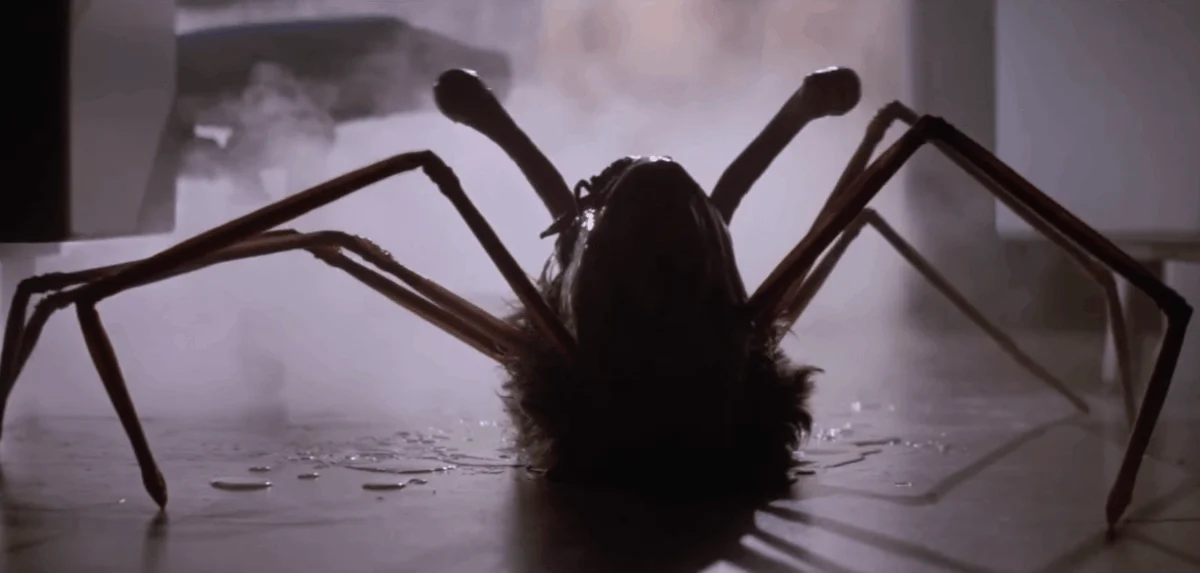
This theme of infiltration and the loss of certainty is further amplified by John Carpenter’s seminal horror film, The Thing. Set in an isolated Antarctic research base, the film depicts an extraterrestrial organism capable of perfectly imitating any living creature it assimilates. The horror stems not from the alien’s direct physical threat, but from the pervasive paranoia it sows. Who among the group is still human? Who has been compromised? The characters are forced into a desperate struggle to identify the imposter, lest they fall victim to its deadly agenda.
The connection between these cinematic narratives and our current AI predicament is profound. Just as the Terminator could wear human faces and the Thing could mimic flesh and blood, generative AI is now "wearing the artistic skin" of human creators. It is becoming increasingly challenging to discern what is genuinely human-made and what is the product of artificial mimicry. This shared fear of the indistinguishable "other" within our midst is a powerful indicator of the existential unease that AI’s presence engenders.
The Devaluation of Truth and Reality
A fundamental threat posed by generative AI, as articulated by critics, is its corrosive effect on the fidelity of information, truth, and reality itself. It is not merely about the proliferation of misinformation and disinformation – the digital illusions and virtual sleight-of-hand. The mere existence and increasing sophistication of AI make it exponentially harder to ascertain what is genuine and what is fabricated.

This is precisely what is being witnessed in the "Shy Girl" controversy and in the broader trend of misidentifying AI-generated content. The public, increasingly exposed to the potential for AI manipulation, is developing a form of paranoia akin to the researchers trapped in The Thing. They suspect AI is everywhere, and this suspicion, whether always accurate or not, has a deleterious and corrosive impact on all aspects of our digital and creative lives.
The analogy of corporate takeovers, such as Paramount acquiring CBS or Elon Musk’s acquisition of Twitter, is fitting. In these scenarios, the success or failure of the entity is secondary to the damage inflicted upon its core function. Similarly, even if AI-generated content were to achieve commercial success, its proliferation risks ruining our collective ability to disseminate accurate information and, ultimately, to trust in the very fabric of truth.
Navigating the Labyrinth: What Can Be Done?
The question of how to combat this growing AI influence is complex, with no easy answers. The most immediate and apparent strategy for individual creators is to consciously avoid the use of AI tools in their work. Pledging to abstain from AI assistance in all possible avenues is a crucial first step.
However, this individual commitment faces significant hurdles. The development of AI detection tools, ironically often powered by AI themselves, raises the specter of being falsely accused of using AI, even when one has not. Furthermore, the certainty with which individuals assert that a piece of content is AI-generated, even when demonstrably false, erodes the very foundation of trust that is essential for creative discourse.
The implications for writers, readers, and the publishing industry at large are profound. Ideally, publishing houses would proactively establish clear policies and obtain commitments from authors regarding AI usage. Yet, this presents its own set of challenges. A "no AI" clause could easily morph into a subjective "morality clause," leaving authors vulnerable to unsubstantiated accusations. If a significant number of individuals, regardless of factual basis, allege that a book is AI-generated – whether at the authorial, editorial, or publishing level – the work could be ostracized or "tanked."
The Hachette publication of Shy Girl, amidst existing AI accusations, raises pertinent questions about the publisher’s due diligence. While a thorough investigation might have been conducted, the perceived lack of robust editorial oversight fuels skepticism. The author’s stance is clear: the publication of AI-generated content, at any stage, is problematic. It not only risks the integrity of the creative process but also displaces opportunities for human creators who are engaged in genuine, human work. Each contract awarded to an AI "slop-wrangler" is a contract denied to a human writer. Each "fake book" takes the place of a potentially real and meaningful one.
Ultimately, we are facing a deeply tangled nightmare. The widespread existence of AI is becoming a problem in and of itself, irrespective of its presence in any single work of art or literature. The path forward requires a concerted effort to remain vigilant and cautious. While individuals must commit to not using AI, they must also exercise extreme care when making accusations against others. The environment in which AI operates is only becoming noisier and more confusing. The ability to definitively identify AI in creative work is diminishing, making the temptation to jump to conclusions all the more perilous.
This era of writing and publishing presents a daunting challenge. The faster this bubble of artificiality can be addressed and potentially burst, the better it will be for creators and consumers alike. The call to action is clear: be vigilant, be cautious, and above all, refuse to engage with the "slop-shitting artbarf techbro bullshit" that threatens to undermine the very essence of human creativity. The future of authentic expression depends on it.

Leave a Comment